Uw Plastic Surgery: Procedure, Recovery and Results

Plastic and reconstructive surgery can restore function, appearance or both after injury, illness, congenital differences or aging. The best procedure depends on a person’s goals, anatomy, general health, skin quality and willingness to follow recovery instructions.
Key Takeaways
- Plastic and reconstructive surgery can restore function, appearance or both after injury, illness, congenital differences or aging.
- The best procedure depends on a person’s goals, anatomy, general health, skin quality and willingness to follow recovery instructions.
- Recovery varies widely: minor procedures may require a few quiet days, while major body-contouring or reconstructive operations can require several weeks.
- Swelling and bruising are common early after surgery, and final results may take months to become clear.
- Choosing a board-qualified surgeon and an appropriately accredited facility supports safe, individualized care.
UW plastic surgery is a broad search term that may refer to cosmetic and reconstructive care, academic training, and research in plastic and reconstructive surgery. Each procedure has its own preparation, recovery period and expected outcome, so an individual assessment with a qualified plastic surgeon is essential.
Overview: what does UW plastic surgery mean?
UW plastic surgery is commonly used to search for plastic and reconstructive surgery services associated with the University of Wisconsin, as well as information about cosmetic procedures, reconstructive care, training and academic research. Plastic surgery is a medical specialty that improves or restores form and function. It includes reconstructive operations after cancer treatment, trauma, burns or congenital differences, alongside elective cosmetic procedures intended to change or refine appearance.
The word “plastic” comes from a Greek term meaning to shape or mold; it does not refer to artificial materials. A consultation helps determine whether surgery, a non-surgical treatment, or no procedure is the most appropriate option. The surgeon should explain realistic benefits, scars, recovery needs and possible complications before a person decides how to proceed.
People researching UW plastic and reconstructive surgery may also encounter information on team-based care. Complex reconstruction can involve surgeons, anesthesiologists, nurses, physiotherapists, oncologists, dermatologists and other specialists. This coordinated approach is particularly important when surgery is being considered after cancer treatment, significant injury or major weight loss.
How plastic surgery works and who may be a candidate
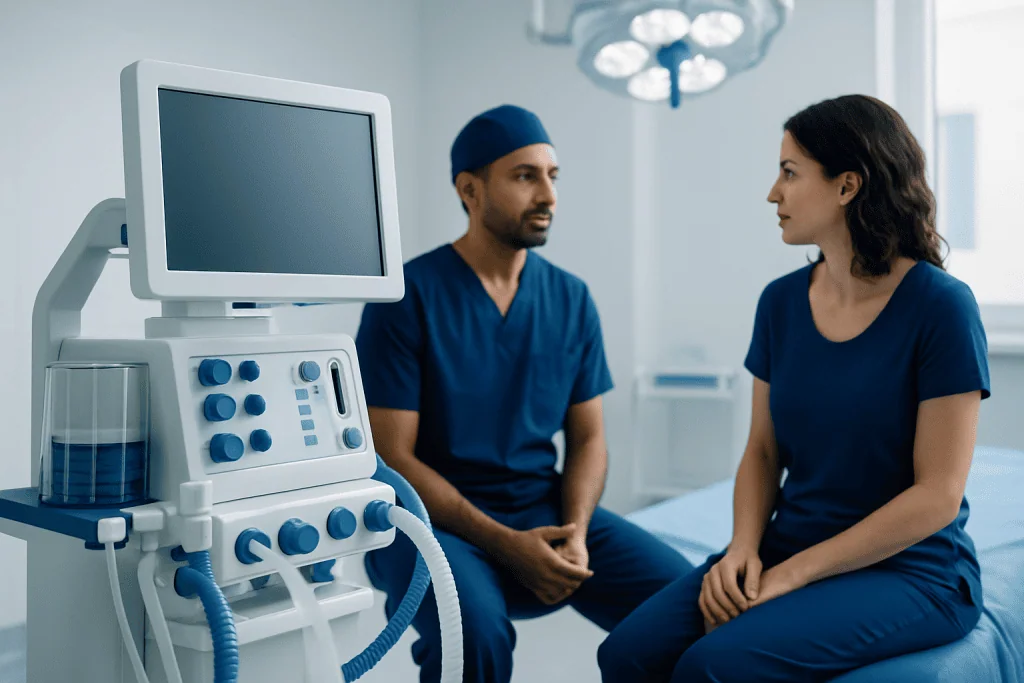
Plastic surgery works by reshaping, repairing, moving or replacing tissues such as skin, fat, muscle, cartilage and bone. Depending on the operation, a surgeon may remove excess tissue, reposition tissue, use implants, transfer tissue from another part of the body, repair damaged structures or improve the appearance of scars. The plan is tailored to the area being treated and the person’s medical needs and goals.
Suitable candidates are generally in stable physical health, understand the likely limitations of surgery and have realistic expectations. For elective cosmetic surgery, it is helpful for weight to be reasonably stable and for chronic conditions, such as diabetes or high blood pressure, to be well managed. Smoking and nicotine use can impair wound healing, so clinicians commonly advise stopping well before and after an operation.
During assessment, the surgeon reviews medical history, medications, allergies, previous operations and factors that can affect healing. Photographs, measurements, laboratory tests or imaging may sometimes be needed. People interested in appearance-focused procedures may discuss options such as cosmetic surgery after a careful assessment of their concerns and priorities.
Academic centers may contribute to uw plastic surgery research, which can examine surgical techniques, wound healing, tissue regeneration, outcomes and quality of life. Research advances can inform care, but a treatment should always be chosen on its established safety, appropriateness and evidence for the individual patient.
What happens during a plastic surgery procedure?
Although each operation is different, plastic surgery usually follows a structured pathway. Before surgery, the patient has a detailed consultation and provides informed consent after discussing alternatives, expected results, scars, anesthesia and risks. The clinical team may give instructions about eating and drinking, medicines, skin preparation, arranging transport and having support at home.
On the day of surgery, the team confirms the planned procedure and marks treatment areas when appropriate. Local anesthesia, sedation or general anesthesia may be used depending on the extent of surgery. The surgeon then performs the planned repair or reshaping using carefully placed incisions. Tissue may be removed, lifted, transferred, grafted or reconstructed, and the incisions are closed with sutures, staples, adhesive strips or surgical glue.
Afterward, patients recover under observation while anesthesia wears off. Some procedures are completed as day surgery, while more extensive reconstructions require a hospital stay. Dressings, compression garments, drains or splints may be used temporarily. Follow-up appointments allow the team to assess healing, remove sutures or drains when needed, and adjust aftercare advice.
For people who need restoration after an injury, cancer operation or congenital condition, reconstructive surgery may focus primarily on function, tissue coverage, movement or symmetry. Cosmetic and reconstructive goals can overlap, but the surgical plan remains individual.
Recovery timeline, expected results and benefits
Recovery is not the same for every operation. During the first few days, soreness, fatigue, swelling, bruising and limited movement can be expected. Pain relief, wound-care instructions and activity restrictions are individualized. Keeping follow-up visits and contacting the care team with concerns are important parts of safe healing.
Many people need several days away from routine work after a minor procedure, while more extensive facial, breast, abdominal or reconstructive surgery may require two to six weeks or longer before regular activities can gradually resume. Heavy lifting, strenuous exercise, swimming and driving may be restricted for a period determined by the surgeon. Healing continues beyond the return to daily life.
Early swelling can temporarily conceal the result. Scars usually look more noticeable in the first weeks or months and often mature gradually over a year or longer. Sun protection, avoiding nicotine and following scar-care advice can support healing. Benefits may include improved comfort, movement, function, confidence or appearance, but no procedure can promise perfect symmetry or a particular result.
Operations after substantial weight loss may involve more prolonged recovery because several body areas can be treated. A body lift is one example of a procedure that requires careful planning, support at home and a gradual return to activity.
What is the hardest plastic surgery to recover from?
There is no single operation that is objectively the hardest plastic surgery to recover from. Recovery difficulty depends on the size and number of areas treated, the type of anesthesia, the need for tissue transfer or reconstruction, the person’s general health, pain tolerance, support at home and whether complications occur.
Procedures involving large areas of the body, extensive muscle repair, multiple surgical sites or complex reconstruction are often more demanding. Examples can include circumferential body contouring after major weight loss, tummy tuck procedures with abdominal muscle repair, combined procedures, major burn reconstruction and microsurgical free-flap reconstruction. These operations may involve drains, mobility restrictions, a longer period away from work and closer monitoring.
A procedure that is physically manageable for one person may be more challenging for another. Rather than comparing operations, patients can ask their surgeon about expected pain control, mobility, sleeping positions, help needed at home, work restrictions and warning signs specific to their planned procedure.
How many days should I rest after plastic surgery?
The number of days a person should rest after plastic surgery depends on the procedure. A small skin procedure may only require one or two quiet days, while facial surgery, breast surgery, body contouring and reconstruction often require at least one to two weeks away from normal routines. Major operations can require several weeks of reduced activity before a gradual return to work, exercise and lifting.
Rest does not always mean complete bed rest. Unless the surgeon advises otherwise, gentle walking is often encouraged soon after surgery because it supports circulation and helps reduce the risk of complications related to immobility. Patients should avoid pushing through pain, lifting beyond the recommended limit or resuming exercise before they are cleared to do so.
The surgeon’s instructions should take priority over general timelines. Recovery plans may change according to wound healing, drainage, swelling, job demands and other health conditions. Planning practical support for meals, transport, child care and daily tasks can make the first phase of recovery more comfortable and safer.
Risks, safety and when to seek medical care
All operations carry some risk. Possible complications include bleeding, infection, fluid collection, delayed wound healing, blood clots, unfavorable scarring, changes in skin sensation, asymmetry, anesthesia-related problems and dissatisfaction with the result. Some people may need further treatment or revision surgery. The likelihood of a complication varies by procedure and individual health factors.
Patients should seek urgent medical attention for trouble breathing, chest pain, fainting, sudden confusion, coughing blood, or one-sided leg pain and swelling. They should promptly contact their surgical team for fever, worsening redness, severe or increasing pain, rapidly enlarging swelling, persistent vomiting, pus-like drainage, wound opening or unexpected bleeding. These symptoms do not always indicate a serious problem, but they need timely assessment.
Safety starts before surgery. Patients should disclose all medicines, supplements, smoking or nicotine use and medical conditions, and should follow pre- and post-operative instructions carefully. A qualified surgeon can explain whether a procedure is appropriate and what steps may reduce individual risk.
Acibadem International’s multidisciplinary specialists and JCI-accredited hospitals provide assessment and treatment planning for international patients who need cosmetic or reconstructive surgical care.
What has Dr. Phil's wife done to her face?
Public discussion about a celebrity’s appearance, including Dr. Phil’s wife, should not be treated as reliable medical information. Unless a person has clearly and directly described a procedure, it is not appropriate to guess which treatments or surgeries they may have had based on photographs, interviews or social media.
Changes in appearance can result from many factors, including lighting, makeup, hairstyle, weight changes, skin-care routines, aging, photography, non-surgical treatments or surgery. A plastic surgery consultation should focus on the individual’s own concerns, health and goals rather than comparisons with public figures.
When considering facial procedures, patients benefit from discussing the likely degree of change, scar placement, recovery and non-surgical alternatives. A reputable clinician will support informed decisions and avoid promising that someone can exactly reproduce another person’s appearance.
Who are the best plastic surgeons in Wisconsin?
There is no single “best” plastic surgeon for every patient in Wisconsin or elsewhere. The right clinician depends on the procedure needed, the person’s health situation, the surgeon’s training and experience, communication style, hospital or facility standards, and the ability to provide appropriate follow-up care.
Patients can look for a surgeon who is appropriately licensed, has formal specialist training in plastic and reconstructive surgery, regularly performs the procedure being considered and operates in an accredited setting. It is reasonable to ask about the surgeon’s experience with similar cases, expected scars and recovery, complication management, before-and-after photographs of consented patients, and the full team involved in care.
UW plastic surgery residency programs are part of physician training and may be relevant for people seeking academic care. Residents develop surgical expertise under structured supervision, while attending surgeons hold responsibility for patient care. Asking who will perform each part of an operation and how supervision works can help a patient make an informed choice.
Frequently asked questions
Is plastic surgery only cosmetic?
No. Plastic surgery includes cosmetic procedures and reconstructive surgery. Reconstructive care may help restore function or appearance after trauma, cancer treatment, burns, congenital conditions or other medical problems.
How long does swelling last after plastic surgery?
Swelling usually improves substantially over the first few weeks, but mild swelling can persist for several months depending on the procedure and body area. The final result may not be visible until tissues have fully settled and scars have matured.
Can a person have more than one plastic surgery procedure at once?
Sometimes surgeons combine procedures, but this is not suitable for everyone. The decision depends on the expected operating time, anesthesia considerations, health status, recovery demands and overall safety.
How should someone prepare for a plastic surgery consultation?
They can bring a list of medicines and supplements, relevant medical history, previous surgery details and questions about recovery and risks. It is helpful to explain personal goals clearly and to discuss what level of change feels realistic.
Does nicotine affect plastic surgery recovery?
Yes. Smoking, vaping and other nicotine exposure can reduce blood flow and increase the risk of wound-healing problems and other complications. A surgical team can provide individualized guidance on stopping nicotine before and after surgery.
When can someone exercise after plastic surgery?
The timing varies by procedure and healing progress. Gentle walking may be recommended early, but strenuous activity, heavy lifting and high-impact exercise should wait until the surgeon confirms that it is safe.
References
- American Society of Plastic Surgeons
- American Board of Plastic Surgery
- U.S. Food and Drug Administration
- Mayo Clinic
- World Health Organization
This article is for general information only and is not a substitute for professional medical advice. Please consult a qualified doctor about your individual situation.
Oncology care in Turkey — second opinion and treatment plan
JCI-accredited · board-certified surgeons · reply within 24h
Add us as a Preferred Source to see more of our trusted health content across Google Search, AI Overviews and Discover.
Check your numbers in seconds
BMI, calories, due date, blood pressure and 30+ more clinical calculators — free, instant, doctor-reviewed ranges.