Vagina After Pregnancy Explained: Causes, Management, and When to See a Doctor

Vaginal and pelvic floor changes after pregnancy are common and can be temporary or longer lasting. Symptoms may include dryness, heaviness, urine leakage, pain with sex, or a sense of looseness or bulging.
Key Takeaways
- Vaginal and pelvic floor changes after pregnancy are common and can be temporary or longer lasting.
- Symptoms may include dryness, heaviness, urine leakage, pain with sex, or a sense of looseness or bulging.
- Recovery depends on delivery type, tissue healing, hormones, pelvic floor strength, and individual anatomy.
- Pelvic floor exercises, lifestyle changes, and medical treatments can help when symptoms continue.
- A doctor should evaluate severe pain, heavy bleeding, fever, difficulty urinating, or symptoms of prolapse or infection.
Vagina after pregnancy often feels different because childbirth and postpartum healing can stretch muscles, affect pelvic support, and change vaginal tissues. Many changes improve over weeks to months, but persistent pain, bulging, leaking, or pressure should be assessed by a qualified doctor.
Overview: what happens to the vagina after pregnancy?
The vagina after pregnancy often feels and functions differently for a period of time. During pregnancy and birth, the pelvic floor muscles, vaginal tissues, and supporting ligaments are stretched to accommodate the baby. Hormonal shifts after delivery, especially while breastfeeding, can also make tissues feel drier or more sensitive.
These changes do not mean something is necessarily wrong. Many people notice temporary soreness, swelling, mild looseness, or reduced muscle control in the first weeks after birth. Over time, healing of the skin and muscle, improvement in swelling, and pelvic floor recovery can help the area feel more comfortable and supported again.
At the same time, some symptoms deserve attention because they can reflect a treatable condition rather than normal healing. Ongoing urine leakage, a vaginal bulge, pelvic pressure, or pain with intercourse may point to pelvic floor dysfunction or pelvic organ prolapse. An individualized medical assessment can help separate expected postpartum recovery from problems that may benefit from treatment.
Common postpartum vaginal and pelvic symptoms
Recovery can look different from one person to another. Someone who had a vaginal birth with tearing or an episiotomy may have tenderness around the vaginal opening, while someone who had a cesarean birth may still experience pelvic floor weakness from pregnancy alone. Symptoms may also vary depending on whether breastfeeding is lowering estrogen levels, which can contribute to dryness and irritation.
Common symptoms after pregnancy include a feeling of vaginal looseness, pelvic heaviness, pressure in the vagina, mild swelling, discharge related to normal healing, and discomfort during sex when intercourse is resumed. Some people notice difficulty holding gas, urine leakage with coughing or exercise, or a sensation that tampons no longer sit the same way. These symptoms can improve gradually, but they should not be ignored if they interfere with daily life.
- Vaginal soreness or stinging after a tear or stitches
- Dryness, burning, or friction with intercourse
- Pelvic pressure or a dragging feeling
- Urine leakage, urgency, or difficulty fully emptying the bladder
- Reduced pelvic floor strength or trouble controlling bowel movements
- A visible or felt bulge at the vaginal opening
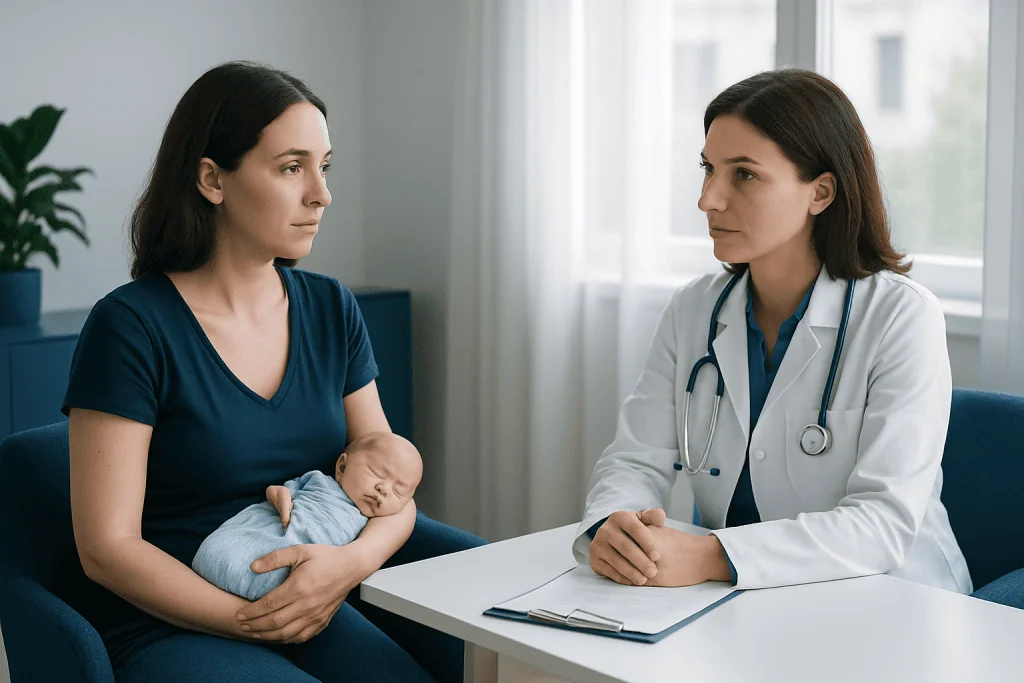
Emotional concerns are also common. Worry about body changes, discomfort during intimacy, and uncertainty about what is normal can affect confidence and relationships. A calm discussion with a gynecologist, urogynecologist, or pelvic floor physiotherapist can be reassuring and practical.
Why these changes happen: causes and risk factors
The most direct reason the vagina after pregnancy may feel different is stretching of the vaginal walls and pelvic floor during childbirth. The baby’s passage through the birth canal can strain muscles and connective tissues, especially during a long second stage of labor, delivery of a larger baby, or use of forceps or vacuum assistance. Tears involving deeper muscles can also affect healing and support.
Pregnancy itself places pressure on the pelvic floor for many months, so some symptoms occur even after cesarean delivery. Hormonal changes matter as well. Lower estrogen levels after birth, particularly during breastfeeding, may thin the vaginal lining and reduce natural lubrication. This can lead to dryness, irritation, or pain with sex that is not related to infection.
Several factors may increase the chance of longer-lasting problems. These include repeated vaginal births, significant perineal tears, constipation and straining, chronic coughing, obesity, smoking, and a personal tendency toward weaker connective tissue. In some cases, symptoms such as stress urinary incontinence overlap with other pelvic floor conditions like urinary incontinence, which can be evaluated and treated together.
Less commonly, postpartum symptoms are related to infection, hematoma, scar problems, or nerve injury. Severe pain, fever, foul-smelling discharge, or sudden inability to urinate should not be assumed to be routine recovery and should be assessed promptly.
How recovery usually progresses
In the first days after birth, swelling, bruising, and tenderness are common. If there was a tear or episiotomy, stitches may pull or sting while healing. Lochia, the normal postpartum bleeding and discharge, occurs while the uterus and birth canal recover. Rest, gentle hygiene, and avoiding strain are especially important during this early phase.
Over the following weeks, tissues generally become less swollen and more comfortable. Pelvic floor control may slowly improve, but recovery is not always linear. Fatigue, constipation, returning to exercise too quickly, or lifting can make symptoms such as pressure or leaking more noticeable. Many people feel substantially better by the six- to twelve-week period, but full recovery of strength and support can take longer.
Breastfeeding can prolong vaginal dryness because estrogen remains lower during lactation. Menstruation may not return right away, and sexual comfort may remain reduced for a while. This does not necessarily indicate permanent change. For persistent or bothersome symptoms, postpartum review should include pelvic examination and discussion of rehabilitation options rather than simply waiting indefinitely.
Diagnosis: when symptoms need evaluation
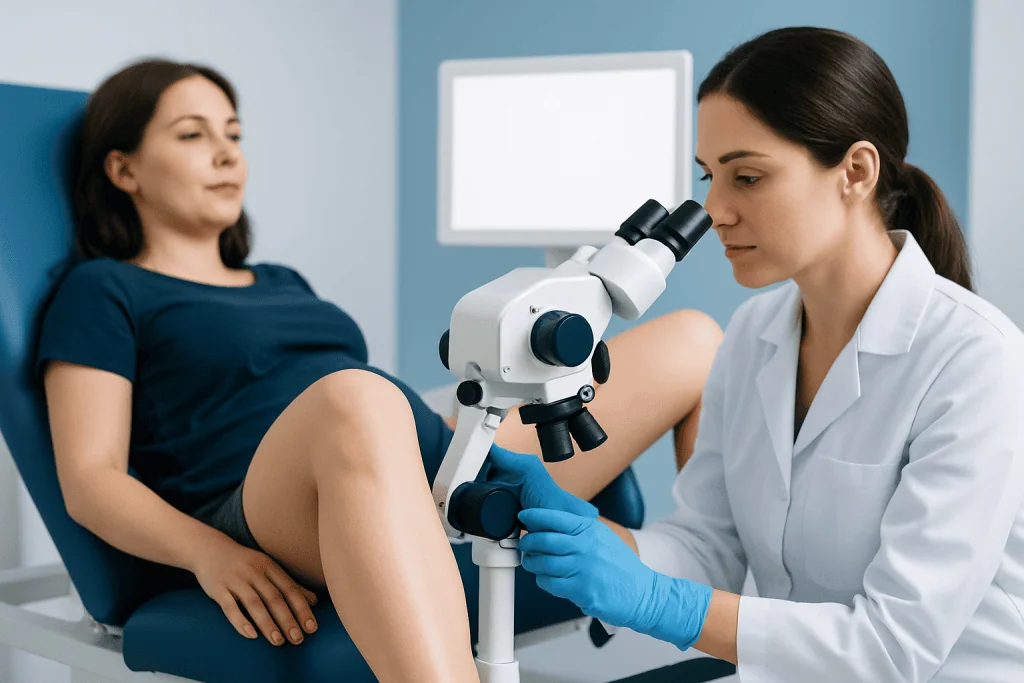
A doctor evaluates postpartum vaginal concerns by asking about delivery history, tears or repairs, bladder and bowel symptoms, pain, discharge, and sexual function. A pelvic exam may assess healing of the vaginal tissues, strength of the pelvic floor muscles, scar sensitivity, and signs of prolapse. The goal is to understand whether symptoms reflect normal healing, muscle weakness, scar issues, infection, hormonal dryness, or another condition.
If urinary symptoms are prominent, testing may include a urine test to look for infection and further assessment of bladder function. When prolapse or incontinence is suspected, referral to a specialist in urogynecology or female pelvic medicine may be appropriate. Some patients also benefit from evaluation by a pelvic floor physiotherapist, who can identify whether the muscles are weak, overactive, or not coordinating well.
Persistent bulging, pressure, or leakage should not be dismissed as an unavoidable part of motherhood. Careful diagnosis helps match the problem to the right treatment. In some situations, imaging or additional studies are used, but many postpartum vaginal concerns can be identified through a focused history and examination.
Treatment and management options
Treatment depends on the specific symptom and its cause. Early postpartum care often focuses on comfort measures such as ice packs, sitz baths, pain relief recommended by a doctor, avoiding constipation, and allowing enough time for healing. For dryness, using a vaginal moisturizer or lubricant during intercourse may help, and some patients may be advised about hormone-based options if appropriate for their health and breastfeeding plans.
Pelvic floor rehabilitation is one of the most useful approaches when the vagina after pregnancy feels weak, heavy, or less supported. A trained pelvic floor physiotherapist can teach correct muscle activation, breathing techniques, posture and lifting strategies, and exercises tailored to incontinence, prolapse, or pain. This is important because some people need strengthening, while others need relaxation and scar desensitization rather than more squeezing exercises.
Medical treatment may be needed for persistent leakage, prolapse, painful scars, or severe tissue laxity. Depending on the diagnosis, care may include pessary fitting, medications, office-based procedures, or surgery. In selected cases, specialists may discuss options such as pelvic floor rehabilitation, evaluation for urogynecology care, or management approaches used in urinary incontinence treatment. Treatment decisions should be individualized, especially if future pregnancies are planned.
Near the end of recovery, some women seek expert advice because symptoms continue despite conservative measures. Acibadem International’s multidisciplinary specialists in JCI-accredited hospitals diagnose and treat postpartum pelvic health concerns for international patients, with care guided by the underlying condition and the patient’s goals.
Self-care and prevention during postpartum recovery
Gentle self-care can support healing and reduce strain on the pelvic floor. Rest when possible, stay hydrated, and prevent constipation with fiber-rich foods and regular movement. Instead of returning quickly to high-impact exercise, it is often better to rebuild gradually, especially if there is leaking, pelvic heaviness, or pain. Heavy lifting and repeated straining can worsen symptoms in the early weeks.
Pelvic floor exercises may help, but technique matters. A common mistake is doing repetitive contractions without learning how to coordinate breathing and relaxation. If symptoms increase with exercises, or if there is pain or a feeling of downward pressure, professional guidance is advisable. Sexual activity should be resumed only when the person feels physically and emotionally ready, and lubricant can be helpful if dryness is present.
- Avoid straining during bowel movements
- Treat coughing that increases pelvic pressure
- Use gentle hygiene and keep the area dry
- Increase activity slowly rather than suddenly
- Seek help early for leakage, bulging, or pain
Long-term prevention focuses on pelvic health rather than trying to restore a single “normal” sensation. Maintaining a healthy weight, addressing chronic constipation, exercising safely, and getting help for persistent symptoms can all improve function and comfort over time.
When to seek medical care
Medical care is important if symptoms are severe, sudden, or not improving. A doctor should be contacted urgently for heavy bleeding, fever, worsening pelvic pain, foul-smelling discharge, a painful swelling near the vaginal area, or difficulty passing urine or stool. These symptoms may suggest complications such as infection, significant tissue injury, or a collection of blood.
A routine but timely evaluation is also appropriate for symptoms that continue beyond the early healing period or interfere with daily life. This includes a vaginal bulge, ongoing pelvic pressure, urine leakage, bowel control problems, or pain during sex. These concerns are common and treatable, and early assessment can prevent unnecessary discomfort and help guide recovery.
Anyone who is unsure whether a symptom is normal should ask a qualified doctor. Postpartum recovery is not the same for everyone, and reassurance is most useful when it is based on a proper examination and a clear explanation of what is happening.
Frequently asked questions
Is it normal for the vagina after pregnancy to feel different?
Yes. Many people notice temporary changes in sensation, support, and comfort after pregnancy and birth because the pelvic floor and vaginal tissues have been stretched and are healing. If symptoms persist or affect daily activities, a medical evaluation can help identify treatable causes.
How long does it take for the vagina to recover after childbirth?
Initial healing often happens over the first several weeks, but full recovery of strength and support can take months. Recovery depends on factors such as tearing, pelvic floor muscle function, breastfeeding-related dryness, and overall health. A doctor can advise if symptoms are lasting longer than expected.
Can a cesarean birth prevent vaginal and pelvic floor changes?
Not completely. Pregnancy itself puts significant pressure on the pelvic floor, so some symptoms can occur even after cesarean delivery. However, certain birth-related injuries to the vaginal tissues are less likely when the baby is not delivered vaginally.
Why is sex painful after pregnancy?
Pain during sex can happen because of healing tears, scar sensitivity, pelvic floor muscle tension, or vaginal dryness related to low estrogen after birth, especially while breastfeeding. Painful intercourse should not be ignored, because treatment can often improve comfort.
Will pelvic floor exercises help with looseness or leaking?
They often help, but only when they are done correctly and matched to the problem. Some people need strengthening, while others need muscle relaxation and coordination training. A pelvic floor physiotherapist can create a safe program based on symptoms and examination findings.
What does a vaginal bulge after pregnancy mean?
A bulge or sensation of tissue coming down can be a sign of pelvic organ prolapse. This happens when the tissues supporting the bladder, uterus, or rectum weaken and shift. It is important to have this checked, especially if there is pressure, discomfort, or bladder symptoms.
References
- American College of Obstetricians and Gynecologists
- Royal College of Obstetricians and Gynaecologists
- National Institute for Health and Care Excellence
- Mayo Clinic
- World Health Organization
This article is for general information only and is not a substitute for professional medical advice. Please consult a qualified doctor about your individual situation.
Joint and spine care in Turkey — expert assessment & treatment
JCI-accredited · board-certified surgeons · reply within 24h
Add us as a Preferred Source to see more of our trusted health content across Google Search, AI Overviews and Discover.