Vaginal Bumps Red Explained: Causes, Management, and When to See a Doctor

Red bumps usually occur on the vulva, the external genital skin, rather than inside the vagina. Irritation from shaving, friction, sweat, and scented products is a frequent non-infectious cause.
Key Takeaways
- Red bumps usually occur on the vulva, the external genital skin, rather than inside the vagina.
- Irritation from shaving, friction, sweat, and scented products is a frequent non-infectious cause.
- Bumps may also be caused by ingrown hairs, cysts, yeast or bacterial skin infections, or sexually transmitted infections.
- Appearance alone cannot reliably identify the cause, especially when sores, blisters, discharge, or pain are present.
- Avoid squeezing or shaving over bumps, and seek medical advice for severe, persistent, or recurrent symptoms.
Red bumps around the vagina are common and may result from skin irritation, ingrown hairs, blocked glands, or infections. Although many causes are minor, new, painful, blistering, or persistent bumps should be assessed by a qualified healthcare professional.
Overview: What Do Red Vaginal Bumps Mean?
Vaginal bumps red in color most often refer to bumps on the vulva, which includes the outer lips of the genitals, the area around the vaginal opening, and nearby groin skin. The vagina itself is an internal canal, so visible changes are commonly located on the external genital area. Redness can occur when the skin is inflamed, irritated, infected, or healing.
Some bumps are temporary and improve with gentle skin care, particularly after hair removal, exercise, or wearing tight clothing. Others need medical assessment because infections, including sexually transmitted infections (STIs), cysts, and inflammatory skin conditions can look similar. A healthcare professional can examine the area and, when needed, arrange tests to determine the cause.
A red bump does not automatically mean an STI or a serious health problem. Still, it is sensible not to self-diagnose based on appearance alone, especially after new sexual contact or when symptoms include pain, itching, blisters, sores, unusual discharge, fever, or swollen lymph nodes.
How Red Bumps May Feel and Look
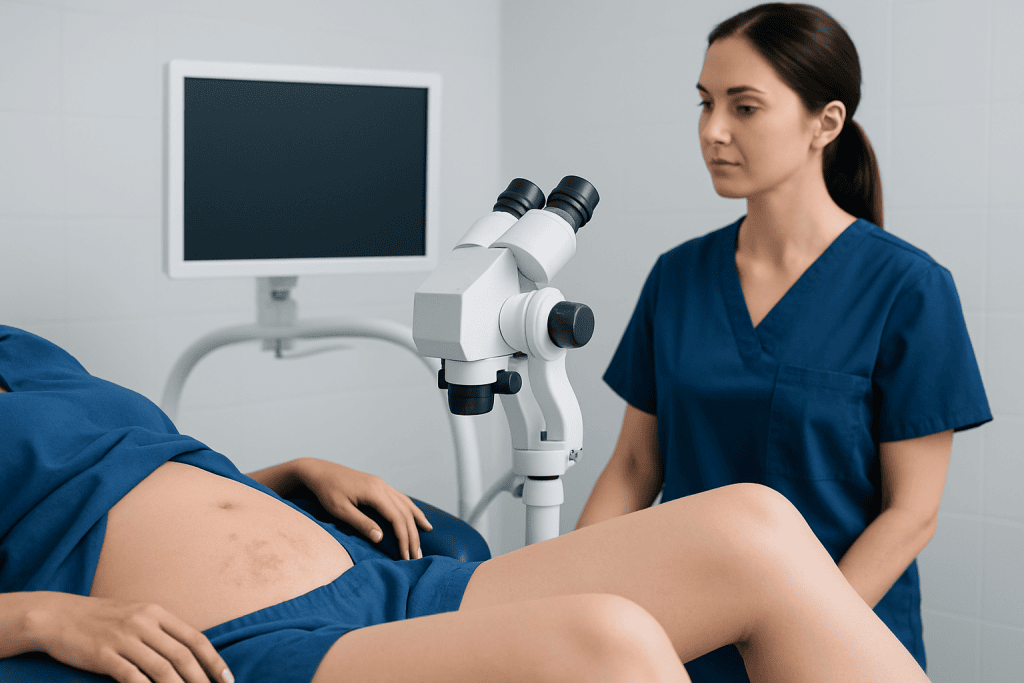
Red bumps can be single or multiple, tiny or larger, smooth or raised. They may be tender, itchy, burning, or painless. Their location and accompanying symptoms can provide useful clues, but they do not confirm a diagnosis. For example, bumps centered around hair follicles after shaving may suggest folliculitis or ingrown hairs, while clusters of painful blisters may require prompt evaluation for herpes.
Other changes may occur at the same time, including swelling, warmth, flaky skin, small whiteheads, pus, cracks in the skin, ulcers, or changes in vaginal discharge. A blocked gland near the vaginal opening may cause a one-sided lump that feels uncomfortable when sitting or walking. This can be related to a Bartholin gland cyst, especially if the lump is near the lower part of one labium.
It can help to note when the bumps began, whether they recur, recent hair removal or product changes, menstrual timing, new medicines, and any sexual exposure. This information can help a clinician narrow down possible causes without relying solely on the appearance of the skin.
Common Causes of Red Bumps on the Vulva
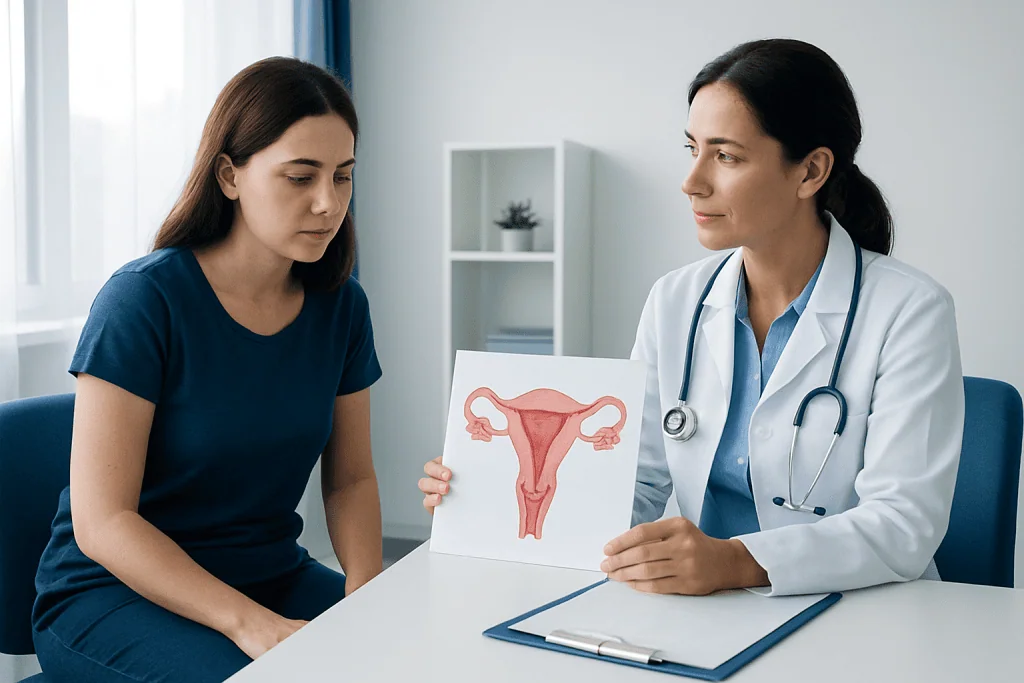
Skin irritation is one of the most common explanations. Friction from tight underwear, pads, exercise clothing, or sexual activity can inflame delicate vulvar skin. Scented soaps, bubble baths, wipes, deodorant sprays, laundry products, and some lubricants may also trigger contact dermatitis. The skin can become red, itchy, tender, or bumpy after exposure to an irritant or allergen.
Hair removal can lead to ingrown hairs and folliculitis, an inflammation or infection of hair follicles. These typically appear as small red bumps or pimple-like spots on hair-bearing skin. They may contain a small amount of pus and can be sore when touched. Sweating, rubbing, and shaving too closely may make folliculitis more likely.
Other possible causes include yeast-related irritation, bacterial skin infections, molluscum contagiosum, genital warts caused by certain strains of human papillomavirus (HPV), and genital herpes. Genital herpes may cause painful blisters that break into shallow sores, although symptoms vary widely. More information about genital herpes can help explain how it is evaluated and managed.
Less commonly, recurrent deep painful nodules in the groin or vulvar area may be associated with hidradenitis suppurativa, an inflammatory condition affecting hair-bearing areas. Persistent skin changes, unexplained ulcers, or a lump that does not heal should always be checked, as these may need further investigation.
How Healthcare Professionals Diagnose the Cause
Diagnosis usually begins with a private discussion about symptoms, medical history, skin-care habits, menstrual history, medications, and sexual health. A clinician may ask whether the bump is painful or itchy, how long it has been present, whether it has changed, and whether there has been a new sexual partner or unprotected sexual contact. These questions are routine and are intended to guide appropriate care.
A visual examination of the external genital area is often enough to identify common irritation, folliculitis, or a cyst. If infection is suspected, the clinician may take a swab from a sore, blister, discharge, or skin lesion. Urine tests, blood tests, or other STI testing may be recommended depending on symptoms and risk factors.
If a lump is unusually firm, changing, recurrent, or not improving, further assessment may include a biopsy or referral to a gynecologist, dermatologist, or sexual health specialist. Testing is not always necessary, but it can provide clarity and support treatment that matches the underlying condition.
Management and Treatment Options
Management depends on the cause. For mild irritation, avoiding the triggering product or activity and allowing the skin to recover may be sufficient. A clinician may recommend a fragrance-free emollient or another suitable topical treatment when inflammation is present. It is best not to apply over-the-counter creams, antiseptics, or steroid products to genital skin without advice, as some products can worsen irritation or mask an infection.
Ingrown hairs and mild folliculitis often improve when shaving or waxing is paused, friction is reduced, and the area is kept clean and dry. More extensive bacterial infections may require prescription treatment. A painful or infected Bartholin gland cyst may need drainage, while an uncomplicated small cyst may simply be monitored by a clinician.
STIs need condition-specific treatment and discussion of partner testing or treatment where appropriate. Antiviral medicines can help manage herpes outbreaks, while genital warts may be treated with topical medicines or in-clinic procedures. If symptoms suggest an infection, timely sexual health and STD assessment can help establish the diagnosis and reduce the chance of passing an infection to others.
For persistent or complex symptoms, gynecological evaluation can help identify the most appropriate next step. Acibadem International’s multidisciplinary specialists and JCI-accredited hospitals diagnose and treat gynecological and sexual health conditions for international patients.
Gentle Self-Care While Waiting for an Appointment
Until the cause is known, gentle care can reduce further irritation. Washing the external genital area with lukewarm water and avoiding fragranced cleansers is often helpful. The vagina cleans itself, so douching or using internal cleansing products is not recommended. Pat the area dry rather than rubbing it.
Loose, breathable cotton underwear and clothing may reduce heat and friction. Changing out of wet swimwear or sweaty exercise clothes soon after activity can also support skin comfort. It may be helpful to avoid shaving, waxing, and sexual contact that causes discomfort until the skin has healed or a clinician has advised that it is safe.
Do not squeeze, pop, pierce, or attempt to drain a bump. This can injure the skin, spread infection, and make diagnosis more difficult. If an STI is possible, avoid sexual contact until medical advice is obtained; condoms can lower the risk of many infections but do not completely prevent skin-to-skin transmission of all STIs.
When to Seek Medical Care
Medical care is recommended for any new genital bump that is painful, blistered, ulcerated, rapidly enlarging, draining pus, or present for more than one to two weeks. Assessment is also important when bumps are recurrent, occur after a new sexual exposure, or are accompanied by unusual vaginal discharge, burning with urination, pelvic pain, fever, or swollen glands in the groin.
Urgent medical advice is appropriate if there is severe pain, rapidly spreading redness or swelling, fever, difficulty urinating, or a large tender lump near the vaginal opening. These symptoms can indicate an abscess or another infection that may need prompt treatment.
People who are pregnant, have diabetes, use immune-suppressing medicines, or have a weakened immune system should seek advice sooner for genital skin changes. Early evaluation is generally the most reassuring way to identify the cause and receive suitable treatment.
Frequently asked questions
Are red vaginal bumps always caused by an STI?
No. Many red bumps are caused by shaving, ingrown hairs, friction, sweat, blocked glands, or reactions to personal-care products. However, some STIs can cause bumps, blisters, sores, or growths, so testing may be appropriate when there has been possible exposure or symptoms are concerning.
Can shaving cause red bumps around the vagina?
Yes. Shaving can irritate the skin, cause razor bumps, or lead to ingrown hairs and folliculitis in hair-bearing areas of the vulva. Pausing hair removal and avoiding friction can help the skin recover, but worsening pain, pus, or spreading redness should be assessed.
What is the difference between a vaginal bump and a vulvar bump?
Most visible bumps described as vaginal bumps are actually on the vulva, the external genital area. The vagina is inside the body, while the vulva includes the labia, clitoris, and tissue surrounding the vaginal opening. This distinction can help clinicians identify where symptoms are occurring.
Should a red bump be squeezed or popped?
No. Squeezing or popping a genital bump can increase inflammation, introduce bacteria, spread infection, and delay healing. It is safer to leave the area alone and seek medical advice if the bump is painful, persistent, or changing.
How long do irritation-related red bumps last?
Mild bumps caused by friction or hair removal may improve within several days after the trigger is avoided. If they do not improve within one to two weeks, recur often, or develop pain, blisters, discharge, or pus, a healthcare professional should examine them.
Can a yeast infection cause red bumps?
A yeast infection can cause redness, swelling, itching, and small irritated areas of skin, sometimes with thick white discharge. These symptoms overlap with other conditions, so a clinician may need to confirm the cause before treatment, especially if symptoms are new or repeated.
References
- American College of Obstetricians and Gynecologists
- Centers for Disease Control and Prevention
- National Health Service
- World Health Organization
- American Academy of Dermatology
This article is for general information only and is not a substitute for professional medical advice. Please consult a qualified doctor about your individual situation.
Hair transplant in Turkey — costs, graft counts & a free assessment
JCI-accredited · board-certified surgeons · reply within 24h
Add us as a Preferred Source to see more of our trusted health content across Google Search, AI Overviews and Discover.