Vajacial: An Evidence-Based Guide for Patients
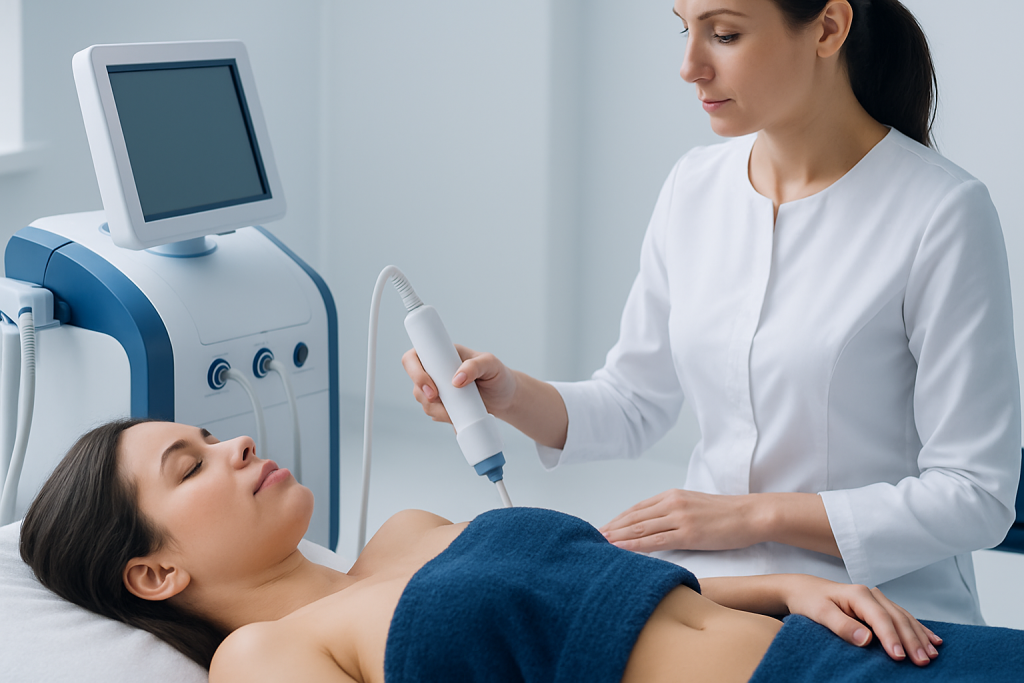
A vajacial is for external skin only and should never involve products inside the vagina. Potential benefits include softer skin and fewer visible ingrown hairs after shaving or waxing.
Key Takeaways
- A vajacial is for external skin only and should never involve products inside the vagina.
- Potential benefits include softer skin and fewer visible ingrown hairs after shaving or waxing.
- Main risks include irritation, burns, allergic reactions, and infection, especially after recent hair removal.
- People with eczema, active rashes, cuts, or suspected infection should avoid the treatment until assessed by a clinician.
- Gentle skin care and proper hair-removal technique often provide similar benefits with lower risk.
A vajacial is a cosmetic skin treatment performed on the outer bikini area or vulva-adjacent skin after hair removal; it does not treat the internal vagina. It may help some people with ingrown hairs or uneven skin texture, but it can also cause irritation, allergic reactions, or infection if done too aggressively or on sensitive skin.
Overview: What a vajacial is and what it is not
A vajacial is a cosmetic skin treatment for the external genital region, usually the bikini line, mons pubis, and nearby hair-bearing skin after shaving, waxing, or laser hair removal. It typically includes cleansing, light exfoliation, extraction of ingrown hairs, soothing masks, and moisturizers. Although the name suggests otherwise, a vajacial is not a treatment for the vagina itself.
This distinction matters because the vagina is self-cleaning and has a delicate chemical balance. Fragrances, scrubs, acids, steaming, and oils inside or too close to the vaginal opening can disrupt normal tissue and increase irritation. In medical terms, most concerns people hope to address with a vajacial involve the skin of the vulva or bikini area rather than the internal vagina.
From a patient-education perspective, a vajacial should be viewed as an optional grooming-related skin service, not a medical necessity. It may be appealing for people who develop razor bumps or trapped hairs, but the expected results are modest and temporary. Anyone with ongoing symptoms such as itching, discharge, pain, or recurrent bumps should be evaluated for an underlying condition rather than relying on spa treatments alone.
Why people consider a vajacial
People usually seek a vajacial to improve the look and feel of the bikini area after hair removal. Common goals include reducing visible ingrown hairs, calming post-wax or post-shave bumps, smoothing rough texture, and making the skin feel more hydrated. Some services also market brightening or evening of skin tone, although this should be approached cautiously because stronger active ingredients can irritate sensitive skin.
For some individuals, the appeal is similar to a facial for the body: a focused routine for a small area that tends to experience friction, sweating, and repeated hair removal. If performed gently on healthy skin with fragrance-free products, a simple version may temporarily soften skin and reduce buildup around hairs.
However, patients should keep expectations realistic. A vajacial does not prevent all future ingrown hairs, does not treat infections, and does not improve vaginal health. Persistent discoloration, painful lumps, widespread bumps, or recurrent flare-ups may point to a skin disorder such as hidradenitis suppurativa or a condition that needs medical diagnosis rather than cosmetic care.
Possible benefits and the evidence behind them

There is limited direct medical research on vajacials as a branded spa service. Most potential benefits are inferred from basic skin-care principles used on other body areas. Gentle cleansing can remove sweat and residue, mild exfoliation can reduce surface buildup, and careful release of visible ingrown hairs may improve comfort and appearance in selected cases.
That said, the evidence is stronger for conservative home skin care than for intensive salon procedures in intimate areas. Dermatologists generally support simple measures such as avoiding overly close shaving, using clean tools, wearing breathable clothing, and using bland moisturizers. These steps often help with shaving-related irritation while carrying fewer risks than strong peels, steam, aggressive extraction, or fragranced masks.
Some people who are prone to recurrent razor bumps may benefit more from addressing the hair-removal method itself. For example, longer-term reduction with laser hair removal may decrease the cycle of repeated trauma that leads to ingrown hairs. When dark spots, scars, or repeated inflammation are the main concern, consultation with a dermatologist or gynecologist is more appropriate than repeated cosmetic treatments.
Risks, side effects, and who should avoid it
The main risks of a vajacial are irritation and damage to very sensitive skin. Freshly shaved or waxed skin already has tiny micro-injuries, making it more vulnerable to stinging, redness, burning, contact dermatitis, and secondary infection. If extractions are forceful or tools are not properly cleaned, bacteria can enter the skin and cause folliculitis or more significant infection.
Certain ingredients deserve extra caution in the vulvar area, including fragrances, essential oils, harsh physical scrubs, strong acids, bleaching agents, and retinoids. Heat-based steps such as steaming may feel soothing but can worsen swelling or sensitivity. Patients should also be careful with any treatment marketed for “tightening,” “detox,” or “feminine hygiene,” as these claims are not signs of medical benefit.
A vajacial is best avoided if there are open cuts, active razor burn, sunburn, recent waxing, active acne-like pustules, cold sores in the genital area, unexplained sores, or symptoms of infection. People with eczema, psoriasis, very sensitive skin, diabetes with poor wound healing, or a history of allergic reactions to cosmetics should be especially cautious. If there is itching, unusual discharge, odor, pain with urination, or pelvic pain, evaluation for vaginitis or another medical condition is more important than a cosmetic procedure.
- Avoid treatment on broken, bleeding, or newly waxed skin.
- Do not allow any product or instrument inside the vagina.
- Ask for fragrance-free, gentle products if the skin is easily irritated.
- Stop immediately if there is burning, severe pain, or swelling.
How to choose a safer approach
For patients who still wish to try a vajacial, safety depends largely on timing, technique, and provider hygiene. It is generally safer to wait until the skin has settled after hair removal rather than treating it immediately afterward. The provider should use clean hands or gloves, single-use or properly sterilized tools, and products designed for sensitive external skin.
Before booking, it helps to ask exactly what the service includes. A simpler treatment is usually safer than a more aggressive one. Gentle cleansing, a mild non-fragranced mask, and a soothing moisturizer are lower risk than peels, intense scrubbing, extractions of multiple ingrown hairs, or brightening agents. Any provider should be willing to avoid ingredients that have caused reactions in the past.
If recurring ingrown hairs are the main problem, patients may want to discuss alternatives with a specialist instead of repeating spa treatments. Depending on the skin type and hair pattern, options may include adjustment of shaving technique, treatment of inflamed follicles, or dermatology evaluation for conditions that mimic simple razor bumps. In more complex cases involving abscesses, tunnels, or scarring, formal medical care is important.
Prevention and self-care for the bikini area
Many common concerns that lead people to seek a vajacial can be improved with consistent, gentle self-care. The key principles are to minimize friction, reduce irritation from hair removal, and protect the skin barrier. Unscented products are usually the safest choice because the vulvar area is more reactive than the skin on the arms or legs.
Helpful habits include trimming instead of very close shaving when possible, shaving in the direction of hair growth, using a clean sharp razor, and avoiding repeated passes over the same spot. After washing, the area should be patted dry rather than rubbed. A bland moisturizer can help reduce dryness and friction, especially in people who exercise frequently or wear tighter clothing.
To lower the chance of ingrown hairs and bumps, patients can also consider looser breathable underwear, changing out of sweaty clothes promptly, and avoiding heavy fragranced products. If hyperpigmentation or repeated bumps remain a concern, a clinician may recommend targeted treatments or procedures such as chemical peel in carefully selected non-mucosal areas under professional guidance. Strong home remedies should not be applied to the vulva.
- Use fragrance-free cleansers and moisturizers.
- Avoid douching, internal cleansing, or placing products inside the vagina.
- Replace razors regularly and never share them.
- Pause hair removal if the skin becomes inflamed or infected.
When to seek medical care
Medical assessment is appropriate if the bikini or vulvar area becomes very painful, swollen, warm, or increasingly red after a vajacial or after hair removal. Pus, spreading rash, fever, painful lumps, or skin breakdown can suggest infection or another condition that needs treatment. A person should also seek care if symptoms do not improve within a few days or keep returning.
Professional evaluation is especially important when symptoms are not limited to the skin surface. Vaginal discharge, a strong or unusual odor, bleeding not related to menstruation, sores, painful urination, or pelvic pain are not expected effects of a cosmetic skin treatment. These symptoms should not be self-treated with scrubs, masks, or over-the-counter “feminine” products.
For persistent or unclear symptoms, care may involve gynecology, dermatology, or both. Near the end of the care journey, patients may appreciate coordinated support: Acibadem International’s multidisciplinary specialists and JCI-accredited hospitals diagnose and treat skin and women’s health concerns for international patients. The goal is not simply cosmetic improvement, but accurate diagnosis, safe treatment, and prevention of recurrence.
Frequently asked questions
Is a vajacial the same as a vaginal treatment?
No. A vajacial is meant for the external skin of the bikini area and vulva-adjacent hair-bearing skin, not the internal vagina. Products and procedures should never be placed inside the vagina.
Can a vajacial help ingrown hairs?
It may help some people by softening the skin and gently addressing trapped hairs on the surface. However, results are usually temporary, and aggressive extraction can make irritation or infection worse.
Is a vajacial safe after shaving or waxing?
Freshly shaved or waxed skin is often more sensitive and prone to irritation. It is usually better to wait until redness and tenderness have settled before considering any exfoliating or cosmetic treatment.
Who should avoid a vajacial?
Anyone with cuts, burns, active rash, infection, painful bumps, or unexplained sores should avoid it until examined by a clinician. People with eczema, psoriasis, strong product sensitivities, or recurrent folliculitis should also be cautious.
What is a safer alternative if the goal is fewer razor bumps?
Gentle skin care, improved shaving technique, and reducing friction are often the first steps. For ongoing problems, a dermatologist may suggest medical treatment or longer-term hair reduction methods such as laser hair removal.
Can a vajacial treat odor, discharge, or itching?
No. Those symptoms can be caused by infections, irritation, or other gynecologic conditions and should not be managed with cosmetic treatments alone. A qualified doctor can identify the cause and recommend proper treatment.
This article is for general information only and is not a substitute for professional medical advice. Please consult a qualified doctor about your individual situation.
Hair transplant in Turkey — costs, graft counts & a free assessment
JCI-accredited · board-certified surgeons · reply within 24h
Add us as a Preferred Source to see more of our trusted health content across Google Search, AI Overviews and Discover.

More from the Health Library

Blood When Blowing Nose: A Complete Medical Overview

Atopy: A Complete Medical Overview

Measles: An Evidence-Based Guide for Patients

Subclavian Artery — Explained by Medical Evidence, Not Myths

Cholestasis: An Evidence-Based Guide for Patients