Variceal Bleeding Treatment: How It Works, Results and What to Expect

Vomiting blood or passing black, tarry stools can indicate variceal bleeding and needs emergency medical assessment. Endoscopic band ligation is a common procedure that places small bands around bleeding esophageal varices.
Key Takeaways
- Vomiting blood or passing black, tarry stools can indicate variceal bleeding and needs emergency medical assessment.
- Endoscopic band ligation is a common procedure that places small bands around bleeding esophageal varices.
- Medicines, infection prevention, blood support when needed, and endoscopic treatment are often used together during acute care.
- People who have had variceal bleeding need ongoing prevention because the underlying portal hypertension may persist.
- Treating liver disease and avoiding alcohol when advised are important parts of long-term care.
Variceal bleeding treatment is emergency care for bleeding from enlarged veins, usually in the esophagus or stomach, caused by increased pressure in the liver’s blood circulation. Treatment commonly combines resuscitation, medicines that lower portal pressure, endoscopic banding or injection therapy, and follow-up care to reduce the chance of another bleed.
Overview: how variceal bleeding treatment works
Variceal bleeding treatment aims to rapidly control bleeding from enlarged, fragile veins called varices. These veins most often develop in the lower esophagus, the tube connecting the mouth to the stomach, but can also occur in the stomach. The condition is usually related to portal hypertension, meaning increased pressure in the vein system that carries blood from the digestive organs to the liver.
Acute bleeding is treated in hospital because blood loss can become serious quickly. Care typically includes stabilizing circulation, giving medicines that reduce pressure in the portal vein, preventing infection, and performing urgent endoscopy to find and treat the bleeding source. For esophageal varices, endoscopic band ligation is commonly used: small elastic bands are placed around the enlarged veins to stop blood flow through them.
The immediate goal is to stop the current bleed. The longer-term goal is to lower the risk of bleeding again by managing portal hypertension, monitoring for recurrent varices, and treating the liver condition responsible whenever possible.
Who may need treatment and how clinicians assess candidacy
Anyone with suspected variceal bleeding needs urgent assessment. Warning signs include vomiting fresh red blood or dark material resembling coffee grounds, black tarry stools, light-headedness, fainting, unusual weakness, confusion, or a rapid heartbeat. Some people with advanced liver disease may have less obvious symptoms, so any possible gastrointestinal bleeding should be evaluated promptly.
Varices are particularly associated with cirrhosis, in which liver scarring disrupts normal blood flow. They may also result from blood clots or other blockages affecting the portal vein, and less commonly from certain heart or liver conditions. Not every person with varices will bleed, but larger varices and those with visible high-risk features may require preventive treatment.
Clinicians consider blood pressure, blood tests, liver and kidney function, medication use, the suspected source and severity of bleeding, and other medical conditions. Endoscopy is used both to confirm the diagnosis and, in many cases, to provide treatment. A gastroenterologist, hepatologist, anesthesiology team, interventional radiologist, and critical care specialists may all be involved depending on the situation.
Step by step: what happens during emergency treatment

On arrival, the team first focuses on airway protection, breathing, circulation, and intravenous access. Blood tests help assess anemia, clotting, liver function, kidney function, and blood type. Fluids and blood products may be given when clinically needed, with careful monitoring to avoid raising portal pressure unnecessarily.
Medicines that constrict blood vessels in the digestive system and lower portal blood flow are usually started early when variceal bleeding is suspected. Antibiotics are also commonly given to people with cirrhosis and gastrointestinal bleeding because infections can occur more easily and may worsen outcomes. The exact medicines depend on the person’s health, allergies, local protocols, and clinician judgment.
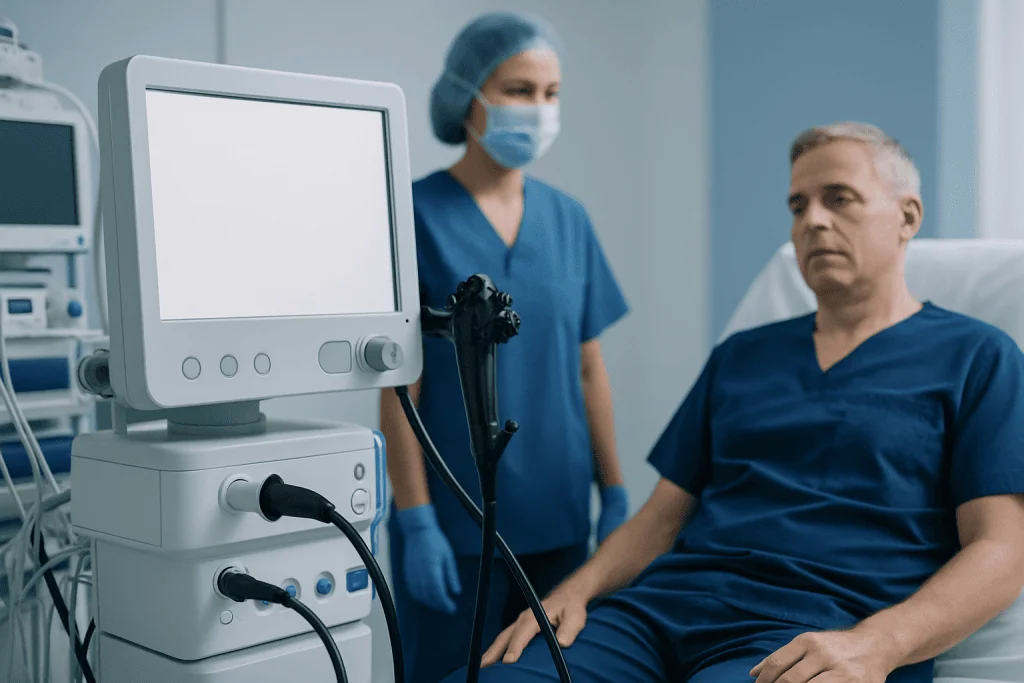
Upper endoscopy is generally arranged urgently after stabilization. A flexible camera is passed through the mouth while the patient receives sedation or anesthesia. If esophageal varices are identified, the specialist may perform band ligation by applying tiny rubber bands to the varices. The bands block blood flow, causing the treated vein to shrink and form a small healing ulcer over the following days.
If banding is not suitable or does not control bleeding, other endoscopic approaches may be used. For bleeding stomach varices, specialists may use injection therapies, including tissue adhesive in experienced centers. Persistent or recurrent bleeding may require a radiology-guided procedure called TIPS, which creates a channel within the liver to reduce portal pressure, or, rarely, surgery.
Benefits, risks, and recovery timeline
The principal benefit of variceal bleeding treatment is rapid bleeding control and prevention of shock and related complications. Endoscopic therapy can directly address the bleeding varix, while medicines and later preventive treatment address the high pressure that allowed varices to form. Follow-up endoscopies and prescribed portal-pressure-lowering medicines can substantially reduce the likelihood of future bleeding for many people.
All emergency and endoscopic treatments have potential risks. Endoscopy and sedation can rarely cause breathing or heart-related complications, aspiration, reactions to medicines, or injury to the digestive tract. After band ligation, temporary chest discomfort, trouble swallowing, nausea, or a sore throat can occur. The small ulcers left after bands detach usually heal, but bleeding from an ulcer is an uncommon complication.
Recovery depends on the amount of blood loss, liver function, whether complications develop, and the treatment required. A person may remain in hospital for monitoring for several days after an acute bleed. Once stable, they may gradually resume eating as advised by the team, often beginning with liquids or soft foods after the procedure if swallowing is uncomfortable.
Follow-up endoscopy is commonly planned at intervals to treat remaining esophageal varices until they are eradicated or reduced. Ongoing care also includes surveillance and management of cirrhosis-related concerns such as fluid buildup, confusion from hepatic encephalopathy, infections, and nutrition. The care team will provide individualized instructions before discharge.
What stage of liver disease is varices?
Varices usually indicate clinically significant portal hypertension, often occurring when cirrhosis has progressed beyond its earlier compensated stage. In compensated cirrhosis, the liver is scarred but major complications may not yet have occurred. The development of varices signals that blood flow through the liver has become sufficiently restricted to create alternate, enlarged veins.
However, varices do not define a single identical “stage” for every person. Their significance depends on the underlying cause of portal hypertension, the size and appearance of the varices, liver function, and whether complications such as bleeding, abdominal fluid buildup, or confusion have occurred. Bleeding from varices is generally considered a decompensating event in cirrhosis and requires specialist follow-up.
Some people develop portal hypertension without cirrhosis, including from portal vein thrombosis or other vascular conditions. A hepatology assessment can clarify the cause and help guide monitoring, prevention, and treatment.
What is the life expectancy after esophageal varices banding?
Esophageal varices banding is a procedure to control or prevent bleeding; it does not by itself determine life expectancy. Outlook after banding depends primarily on the severity and cause of liver disease, the degree of portal hypertension, whether bleeding is controlled, liver and kidney function, infection risk, alcohol use where relevant, and access to ongoing preventive care.
Banding can be highly effective at treating esophageal varices and is usually repeated as needed. Even after successful treatment, varices can return because portal hypertension may remain. This is why clinicians commonly recommend follow-up endoscopy and, for many people, medicines that lower portal pressure unless these are unsuitable.
A person’s medical team can provide the most meaningful outlook using their liver disease assessment, response to treatment, and overall health. Discussing transplant evaluation may be appropriate for some people with advanced or repeatedly decompensated liver disease, but this decision is individualized.
How long does it take for esophageal varices to develop?
Esophageal varices typically develop gradually as portal pressure rises, often over months to years in chronic liver disease. The exact timing cannot be predicted because it varies with the cause of liver injury, the rate at which scarring progresses, ongoing alcohol exposure when relevant, viral hepatitis control, metabolic health, and other individual factors.
They can develop more quickly when portal blood flow is suddenly blocked, such as with certain portal vein clots, but this is less common than the gradual pattern seen in cirrhosis. Varices often cause no symptoms until they bleed, which is why people with cirrhosis may be advised to have screening endoscopy or noninvasive portal-hypertension assessment at intervals recommended by their clinician.
Managing the underlying liver condition can slow progression and reduce complications. People should not wait for symptoms before attending recommended liver follow-up visits.
Do esophageal varices ever heal?
Treated esophageal varices can shrink, scar, and no longer be visible after successful band ligation. This is often described as eradication. However, varices may recur because the underlying portal hypertension can continue, so eradication does not necessarily mean the condition has been permanently cured.
Varices may improve if portal pressure falls because the underlying cause is successfully treated. For example, treatment of a reversible liver problem or a vascular obstruction may help in selected cases. In established cirrhosis, scarring and portal hypertension may persist even with excellent medical care, making ongoing surveillance important.
People should take prescribed medicines as directed, attend repeat endoscopy appointments, and discuss liver-protective measures with their clinician. These may include avoiding alcohol, reviewing medicines and supplements for liver safety, maintaining adequate nutrition, and receiving recommended vaccinations.
When to seek medical care
Emergency medical care is needed immediately for vomiting blood, coffee-ground vomit, black tarry stools, rectal bleeding with weakness, fainting, severe dizziness, confusion, shortness of breath, or signs of shock such as cold clammy skin. A person with known liver disease should not drive themselves if they may be bleeding; emergency services or urgent local assistance should be contacted.
People with cirrhosis or known varices should also contact their doctor promptly for new swallowing difficulty, persistent upper abdominal discomfort, worsening abdominal swelling, yellowing of the skin or eyes, increasing sleepiness or confusion, fever, or unexplained fatigue. These symptoms do not always mean variceal bleeding, but they can indicate complications that need assessment.
Acibadem International’s multidisciplinary specialists and JCI-accredited hospitals diagnose and treat liver and gastrointestinal conditions for international patients. A qualified healthcare professional can explain the most appropriate emergency plan, endoscopic follow-up schedule, and long-term approach for each individual.
Frequently asked questions
Is variceal bleeding treatment an emergency?
Yes. Suspected variceal bleeding is a medical emergency because blood loss can become severe and because underlying liver disease may increase complications. Hospital treatment focuses on stabilization, medication, urgent endoscopy, and prevention of recurrent bleeding.
What is esophageal varices banding?
Esophageal varices banding, also called endoscopic variceal ligation, uses a flexible endoscope to place small elastic bands around enlarged veins in the esophagus. The bands stop blood flow in the treated vein, which then shrinks and heals over time.
Can variceal bleeding happen again after successful treatment?
Yes. Varices can recur or new varices can form if portal hypertension continues. Follow-up endoscopy and preventive medicines, when appropriate, are important for lowering the chance of another bleed.
Can medicines alone treat bleeding esophageal varices?
Medicines are an important part of emergency treatment because they lower portal blood flow and pressure. However, active esophageal variceal bleeding is commonly treated with urgent endoscopic therapy as well, particularly band ligation.
What should someone eat after esophageal varices banding?
The medical team may recommend liquids or soft foods for a short period, particularly if the throat or chest feels uncomfortable after the procedure. Specific dietary advice depends on the person’s recovery, liver health, and any swallowing symptoms.
Does stopping alcohol help esophageal varices?
For people whose liver disease is related to alcohol, stopping alcohol is an important part of preventing further liver damage and reducing complications. It does not replace emergency treatment or follow-up for varices, and support for alcohol cessation should be discussed with a healthcare professional.
References
- American Association for the Study of Liver Diseases
- Baveno Consensus Workshop
- European Association for the Study of the Liver
- National Institute of Diabetes and Digestive and Kidney Diseases
- World Gastroenterology Organisation
This article is for general information only and is not a substitute for professional medical advice. Please consult a qualified doctor about your individual situation.
Persistent digestive symptoms? Get evaluated in Turkey
JCI-accredited · board-certified surgeons · reply within 24h
Add us as a Preferred Source to see more of our trusted health content across Google Search, AI Overviews and Discover.
Check your numbers in seconds
BMI, calories, due date, blood pressure and 30+ more clinical calculators — free, instant, doctor-reviewed ranges.