Vascular Surgery Match Rate: Procedure, Recovery and Results

A vascular surgery match rate applies to residency applicants, whereas surgical success rates apply to individual medical procedures. Vascular surgery includes open, minimally invasive and endovascular treatments for artery and vein conditions.
Key Takeaways
- A vascular surgery match rate applies to residency applicants, whereas surgical success rates apply to individual medical procedures.
- Vascular surgery includes open, minimally invasive and endovascular treatments for artery and vein conditions.
- Recovery can range from days after a catheter-based procedure to weeks or months after major open surgery.
- No single success-rate figure fits all vascular operations because goals and risks differ between procedures and patients.
- Applicants should use current National Resident Matching Program data and seek individualized guidance from medical school advisors.
The vascular surgery match rate describes the proportion of medical graduates who obtain a residency position in vascular surgery; it is not a measure of whether a patient’s operation will succeed. For patients, vascular surgery results and recovery depend mainly on the condition treated, the procedure used, overall health and follow-up care.
Vascular Surgery Match Rate: What It Means
The term vascular surgery match rate most often refers to residency training in the United States. It describes how many applicants secure a position in a vascular surgery training program during a particular Match cycle. It does not describe the chances that a vascular operation will work for a patient.
Vascular surgeons diagnose and treat diseases of blood vessels outside the heart, including arteries, veins and lymphatic vessels. Their work may include preventing stroke from carotid artery narrowing, restoring blood flow to the legs, treating aneurysms, managing dialysis access and addressing certain vein disorders.
For a patient, the more relevant questions are whether treatment is needed, which approach is suitable and what outcome is realistic for the specific condition. These decisions are made after a clinical assessment, imaging review and discussion of personal goals, risks and alternatives.
How Vascular Surgery Works and Who May Need It
Vascular treatment aims to improve blood flow, prevent blood-vessel rupture, reduce symptoms or lower the risk of tissue damage and other complications. Some conditions can be managed with medicines, activity changes and monitoring. Others may require a procedure when symptoms are limiting, blood flow is seriously reduced or the risk of a complication is high.
A person may be referred to a vascular surgeon for peripheral artery disease, an abdominal or thoracic aneurysm, carotid artery disease, deep vein problems, chronic venous insufficiency, non-healing wounds or dialysis-access concerns. Relevant assessment may include medical history, physical examination, blood tests and imaging such as ultrasound, CT angiography or MR angiography.
Candidacy for a procedure is individualized. The specialist considers the vessel involved, anatomy, symptom severity, urgency, kidney and heart health, smoking status, diabetes, medications and the person’s ability to participate in recovery and long-term follow-up.
- Open surgery uses an incision to repair, bypass or remove diseased vessel tissue.
- Endovascular treatment uses thin tubes inserted through a blood vessel, often in the groin or arm, to place balloons, stents or grafts.
- Hybrid treatment combines open and endovascular techniques when this offers the most appropriate route.
What Happens During a Vascular Procedure

The exact steps depend on the diagnosis and treatment plan. Before an elective procedure, the care team reviews imaging, checks current medicines and may advise changes to blood-thinning drugs or diabetes medicines. Patients are also given instructions about eating, drinking, arrival time and the type of anesthesia planned.
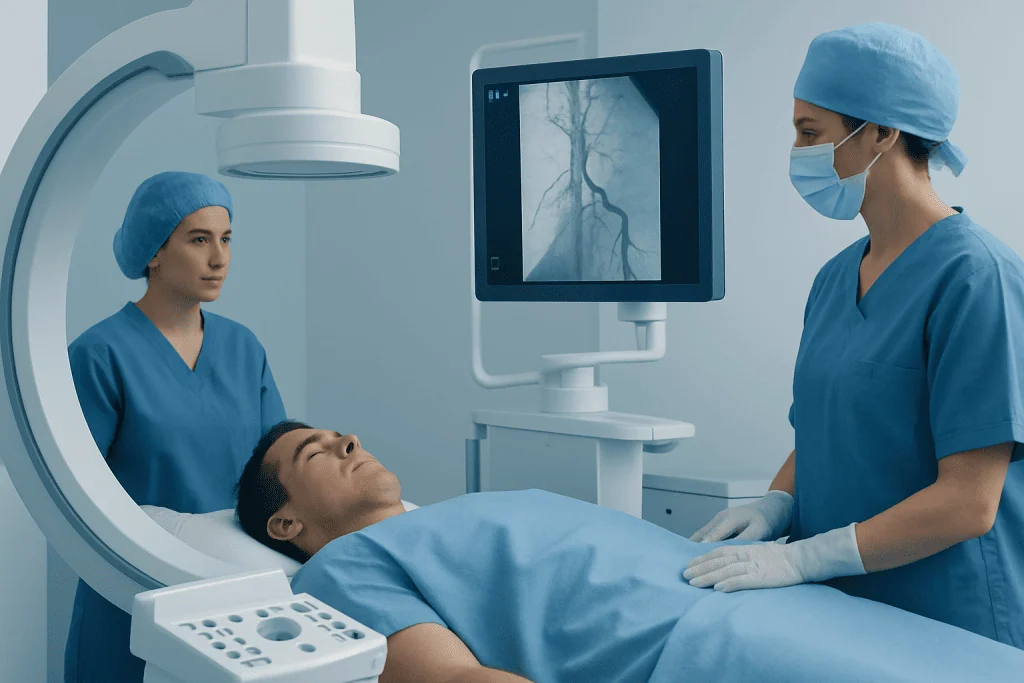
For an endovascular procedure, the surgeon or interventional specialist usually makes a small puncture in an artery or vein, guides catheters using X-ray imaging and treats the narrowed, blocked or weakened area. Depending on the procedure, a balloon may widen a vessel, a stent may help hold it open, or a stent graft may reinforce an aneurysm from inside the vessel.
In open vascular surgery, the surgeon reaches the affected vessel through an incision. They may remove plaque, repair an aneurysm, create a bypass around a blockage or use a graft to restore blood flow. General anesthesia is often used for larger operations, although some procedures may use regional or local anesthesia with sedation.
Afterward, the team monitors circulation, blood pressure, pain control, the access site or incision, and kidney function when contrast dye has been used. The plan also includes medication review, walking when appropriate and follow-up imaging for some repairs.
What Is the Success Rate of Vascular Surgery?
There is no single success rate for vascular surgery because the specialty includes many different operations performed for different reasons. A procedure may be considered successful when it restores blood flow, relieves pain, prevents aneurysm rupture, protects a limb, improves wound healing or reduces the risk of stroke. The relevant outcome should be discussed for the exact procedure being considered.
Results are influenced by the condition’s severity, whether treatment is planned or urgent, the patient’s heart, lung and kidney health, diabetes control, smoking, vessel anatomy and the need for future surveillance. Endovascular options can offer smaller incisions and shorter initial recovery for selected people, while open repair may be more durable or appropriate for others.
Every procedure has potential complications, including bleeding, infection, blood clots, vessel injury, heart or kidney problems, stroke in selected operations, contrast reactions and the need for further treatment. A vascular specialist can explain likely benefits and risks in the context of the patient’s imaging findings and overall health.
How Long Is the Recovery Time for Vascular Surgery?
Recovery time varies substantially with the procedure. Many catheter-based treatments involve a short hospital stay or, in selected cases, discharge the same day. Bruising, tenderness or mild fatigue can occur around the access site, and clinicians commonly advise avoiding heavy lifting or strenuous activity for a short period.
Major open surgery typically requires a longer hospital stay and several weeks of gradual recovery at home. Some people need additional time to rebuild stamina, particularly after aneurysm repair, bypass surgery or treatment performed during an emergency. Incision healing, nutrition, sleep, mobility and management of other health conditions all influence the pace of recovery.
Walking and gentle activity are often encouraged according to the care team’s instructions, as they support circulation and reduce the risk of complications from immobility. Patients should attend follow-up appointments, take prescribed medicines as directed and report new pain, swelling, fever, wound changes, chest symptoms or shortness of breath promptly.
What Is the Average Match Rate for Vascular Surgery Programs?
An average match rate for vascular surgery programs should be interpreted carefully. Rates differ between integrated vascular surgery residency programs, which begin after medical school, and independent pathways entered after general surgery training. They also change from year to year as the number of available positions and the number of applicants change.
Integrated vascular surgery residency is generally viewed as competitive because the number of positions is limited. Rather than relying on one percentage from an older cycle, applicants should review the most recent reports from the National Resident Matching Program and specialty organizations. These reports distinguish applicants, positions, matches and applicant characteristics.
A match outcome is not determined by one score alone. Programs commonly consider clinical performance, letters of recommendation, research and scholarly work, leadership, commitment to vascular surgery, interviewing, professionalism and the fit between an applicant’s goals and the program’s training environment.
What Is the Average Step 2 Score for Vascular Surgery?
There is no fixed or universally published average Step 2 score that guarantees a vascular surgery residency match. Reported score information may be incomplete, based on a particular year or drawn from a subset of applicants, so it should not be treated as a required cutoff.
USMLE Step 2 Clinical Knowledge is one part of a holistic application review. A strong score can support an application, but programs also evaluate the full academic record, clinical evaluations, meaningful mentorship, vascular-related experiences, research or quality-improvement work, letters and interview performance.
Medical students considering vascular surgery can speak with a specialty advisor, program director or trusted mentor about current expectations. They may also use official Match data to understand broad trends while developing a balanced application that reflects their skills, values and career interests.
When to Seek Medical Care
Urgent medical attention is needed for sudden severe pain, coldness, paleness, numbness or weakness in an arm or leg; sudden trouble speaking or facial weakness; chest or back pain; or severe abdominal or back pain, especially when accompanied by dizziness or fainting. These symptoms can have several causes and need prompt assessment.
A non-urgent medical appointment is appropriate for leg pain with walking that improves with rest, persistent leg swelling, visible varicose veins with discomfort, a wound that is slow to heal, skin color changes, recurring calf pain or a known aneurysm that requires surveillance. Early evaluation can help clarify whether vascular disease is involved.
Acibadem International’s multidisciplinary specialists and JCI-accredited hospitals assess and treat vascular conditions for international patients. A qualified vascular team can help patients understand whether monitoring, medication, endovascular treatment or open surgery is appropriate for their individual situation.
Frequently asked questions
Is the vascular surgery match rate the same as a surgery success rate?
No. The vascular surgery match rate concerns medical graduates applying for residency training positions. Surgical success refers to the outcome of a particular operation for a particular patient and depends on the condition treated and other individual factors.
Is vascular surgery always open surgery?
No. Many vascular conditions can be treated with endovascular techniques using catheters, balloons, stents or stent grafts. Some people need open surgery, while others may benefit from a hybrid approach or non-procedural management.
How long will a person stay in hospital after vascular surgery?
Hospital stay depends on the procedure, medical condition and recovery progress. Some minimally invasive procedures require only brief observation, whereas complex open surgery may require several days or longer.
Can vascular surgery prevent amputation?
In some people with severe peripheral artery disease, revascularization can improve blood flow and help protect the limb. However, outcomes depend on the extent of disease, wound severity, infection, diabetes management and overall health.
What should an applicant use to assess vascular surgery residency competitiveness?
Applicants should review the most recent National Resident Matching Program data and discuss their circumstances with medical school advisors and vascular surgery mentors. Program requirements and applicant pools vary, so no single metric can predict an individual result.
Does a higher Step 2 score guarantee a vascular surgery residency position?
No. Step 2 is only one element of a holistic review. Clinical performance, recommendations, experiences, research, professionalism, interview performance and program fit are also important.
References
- National Resident Matching Program
- Society for Vascular Surgery
- American Heart Association
- National Heart, Lung, and Blood Institute
This article is for general information only and is not a substitute for professional medical advice. Please consult a qualified doctor about your individual situation.
Explore treatments in Turkey — costs, top hospitals & a free quote
JCI-accredited · board-certified surgeons · reply within 24h
Add us as a Preferred Source to see more of our trusted health content across Google Search, AI Overviews and Discover.
Check your numbers in seconds
BMI, calories, due date, blood pressure and 30+ more clinical calculators — free, instant, doctor-reviewed ranges.