

Vasectomy: Candidacy, Procedure Steps, and Recovery Timeline

Vasectomy is a highly effective form of permanent contraception. The procedure blocks the vas deferens so sperm no longer enters semen.
Key Takeaways
- Vasectomy is a highly effective form of permanent contraception.
- The procedure blocks the vas deferens so sperm no longer enters semen.
- Recovery is usually quick, with mild soreness and swelling for a few days.
- Vasectomy does not protect against sexually transmitted infections.
- Semen testing after the procedure is needed before relying on vasectomy alone.
Vasectomy is a minor surgical procedure used for permanent birth control. It works by blocking the tubes that carry sperm, and most people recover within days, though other contraception is still needed until testing confirms success.
Overview: What a Vasectomy Does
Vasectomy is a minor procedure that permanently prevents pregnancy by stopping sperm from mixing with semen. It does this by cutting, sealing, or blocking the vas deferens, the two small tubes that carry sperm from the testicles. After a vasectomy, ejaculation still occurs, but the semen no longer contains sperm capable of causing pregnancy.
For many people, vasectomy is a practical option when they feel certain they do not want future biological children. It is considered a permanent method of contraception, even though reversal may sometimes be possible. Because reversal is more complex and not always successful, vasectomy is best approached as a long-term decision.
A vasectomy does not affect testosterone levels, sexual desire, erections, orgasm, or the ability to ejaculate. It also does not provide protection against sexually transmitted infections, so condoms may still be important depending on a person’s sexual health needs.
Who May Be a Good Candidate
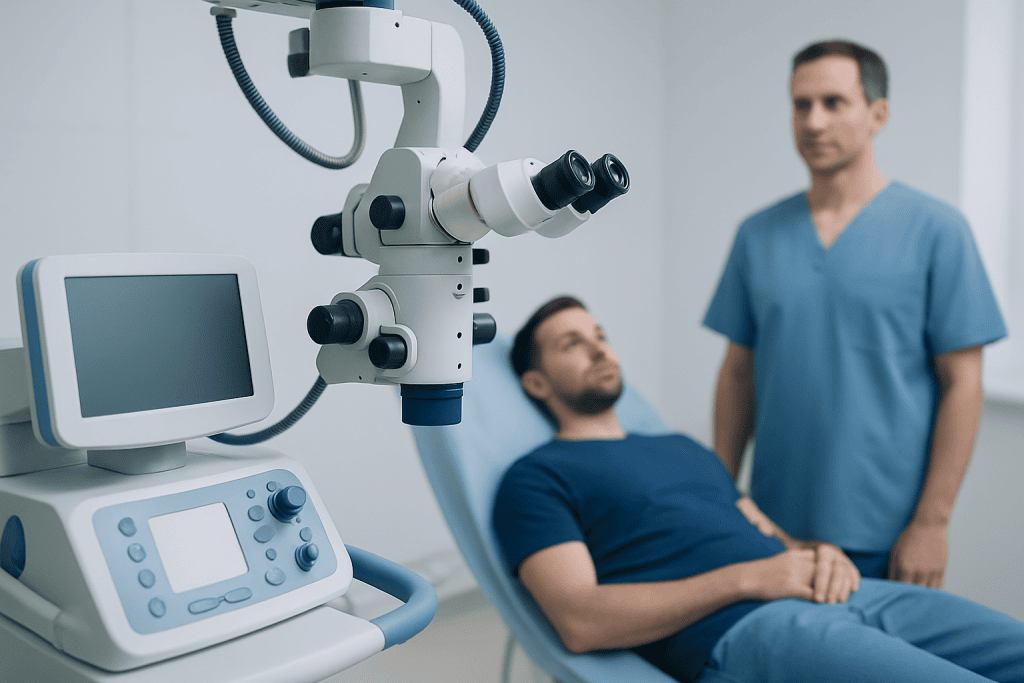
A good candidate for vasectomy is typically an adult who wants reliable permanent contraception and understands that the procedure should be considered irreversible. Some choose it after completing their family, while others decide they do not want children at any point in the future. The most important factor is informed, confident decision-making.
Doctors usually discuss personal goals, relationship factors, and future plans before scheduling the procedure. A person may be advised to take more time if they feel uncertain, are making the decision during a stressful life event, or hope reversal will be easy later. The choice should be voluntary and well considered.
Certain health issues may affect the timing or planning of the procedure. These can include active infections, significant scrotal pain, bleeding disorders, or previous surgery in the area. In some cases, a urologist may recommend further assessment through a men’s health or urology evaluation before proceeding.
How the Procedure Works: Step by Step
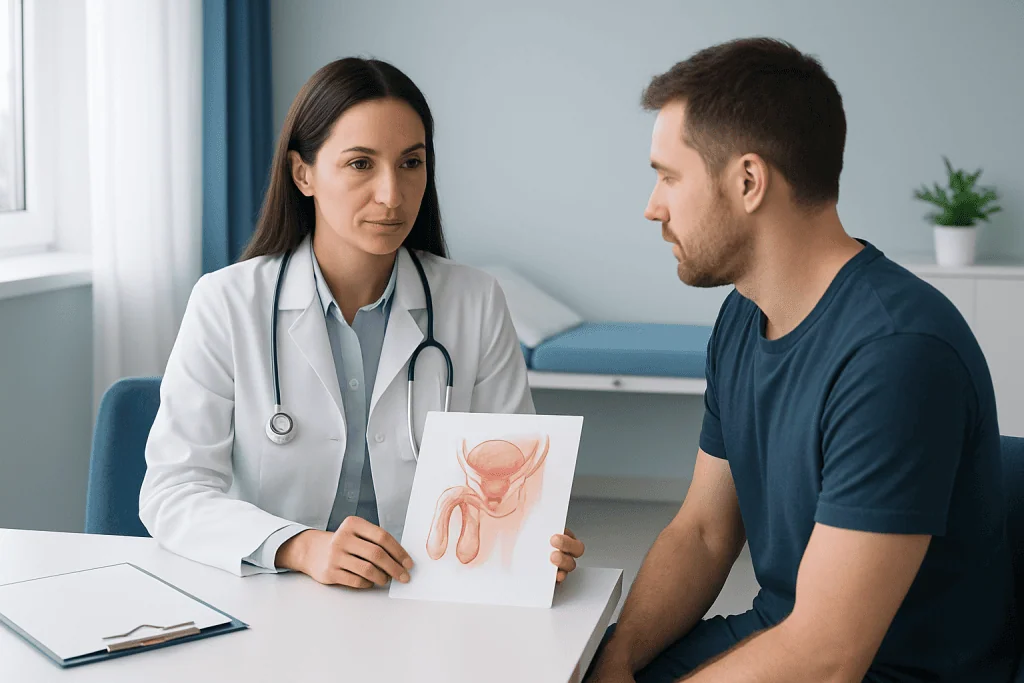
Vasectomy is usually performed in an outpatient setting under local anesthesia. This means the area is numbed, but the patient remains awake. The procedure is relatively brief, and many people return home the same day.
There are two main approaches: conventional vasectomy and no-scalpel vasectomy. In a conventional procedure, the doctor makes one or two small cuts in the scrotum. In a no-scalpel technique, a tiny opening is made to reach the vas deferens. In both methods, each tube is brought into view, then cut and sealed, tied, cauterized, or blocked in another reliable way.
Once both vas deferens have been treated, the opening is closed or allowed to heal naturally, depending on the technique used. The basic steps often include:
- Cleaning and preparing the skin
- Numbing the area with local anesthetic
- Locating each vas deferens
- Cutting and sealing or blocking the tubes
- Applying dressing and aftercare instructions
People considering the procedure may discuss options with specialists experienced in vasectomy treatment. The goal is to use a safe, effective technique while keeping discomfort and recovery time as limited as possible.
What to Expect Afterward and the Recovery Timeline
Most people go home shortly after the procedure and recover without major difficulty. Mild discomfort, bruising, and swelling in the scrotum are common during the first few days. Supportive underwear, rest, and ice packs used as directed can help reduce symptoms.
In general, the first 24 to 48 hours are focused on rest and limiting activity. Light daily movement is usually possible, but strenuous exercise, heavy lifting, and sexual activity are often postponed for about a week or according to the doctor’s advice. Many people feel ready to return to desk-based work within a short time, while physically demanding jobs may require a longer break.
It is important to understand that vasectomy does not work immediately. Sperm can remain in the reproductive tract for some time after the procedure. For that reason, another method of contraception must be used until a follow-up semen analysis confirms that sperm are no longer present or are at an acceptably low level, based on the laboratory standard.
A typical recovery timeline may look like this:
- Days 1-2: Rest, mild soreness, swelling, and use of support garments
- Days 3-7: Gradual improvement; many resume usual light activities
- After 1 week: Many can return to exercise and sexual activity if comfortable and if their doctor agrees
- Weeks to months: Follow-up semen testing to confirm the procedure’s effectiveness
Benefits, Limitations, and Possible Risks
The main benefit of vasectomy is long-term, highly effective contraception without the need for ongoing daily, weekly, or monthly action. It is simpler and less invasive than female sterilization procedures, and it does not interfere with hormone levels. For couples seeking a permanent method, it can reduce the mental burden of pregnancy prevention.
At the same time, vasectomy has clear limitations. It should not be chosen by someone who may want biological children later unless they fully understand the permanent nature of the decision. It also does not prevent sexually transmitted infections, so barrier protection may still be needed.
Possible short-term risks include bleeding, infection, bruising, swelling, and temporary pain. A small number of people may develop longer-lasting discomfort or a sperm granuloma, which is a small lump caused by leakage of sperm from the tube. Rarely, the tubes may reconnect, which can lead to failure of the procedure.
Persistent scrotal pain should be assessed by a doctor, especially if it affects quality of life. In some cases, symptoms may overlap with other scrotal conditions such as varicocele or may require further review by a specialist familiar with andrology care.
Preparation, Follow-Up, and Self-Care
Before the procedure, the doctor usually reviews medical history, medicines, allergies, and any previous surgeries. Patients may receive instructions about hygiene, shaving if needed, arranging transportation, and whether any medicines should be paused. Following these instructions can make the procedure smoother and reduce complications.
After the procedure, careful self-care supports healing. This often includes wearing supportive underwear, keeping the area clean and dry, avoiding intense physical effort for a short period, and taking only the medicines recommended by the care team. If symptoms worsen instead of improving, medical review is important.
Follow-up is a key part of successful vasectomy care. A semen analysis is needed because the procedure cannot be considered fully effective based on time alone. Patients should continue using another form of contraception until their doctor confirms it is safe to rely on the vasectomy.
For international patients who need coordinated evaluation and aftercare, Acibadem International’s multidisciplinary specialists at JCI-accredited hospitals diagnose and treat urologic conditions and provide guidance before and after procedures.
When to Seek Medical Care
Most recovery symptoms are mild and improve steadily. However, medical advice should be sought if there is significant swelling, increasing redness, drainage from the wound, fever, severe pain, or bleeding that does not settle. These symptoms may suggest infection, hematoma, or another complication that needs attention.
It is also sensible to contact a doctor if pain continues for longer than expected, if a lump develops, or if there are concerns about healing. Anyone who resumes sexual activity should remember that pregnancy is still possible until semen testing confirms the vasectomy has worked.
Urgent evaluation is especially important if symptoms are sudden or intense, or if there is concern about another cause of scrotal pain. A clinician may need to rule out other problems, including hydrocele or less common urgent conditions affecting the testicles and surrounding structures.
Frequently asked questions
Is vasectomy permanent?
Vasectomy is intended to be a permanent form of birth control. Although reversal procedures exist, they are more complex and do not always restore fertility, so the decision is best made only when a person feels sure.
How long does it take to recover from a vasectomy?
Most people recover from the initial discomfort within a few days, and many return to light activities quickly. Full comfort with exercise or sexual activity may take about a week, depending on healing and the doctor's advice.
Does vasectomy affect sex drive or sexual performance?
No, vasectomy does not reduce testosterone levels, sexual desire, erections, or orgasm. Ejaculation still occurs, but the semen no longer contains sperm.
When does a vasectomy start working?
A vasectomy does not work immediately after the procedure. Sperm may remain in the reproductive tract for weeks or months, so another form of contraception is needed until semen analysis confirms success.
Is a vasectomy painful?
The procedure is usually done with local anesthesia, so pain during the vasectomy is limited for most people. Mild soreness, swelling, or bruising afterward is common, but these symptoms usually improve with rest and routine aftercare.
Can pregnancy happen after a vasectomy?
Yes, pregnancy can still happen if contraception is stopped too soon or, rarely, if the vas deferens reconnects. That is why follow-up semen testing is an essential part of care.
References
- American Urological Association
- National Health Service
- Urology Care Foundation
- Mayo Clinic
- Centers for Disease Control and Prevention
This article is for general information only and is not a substitute for professional medical advice. Please consult a qualified doctor about your individual situation.
Vasectomy in Turkey — costs, top hospitals & a free quote
JCI-accredited · board-certified surgeons · reply within 24h
Add us as a Preferred Source to see more of our trusted health content across Google Search, AI Overviews and Discover.

More from the Health Library



Related Specialists

Dt. Deniz Selin Kahya
Oral & Dental Health
Dt. Ahmet Ziya Yazgan
Oral & Dental Health
Dr. Sinem Bostan Kayaoğlu
Gynecology & Obstetrics
Prof. Dr. Sezgin Sarban
Orthopedic Surgery & Traumatology