Vasospasm: An Evidence-Based Guide for Patients

Vasospasm means a blood vessel suddenly narrows because the vessel wall tightens. Symptoms depend on where it happens, such as the brain, heart, fingers, or toes.
Key Takeaways
- Vasospasm means a blood vessel suddenly narrows because the vessel wall tightens.
- Symptoms depend on where it happens, such as the brain, heart, fingers, or toes.
- Cerebral vasospasm can occur after a subarachnoid hemorrhage and needs urgent medical attention.
- Diagnosis often relies on symptoms, imaging, and tests that evaluate blood flow.
- Treatment focuses on restoring blood flow, preventing complications, and treating the underlying cause.
Vasospasm is a temporary tightening of a blood vessel that reduces blood flow to tissues. It can affect different parts of the body, but it is especially important after bleeding around the brain, where fast diagnosis and treatment may help prevent complications.
Overview of vasospasm
Vasospasm is a sudden constriction of a blood vessel. In simple terms, the muscle in the vessel wall tightens more than it should, narrowing the space inside the vessel and reducing blood flow. This can be brief and mild, or it can be more serious if it limits oxygen delivery to important tissues.
The term vasospasm does not describe one single disease. Instead, it describes a process that can happen in different parts of the body. For example, vasospasm may involve arteries in the brain, the coronary arteries that supply the heart, or smaller vessels in the hands and feet. Because of this, symptoms and urgency vary depending on location.
One of the most clinically important forms is cerebral vasospasm, which may develop after bleeding around the brain called a subarachnoid hemorrhage. In this situation, narrowing of brain arteries can reduce blood supply and increase the risk of delayed brain injury. This is why vasospasm is often discussed in neurology and neurosurgery, even though it can also affect other body systems.
For patients, the key point is that vasospasm is treatable, but it should not be ignored when symptoms are significant, sudden, or recurring. Early evaluation helps doctors determine where the spasm is happening, how severe it is, and whether another condition is triggering it.
How vasospasm can affect the body
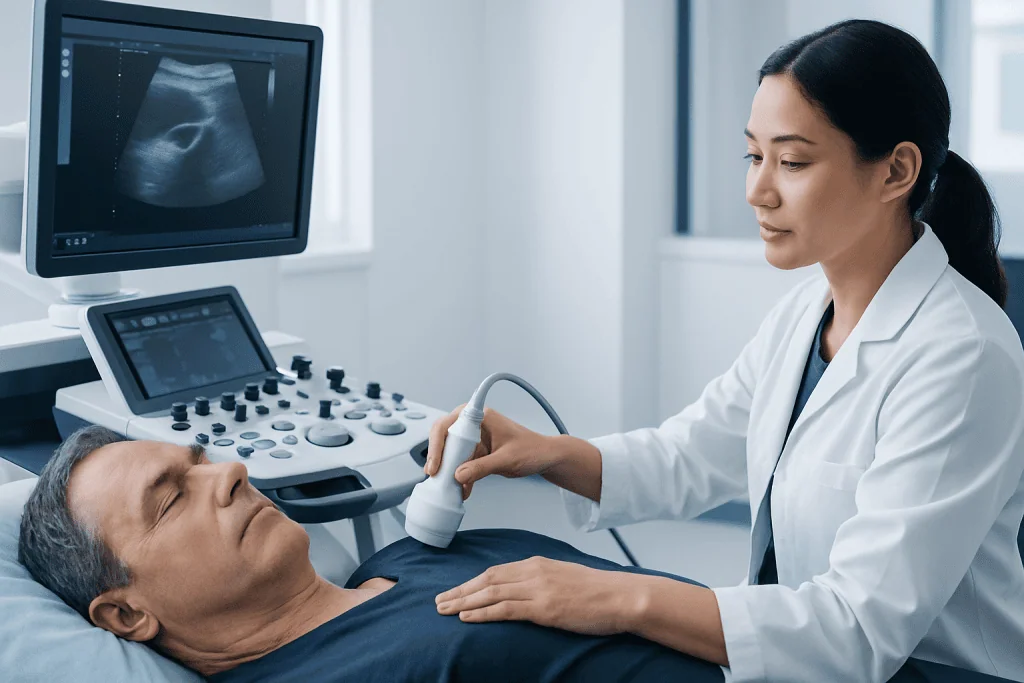
Blood vessels normally widen and narrow to help the body regulate temperature, blood pressure, and oxygen delivery. In vasospasm, this response becomes exaggerated or inappropriate. The vessel narrows enough to reduce circulation beyond what the tissue needs, which may cause pain, color changes, weakness, or neurologic symptoms.
In the brain, vasospasm can lower blood flow to areas that control movement, speech, awareness, or vision. In the heart, coronary artery spasm can cause chest discomfort by temporarily reducing blood flow to heart muscle. In the fingers or toes, spasms of small blood vessels may lead to coldness, numbness, and color changes, especially in response to stress or cold temperatures.
The severity of symptoms depends on three main factors: how much the vessel narrows, how long the narrowing lasts, and whether the affected tissue has other ways to receive blood. A brief spasm in a small vessel may cause only temporary symptoms. A prolonged spasm in a critical artery can become a medical emergency.
Although the word can sound alarming, not every episode of vasospasm leads to lasting harm. Many cases improve with proper treatment of the underlying cause and careful medical follow-up. Still, because reduced blood flow can damage tissue if it is severe or prolonged, patients should take new or unexplained symptoms seriously.
Symptoms of vasospasm

Vasospasm symptoms vary by location. When it affects the brain, symptoms may resemble a stroke or transient ischemic attack. A person may develop sudden weakness, numbness, difficulty speaking, confusion, severe headache, vision changes, or reduced alertness. After a subarachnoid hemorrhage, any new neurologic change can be an important warning sign.
When vasospasm affects coronary arteries, symptoms may include chest pain or pressure, shortness of breath, palpitations, sweating, or discomfort that occurs at rest rather than only with exertion. In the fingers and toes, symptoms often include coldness, tingling, numbness, pain, and skin that turns white, blue, or red during or after exposure to cold.
Some people have short, self-limited episodes, while others notice recurrent attacks. A symptom diary can be useful, especially for episodes affecting the hands, feet, or chest. Noting the timing, triggers, duration, associated symptoms, and what relieved the episode may help a doctor identify the likely cause.
- Brain-related: severe headache, speech trouble, weakness, confusion, vision changes
- Heart-related: chest pain, pressure, breathlessness, palpitations
- Peripheral vessel-related: cold fingers or toes, color change, tingling, numbness, pain
Causes and risk factors
Vasospasm can happen for many reasons, and sometimes more than one factor is involved. In the brain, it is classically associated with blood irritating the arteries after subarachnoid hemorrhage. Doctors may monitor closely for this complication in the days after the bleed, since vasospasm does not always happen immediately.
In other settings, vasospasm may be linked to smoking, exposure to cold, emotional stress, stimulant drugs, certain medications, inflammation, injury to the vessel wall, or underlying vascular disease. Coronary artery spasm may occur in people with or without significant plaque buildup. Peripheral vasospasm may be part of a condition such as Raynaud disease or may occur secondary to another autoimmune or vascular disorder.
Risk factors depend on the site involved but may include a history of hemorrhage around the brain, migraine, smoking, uncontrolled blood pressure, stimulant use, and some connective tissue diseases. In hospital settings, doctors also consider whether recent procedures, severe illness, or changes in blood volume or blood pressure might be contributing factors.
Understanding the cause matters because treatment is most effective when it addresses both the blood vessel spasm and the condition behind it. For example, managing a brain bleed, stopping tobacco exposure, avoiding triggers, or reviewing medications may all be part of a complete care plan.
How doctors diagnose vasospasm
Diagnosis begins with the history and physical examination. A doctor asks what symptoms occurred, how quickly they started, how long they lasted, and whether there were triggers such as cold exposure, stress, exertion, bleeding in the brain, or drug use. The examination focuses on the body system involved, such as the nervous system, heart, or circulation in the limbs.
Tests are chosen based on the suspected location. In cerebral vasospasm, doctors may use neurologic monitoring, CT scans, CT angiography, or catheter angiography to look at the brain’s blood vessels. Transcranial Doppler ultrasound can help monitor blood flow velocities in brain arteries after subarachnoid hemorrhage. For chest pain related to possible coronary spasm, evaluation may include an electrocardiogram, blood tests, and imaging of the heart and coronary arteries.
Doctors also try to distinguish vasospasm from other causes of reduced blood flow. A stroke from a clot, hardening of the arteries, inflammation of blood vessels, or compression from nearby structures may require different treatment. That is why self-diagnosis is not reliable, especially when symptoms are sudden or severe.
If symptoms suggest a significant vascular problem, a specialist may recommend advanced imaging or a procedure such as angiography to better define the vessel narrowing. In selected neurological cases, interventional treatments may be considered alongside intensive monitoring.
Treatment options
Vasospasm treatment depends on the affected organ, the severity of symptoms, and the underlying cause. The main goals are to restore blood flow, prevent tissue damage, and reduce the chance of recurrence. Some patients need monitoring and medication, while others need urgent hospital-based care.
For cerebral vasospasm after subarachnoid hemorrhage, treatment often takes place in a hospital with close neurologic observation. Doctors may use supportive measures to maintain adequate circulation and medications that help lower the risk of vessel narrowing. In some cases, minimally invasive procedures performed through blood vessels may be used to widen affected arteries, including endovascular treatment.
For coronary artery spasm, treatment commonly focuses on medications that relax blood vessels and on avoiding triggers such as smoking or stimulants. For peripheral vasospasm, management may include keeping the body warm, avoiding abrupt temperature changes, reviewing medications, and treating any related autoimmune or vascular disorder. If symptoms suggest a structural blood vessel problem rather than a simple spasm, a broader vascular workup may be needed.
Because the best approach depends on individual risk, patients should not start or stop medicines on their own. A coordinated team may include neurologists, cardiologists, vascular specialists, radiologists, or neurosurgeons. In complex neurovascular cases, procedures such as aneurysm treatment may also be part of care when a ruptured aneurysm is the underlying cause of bleeding that led to vasospasm.
Prevention and self-care
Prevention is not always possible, especially when vasospasm occurs as a complication of bleeding in the brain. However, reducing known triggers and managing cardiovascular health can lower risk in some forms of vasospasm. Stopping smoking, limiting exposure to stimulants, and controlling blood pressure are important practical steps.
For people prone to episodes in the fingers or toes, staying warm can make a meaningful difference. Wearing gloves in cold weather, avoiding sudden temperature changes, and managing stress may reduce attacks. If medications appear to trigger symptoms, a doctor or pharmacist can review whether alternatives are appropriate.
General vascular health also matters. Regular physical activity, a balanced diet, good sleep, and management of conditions such as diabetes or high cholesterol support healthier blood vessels overall. These habits do not replace medical treatment, but they can complement it.
Patients recovering from a brain hemorrhage should follow discharge instructions closely, attend follow-up visits, and report any new neurologic symptoms right away. Near the end of the care journey, some patients and families seek multidisciplinary evaluation; Acibadem International’s specialists at JCI-accredited hospitals diagnose and treat complex neurovascular and vascular conditions for international patients.
When to seek medical care
Medical care is needed urgently if vasospasm symptoms could involve the brain or heart. Emergency evaluation is important for sudden weakness, facial drooping, difficulty speaking, severe headache, confusion, fainting, chest pain, or shortness of breath. These symptoms may reflect vasospasm, but they can also signal a stroke, heart problem, or another serious condition.
Prompt medical advice is also appropriate for recurring color changes in the fingers or toes, repeated episodes of numbness or pain with cold exposure, or unexplained symptoms that keep returning. Even when symptoms pass quickly, recurrent reduced blood flow deserves medical assessment to identify the cause and prevent progression.
Patients who have recently had a subarachnoid hemorrhage, aneurysm treatment, or brain surgery should be especially alert to new neurologic changes. Their care team may recommend immediate reassessment because vasospasm can develop during recovery and may require close monitoring or hospital treatment.
In general, it is safest to seek medical attention when symptoms are new, severe, worsening, or difficult to explain. Early evaluation gives the best chance to confirm the diagnosis, begin proper treatment, and protect the affected organ.
Frequently asked questions
What is vasospasm in simple terms?
Vasospasm is a temporary tightening of a blood vessel that makes the vessel narrower than normal. This reduces blood flow to the area the vessel supplies and can cause symptoms such as pain, numbness, or neurologic changes depending on where it happens.
Is vasospasm dangerous?
It can be, especially if it affects a major artery in the brain or heart or lasts long enough to reduce oxygen delivery. Some episodes are mild and temporary, but sudden or severe symptoms should always be evaluated by a doctor.
What causes cerebral vasospasm?
Cerebral vasospasm most often occurs after bleeding around the brain, especially subarachnoid hemorrhage. Blood products can irritate nearby arteries and trigger narrowing, which is why patients are monitored closely after this type of bleed.
Can vasospasm go away on its own?
Some mild forms, especially in small peripheral vessels, may settle once the trigger is removed, such as warming cold hands. However, repeated, severe, or unexplained episodes should not be assumed harmless because they may point to a more important underlying problem.
How is vasospasm different from a blocked artery?
In vasospasm, the vessel narrows because the muscular wall tightens. In a blocked artery, the narrowing is more often caused by plaque, a blood clot, or another structural problem, although both can reduce blood flow and sometimes produce similar symptoms.
How do doctors treat vasospasm?
Treatment depends on where the vasospasm occurs and what caused it. Doctors may use medications, close monitoring, trigger avoidance, or hospital-based procedures to improve blood flow and treat the underlying condition.
This article is for general information only and is not a substitute for professional medical advice. Please consult a qualified doctor about your individual situation.
Explore treatments in Turkey — costs, top hospitals & a free quote
JCI-accredited · board-certified surgeons · reply within 24h
Add us as a Preferred Source to see more of our trusted health content across Google Search, AI Overviews and Discover.
Check your numbers in seconds
BMI, calories, due date, blood pressure and 30+ more clinical calculators — free, instant, doctor-reviewed ranges.

More from the Health Library

Presyncope: A Complete Medical Overview

Cottage Cheese Benefits — Explained by Medical Evidence, Not Myths

Artificial Insemination: What Patients Need to Know

Buckle Kneed — Explained by Medical Evidence, Not Myths

Pacifier Teeth: What Patients Need to Know