Vhl Disease Treatment: How It Works, Results and What to Expect

Von Hippel-Lindau disease is an inherited condition that can cause tumors and cysts in several organs. Not every VHL-related growth needs immediate treatment; size, location, symptoms and growth rate guide decisions.
Key Takeaways
- Von Hippel-Lindau disease is an inherited condition that can cause tumors and cysts in several organs.
- Not every VHL-related growth needs immediate treatment; size, location, symptoms and growth rate guide decisions.
- Care commonly involves specialists in oncology, neurosurgery, urology, ophthalmology, endocrinology and genetics.
- Surveillance helps identify complications early, often before symptoms develop.
- Targeted medicines and organ-preserving procedures may reduce the need for repeated surgery in selected people.
VHL disease treatment is individualized and may include regular surveillance, surgery, minimally invasive procedures and targeted medication to control tumors while preserving organ function. Because VHL can affect several organs over time, coordinated care and lifelong follow-up are central to treatment.
VHL Disease Treatment: How It Works
VHL disease treatment focuses on finding and managing VHL-related tumors or cysts before they threaten vision, neurological function, hormone balance or organ function. The condition cannot currently be removed from the body because it is caused by a change in the VHL gene. However, structured surveillance and timely treatment can help many people manage its effects over the long term.
Von Hippel-Lindau (VHL) disease can lead to growths in the brain, spinal cord, retina, kidneys, pancreas, adrenal glands and other areas. Some growths are benign, while others, particularly certain kidney tumors, may become cancerous. A treatment plan is therefore based on the specific organ involved rather than on one universal procedure.
Care is often led by a multidisciplinary team. Depending on the findings, this may include a genetic specialist, neurologist or neurosurgeon, ophthalmologist, urologist, kidney specialist, endocrinologist, radiologist and medical oncologist. The goals are to treat important tumors at the right time and to avoid unnecessary procedures whenever safe.
How Doctors Decide Whether Treatment Is Needed
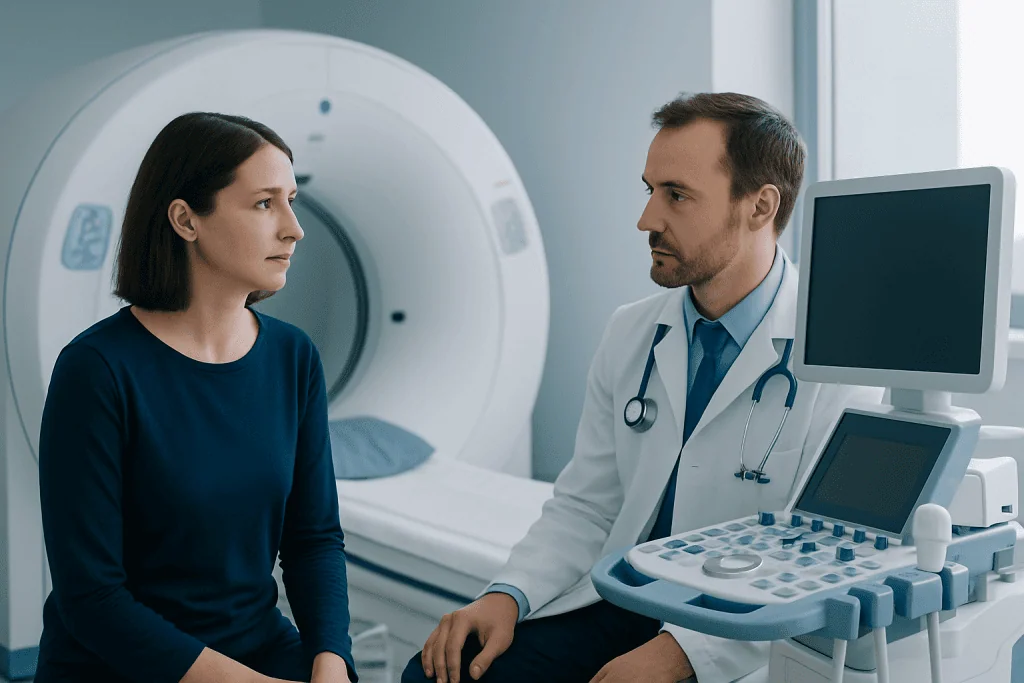
Many VHL-related lesions are monitored first. Doctors consider whether a lesion is causing symptoms, increasing in size, affecting nearby structures or showing features that raise concern for cancer. The person’s age, general health, prior treatments, family history and the number and location of lesions also matter.
For example, a small kidney lesion may be followed with repeat imaging, while a growing lesion may be treated to reduce the risk of spread and preserve kidney tissue. A retinal lesion that threatens sight may need prompt ophthalmic treatment. Brain or spinal lesions may require intervention when they cause symptoms, fluid buildup, bleeding risk or pressure on important nervous-system structures.
Genetic counselling is an important part of care. It helps a person understand inheritance, discuss testing for relatives and consider reproductive options. A confirmed diagnosis can also guide the screening schedule for family members who may be at risk.
- Regular MRI or other imaging may monitor the brain, spine, abdomen and kidneys.
- Eye examinations can identify retinal lesions early.
- Blood and urine tests may help detect hormone-producing adrenal tumors.
- Genetic testing can confirm a VHL gene variant and inform family care.
Treatment Options and the Step-by-Step Care Pathway

The first step is a detailed assessment. This usually includes a review of symptoms and family history, physical examination, genetic evaluation when appropriate, and imaging or specialist tests tailored to the organs involved. The clinical team then explains which lesions require treatment, which can be monitored and how often surveillance should take place.
When a procedure is recommended, the approach depends on the tumor. Surgeons may remove selected brain or spinal hemangioblastomas, kidney tumors or adrenal tumors. For kidney tumors, doctors often aim for nephron-sparing surgery, meaning removal of the tumor while retaining as much healthy kidney tissue as possible. Some selected kidney lesions may be suitable for image-guided ablation, which uses energy to destroy tumor tissue through a needle-based approach.
Eye treatments can include laser therapy or other procedures to control retinal lesions and protect vision. Adrenal tumors called pheochromocytomas are usually managed with careful preoperative preparation, including medicines to control blood pressure when needed, followed by surgery in appropriate cases. Kidney cancer treatment may be relevant when a VHL-related renal tumor requires specialist assessment.
Targeted medicine may be considered for selected adults with VHL-associated tumors that need treatment but do not require immediate surgery. One example is a HIF-2 alpha inhibitor, which works by blocking part of a pathway made overactive by VHL gene changes. It may shrink or slow certain tumors in some patients, but it requires specialist monitoring for side effects and is not suitable for everyone.
Benefits, Risks and Recovery Timeline
The potential benefit of VHL disease treatment is prevention or reduction of organ damage. Timely care may relieve symptoms, protect vision, reduce pressure on the brain or spinal cord, preserve kidney function and address tumors before they become more difficult to treat. For many people, surveillance itself is an active and valuable part of care because it supports safe timing of treatment.
Risks depend on the treatment used and the organ involved. Surgery can carry risks such as bleeding, infection, pain, anesthesia-related complications, scarring and changes in organ function. Brain or spinal surgery may involve neurological risks, while kidney procedures can affect kidney function. Laser or other eye procedures may have temporary or lasting visual effects. A treating team explains the expected benefits, alternatives and individual risks before treatment.
Recovery varies substantially. After a needle-based procedure, some people return to usual light activities within days, while major abdominal, brain or spinal surgery may require a hospital stay and several weeks of recovery. Follow-up imaging is often scheduled after treatment to assess the result and to continue monitoring for new or recurrent lesions.
Targeted medicines do not have a surgical recovery period, but they still require regular follow-up. Blood tests and clinical reviews can identify side effects such as anemia, tiredness or changes in blood pressure early. Treatment can then be adjusted by the prescribing specialist if necessary.
What Are the First Symptoms of von Hippel Lindau?
Early symptoms of VHL vary because the condition can affect different organs, and many people have no symptoms when a lesion is first found through screening. This is one reason routine surveillance is so important for people with a known VHL diagnosis or a close relative with the condition.
Possible symptoms include headaches, balance difficulties, weakness, numbness, nausea or vomiting when lesions affect the brain or spinal cord. Retinal lesions may cause blurred vision, floaters or loss of part of the visual field. Kidney tumors may not cause symptoms at first, although blood in the urine, flank pain or a new abdominal mass should be assessed promptly.
Some people develop episodes of headache, palpitations, sweating, shaking or high blood pressure due to a hormone-producing adrenal tumor. Pancreatic cysts and neuroendocrine tumors may be silent or may cause abdominal symptoms depending on their type and size. Symptoms do not confirm VHL on their own, but they should be discussed with a qualified clinician.
When Do People With VHL Develop Cancer?
People with VHL have an increased lifetime risk of certain cancers, especially clear cell renal cell carcinoma, a type of kidney cancer. Not everyone with VHL develops cancer, and the timing differs widely between individuals and families. Kidney tumors may arise in adulthood, but surveillance often begins earlier because lesions can develop before symptoms occur.
VHL-related tumors can occur in childhood, adolescence or adulthood. Some are benign but can still cause serious effects depending on their location. Others have malignant potential, so clinicians use regular imaging and specialist assessment to identify changes that may need treatment.
Rather than waiting for symptoms, people with VHL usually follow an age-appropriate surveillance plan designed by their care team. This allows tumors to be managed according to their behavior and helps doctors choose the least invasive effective option whenever possible. Kidney cancer information may also help explain how renal tumors are assessed and treated.
Is VHL Always Inherited and What Is the Life Expectancy With VHL Syndrome?
VHL is most often inherited in an autosomal dominant pattern. This means a person with a disease-causing VHL gene variant has a 50% chance of passing it to each child. However, VHL is not always inherited from a parent: some people have a new, or de novo, gene change that occurred around conception. Even in these cases, the person may still be able to pass the variant to their children.
Life expectancy with VHL syndrome varies greatly. It depends on the type, location and behavior of tumors, how early they are detected, access to surveillance and the effectiveness of treatment. Advances in imaging, genetic testing, surgery and targeted therapies have improved the ability to detect and manage complications, so broad predictions for an individual are not reliable.
A personalized discussion with a VHL-experienced team is the best way to understand outlook. Ongoing follow-up remains important even after successful treatment because new lesions can develop over time. Emotional support, genetic counselling and practical planning can also help patients and families live with a long-term hereditary condition.
When to Seek Medical Care
People with diagnosed VHL should attend planned surveillance appointments even if they feel well. They should contact their care team sooner if they notice a new or worsening headache, balance problem, weakness, changes in vision, blood in the urine, persistent flank pain, episodes of palpitations and sweating, or significant new abdominal symptoms.
Urgent medical assessment is needed for sudden severe headache, new confusion, seizures, sudden loss of vision, severe weakness, chest pain, fainting, or symptoms of very high blood pressure. These symptoms have several possible causes, but prompt evaluation is important.
People with a parent, sibling or child with VHL may benefit from genetic counselling and discussion of testing, even if they have no symptoms. Acibadem International’s multidisciplinary specialists and JCI-accredited hospitals support international patients requiring coordinated diagnosis, surveillance and treatment planning for complex hereditary conditions.
There is no proven lifestyle measure that prevents VHL tumors, but general health measures remain useful. Avoiding tobacco, maintaining routine medical care, reporting new symptoms and keeping copies of imaging and genetic results can support continuity of care across specialties.
Frequently asked questions
Can VHL disease be cured?
There is currently no cure that removes the inherited VHL gene change from all cells in the body. Treatment focuses on surveillance and management of individual tumors or cysts. With regular specialist follow-up, many complications can be identified and treated early.
Does every person with VHL need surgery?
No. Many VHL-related lesions can be observed safely with scheduled imaging and specialist examinations. Surgery or another treatment is considered when a lesion causes symptoms, grows, threatens organ function or has concerning cancer-related features.
What doctor treats VHL disease?
VHL is usually managed by a multidisciplinary team rather than one doctor alone. Depending on the organs involved, this may include genetics, oncology, urology, neurosurgery, ophthalmology, endocrinology and radiology specialists. A coordinating clinician helps organize surveillance and treatment decisions.
Can VHL be detected before symptoms start?
Yes. Genetic testing can identify a known VHL gene variant in at-risk relatives, and surveillance imaging can detect many lesions before they cause symptoms. Early detection is one of the main reasons families affected by VHL are encouraged to discuss genetic counselling.
How often are scans needed for VHL?
The schedule depends on age, previous findings, family history and the organs affected. It often includes regular eye examinations, abdominal imaging and periodic brain and spine imaging. A VHL-experienced clinician should create an individual surveillance plan.
Can people with VHL have children?
Yes, many people with VHL choose to have children. Because VHL is commonly inherited in an autosomal dominant pattern, genetic counselling can explain the chance of transmission and discuss available reproductive options. These decisions are personal and should be supported by qualified genetics and reproductive health professionals.
References
- National Cancer Institute
- GeneReviews
- National Organization for Rare Disorders
- VHL Alliance
- American Cancer Society
This article is for general information only and is not a substitute for professional medical advice. Please consult a qualified doctor about your individual situation.
Explore treatments in Turkey — costs, top hospitals & a free quote
JCI-accredited · board-certified surgeons · reply within 24h
Add us as a Preferred Source to see more of our trusted health content across Google Search, AI Overviews and Discover.
Check your numbers in seconds
BMI, calories, due date, blood pressure and 30+ more clinical calculators — free, instant, doctor-reviewed ranges.