Virilization — Explained by Medical Evidence, Not Myths

Virilization refers to male-pattern physical changes caused by excess androgen activity. Common features include increased facial or body hair, deepening of the voice, acne, scalp hair thinning, and menstrual changes.
Key Takeaways
- Virilization refers to male-pattern physical changes caused by excess androgen activity.
- Common features include increased facial or body hair, deepening of the voice, acne, scalp hair thinning, and menstrual changes.
- Possible causes include polycystic ovary syndrome, adrenal gland disorders, medication effects, and rarely hormone-producing tumors.
- Diagnosis usually involves a medical history, physical examination, hormone blood tests, and sometimes imaging.
- Treatment focuses on the underlying cause and may include hormone management, medication changes, or surgery when needed.
- Prompt medical review is important if symptoms appear quickly or become severe.
Virilization is the appearance of male-pattern physical changes caused by increased androgen effects in the body. It is a medical sign rather than a diagnosis itself, and it should be evaluated to identify the underlying hormonal cause.
What virilization means
Virilization is the development of male-pattern physical traits in a person, most often in a woman or girl, because of increased exposure to androgens or stronger androgen effects in the body. Androgens are hormones that are present in all sexes, but higher levels or abnormal hormone activity can lead to changes such as increased facial hair, a deeper voice, acne, or changes in muscle and body fat distribution.
Importantly, virilization is not the same as a normal variation in body hair or appearance. It is a clinical sign that may point to an underlying hormone-related condition. Some causes are relatively common and manageable, while others are less common and need prompt evaluation.
Virilization is also different from mild hirsutism alone. Hirsutism means excess terminal hair growth in a male-pattern distribution, but virilization usually implies stronger androgen effects and may include voice changes, clitoral enlargement, scalp hair loss, or loss of breast tissue. These features help doctors decide how urgently a person needs further testing.
Signs and symptoms to recognize
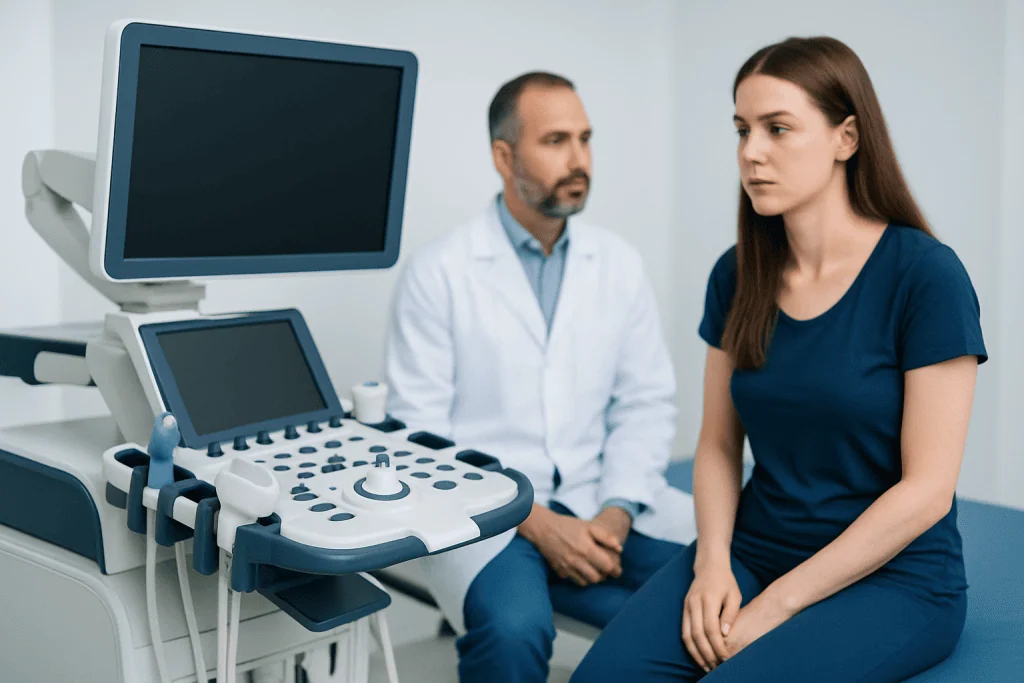
The symptoms of virilization can develop gradually or appear more quickly, depending on the cause. Gradual changes are often linked to chronic hormonal conditions, while rapid onset may suggest a more serious source of androgen excess and should be assessed sooner.
Common symptoms can include increased facial or body hair, acne, oily skin, scalp hair thinning in a male-pattern pattern, irregular periods, or periods stopping altogether. Some people also notice increased muscle bulk, changes in body shape, reduced breast size, or increased libido.
More marked signs of virilization include a deepening voice, enlargement of the clitoris, and changes that do not reverse easily even after treatment. Because some features can become permanent over time, early medical assessment is helpful.
- Excess hair on the face, chest, abdomen, or back
- Persistent or severe acne
- Irregular or absent menstrual periods
- Scalp hair thinning or hair loss
- Deepening of the voice
- Increased muscle mass or reduced breast tissue
- Clitoral enlargement
Why virilization happens

Virilization happens when androgen levels are too high, when the body produces androgens in the wrong place or at the wrong time, or when tissues respond more strongly to these hormones. In women, androgens are normally made in small amounts by the ovaries and adrenal glands. A disturbance in either source can lead to symptoms.
One of the better-known causes is polycystic ovary syndrome (PCOS), which can cause irregular periods, acne, and excess hair growth. However, PCOS usually causes milder hyperandrogenism rather than severe virilization, so doctors may look more closely if symptoms are pronounced or progress rapidly.
Other causes include congenital adrenal hyperplasia, Cushing syndrome, ovarian or adrenal hormone-producing tumors, insulin resistance, and exposure to androgen-containing medications or supplements. Certain anabolic steroids, testosterone products, and some compounded or non-prescription hormone products can also contribute. In rare cases, virilization may appear after menopause and can signal an ovarian or adrenal source that needs careful investigation.
Risk factors and situations that raise suspicion
Doctors pay close attention not only to the symptoms themselves but also to how they started and who is affected. Virilization that begins around puberty and progresses slowly may suggest a chronic endocrine disorder. Symptoms that begin suddenly over weeks or months, especially in adulthood, can point to a more urgent cause.
Certain risk factors increase the chance of androgen-related disorders. These include a personal or family history of endocrine problems, irregular periods since adolescence, insulin resistance, obesity, infertility, and use of hormone-active medicines or bodybuilding agents. A history of unexplained adrenal or ovarian disease may also be relevant.
Age matters as well. In children, virilization may include early pubic hair, rapid growth, acne, or genital changes and always warrants pediatric assessment. After menopause, new virilization is not considered a typical aging change and should be medically evaluated.
How doctors diagnose virilization
Diagnosis starts with a detailed medical history and physical examination. The clinician usually asks when symptoms began, how fast they changed, whether menstrual cycles have changed, what medicines or supplements are being used, and whether there is a family history of hormonal disorders. A focused examination looks for signs of androgen excess and clues to ovarian, adrenal, or metabolic conditions.
Blood tests are often the next step. These may include total and free testosterone, DHEAS, 17-hydroxyprogesterone, luteinizing hormone, follicle-stimulating hormone, prolactin, thyroid testing, glucose measures, and sometimes cortisol-related tests depending on the suspected cause. The pattern of hormone results can help distinguish ovarian from adrenal sources.
If a significant hormonal abnormality is found, imaging may be recommended. This can include pelvic ultrasound to examine the ovaries or imaging of the adrenal glands when indicated. In some cases, doctors may also evaluate for related conditions such as Cushing syndrome or adrenal abnormalities. The goal is not only to confirm virilization but to identify the exact cause so treatment can be targeted appropriately.
Treatment options and what they aim to do
Treatment depends on the underlying diagnosis, the severity of symptoms, and a person’s age, fertility goals, and overall health. When virilization is related to a chronic hormonal condition, treatment often focuses on lowering androgen levels, reducing androgen effects on the skin and hair, and protecting menstrual and metabolic health.
For some people, management may include lifestyle measures, cycle-regulating treatments, or medicines that reduce androgen effects under specialist supervision. If symptoms are linked to an ovarian or adrenal growth, surgery may be the appropriate treatment. Depending on the cause, a doctor may recommend endocrine evaluation, gynecologic assessment, or a combined approach. In selected cases, care may involve endocrinology evaluation, gynecologic care, or adrenal surgery.
Hair and skin symptoms can improve over time, but some changes may take months to respond because hair growth cycles are slow. Voice deepening and clitoral enlargement may be less reversible, which is one reason early treatment matters. If a medication or supplement is contributing, stopping it under medical guidance may help prevent further changes.
Self-care, monitoring, and when to seek medical care
Self-care does not replace diagnosis, but it can support treatment. It is helpful to keep a timeline of symptoms, menstrual changes, medicines, supplements, and any family history of hormonal problems. Avoiding non-prescribed anabolic steroids or hormone products is especially important, as these can worsen symptoms and interfere with diagnosis.
People should seek medical care if they notice new male-pattern physical changes, especially if these changes develop quickly. A prompt appointment is advisable for deepening voice, rapidly increasing hair growth, scalp hair loss, missed periods, new severe acne, or clitoral enlargement. Children with signs of virilization should be assessed without delay.
Urgent evaluation may be needed when virilization is sudden, severe, or accompanied by symptoms such as unexplained weight changes, muscle weakness, abdominal symptoms, or signs of a hormone-producing tumor. Ongoing follow-up is often needed to monitor hormone levels and symptom control. Near the end of the care pathway, some people may benefit from multidisciplinary review; Acibadem International’s specialists in JCI-accredited hospitals diagnose and treat hormone-related conditions for international patients.
Frequently asked questions
Is virilization the same as hirsutism?
No. Hirsutism refers specifically to excess coarse hair growth in a male-pattern distribution, while virilization includes broader signs of androgen excess such as deepening of the voice, scalp hair thinning, menstrual changes, or clitoral enlargement. Virilization usually suggests a stronger hormonal effect and needs fuller evaluation.
Can PCOS cause virilization?
PCOS can cause androgen-related symptoms such as acne, excess hair growth, and irregular periods. However, severe or rapidly developing virilization is less typical for PCOS, so doctors may investigate other causes as well. This is especially important if there is voice deepening or clitoral enlargement.
Are the changes from virilization reversible?
Some changes can improve once the underlying hormone problem is treated, especially acne, oily skin, and some excess hair growth. Other changes, such as deepening of the voice or clitoral enlargement, may be only partly reversible or may persist. Early assessment improves the chance of limiting long-term effects.
What tests are usually done for virilization?
Evaluation often includes hormone blood tests and a review of menstrual history, medicines, and symptom timing. Depending on the results, doctors may order pelvic ultrasound or imaging of the adrenal glands. The exact tests vary based on age, symptoms, and suspected cause.
Can medications or supplements cause virilization?
Yes. Testosterone products, anabolic steroids, and some hormone-containing or bodybuilding supplements can cause or worsen virilization. It is important to tell a doctor about all prescribed medicines, over-the-counter products, and supplements, because this information can strongly affect diagnosis.
When should someone see a doctor about virilization?
Medical review is recommended whenever male-pattern changes appear unexpectedly or progress over time. A quicker appointment is especially important if symptoms start suddenly, periods stop, the voice deepens, or clitoral enlargement occurs. Children with these signs should be evaluated promptly.
References
- Endocrine Society
- American College of Obstetricians and Gynecologists
- National Institute of Diabetes and Digestive and Kidney Diseases
- MedlinePlus
- Merck Manual Professional Edition
This article is for general information only and is not a substitute for professional medical advice. Please consult a qualified doctor about your individual situation.
Hair transplant in Turkey — costs, graft counts & a free assessment
JCI-accredited · board-certified surgeons · reply within 24h
Add us as a Preferred Source to see more of our trusted health content across Google Search, AI Overviews and Discover.
Check your numbers in seconds
BMI, calories, due date, blood pressure and 30+ more clinical calculators — free, instant, doctor-reviewed ranges.

More from the Health Library



Related Specialists
Dr. İlyas Kavak
Cardiology
Dr. Şaban Selçuk Dinçer
Anesthesiology
Prof. Dr. Yılmaz Büyükuncu
General Surgery
Assoc. Prof. Dr. Onur Tunalı
Orthopedic Surgery & Traumatology