Visual Snow Therapy: How It Works, Results and What to Expect

Visual snow syndrome causes persistent, grain-like visual static, often with light sensitivity, afterimages or difficulty seeing in dim light. A normal eye examination does not rule out visual snow syndrome; diagnosis is based mainly on symptoms and exclusion of other causes.
Key Takeaways
- Visual snow syndrome causes persistent, grain-like visual static, often with light sensitivity, afterimages or difficulty seeing in dim light.
- A normal eye examination does not rule out visual snow syndrome; diagnosis is based mainly on symptoms and exclusion of other causes.
- Therapy usually focuses on reducing symptom impact rather than eliminating visual snow completely.
- Tinted lenses, particularly precision filters chosen after assessment, may help selected people with light sensitivity.
- Migraine management, sleep support, stress reduction and psychological therapies can be important parts of a care plan.
- Sudden visual changes, vision loss, new weakness, severe headache or other neurological symptoms need urgent medical assessment.
Visual snow therapy does not currently offer a universal cure, but it can help some people reduce symptom burden and improve everyday functioning. Care is individualized and may include neuro-ophthalmic assessment, treatment of associated migraine or anxiety, tinted lenses, visual rehabilitation and lifestyle strategies.
Overview: What Is Visual Snow Therapy?
Visual snow therapy refers to the individualized care used to assess and manage visual snow syndrome (VSS). VSS is a neurological visual-processing condition in which a person continuously sees tiny flickering dots or static across the whole visual field, similar to a television screen without a signal. Treatment aims to reduce distress, light sensitivity and functional difficulties rather than promising a complete cure.
Many people also experience symptoms such as afterimages, floaters, light sensitivity, difficulty seeing at night, visual trails, ringing in the ears, migraine, fatigue or concentration problems. Symptoms can be persistent, but their intensity and impact vary widely. A careful assessment is important because other eye, neurological and medication-related conditions can also cause visual disturbances.
Visual snow is increasingly recognized as a distinct syndrome related to altered visual and sensory processing. It is not simply an eye problem, and it is not a sign that a person is imagining symptoms. Management may involve ophthalmology, neuro-ophthalmology, neurology, headache medicine, psychology and rehabilitation professionals.
How Visual Snow Therapy Works
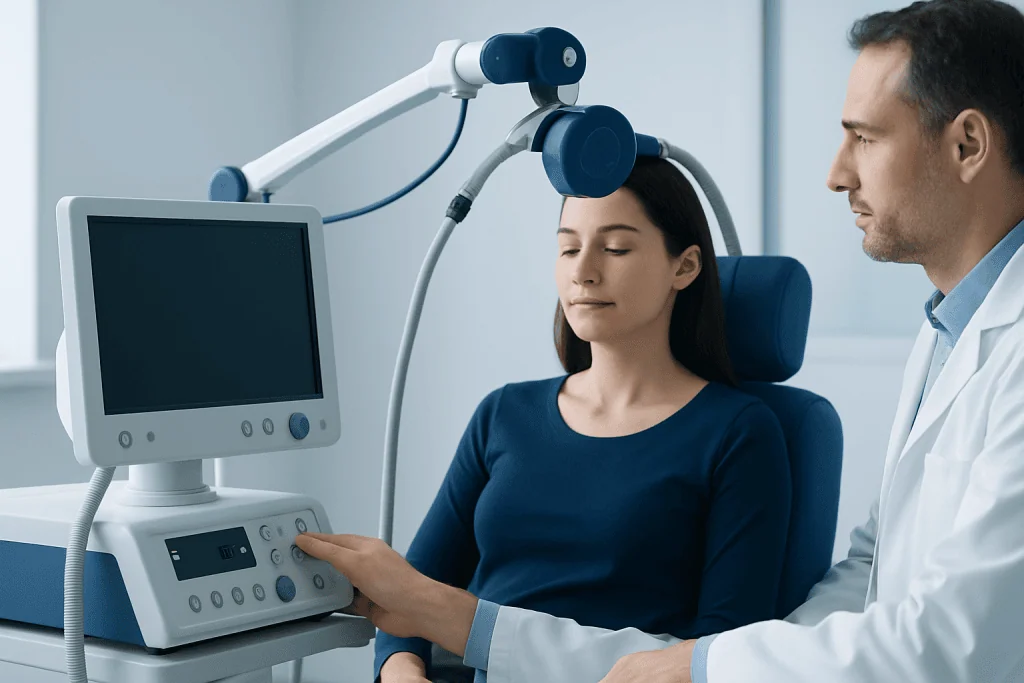
Visual snow therapy begins by identifying the symptoms that are most disruptive. For one person, this may be glare from screens and fluorescent lighting; for another, it may be poor night vision, migraine attacks or anxiety caused by constantly noticing visual static. The clinician then develops a plan directed at these practical concerns and at any related conditions.
Therapy may include visual rehabilitation exercises, often designed to reduce visual strain and improve tolerance of challenging environments. These programs do not “train the snow away,” but selected patients may find that they become less reactive to visual triggers and more confident with reading, screen use, driving decisions or busy surroundings.
Management of coexisting migraine can be particularly helpful for people whose symptoms fluctuate with headaches, sleep disruption or sensory overload. A clinician may also review medicines, recreational substance use and other health conditions that could worsen visual symptoms. Psychological support, including cognitive behavioral approaches, can help reduce the fear and hypervigilance that may amplify the daily burden of persistent symptoms.
There is no single treatment that works for everyone. A measured approach, with clear goals and regular review, helps distinguish useful strategies from interventions that add cost or effort without meaningful benefit.
Candidacy and Assessment Before Treatment

People who have persistent visual static for at least several months, particularly when it occurs with symptoms such as palinopsia (persistent afterimages), photophobia, impaired night vision or excessive awareness of entoptic phenomena, may be candidates for an evaluation for visual snow syndrome. A clinician will ask when symptoms started, whether they are continuous, what makes them worse and how they affect work, study, sleep and daily activities.
An eye examination is used to check vision, eye pressure, the retina and optic nerve, and to look for conditions that can mimic visual snow. Depending on the history, tests may include visual field testing, optical coherence tomography, blood tests, brain imaging or other neurological investigations. These tests are not required for every person, but they can be appropriate when symptoms are new, one-sided, progressive or accompanied by neurological warning signs.
Doctors also assess migraine history, medications, sleep quality, anxiety, depression and any past use of hallucinogenic substances. This is not to dismiss symptoms as psychological. Instead, it helps identify factors that may coexist with VSS or contribute to visual disturbances, allowing treatment to be tailored safely.
People with sudden onset visual symptoms, marked loss of vision, eye pain, a red eye, new double vision or weakness should be assessed promptly rather than beginning a self-directed visual therapy program.
What Happens During Visual Snow Treatment?
There is usually no single procedure or one-time appointment for visual snow therapy. Care commonly starts with a consultation and symptom questionnaire, followed by eye and neurological assessment. The team may ask the person to keep a brief diary of visual symptoms, migraines, sleep, screen exposure and possible triggers before a follow-up visit.
If light sensitivity is prominent, an optometrist or eye specialist may test filtered or tinted lenses in real-world lighting conditions. The aim is to find a tint that improves comfort and function without making the visual system more dependent on dark environments. Ordinary sunglasses may be useful outdoors, but wearing very dark lenses indoors can sometimes increase light sensitivity over time.
When visual rehabilitation is appropriate, sessions may include graded exposure to visual stimuli, strategies for reducing screen strain, reading adaptations and techniques to manage glare. A migraine-focused clinician may recommend preventive or acute migraine care when indicated. Medication decisions depend on the full medical history, as evidence for medications specifically targeting visual snow remains limited and responses vary.
Some people benefit from therapy focused on coping skills, sleep routines and reducing the attention given to static. This does not mean symptoms are “all in the mind”; it recognizes that the brain’s attention and stress systems can influence how intrusive a persistent sensory symptom feels.
Benefits, Limits, Risks and Recovery Timeline
The main potential benefit of visual snow therapy is improved quality of life. People may experience less glare, reduced visual fatigue, fewer migraine-related flares, improved confidence in daily tasks and less distress about symptoms. Improvements are often gradual and may be more noticeable in function and comfort than in the amount of visual static itself.
There is no standard recovery timeline because visual snow is usually a chronic condition rather than a problem corrected by a procedure. If a person responds to filters, environmental changes or migraine treatment, benefit may be noticed over days to weeks. Rehabilitation and behavioral strategies commonly require several weeks or months of consistent practice before their value can be assessed.
Risks depend on the intervention. Tinted lenses may distort color perception or reduce vision in low light if the tint is too dark. Excessive avoidance of light or screens can shrink daily activities and increase sensitivity. Medications used for associated migraine or mood symptoms can have side effects and should only be considered with a qualified clinician who can monitor safety.
Patients should be cautious about online claims of a guaranteed cure, unregulated supplements or devices marketed as proven visual snow treatments. It is reasonable to discuss any proposed therapy with an eye specialist or neurologist before starting it.
What Kind of Glasses Are Best for Visual Snow Syndrome?
There is no single best pair of glasses for every person with visual snow syndrome. Some people with significant photophobia find relief from carefully selected precision-tinted lenses, including filters that reduce wavelengths they find particularly uncomfortable. The best choice depends on the person’s light sensitivity, work environment, migraine history and visual needs.
An eye-care professional can assess whether a tint improves contrast, comfort and reading or screen tolerance. A trial is preferable to buying heavily tinted lenses without guidance. If a person also needs prescription correction for short-sightedness, long-sightedness or astigmatism, that should be addressed first, as uncorrected refractive error can add visual strain.
Wraparound sunglasses and hats may help outdoors in bright sunlight. Indoors, lighter filters or adjusted lighting are generally more practical than dark sunglasses. Screen settings such as reduced brightness, anti-glare positioning, regular breaks and comfortable room lighting may also reduce symptoms for some people.
Is There a New Treatment for Visual Snow Syndrome?
Research into visual snow syndrome is evolving, but there is not yet a proven new treatment that reliably eliminates visual snow for most people. Studies are exploring visual rehabilitation, neuromodulation approaches, migraine-directed care and methods that influence visual processing. These approaches remain under investigation, and availability varies by center and country.
Current care is therefore based on individualized symptom management. Treating migraine when present, reducing sensory triggers, considering appropriate filters and addressing sleep or anxiety can make a meaningful difference even when the static remains visible. A specialist can explain whether any clinical trials or emerging treatments are suitable and what is known about their limitations.
For international patients, Acibadem International’s multidisciplinary specialists and JCI-accredited hospitals can coordinate ophthalmic, neurological and headache-focused assessment when persistent visual symptoms need a structured evaluation.
Can You Live a Normal Life With Visual Snow?
Many people with visual snow syndrome can live full, active lives, although they may need adjustments for light sensitivity, migraine, fatigue or visually demanding tasks. The most useful goal is often not to monitor the static constantly, but to build routines and supports that allow the person to participate in work, relationships, exercise and enjoyable activities.
Practical measures may include regular sleep, hydration, paced screen use, consistent meals, migraine trigger awareness and lighting adjustments at home or work. Relaxation techniques, counseling or cognitive behavioral therapy can help when visual symptoms lead to worry, avoidance or low mood. Support from family, employers and healthcare professionals can also reduce the day-to-day impact.
Driving and other safety-sensitive activities should be discussed with a clinician if night vision, glare or visual disturbances affect confidence or performance. A person should not drive when vision is impaired or when symptoms make it unsafe to do so.
Can Doctors See If You Have Visual Snow?
Doctors cannot usually see the visual static directly during an eye examination, because it is a symptom of how the brain processes visual information. However, clinicians can listen carefully to the description, assess the pattern of associated symptoms and perform tests to exclude eye or neurological disorders that may cause similar complaints.
Many people with visual snow syndrome have normal results on standard eye examinations and brain scans. Normal results can be reassuring, but they do not mean the symptoms are not real. Diagnosis is clinical: it is based on a characteristic, persistent symptom pattern and the absence of another condition that better explains it.
Keeping a clear record of onset, triggers, migraine symptoms, medications and changes over time can help the clinician make an accurate assessment. Bringing previous eye-test or imaging reports may also be useful.
When to Seek Medical Care
Anyone with persistent visual static, new light sensitivity, troubling afterimages or unexplained changes in visual comfort should arrange a routine assessment with an eye-care professional or doctor. This is especially important if symptoms affect reading, work, sleep, driving or emotional wellbeing, or if the person has frequent migraine headaches.
Urgent medical care is needed for sudden loss of vision, a curtain or shadow across vision, new flashes with many floaters, severe eye pain, a painful red eye, sudden double vision, a severe unusual headache, confusion, fainting, weakness, numbness or difficulty speaking. These symptoms are not typical features to manage through routine visual snow therapy and may require immediate investigation.
Early evaluation helps rule out urgent causes and gives the person a clearer plan. Even when visual snow syndrome is diagnosed, follow-up is appropriate if symptoms change significantly or treatment strategies are not helping.
Frequently asked questions
Can visual snow therapy cure visual snow syndrome?
There is currently no treatment proven to cure visual snow syndrome for everyone. Therapy is aimed at reducing symptom burden, managing related migraine or light sensitivity, and improving daily functioning. Some people experience meaningful improvement, while others mainly benefit from better coping and environmental adaptations.
How long does visual snow therapy take to work?
The timeline depends on the approach and the person’s symptoms. Filters or lighting changes may help quickly if they are a good match, while rehabilitation, migraine management and lifestyle changes are usually assessed over weeks to months. Regular review with a clinician helps determine whether a strategy is worthwhile.
Is visual snow the same as migraine aura?
Visual snow syndrome and migraine aura are different, although they can occur in the same person. Migraine aura is usually temporary and often lasts minutes to an hour, while visual snow is typically continuous. A clinician can help distinguish these and rule out other causes of visual changes.
Can screen time make visual snow worse?
Screens do not appear to cause visual snow syndrome, but they can worsen eye strain, glare, fatigue and symptom awareness in some people. Comfortable brightness, glare reduction, regular breaks and adequate room lighting may help. Persistent worsening should be discussed with an eye-care professional or clinician.
Should people with visual snow avoid caffeine or alcohol?
There is no universal rule, but some people notice that caffeine, alcohol, poor sleep or dehydration worsen migraine and visual symptoms. Keeping a symptom diary can help identify personal patterns. It is usually more helpful to make measured changes than to impose broad restrictions without evidence of a trigger.
Can anxiety make visual snow worse?
Anxiety does not cause visual snow syndrome, but stress and anxiety can make persistent sensory symptoms feel more intrusive and harder to ignore. Supportive counseling, stress-management techniques and treatment for anxiety when needed can improve quality of life. These approaches complement, rather than replace, medical assessment.
References
- American Academy of Ophthalmology
- National Eye Institute
- International Headache Society
- Visual Snow Initiative
- National Institute of Neurological Disorders and Stroke
This article is for general information only and is not a substitute for professional medical advice. Please consult a qualified doctor about your individual situation.
Explore treatments in Turkey — costs, top hospitals & a free quote
JCI-accredited · board-certified surgeons · reply within 24h
Add us as a Preferred Source to see more of our trusted health content across Google Search, AI Overviews and Discover.