Vivitrol for Opioid or Alcohol Dependence: Benefits, Limits, and Follow-Up Care

Vivitrol is a monthly naltrexone injection used after detox for opioid or alcohol dependence. It is not a detox medicine and should not be started while a person is actively using opioids.
Key Takeaways
- Vivitrol is a monthly naltrexone injection used after detox for opioid or alcohol dependence.
- It is not a detox medicine and should not be started while a person is actively using opioids.
- Vivitrol can support relapse prevention, but counseling, social support, and follow-up care remain essential.
- Not everyone is a good candidate; doctors review liver health, recent opioid use, and other medical factors first.
- People using Vivitrol still need a personalized recovery plan and should know when to seek urgent medical advice.
Vivitrol is a long-acting form of naltrexone used to support recovery from opioid or alcohol dependence after detoxification. It can reduce relapse risk for some people, but it works best as part of a broader treatment plan that includes counseling, monitoring, and ongoing follow-up care.
Overview: What Vivitrol Is and How It Fits Into Recovery
Vivitrol is a brand name for an extended-release form of naltrexone, given as an injection about once a month. Naltrexone is an opioid antagonist, which means it blocks the effects of opioids at their receptors. In alcohol dependence, it does not make a person sick if they drink, but it may help reduce the rewarding effects of alcohol and support efforts to avoid relapse.
Vivitrol is used as part of treatment for two different substance use conditions: opioid dependence and alcohol dependence. For opioid dependence, it is intended for people who have already completed detoxification and are opioid-free before treatment starts. For alcohol dependence, it is used in people who are able to stop drinking before beginning treatment and who are working on maintaining recovery.
This medicine is not a stand-alone cure for addiction. Dependence is a complex medical condition that can affect the brain, behavior, family life, work, and mental health. For that reason, Vivitrol is usually only one part of a larger plan that may also include counseling, behavioral therapy, relapse prevention strategies, treatment of coexisting mental health concerns, and practical social support.
Some people benefit from a monthly injection because it removes the need to remember a daily tablet. Others may prefer a different approach, such as other forms of medication-assisted treatment or structured rehabilitation. A doctor helps decide whether Vivitrol is appropriate based on the person’s substance use history, physical health, treatment goals, and readiness for follow-up care.
Who May Benefit From Vivitrol
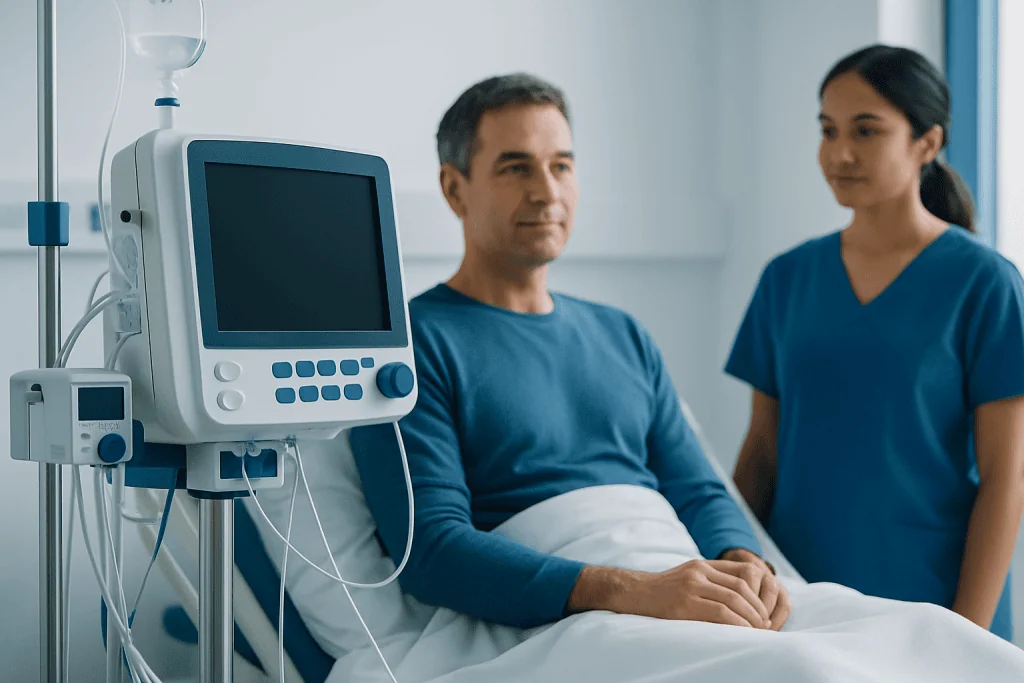
Vivitrol may be considered for adults with opioid or alcohol dependence who have already stopped using the substance and want extra support to stay in recovery. It can be especially helpful for people who prefer a non-opioid medication option or who find it difficult to take a daily medicine regularly. The monthly schedule may also suit those who do well with frequent check-ins and a structured care plan.
For opioid dependence, one of the most important requirements is that the person must be opioid-free before receiving the injection. If opioids are still present in the body, naltrexone can trigger sudden withdrawal symptoms. Because of this, doctors carefully review recent opioid use, prescription pain medicines, and any use of illicit opioids before starting treatment.
For alcohol dependence, Vivitrol may be useful for people who have already stopped drinking and want help reducing cravings or lowering relapse risk. It is generally most effective when paired with counseling and recovery-focused behavioral support. Motivation, family involvement, and stable follow-up can all improve the chances of success.
Vivitrol is not the best option for everyone. A person may need a different treatment if they have ongoing opioid use, severe liver problems, certain pain management needs, or difficulty attending follow-up visits. In many cases, the best results come from an individualized rehabilitation plan rather than a one-size-fits-all approach.
Benefits and Limits of Vivitrol

The main benefit of Vivitrol is relapse prevention support. In opioid dependence, it blocks the euphoric effects of opioids, making relapse less reinforcing if opioid use occurs. In alcohol dependence, it may reduce the urge to drink or make drinking feel less rewarding for some individuals. Because it lasts for about a month, it can provide steady coverage without the need for daily dosing.
Another potential advantage is that Vivitrol is not itself an opioid. Some patients and clinicians prefer this feature, especially when a non-opioid recovery medication is desired. A monthly injection can also improve adherence for people who might otherwise miss doses of an oral medicine. For some patients, regular monthly appointments create useful opportunities for review, encouragement, and adjustment of the recovery plan.
At the same time, Vivitrol has clear limits. It does not treat acute withdrawal, does not remove the need for therapy, and does not address every cause of substance use. Stress, trauma, depression, anxiety, housing problems, family strain, and social triggers can still affect recovery even when medication is in place.
It is also important to understand that blocked opioid receptors can create special safety issues. People may have reduced tolerance after a period of abstinence, which can raise overdose risk if they return to opioid use after missing or stopping treatment. Vivitrol should therefore be used with careful medical guidance, education, and a realistic long-term follow-up plan.
Before Starting Treatment: Assessment and Safety Checks
Before Vivitrol is prescribed, a doctor usually performs a detailed assessment. This includes questions about the person’s history of opioid or alcohol use, previous treatment attempts, current medications, medical conditions, and mental health. The goal is to confirm the diagnosis, choose the safest treatment option, and identify any barriers to successful follow-up.
For opioid dependence, the most important safety step is confirming that the patient is no longer physically dependent on opioids. This may require a period of opioid abstinence before the first injection. Doctors may also ask about opioid-containing pain medicines, cough medicines, or other substances that could interfere with treatment.
Laboratory tests may be used to evaluate overall health, including liver function, because naltrexone is processed by the liver. The clinician may also discuss pregnancy, breastfeeding, injection-site concerns, and any history of allergic reactions. If there is active hepatitis, severe liver disease, or another serious medical issue, a different treatment plan may be safer.
Assessment should also include psychological and social factors. Many people with substance dependence also live with depression, anxiety, trauma-related symptoms, sleep problems, or other mental health conditions. Addressing these issues alongside medication can improve recovery outcomes. If needed, the treatment team may recommend a broader rehabilitation pathway, including detox support, psychotherapy, and care for related conditions such as alcohol addiction or drug addiction.
What Treatment and Follow-Up Care Usually Involve
Vivitrol is typically given as an intramuscular injection by a healthcare professional once a month. After the injection, the patient is observed and advised about possible side effects, expected benefits, and warning signs to watch for at home. Follow-up visits are important not only for the next dose, but also for reviewing progress, cravings, mood, substance use triggers, and any medical concerns.
Medication works best when paired with ongoing recovery support. This may include individual counseling, group therapy, family therapy, relapse prevention planning, and help with daily routines such as sleep, exercise, work, and social structure. Some patients may benefit from more intensive care at certain points, such as detoxification before medication is started or a structured rehabilitation program during early recovery.
Doctors also discuss what to do if pain treatment is needed in the future. Because naltrexone blocks opioids, common opioid pain medicines may not work as expected while the medication is active. Patients should tell every healthcare provider that they are receiving Vivitrol, especially before surgery, emergency treatment, or dental procedures.
Near the later stages of follow-up, the care team may review how long treatment should continue. The right duration varies from person to person and depends on relapse history, stability, support systems, and treatment response. In complex cases, comprehensive addiction care may involve specialists in psychiatry, internal medicine, and behavioral health; Acibadem International’s multidisciplinary specialists in JCI-accredited hospitals diagnose and treat substance-related conditions for international patients.
Side Effects, Risks, and Important Precautions
Like any medicine, Vivitrol can cause side effects. Common concerns may include nausea, headache, dizziness, tiredness, reduced appetite, sleep disturbance, or discomfort at the injection site. Many side effects are mild and improve over time, but patients should still report persistent or troubling symptoms to their healthcare team.
Injection-site reactions deserve attention. Mild soreness can happen, but severe pain, swelling, skin changes, or signs of infection should be assessed promptly. Liver-related concerns are also important, so a doctor may recommend monitoring if symptoms such as unusual fatigue, dark urine, yellowing of the skin or eyes, or persistent abdominal discomfort develop.
People should never try to override the opioid-blocking effect by taking large amounts of opioids. This can be extremely dangerous. Another key point is that after detoxification or after a period off opioids, the body’s tolerance is lower than before, which may increase the risk of overdose if opioid use resumes.
Mental health monitoring also matters during treatment. Recovery can bring emotional ups and downs, and some people may experience worsening depression or distress. Family members or trusted supporters can help notice changes in mood, behavior, or motivation. Any concern about self-harm, overdose, or severe withdrawal symptoms needs urgent medical attention.
Self-Care, Relapse Prevention, and When to See a Doctor
Successful recovery usually depends on more than medication alone. Helpful self-care steps may include attending therapy consistently, building a daily routine, improving sleep habits, eating regular balanced meals, avoiding high-risk situations, and staying connected to supportive people. Peer support groups can also help some individuals feel less isolated and more accountable in recovery.
Relapse prevention works best when triggers are identified early. Common triggers include stress, relationship conflict, loneliness, untreated pain, exposure to substance-using environments, and unmanaged anxiety or depression. A written plan can help a person know what to do if cravings increase, including who to call, where to go for support, and when to seek urgent help.
A doctor should be contacted promptly if there are severe injection-site reactions, signs of liver problems, intense cravings, return to substance use, pregnancy concerns, or the need for surgery or pain treatment. Medical advice is also important if the patient misses a scheduled injection, because treatment plans may need adjustment rather than simply restarting on a personal decision.
Emergency care is needed for trouble breathing, collapse, suspected overdose, severe allergic symptoms, or thoughts of self-harm. Recovery can include setbacks, and needing extra help is not a failure. Early review often makes it easier to restore safety and continue progress.
Frequently asked questions
Is Vivitrol the same as detox treatment?
No. Vivitrol is not used to manage acute withdrawal symptoms. It is started after detoxification, once a person is no longer using opioids and is medically ready for relapse prevention treatment.
Can Vivitrol be started while someone is still using opioids?
No, it should not be started while opioids are still in the body. Because naltrexone blocks opioid receptors, starting it too soon can trigger sudden and severe withdrawal symptoms.
How is Vivitrol different from daily naltrexone tablets?
Vivitrol is a long-acting injection given about once a month, while oral naltrexone is taken daily. The injection may help people who prefer fewer doses or who have difficulty remembering a tablet every day.
Does Vivitrol cure opioid or alcohol dependence?
No medicine cures addiction on its own. Vivitrol can support recovery and lower relapse risk for some people, but counseling, behavioral treatment, and regular follow-up remain important parts of care.
Can a person drink alcohol while taking Vivitrol?
Vivitrol is used to support people who are trying to stop drinking and maintain recovery. Drinking while in treatment may reduce progress and should be discussed honestly with the care team so the recovery plan can be adjusted safely.
What happens if pain medicine is needed during Vivitrol treatment?
Because Vivitrol blocks opioid receptors, opioid pain medicines may not work normally. Patients should tell all healthcare providers that they are receiving Vivitrol so safer pain-management planning can be arranged.
References
- World Health Organization
- National Institute on Drug Abuse
- Substance Abuse and Mental Health Services Administration
- U.S. Food and Drug Administration
- National Institute on Alcohol Abuse and Alcoholism
This article is for general information only and is not a substitute for professional medical advice. Please consult a qualified doctor about your individual situation.
Explore treatments in Turkey — costs, top hospitals & a free quote
JCI-accredited · board-certified surgeons · reply within 24h
Add us as a Preferred Source to see more of our trusted health content across Google Search, AI Overviews and Discover.