Vocational Rehabilitation: Who It Helps and What Services May Be Available
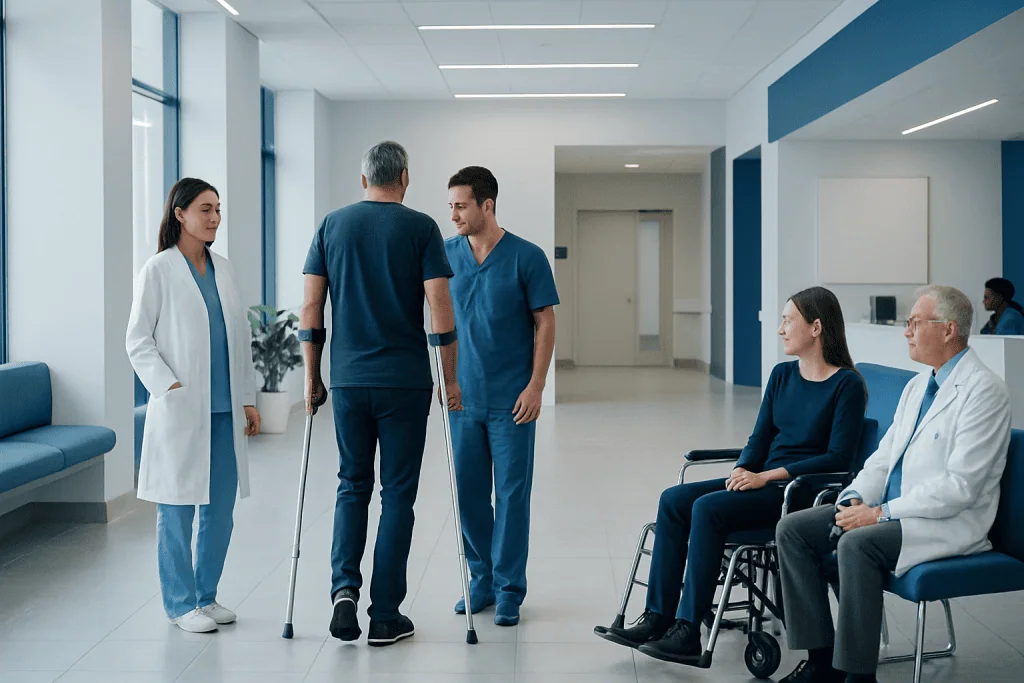
Vocational rehabilitation supports people whose health affects their ability to work or train for work. Services may include assessment, career guidance, workplace adjustments, skills training, and ongoing follow-up.
Key Takeaways
- Vocational rehabilitation supports people whose health affects their ability to work or train for work.
- Services may include assessment, career guidance, workplace adjustments, skills training, and ongoing follow-up.
- It can help after injury, surgery, chronic illness, mental health conditions, or changes in physical or cognitive function.
- Successful plans usually involve teamwork between the patient, employer, doctors, therapists, and rehabilitation professionals.
- Early support often improves confidence, function, and the chances of a safe, sustainable return to work.
Vocational rehabilitation is a group of services that helps people prepare for, return to, or stay in work after an illness, injury, or disability. Support is tailored to the person’s health, abilities, job goals, and daily life needs.
Overview
Vocational rehabilitation is a practical, person-centered process that helps someone enter work, return to work, or remain employed when a health condition affects their working life. It is not a single treatment. Instead, it combines medical, psychological, functional, educational, and workplace support based on the individual’s needs. The main aim is to help the person work as safely, independently, and confidently as possible.
This type of rehabilitation can be useful for people recovering from an injury, living with a long-term condition, managing pain, adapting after surgery, or coping with mental health challenges that affect concentration, stamina, communication, or physical tasks. It can also support students or adults who are preparing for employment for the first time after illness or disability.
Vocational rehabilitation looks beyond the diagnosis alone. It considers what the person can do now, what barriers are getting in the way, what type of work is realistic and meaningful, and what support or adjustments may help. In many cases, the goal is not simply to return to any job, but to achieve a sustainable role that matches the person’s health, strengths, and responsibilities.
Who It Helps
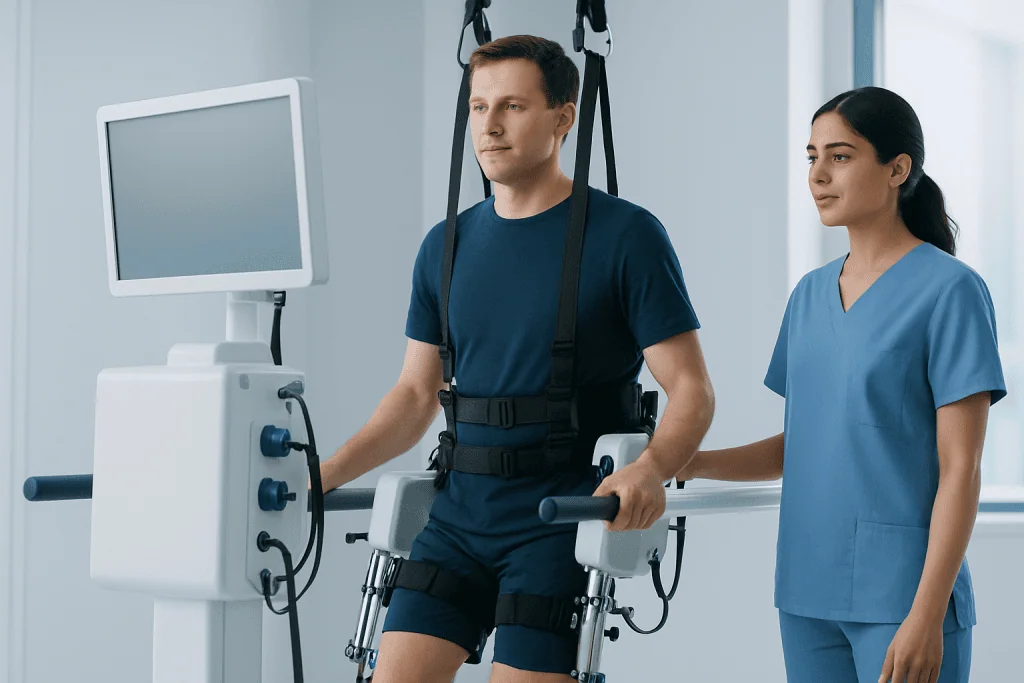
Vocational rehabilitation may help a wide range of people. Some are recovering from a sudden event, such as a fracture, spinal injury, stroke, or surgery. Others are living with ongoing conditions such as arthritis, chronic pain, neurologic disorders, heart disease, respiratory illness, or mental health conditions. It can also support people with sensory loss, learning differences, fatigue-related illnesses, or cancer-related changes in energy and function.
People who may benefit include those who are off work due to illness, those who have returned but are struggling, and those who need to change careers because their previous job is no longer suitable. For example, a person with back pain may need a new lifting strategy or modified duties, while a person recovering from a brain injury may need support with memory, planning, and gradual work re-entry. Someone recovering after stroke or dealing with multiple sclerosis may need a coordinated plan that addresses physical ability, fatigue, and cognitive function together.
Vocational rehabilitation is also helpful when health affects confidence as much as function. Many people worry about whether they can meet job demands, explain their limitations, or keep up with daily routines. Support can reduce uncertainty and help them rebuild a realistic sense of control.
- People returning after injury or surgery
- People with chronic physical or mental health conditions
- Workers needing adjustments to stay in their current role
- People exploring retraining for a different type of work
- Students or adults entering work after disability or prolonged illness
What Services May Be Available

Services vary by country, healthcare system, employer, insurer, and rehabilitation center, but most programs begin with a detailed assessment. This may cover medical history, current symptoms, functional abilities, work demands, education, interests, transport, home responsibilities, and emotional wellbeing. The purpose is to understand both the person’s capabilities and the practical barriers to employment.
After assessment, the rehabilitation team may create an individualized plan. This can include work-focused physical rehabilitation, pain management strategies, fatigue management, cognitive rehabilitation, confidence building, communication support, and advice on pacing. Where helpful, input from physical therapy and rehabilitation or occupational therapy may be part of the program, especially when someone needs to improve function for specific job tasks.
Other services may include career counseling, vocational testing, job matching, interview preparation, skills training, ergonomic advice, and workplace assessments. Some people benefit from assistive technology, adaptive equipment, or modified schedules. Others may need coordination with an employer about phased return, restricted duties, or a different role within the same organization.
- Functional and work-capacity assessment
- Return-to-work planning and case coordination
- Workplace visits and ergonomic recommendations
- Retraining, education, or job-seeking support
- Psychological support for stress, adjustment, or confidence
- Assistive devices and practical work modifications
How Assessment and Planning Work
Assessment usually focuses on function rather than diagnosis alone. A rehabilitation professional may ask about pain, mobility, hand function, vision, hearing, balance, concentration, mood, sleep, and endurance. They may also explore how symptoms change during the day and which work activities are easiest or hardest. This helps identify whether the person needs treatment first, immediate work adjustments, or a gradual step-by-step plan.
Work demands are also reviewed carefully. A desk-based job may require sitting tolerance, screen use, memory, and communication. A physically demanding role may involve lifting, bending, climbing, driving, or repetitive motions. The gap between current function and job demands helps shape the rehabilitation plan.
Good planning is collaborative. The patient’s goals matter, but so do safety, medical advice, and the realities of the workplace. A return-to-work plan may include short-term goals, such as increasing stamina or attending treatment regularly, and longer-term goals, such as returning to full duties or moving into a better-suited role. Progress is reviewed over time so the plan can be adjusted if symptoms improve or new challenges appear.
Treatment and Support Options
There is no single treatment for vocational difficulties because the reasons behind them differ from person to person. Support often includes a mix of rehabilitation therapies and workplace strategies. For physical limitations, this may involve strengthening, flexibility, gait training, hand therapy, or learning safer body mechanics. If pain is a major barrier, education and rehabilitation may focus on pacing, posture, movement patterns, and practical coping methods rather than complete symptom elimination.
For cognitive or neurologic challenges, rehabilitation may include attention training, memory strategies, planning tools, and structured routines. In people whose recovery involves speech, swallowing, or communication difficulties, support from speech and language therapy may be important. Psychological support may also play a central role when anxiety, depression, trauma, burnout, or fear of re-injury affects work readiness.
Workplace accommodations can be just as important as therapy. Examples include flexible hours, reduced workload during recovery, seated rather than standing tasks, more frequent breaks, voice-to-text software, quieter workspaces, changed lighting, or reassignment of certain duties. These changes can help someone remain productive while protecting health. In some cases, a gradual return with increasing hours is safer and more sustainable than an immediate full return.
Benefits, Challenges, and Realistic Expectations
Vocational rehabilitation can improve more than employment status. It may help restore routine, independence, confidence, social connection, and financial stability. Work can be an important part of identity and wellbeing, and the ability to participate in meaningful activity often supports overall recovery. Even when a person cannot return to their previous role, rehabilitation may help them discover a new path that better fits their current health and abilities.
At the same time, progress is not always quick or straightforward. Recovery may be affected by pain, fatigue, fluctuating symptoms, transportation difficulties, caregiving responsibilities, or limited workplace flexibility. Some people need to accept that their former job is no longer realistic. This can be emotionally difficult and may require time, counseling, and practical guidance.
Realistic expectations are important. Success does not always mean returning to exactly the same hours or tasks as before. Sometimes it means finding a safe part-time schedule, moving into a less physically demanding role, or gaining new skills for a different career. A good vocational rehabilitation plan balances hope with practicality and focuses on sustainable outcomes.
Self-care, Workplace Communication, and Prevention
Self-care supports vocational recovery. Rest, sleep, medication adherence, physical activity within medical advice, and symptom management can all influence work capacity. Keeping a record of triggers, energy levels, and daily function may help the person and the rehabilitation team understand patterns and set realistic goals. Small, consistent improvements are often more helpful than pushing too hard and needing to stop again.
Clear workplace communication is also valuable. Many people benefit from discussing temporary limitations and possible adjustments early rather than waiting until difficulties become severe. A healthcare professional or vocational rehabilitation specialist may be able to explain restrictions in practical terms, such as limits on lifting, standing, screen time, driving, or shift work. This can help employers plan suitable duties.
Prevention focuses on reducing future work-related problems. Depending on the situation, this may include better ergonomics, safe manual handling, regular movement breaks, stress management, protective equipment, or early treatment for recurring symptoms. For people with chronic conditions, learning how to pace work and recognize warning signs can help maintain long-term job participation.
When to Seek Professional Help
Professional help is worth considering when a health condition is making work difficult, causing repeated absences, or raising safety concerns. Early support may be especially useful if symptoms are likely to persist for more than a short period, if the person is uncertain about what work they can safely do, or if they are losing confidence about employment. Waiting too long can sometimes make return to work harder because routines, strength, and confidence may decline over time.
Medical review is important if symptoms are worsening, new neurologic or mental health symptoms appear, or work tasks seem to trigger significant pain, breathlessness, dizziness, or fatigue. A doctor can help identify treatable causes, guide restrictions, and refer to appropriate rehabilitation services. In complex cases, coordinated care from several specialists may be needed.
Near the end of the rehabilitation journey, some people may benefit from specialist centers that combine medical assessment, therapy, and work-focused planning. Acibadem International’s multidisciplinary specialists and JCI-accredited hospitals diagnose and support rehabilitation needs for international patients, including programs related to neurological rehabilitation when function and work ability are affected by neurologic conditions.
Frequently asked questions
What is vocational rehabilitation in simple terms?
Vocational rehabilitation is support that helps a person prepare for work, return to work, or stay employed when health problems create difficulties. It may combine therapy, work assessment, job planning, and practical adjustments.
Who can qualify for vocational rehabilitation?
Eligibility depends on local health, insurance, social support, or employment systems. In general, people may qualify if an illness, injury, disability, or mental health condition affects their ability to work safely or effectively.
Is vocational rehabilitation only for people with permanent disabilities?
No. It can also help people with temporary limitations after surgery, injury, or a serious illness. Some people use it for a short period during recovery, while others need longer-term support.
What kinds of professionals are involved in vocational rehabilitation?
The team may include rehabilitation physicians, occupational therapists, physical therapists, psychologists, speech and language therapists, social workers, case managers, and vocational counselors. Employers and primary care doctors may also play an important role in planning and follow-up.
Can vocational rehabilitation help with mental health conditions?
Yes. It may support people whose anxiety, depression, stress-related conditions, or other mental health concerns affect concentration, confidence, attendance, or communication at work. Plans may include counseling support, pacing, routine-building, and workplace adjustments.
Does vocational rehabilitation guarantee a return to the same job?
No. The goal is a safe and sustainable work outcome, which may or may not be the same role as before. Sometimes the best result is modified duties, reduced hours, or retraining for a different type of work.
References
- World Health Organization
- International Labour Organization
- National Institute for Health and Care Excellence
- Centers for Disease Control and Prevention
- American Occupational Therapy Association
This article is for general information only and is not a substitute for professional medical advice. Please consult a qualified doctor about your individual situation.
Explore treatments in Turkey — costs, top hospitals & a free quote
JCI-accredited · board-certified surgeons · reply within 24h
Add us as a Preferred Source to see more of our trusted health content across Google Search, AI Overviews and Discover.