Vomiting and Diarrhea in Children: Home Care, Dehydration Risks, and Red Flags
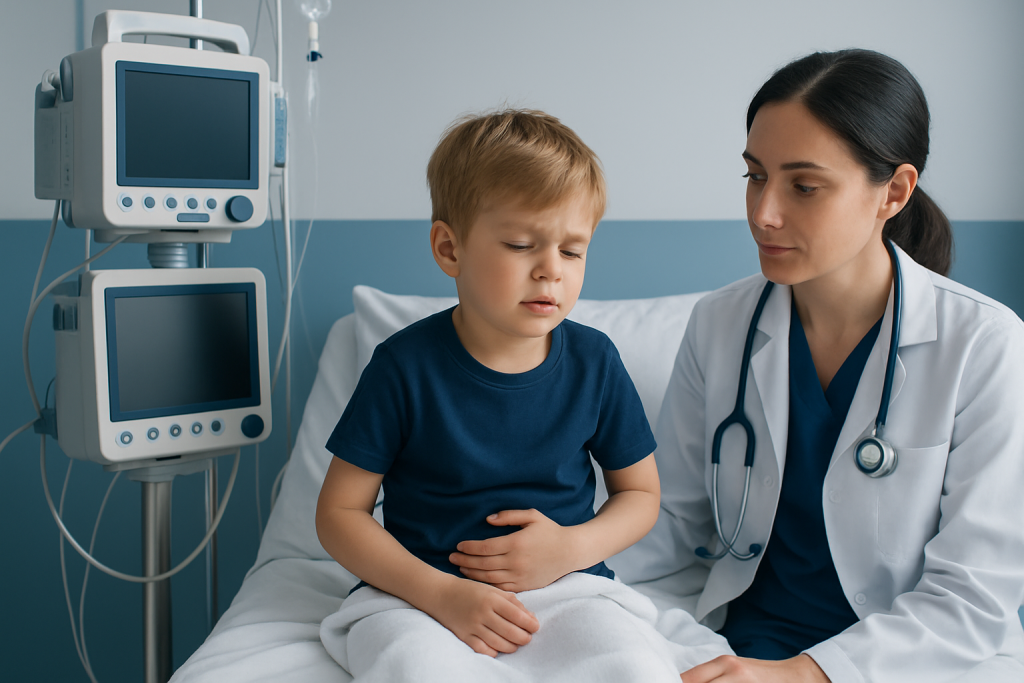
The main risk from vomiting and diarrhea in children is dehydration. Small, frequent sips of oral rehydration solution are usually the best first step at home.
Key Takeaways
- The main risk from vomiting and diarrhea in children is dehydration.
- Small, frequent sips of oral rehydration solution are usually the best first step at home.
- Most mild cases improve within a few days, especially when caused by a viral infection.
- Medical care is needed sooner for babies, children with chronic illness, or any child with red-flag symptoms.
- Good hand hygiene and safe food practices can help prevent future episodes.
Vomiting and diarrhea in children are common and are often linked to short-term stomach infections. Most children recover well with rest, small frequent fluids, and close attention to signs of dehydration and other warning symptoms.
Overview
Vomiting and diarrhea in children are very common symptoms, especially in babies, toddlers, and school-aged children. In many cases, they happen because of a short-term infection of the stomach and intestines, often called gastroenteritis or a “stomach bug.” These symptoms can also occur with food poisoning, medication side effects, food intolerance, or other illnesses.
The biggest concern is usually not the vomiting or diarrhea itself, but the loss of fluid and salts from the body. Children can become dehydrated more quickly than adults, particularly infants and young children. For that reason, early fluid replacement and careful observation are important.
Most children improve with home care, especially if they are still alert, able to take small amounts of fluid, and do not have severe symptoms. However, some children need medical assessment to rule out more serious causes or to treat dehydration. Parents and caregivers should know what is normal, what can safely be managed at home, and which warning signs mean a doctor should be contacted promptly.
Common Symptoms
Children may have vomiting, diarrhea, or both at the same time. Vomiting may happen suddenly and repeatedly over a few hours, while diarrhea may continue for several days. Stools can become loose, watery, and more frequent than usual. Some children also have nausea, reduced appetite, stomach cramps, or a mild fever.
Other symptoms can include tiredness, irritability, headache, or general discomfort. Babies may seem fussier than usual, feed poorly, or sleep more. Older children may complain of abdominal pain or feeling weak.
Symptoms vary depending on the cause. Viral infections often start quickly and may spread to other family members. Food-related causes may come on after eating a particular meal. A child may also have vomiting without diarrhea, or diarrhea without vomiting. If symptoms last longer than expected, are unusually severe, or are accompanied by blood, severe pain, or unusual sleepiness, further medical assessment is important.
- Vomiting, sometimes repeatedly
- Loose or watery stools
- Stomach cramps or bloating
- Fever
- Reduced appetite
- Tiredness or irritability
Causes and Risk Factors
The most common cause of vomiting and diarrhea in children is a viral infection such as viral gastroenteritis. These infections spread easily through close contact, shared surfaces, and unwashed hands. Bacterial infections and food poisoning can also cause symptoms, sometimes with fever, abdominal pain, or blood in the stool.
Other possible causes include food intolerance, overeating, reaction to a medicine, motion sickness, or illness in another part of the body such as an ear or urinary infection. In babies, feeding issues may sometimes contribute to vomiting, although true diarrhea still needs attention. Ongoing or recurrent diarrhea may occasionally point to a digestive condition such as Crohn’s disease or another bowel disorder, especially if there is weight loss, poor growth, or persistent abdominal pain.
Some children are more vulnerable to complications. Infants, especially those under 6 months, can dehydrate quickly. Children with chronic medical conditions, weakened immunity, diabetes, or previous digestive problems need closer monitoring. Recent travel, antibiotic use, or exposure to someone with similar symptoms can also offer clues about the cause.
Dehydration Risks and Warning Signs
Dehydration happens when a child loses more fluid than they take in. Vomiting and watery diarrhea can cause this quickly, particularly if the child also has fever or refuses to drink. Mild dehydration may improve well with oral fluids, but moderate to severe dehydration can become serious and may require hospital care.
Common signs of dehydration include dry mouth, fewer wet diapers, urinating less often, dark yellow urine, crying with few or no tears, sunken eyes, unusual sleepiness, dizziness, or being less playful than normal. In babies, a sunken soft spot on the head may be a warning sign. Cold hands and feet, rapid breathing, or marked listlessness are more urgent concerns.
Parents and caregivers often notice subtle changes before dehydration becomes obvious. A child who normally drinks eagerly but suddenly cannot keep even small sips down deserves close attention. If there is concern that the child is becoming weak, confused, difficult to wake, or unable to drink, medical help should be sought without delay.
Home Care: Fluids, Food, and Comfort
The main goal at home is to prevent dehydration. Small, frequent sips of oral rehydration solution are usually best because they replace both water and important salts. If vomiting is active, offering a teaspoon or small sip every few minutes may be easier than asking the child to drink a full glass at once. Breastfed babies should usually continue breastfeeding, and formula-fed infants may also continue feeds unless a doctor advises otherwise.
Plain water alone may not be enough for a child with ongoing diarrhea, and sugary drinks, fizzy beverages, or undiluted fruit juice can sometimes make diarrhea worse. Once vomiting settles, children can gradually return to their usual age-appropriate foods. Bland foods may be easier at first, but there is usually no need for a very restrictive diet if the child wants to eat.
Rest is helpful, but the child does not need to stay in bed if they feel comfortable. Good handwashing, separate towels, and careful cleaning of bathroom or changing areas can reduce spread in the home. Over-the-counter medicines for vomiting or diarrhea should not be given unless a doctor recommends them, especially in younger children. If symptoms are frequent, severe, or prolonged, a pediatric evaluation may be needed and, in some cases, pediatric gastroenterology care can help assess ongoing digestive symptoms.
Diagnosis and Treatment Options
Doctors diagnose the cause by asking about the child’s symptoms, fluid intake, urine output, fever, stool appearance, recent foods, travel, medicines, and sick contacts. The physical examination focuses on hydration, temperature, abdominal tenderness, and the child’s general alertness. In many mild cases, no tests are needed because the symptoms improve on their own.
If the child appears dehydrated, has persistent symptoms, blood in the stool, severe abdominal pain, or signs of another illness, testing may be recommended. This can include stool tests, blood tests, or urine tests to look for infection, inflammation, or dehydration. If abdominal pain is significant or the diagnosis is unclear, imaging may be considered to rule out conditions such as appendicitis, bowel obstruction, or other urgent problems.
Treatment depends on the cause and severity. The first line is usually oral rehydration. Some children need medicines to control vomiting if prescribed by a doctor. Bacterial infections are not always treated with antibiotics, and these medicines are not useful for most viral cases. If a child cannot keep fluids down or is significantly dehydrated, treatment in hospital may include intravenous fluid therapy. If symptoms suggest another digestive disease, further evaluation with colonoscopy or specialist assessment may occasionally be needed.
Prevention and Self-care
Many cases can be prevented with simple hygiene habits. Caregivers and children should wash hands well with soap and water after using the toilet, changing diapers, cleaning vomit, and before eating or preparing food. Surfaces touched by vomit or stool should be cleaned promptly and carefully.
Food safety also matters. Meals should be prepared with clean hands, cooked properly, and stored at safe temperatures. Drinking safe water and washing fruits and vegetables can lower the risk of foodborne illness. Children who are unwell should avoid sharing cups, utensils, and towels with siblings.
Keeping up with routine childhood vaccination is another useful step, as some vaccines help reduce severe diarrheal illness. Parents can also prepare by keeping oral rehydration solution at home and knowing the signs of dehydration. For families seeking coordinated care, Acibadem International’s multidisciplinary specialists in JCI-accredited hospitals diagnose and treat digestive and dehydration-related concerns in children and international patients.
When to See a Doctor
A doctor should be contacted if vomiting and diarrhea are not improving, if the child is drinking very little, or if there are signs of dehydration. Babies and very young infants need medical advice sooner because they can become dehydrated quickly. Children with chronic illnesses or weakened immune systems should also be assessed earlier.
Urgent medical care is needed if the child has blood in vomit or stool, severe or worsening abdominal pain, a swollen belly, difficulty waking, confusion, trouble breathing, a high or persistent fever, or repeated vomiting that prevents any fluid intake. A child who has not urinated for many hours or who becomes limp or unusually pale also needs prompt attention.
Parents should trust their instincts. If a child seems much more ill than expected, looks weak, or is not acting like themselves, it is reasonable to seek medical assessment even if symptoms seem common. Early care can help prevent complications and provide reassurance.
Frequently asked questions
How long do vomiting and diarrhea usually last in children?
Vomiting often improves within 12 to 24 hours, while diarrhea may last a few days and sometimes a little longer. The exact timing depends on the cause. If symptoms are getting worse, lasting longer than expected, or affecting hydration, a doctor should review the child.
What should a child drink after vomiting?
Small, frequent sips of oral rehydration solution are usually the best choice because they replace both fluid and salts. Breast milk should usually be continued for breastfed babies. Very sugary drinks and fizzy beverages are often not ideal because they may worsen diarrhea.
Can a child eat normally during diarrhea?
Once vomiting settles, many children can return gradually to their usual age-appropriate foods. Simple foods may feel easier at first, but a very strict diet is not usually necessary. It is more important that the child drinks enough and eats as tolerated.
When is dehydration an emergency?
Dehydration becomes urgent if a child is very sleepy, hard to wake, not urinating, unable to keep fluids down, or looks weak and floppy. Sunken eyes, no tears, rapid breathing, or confusion are also warning signs. These symptoms should prompt immediate medical care.
Should children take anti-diarrhea or anti-vomiting medicine at home?
Parents should not give these medicines unless a doctor recommends them. Some are not suitable for young children and may hide important symptoms or cause side effects. A doctor can advise whether any medicine is appropriate for the child’s age and condition.
Is vomiting and diarrhea always a stomach bug?
No. Viral gastroenteritis is a common cause, but symptoms can also come from food poisoning, medication reactions, food intolerance, or other illnesses. If symptoms are unusual, severe, recurrent, or associated with significant pain or blood, medical evaluation is important.
References
- World Health Organization
- American Academy of Pediatrics
- Centers for Disease Control and Prevention
- National Institute of Diabetes and Digestive and Kidney Diseases
- National Health Service
This article is for general information only and is not a substitute for professional medical advice. Please consult a qualified doctor about your individual situation.
Persistent digestive symptoms? Get evaluated in Turkey
JCI-accredited · board-certified surgeons · reply within 24h
Add us as a Preferred Source to see more of our trusted health content across Google Search, AI Overviews and Discover.

More from the Health Library



Related Specialists

Dr. Tülay Tekin
Acibadem Life Clinical Service
Dr. Aykut Türken
Orthopedic Surgery & Traumatology
Prof. Dr. İbrahim Kaya
Orthopedic Surgery & Traumatology
Dr. Harun Ayangil
Pediatric Surgery