Vr in Mental Health Treatment: Early Signs, Risk Factors, and How It Is Treated

VR in mental health treatment is most often used as part of a broader care plan, not as a replacement for standard therapy. It may help with anxiety disorders, phobias, post-traumatic stress symptoms, pain-related distress, and some rehabilitation needs.
Key Takeaways
- VR in mental health treatment is most often used as part of a broader care plan, not as a replacement for standard therapy.
- It may help with anxiety disorders, phobias, post-traumatic stress symptoms, pain-related distress, and some rehabilitation needs.
- Not everyone is a good candidate; side effects such as motion sickness, dizziness, eye strain, or emotional overstimulation can occur.
- A proper clinical assessment is important to match the right treatment to the person’s symptoms, goals, and safety needs.
- People with worsening mood, suicidal thoughts, severe panic, or loss of touch with reality need prompt medical evaluation.
VR in mental health treatment refers to the clinical use of virtual reality tools to help assess symptoms, practice coping skills, and support therapy for selected mental health conditions. It is not a stand-alone cure, but it can be a useful addition to evidence-based care when chosen carefully and supervised by trained professionals.
Overview: What VR in Mental Health Treatment Means
VR in mental health treatment means using computer-generated, immersive environments as part of professional mental healthcare. In practice, a person may wear a headset and interact with guided scenes designed to support therapy goals such as reducing fear, practicing relaxation, improving attention, or gradually facing difficult situations in a controlled setting. The aim is not entertainment, but structured clinical use.
This approach is usually combined with established treatments such as psychotherapy, coping-skills training, rehabilitation, or medication when needed. For example, a clinician may use virtual reality to help someone rehearse calming techniques during anxiety-provoking situations or to deliver gradual exposure for specific fears. The technology can make treatment more vivid and repeatable while allowing the therapist to monitor the person’s response closely.
VR is not appropriate for every mental health concern, and it does not replace a full psychiatric or psychological evaluation. Symptoms such as anxiety, trauma-related distress, depression, sleep problems, or avoidance behavior can have different causes and may overlap with conditions like depression or panic disorder. The best results usually come when VR is selected for a clear therapeutic purpose and integrated into an individualized care plan.
How VR Is Used in Mental Health Care
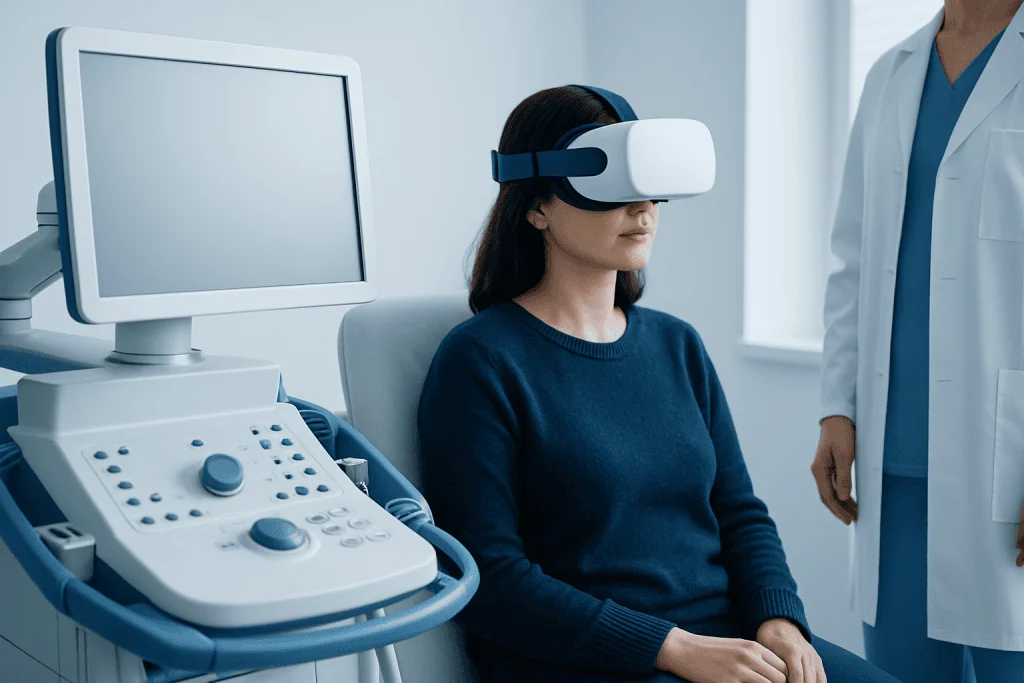
Clinicians use VR in several ways depending on the person’s symptoms. One common use is exposure-based therapy, where the patient gradually encounters feared or stressful situations in a safe, supervised virtual environment. This may be helpful for specific phobias, social anxiety, and some trauma-related symptoms. The intensity can often be adjusted step by step, which gives both the patient and therapist more control.
Another use is skills training. Virtual settings can help patients practice breathing techniques, grounding exercises, attention control, or emotional regulation during realistic scenarios. For some people, this makes it easier to transfer coping skills from the therapy room to everyday life. VR may also be used alongside psychiatric evaluation and treatment when mental health symptoms are affecting daily function, sleep, school, or work.
In some settings, VR supports pain management, stress reduction, and rehabilitation. Mental and physical health often interact, so a person coping with chronic pain or neurologic illness may benefit from coordinated care. Depending on the clinical picture, a team may also consider related services such as clinical psychology support or neurology assessment if symptoms involve concentration changes, dizziness, headaches, or other neurologic concerns.
- Guided exposure for fears or avoidance
- Relaxation and mindfulness practice
- Attention and cognitive training in selected cases
- Pain distraction and stress management support
- Rehabilitation exercises with emotional support goals
Who May Benefit and What Early Signs May Prompt Assessment
People may be considered for VR-supported care when they have symptoms that fit a condition known to respond to structured therapy. Examples include persistent anxiety, strong avoidance of specific situations, trauma-related distress, excessive fear reactions, difficulty regulating stress, or distress linked to medical procedures or chronic pain. Benefit depends less on the technology itself and more on whether the person’s symptoms match an evidence-based therapeutic use.
Early signs that should prompt a mental health assessment include ongoing worry that interferes with daily life, sleep disruption, panic symptoms, social withdrawal, intrusive memories, reduced concentration, irritability, or feeling unable to face routine situations. Some people also notice physical symptoms such as racing heart, sweating, nausea, tremor, or dizziness during stress. These symptoms can occur in anxiety disorders and other mental health conditions, so an accurate diagnosis matters.
VR may also be considered when a person has trouble engaging with traditional therapy alone, especially if visual and interactive tools could help them practice skills more effectively. However, the presence of severe depression, active substance misuse, psychosis, recent self-harm, uncontrolled seizures, or severe motion sensitivity may change whether VR is suitable or whether another treatment should come first.
Risk Factors, Limitations, and Safety Considerations
VR in mental health treatment has limits, and not all patients should use it. The main safety concern is that immersive content can sometimes intensify distress instead of helping, especially if exposure is too rapid or poorly matched to the person’s readiness. This is why guided clinical use is different from unsupervised self-help apps or commercial VR experiences. Careful screening helps reduce the chance of overstimulation.
Common side effects include eye strain, headache, nausea, dizziness, and motion sickness. Some people feel disoriented or tired after sessions, while others may briefly feel emotionally activated if difficult memories or fears are being addressed. These effects are often manageable by shortening sessions, adjusting the content, using breaks, or stopping treatment when needed.
Certain factors may increase risk or make VR less suitable, including migraine triggered by screens, vestibular problems, seizure disorders, severe dissociation, active psychosis, or major difficulty telling virtual experiences from reality. Children, older adults, and people with sensory or cognitive challenges may still use VR in selected situations, but treatment should be adapted carefully. In all cases, the decision should be made by qualified clinicians who understand both the mental health condition and the technology.
How Doctors Diagnose Mental Health Conditions Before VR Therapy
VR is a treatment tool, not a diagnosis. Before it is considered, doctors or mental health professionals first try to understand the person’s symptoms, duration, triggers, medical history, medications, sleep pattern, stressors, and level of daily functioning. This usually includes a clinical interview and may involve questionnaires for anxiety, trauma, mood, attention, or sleep symptoms.
The diagnostic process also checks for medical or neurologic issues that may mimic or worsen mental health symptoms. For example, thyroid problems, medication side effects, substance use, concussion, vestibular disorders, or sleep disorders can contribute to anxiety, poor concentration, or panic-like symptoms. If trauma-related symptoms are suspected, the clinician may explore whether the person meets criteria for post-traumatic stress disorder or another stress-related condition.
Once a diagnosis and treatment goals are clear, the team decides whether VR adds value. Questions include: Is the patient comfortable with immersive technology? Could VR support gradual exposure or skills practice? Are there safety concerns? A thoughtful assessment helps ensure that treatment remains person-centered, evidence-based, and appropriate for symptom severity.
Treatment Options: Where VR Fits in a Broader Plan
For most people, VR works best as one part of a larger mental health treatment plan. Core options may include cognitive behavioral therapy, trauma-focused therapy, supportive counseling, family education, stress management, lifestyle changes, and medication when indicated. The right mix depends on the diagnosis, severity, patient preference, prior response to treatment, and any coexisting medical conditions.
In anxiety disorders and phobias, VR may be used to support exposure therapy by presenting feared situations in a gradual, repeatable format. In trauma-related care, it may help selected patients revisit triggers within a carefully structured framework, but only when clinically appropriate and paced safely. In pain-related distress or medical anxiety, immersive experiences may help redirect attention and reduce stress during rehabilitation or procedures.
Some patients improve with standard psychotherapy alone and do not need VR. Others may begin with medication or stabilization before immersive tools are introduced. Follow-up is important to track symptom changes, side effects, sleep, functioning, and emotional tolerance. Near the end of the care pathway, international patients may also seek multidisciplinary evaluation at centers such as Acibadem International, where JCI-accredited hospitals and mental health specialists assess and treat complex cases using coordinated approaches.
Self-Care, Prevention, and Healthy Expectations
Even when VR is part of treatment, daily habits still matter. Good sleep, regular physical activity, balanced nutrition, reduced alcohol and substance use, and consistent routines can improve resilience and support recovery. Stress-management skills such as breathing exercises, mindfulness, journaling, and limiting overstimulating media may also help reduce symptom intensity between appointments.
Healthy expectations are important. VR does not offer instant results, and progress may happen gradually over multiple sessions. A patient may feel temporary discomfort when confronting fears or trauma-related cues, but treatment should remain tolerable and collaborative. The goal is usually improved coping and functioning, not forcing someone into overwhelming situations.
People should avoid self-diagnosing based on online content or trying intensive exposure on their own through consumer VR programs. If a person already receives therapy, it is best to discuss any interest in VR with their clinician first. This helps ensure that the content, timing, and intensity are safe and aligned with the overall treatment plan.
When to Seek Medical Care
A mental health evaluation is appropriate when anxiety, fear, intrusive memories, low mood, avoidance, or stress symptoms persist for weeks, are worsening, or interfere with work, school, relationships, or sleep. Medical care is also important when physical symptoms such as dizziness, palpitations, headaches, or nausea are frequent, because these can overlap with medical conditions that need attention.
Urgent help is needed if a person has suicidal thoughts, self-harm behavior, severe agitation, loss of touch with reality, panic so intense they cannot function, or sudden changes in behavior after trauma or substance use. In these situations, waiting for a routine appointment may not be safe. Emergency services or immediate psychiatric support should be sought.
People already using VR-based therapy should tell their clinician if sessions cause significant distress, flashbacks, nausea, faintness, severe headache, or worsening mood. Treatment may need to be paused, adjusted, or replaced with another approach. Early communication helps keep care safe and effective.
Frequently asked questions
Is VR in mental health treatment effective?
It can be effective for selected conditions, especially when used as part of evidence-based therapy under professional supervision. Benefit depends on the diagnosis, the treatment design, and the patient’s comfort with immersive technology. It is generally considered a tool that supports care rather than a cure on its own.
What mental health conditions may be treated with VR?
VR may be used for specific phobias, anxiety disorders, trauma-related symptoms, stress management, and some pain-related distress. In certain settings, it may also support rehabilitation or cognitive training. A clinician decides whether it fits the person’s symptoms and overall treatment plan.
Can VR make symptoms worse?
Yes, it can in some cases, especially if the content is too intense or the person has conditions that make immersion difficult to tolerate. Possible problems include motion sickness, dizziness, emotional overstimulation, and temporary increases in fear or distress. This is why screening and supervision are important.
Is VR therapy the same as regular psychotherapy?
No. VR is a delivery tool or treatment aid, while psychotherapy is the broader clinical method used to understand symptoms and help change thoughts, emotions, and behaviors. Many patients receive VR only as one component of regular therapy.
Do patients need medication if they use VR therapy?
Not always. Some people improve with psychotherapy, coping-skills work, and lifestyle measures, while others benefit from medication as well. The choice depends on the diagnosis, symptom severity, medical history, and response to previous treatment.
Who should avoid VR in mental health treatment?
People with severe motion sensitivity, some seizure disorders, active psychosis, severe dissociation, or certain neurologic or eye-related problems may not be good candidates. Others may still use VR, but only with careful adjustment and specialist oversight. A clinician can explain the risks and alternatives.
References
- World Health Organization
- National Institute of Mental Health
- American Psychiatric Association
- National Center for PTSD
- National Institutes of Health
This article is for general information only and is not a substitute for professional medical advice. Please consult a qualified doctor about your individual situation.
Explore treatments in Turkey — costs, top hospitals & a free quote
JCI-accredited · board-certified surgeons · reply within 24h
Add us as a Preferred Source to see more of our trusted health content across Google Search, AI Overviews and Discover.