Waiting Times in Healthcare: How Hospitals Prioritize Patients and Urgent Needs

Hospitals usually prioritize care by clinical urgency rather than strictly first come, first served. Emergency departments use triage to identify who needs immediate attention.
Key Takeaways
- Hospitals usually prioritize care by clinical urgency rather than strictly first come, first served.
- Emergency departments use triage to identify who needs immediate attention.
- Waiting times can vary by specialty, test availability, staff capacity, and bed space.
- Patients can often help reduce delays by bringing accurate medical information and attending appointments on time.
- It is important to seek urgent help right away if warning signs such as chest pain, severe breathing problems, or stroke symptoms occur.
Waiting times in healthcare are not usually based on arrival order alone. Hospitals generally prioritize patients by medical urgency, safety needs, and the type of service required, so people with the most time-sensitive conditions are seen first.
Overview: Why Waiting Times Happen
Waiting times in healthcare are a normal part of how hospitals and clinics manage many patients with different needs at the same time. A person may assume that care is given in the exact order people arrive, but this is not usually how medical systems work. In most settings, the main goal is to make sure the sickest or most urgent patients receive attention first.
Hospitals must balance patient safety, available staff, treatment rooms, diagnostic tests, operating room access, and inpatient bed capacity. Because of this, two patients arriving at a similar time may have very different waiting experiences. Someone with a life-threatening problem may be taken in immediately, while someone with a stable condition may wait longer, even if their symptoms are uncomfortable.
Waiting times can also differ depending on where care is being delivered. Emergency departments, outpatient clinics, imaging units, and surgical services each use their own scheduling and prioritization systems. Understanding these systems can help patients feel more informed and less uncertain while they wait.
How Hospitals Prioritize Patients
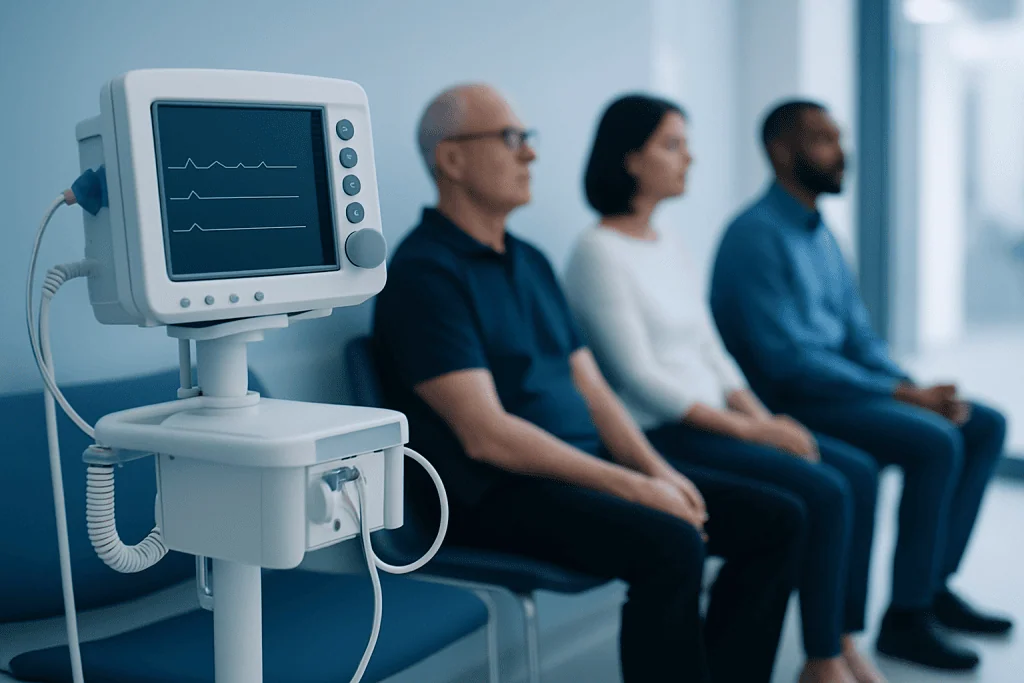
Hospitals usually prioritize patients according to medical urgency. This process is often called triage in emergency care. A trained nurse or clinician quickly assesses symptoms, vital signs, pain level, and any warning signs of serious illness or injury. The purpose is not to provide a final diagnosis immediately, but to identify who may be at risk if treatment is delayed.
For example, patients with severe chest pain, signs of stroke, major trauma, heavy bleeding, or breathing difficulty are generally seen before patients with minor injuries or stable symptoms. In outpatient care, prioritization may depend on how fast a condition could worsen, whether cancer is suspected, whether the problem affects organ function, or whether there is significant disability or uncontrolled pain.
Doctors and hospitals may use categories such as emergency, urgent, semi-urgent, and routine. These categories help guide how quickly consultations, imaging, procedures, or surgery should happen. Prioritization is therefore a patient-safety tool rather than a judgment about whose discomfort matters more.
- Emergency: Immediate treatment is needed to protect life or prevent serious harm.
- Urgent: Care is needed soon, often within hours or days.
- Semi-urgent: The condition should be addressed, but a short delay is usually safe.
- Routine: The issue is important, but it is medically stable and can be scheduled.
What Affects Waiting Times

Many factors influence waiting times in healthcare. One of the most important is the number of patients needing care at the same time. A hospital may appear quiet in the waiting room but still be very busy with ambulance arrivals, critically ill patients behind the scenes, or operations in progress. This can slow access for patients whose needs are less urgent.
Staffing and resources also matter. Delays may occur if a specialist is in surgery, if imaging equipment is fully booked, if laboratory results are pending, or if no inpatient beds are available. Some services, such as advanced scans or specialist consultations, naturally have longer scheduling times because they require both technology and highly trained teams.
The complexity of the medical problem can also change the timeline. A simple issue may be assessed quickly, while a more complicated case can require blood tests, imaging, consultations from more than one department, and time for doctors to review the safest plan. In some cases, hospitals must also coordinate infection-control measures, language support, transport, or discharge planning before the next step can happen.
Waiting Times in Emergency, Clinic, and Surgical Care
Emergency departments usually work very differently from scheduled clinics. In emergency care, triage is continuous. A patient who seemed stable when they arrived may be moved ahead later if symptoms worsen, and another patient may wait longer if someone more critically ill arrives. This can make waiting times feel unpredictable, but it reflects an active safety system.
In outpatient clinics, waiting lists are often based on referral information from a doctor, the suspected diagnosis, and the specialty involved. A referral marked urgent because of red-flag symptoms is usually reviewed faster than a routine referral for a stable long-term concern. If more information is needed, the clinic may ask for test results or a fuller clinical history before assigning an appointment.
For surgery, hospitals often classify procedures by how time-sensitive they are. Cancer surgery, severe fractures, uncontrolled infection, or conditions threatening organ function are usually prioritized over elective procedures that can safely wait. Even after a surgical decision is made, timing can depend on preoperative testing, operating room availability, anesthesiology assessment, and recovery bed access.
Diagnostic services follow similar principles. Tests such as urgent CT, MRI, or endoscopy may be expedited when doctors suspect a serious condition. Routine imaging and screening studies may take longer, especially when the patient is stable and there is no immediate safety concern.
What Patients Can Do While Waiting
Although patients cannot control every aspect of waiting times, they can take practical steps to support smoother care. Bringing an up-to-date medication list, previous test results, allergies, and a clear summary of symptoms helps the medical team assess the problem more efficiently. Arriving on time and completing forms accurately may also prevent avoidable delays.
It is helpful for patients to describe any change in symptoms promptly. If pain becomes severe, breathing worsens, bleeding increases, or new neurological symptoms appear, staff should be informed rather than waiting silently. In many settings, worsening symptoms can change a patient’s priority level and lead to faster reassessment.
For scheduled care, patients may wish to ask whether there is a cancellation list, whether additional records are needed, or whether another appropriate appointment type is available. Keeping contact details updated is important so the hospital can offer earlier appointments if a slot opens. Patients should also attend booked appointments whenever possible or cancel in advance so that time can be reassigned to someone else.
When people travel for care or need specialist treatment, planning ahead can also make the process easier. Some hospitals coordinate consultations, imaging, and treatment timelines across departments. Near the end of the pathway, patients may benefit from support from experienced centers; for international patients, Acibadem International’s multidisciplinary specialists and JCI-accredited hospitals provide diagnosis and treatment planning in a coordinated setting.
When Delays May Need Follow-Up
Most waiting does not mean that something has gone wrong, but some situations deserve follow-up. Patients may consider contacting the hospital or referring doctor if they have been waiting much longer than expected for a result, appointment, or procedure, especially if they were told the issue was urgent. It can be useful to ask what priority category applies and whether any additional information is needed to move the process forward.
If symptoms change during the waiting period, the original plan may no longer fit the current medical need. A person with worsening pain, increasing weakness, repeated fainting, unexplained weight loss, persistent fever, or new bleeding should update their doctor. A new symptom can sometimes justify reassessment, repeat triage, or a faster referral pathway.
Good communication matters. Patients can ask clear questions such as when they should expect contact, who to call if symptoms change, and what warning signs should prompt urgent review. This helps set realistic expectations and supports shared decision-making rather than uncertainty.
When to Seek Immediate Medical Attention
Some symptoms should never wait for a routine appointment. Patients should seek urgent medical help right away if they have chest pain, severe shortness of breath, signs of stroke, major injury, sudden confusion, seizures, heavy bleeding, or a severe allergic reaction. These symptoms can indicate conditions that need rapid assessment and treatment.
It is also important to get prompt care for high fever with serious weakness, severe dehydration, sudden vision loss, a rapidly spreading infection, or severe abdominal pain. Parents and caregivers should seek urgent help for infants or children who are difficult to wake, struggling to breathe, having seizures, or showing signs of dehydration.
If a patient is unsure whether a symptom is urgent, it is safer to contact a qualified healthcare professional, emergency service, or local medical advice line. Early assessment can help determine whether immediate treatment is needed or whether the problem can safely wait for scheduled care.
Frequently asked questions
Why are some patients seen before others even if they arrived later?
Hospitals usually prioritize patients by medical urgency, not arrival time alone. Someone with signs of a life-threatening problem will generally be assessed before someone whose condition is stable.
What does triage mean in an emergency department?
Triage is a quick clinical assessment used to decide how urgently a patient needs care. It helps staff identify serious symptoms early and direct resources to patients who need immediate attention.
Can a patient’s priority level change while waiting?
Yes. If symptoms worsen, new warning signs appear, or vital signs change, staff may reassess the patient and increase the level of urgency. This is why it is important to report any deterioration promptly.
Why might test results or specialist appointments take time?
Some tests and specialist consultations require limited equipment, trained staff, and careful review. Timing can also depend on how urgent the case is, how many patients are waiting, and whether extra information is needed first.
What can patients do to help avoid unnecessary delays?
Patients can bring identification, medication lists, previous records, and clear symptom information to appointments. They should also arrive on time, respond to hospital calls, and cancel appointments they cannot attend.
When should a person stop waiting and seek urgent care?
Urgent care is important for symptoms such as chest pain, severe breathing difficulty, stroke symptoms, heavy bleeding, seizures, or sudden confusion. If there is any doubt about safety, contacting emergency services or a qualified doctor is the safest step.
References
- World Health Organization
- Centers for Disease Control and Prevention
- National Health Service
- Agency for Healthcare Research and Quality
- American College of Emergency Physicians
This article is for general information only and is not a substitute for professional medical advice. Please consult a qualified doctor about your individual situation.
Explore treatments in Turkey — costs, top hospitals & a free quote
JCI-accredited · board-certified surgeons · reply within 24h
Add us as a Preferred Source to see more of our trusted health content across Google Search, AI Overviews and Discover.