Washboard Abs: What Patients Need to Know

Visible abdominal definition is influenced by genetics, body-fat distribution, muscle size, posture and skin elasticity. Core exercise can strengthen the abdominal muscles, but it cannot selectively remove fat from the stomach area.
Key Takeaways
- Visible abdominal definition is influenced by genetics, body-fat distribution, muscle size, posture and skin elasticity.
- Core exercise can strengthen the abdominal muscles, but it cannot selectively remove fat from the stomach area.
- A balanced eating pattern, regular movement, sleep and stress management support health more safely than restrictive dieting.
- Not everyone can or should aim for highly defined abs, even with consistent healthy habits.
- Persistent abdominal changes, pain, a bulge or unexplained weight change should be assessed by a healthcare professional.
Washboard abs are the visible contours of the rectus abdominis muscles. They depend on natural anatomy, abdominal muscle development, overall body-fat distribution and skin characteristics, so they are not a reliable measure of health or fitness on their own.
Overview: What Are Washboard Abs?
Washboard abs are the horizontal and vertical contours seen over the front of the abdomen when the rectus abdominis muscles are visible beneath the skin. The term is informal and describes appearance rather than a medical condition, diagnosis or specific level of physical fitness. Some people naturally have more visible abdominal separation than others because of differences in anatomy, connective tissue, skin and where their body tends to store fat.
The rectus abdominis is a paired muscle that runs from the rib area toward the pelvis. Bands of connective tissue divide it into segments, creating the familiar “six-pack” or sometimes “eight-pack” appearance. The number and symmetry of visible segments are largely determined by anatomy; training can strengthen and enlarge the muscle, but it cannot change these natural divisions.
For many people, pursuing washboard abs is an aesthetic goal. It is important to separate this goal from health. A person can be active, strong and metabolically healthy without visible abs, while a person with very low body fat may still have nutritional, hormonal or emotional health concerns. Sustainable habits and individual wellbeing are more meaningful measures of health than abdominal definition.
Why Abdominal Definition Varies Between People
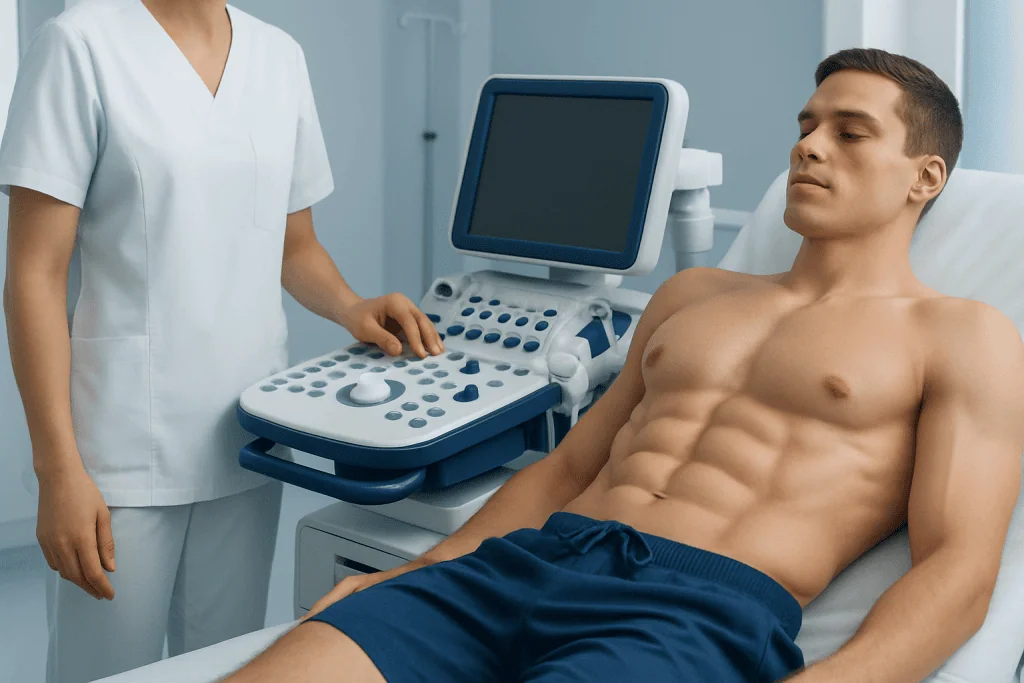
Abdominal definition is affected by several factors at the same time. These include the thickness and development of the abdominal muscles, the amount and location of fat under the skin, overall body composition, posture and skin elasticity. Genetics strongly influence fat distribution. Some people store relatively little fat around the abdomen, while others tend to store more there despite following similar exercise and eating habits.
Sex, age, hormones, pregnancy history and changes in body weight can also affect the abdominal area. Hormonal changes may alter fat distribution or make body composition changes more difficult. With aging, muscle mass and skin elasticity may gradually decrease unless supported by resistance training, adequate nutrition and other healthy lifestyle practices.
Daily fluctuations should not be confused with changes in body fat. Meals, sodium intake, constipation, menstrual-cycle changes and certain digestive conditions can temporarily cause bloating or a fuller-looking abdomen. Lighting, body position and muscle tension can also make definition look very different from one moment to the next.
Core Strength Is Different From Visible Abs
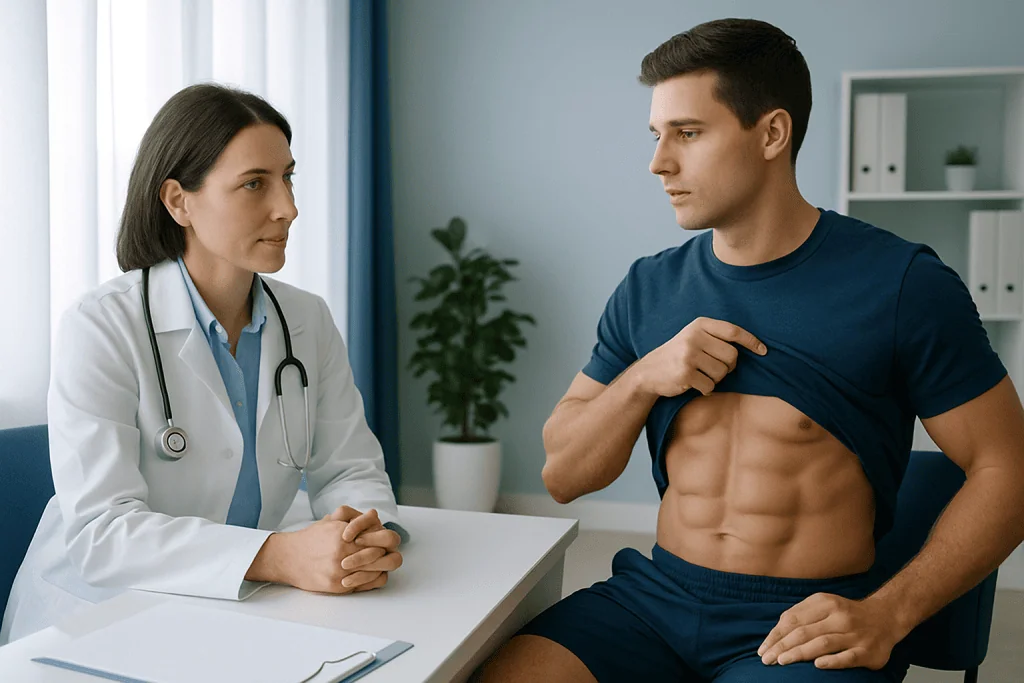
A strong core helps the body transfer force during everyday movement and physical activity. The core includes more than the rectus abdominis: it also involves the deeper transverse abdominal muscles, obliques, back muscles, diaphragm and pelvic-floor muscles. Core strength can support balance, posture and movement control, although it does not guarantee a flat or visibly segmented abdomen.
Exercises such as planks, controlled trunk rotations, dead bugs, bird-dog movements and appropriately supervised resistance exercises can train the core. The best program depends on a person’s current fitness, medical history, goals and any symptoms such as back pain or pelvic-floor concerns. Quality of movement and gradual progression are generally more useful than doing very high numbers of repetitions.
Abdominal exercises strengthen the muscles being trained, but they do not selectively burn fat from the abdomen. This concept is sometimes called “spot reduction,” and it is not supported by exercise science. Fat loss, when it occurs, is influenced by overall energy balance, activity, genetics, sleep, stress and health conditions, rather than by repeatedly exercising one body part.
Food, Activity and Sustainable Body Composition Goals
For people who want to improve strength or body composition, a steady, balanced approach is usually safer and more sustainable than rapid weight-loss plans. Eating patterns built around vegetables and fruits, whole grains or other high-fiber carbohydrates, protein-rich foods and unsaturated fats can help support energy needs, training and general health. Individual needs vary with age, activity, medical conditions, cultural preferences and personal goals.
Regular physical activity is important for health regardless of whether it changes abdominal appearance. A combination of aerobic activity, resistance training and functional core work can improve cardiovascular fitness, preserve or build muscle and support day-to-day mobility. Rest days and a gradual increase in training volume help reduce the likelihood of overuse injuries.
Very restrictive eating, dehydration strategies, excessive exercise and unregulated supplements can lead to fatigue, injury, nutrient deficiencies and changes in mood or hormonal function. People who have diabetes, heart disease, kidney disease, a history of eating disorders, are pregnant or recently postpartum, or take regular medicines should seek individualized advice before making major diet or exercise changes.
- Choose regular meals that provide adequate nutrition rather than skipping meals to change appearance quickly.
- Include resistance training to support muscle strength, with professional guidance when needed.
- Prioritize sleep and recovery, which affect appetite, energy and exercise performance.
- Set goals around strength, endurance, function or wellbeing as well as appearance.
Abdominal Changes That May Need Assessment
Not every change in the abdominal area is related to body fat or fitness. A persistent rounded abdomen may result from digestive bloating, constipation, food intolerance, fluid retention or a medical condition that requires evaluation. A clinician can review symptoms, diet, medicines, medical history and physical findings to determine whether testing is appropriate.
A noticeable ridge or gap along the middle of the abdomen may be diastasis recti, a widening of the connective tissue between the rectus abdominis muscles. It is common during and after pregnancy and can also occur with changes in abdominal pressure. It may improve with targeted rehabilitation, although the right approach depends on symptoms, functional impact and individual anatomy.
A localized bulge that becomes more obvious with coughing, lifting or straining may be a hernia. Hernias are not the same as abdominal muscle definition and should not be managed by trying increasingly intense abdominal exercises. A healthcare professional can assess the cause and advise on appropriate observation, rehabilitation or treatment.
When to Seek Medical Care
Medical advice is recommended for persistent or worsening abdominal pain, a new or enlarging lump or bulge, unexplained weight loss, ongoing bloating, vomiting, changes in bowel habits, blood in the stool, fever or yellowing of the skin or eyes. Urgent medical assessment is important for severe or sudden abdominal pain, repeated vomiting, a painful firm bulge, fainting, or inability to pass stool or gas.
It is also helpful to speak with a doctor, dietitian, physiotherapist or qualified exercise professional when body-image concerns are causing distress, food rules are becoming increasingly restrictive, or exercise feels difficult to control. Support can help a person pursue fitness goals while protecting physical and mental health. Acibadem International’s multidisciplinary specialists and JCI-accredited hospitals can assess abdominal symptoms and support appropriate care for international patients.
A Health-First Approach to Abdominal Fitness
A realistic approach starts with a person’s own baseline, health status and priorities. Rather than trying to match a highly edited or posed image, it can be useful to focus on measurable functional goals, such as improving plank endurance, lifting with better control, walking farther, reducing back discomfort through guided exercise or feeling more energetic during the day.
Progress is rarely linear. Changes in body composition may be gradual, and visible abs may remain limited even when a person is consistently active and well nourished. This does not mean the program has failed. Improvements in strength, blood pressure, blood sugar regulation, mobility and confidence can occur without dramatic visual changes.
A qualified healthcare professional can help set safe targets when there are medical conditions, recent surgery, pregnancy-related changes, pain or a history of disordered eating. Individualized guidance is especially valuable when the goal is to build core function rather than simply change the appearance of the abdomen.
Frequently asked questions
Can everyone get washboard abs?
No. Visible abdominal definition varies substantially because of genetics, natural muscle shape, fat distribution, skin characteristics, age and hormonal factors. Many people can improve core strength and fitness without developing clearly visible abdominal segments.
Do sit-ups burn belly fat?
Sit-ups train the abdominal muscles, but they do not specifically remove fat from the stomach area. Changes in body fat occur throughout the body and are influenced by overall eating patterns, activity, sleep, stress, genetics and health status.
Are washboard abs a sign of good health?
Not necessarily. Visible abs can occur in healthy people, but they are an appearance feature rather than a medical health marker. Strength, cardiovascular fitness, blood pressure, sleep, nutrition and mental wellbeing provide a broader picture of health.
Why does the stomach look flatter in the morning?
The abdomen may look different after an overnight fast because there is less food and fluid in the digestive system. Bloating can also vary during the day in response to meals, carbonated drinks, salt intake, bowel habits and hormonal changes.
Can core workouts help with back pain?
Appropriately selected core exercises may help some people improve movement control and support rehabilitation for certain types of back pain. However, pain has many possible causes, and exercises should be tailored by a clinician or physiotherapist when pain is persistent, severe or associated with weakness or numbness.
Should a person use supplements to get defined abs?
Most supplements marketed for rapid fat loss or abdominal definition have limited evidence and may carry risks, especially when they contain stimulants or undisclosed ingredients. A balanced diet, regular activity and adequate recovery are safer foundations, and a doctor or registered dietitian can advise on individual nutritional needs.
This article is for general information only and is not a substitute for professional medical advice. Please consult a qualified doctor about your individual situation.
Explore treatments in Turkey — costs, top hospitals & a free quote
JCI-accredited · board-certified surgeons · reply within 24h
Add us as a Preferred Source to see more of our trusted health content across Google Search, AI Overviews and Discover.
Check your numbers in seconds
BMI, calories, due date, blood pressure and 30+ more clinical calculators — free, instant, doctor-reviewed ranges.

More from the Health Library

Hangover Shakes: What Patients Need to Know

Purple Cabbage Raw: An Evidence-Based Guide for Patients

Plantar Flexion: A Complete Medical Overview

Forensic Pathologist: A Complete Medical Overview

High Fiber Cereal: An Evidence-Based Guide for Patients