Forensic Pathologist: A Complete Medical Overview
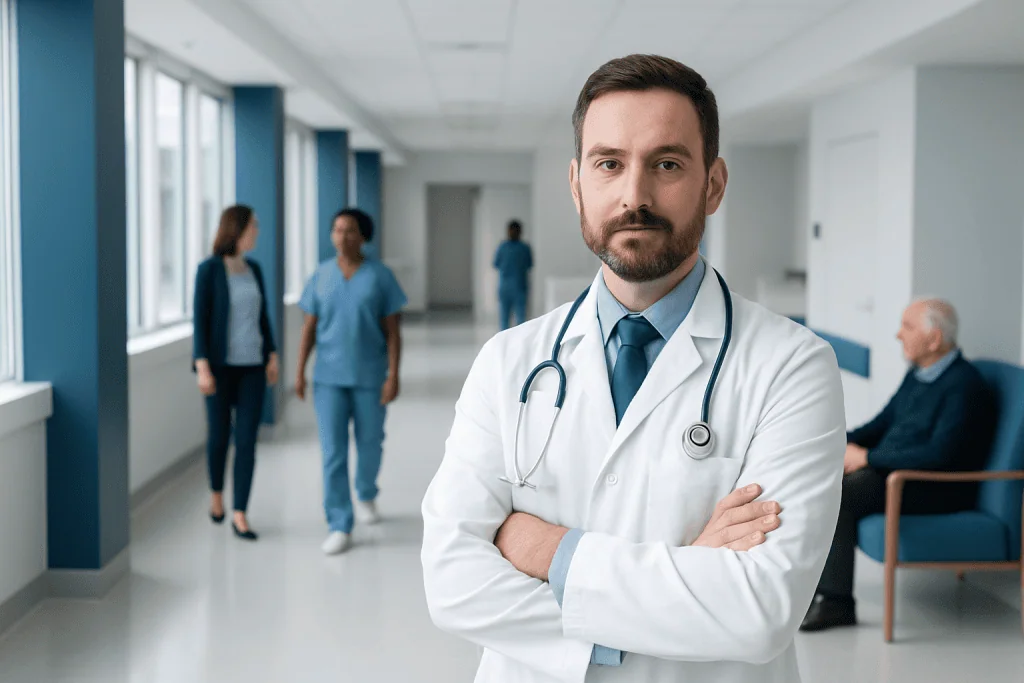
A forensic pathologist is a medical doctor trained in pathology and subspecialty forensic pathology. They perform autopsies, review medical records, examine injuries, and interpret laboratory findings to determine cause of death.
Key Takeaways
- A forensic pathologist is a medical doctor trained in pathology and subspecialty forensic pathology.
- They perform autopsies, review medical records, examine injuries, and interpret laboratory findings to determine cause of death.
- Their conclusions can support families, public health investigations, and legal proceedings.
- Forensic pathologists do not treat living patients in the usual sense, but their findings can help identify inherited or infectious conditions that matter to relatives.
- When a death is unexpected or suspicious, a medical examiner or coroner system may request forensic pathology evaluation.
- Families should seek medical advice if they have health concerns raised by an autopsy finding, such as a possible heart, genetic, or infectious disease.
A forensic pathologist is a physician who specializes in determining the cause and manner of death, especially when a death is sudden, unexplained, violent, or may involve legal questions. Their work combines medical science, careful examination, and collaboration with law enforcement and public health teams to provide clear, evidence-based answers.
Overview: What a Forensic Pathologist Is
A forensic pathologist is a licensed physician with advanced training in pathology who studies deaths to determine how and why they happened. In practical terms, this means examining the body, reviewing medical history, evaluating injuries or disease, and interpreting test results to establish a cause of death and a manner of death. The manner of death is usually classified as natural, accident, suicide, homicide, or undetermined.
Unlike doctors who diagnose and treat living patients day to day, forensic pathologists work at the intersection of medicine, science, and law. They may be employed by medical examiner offices, academic centers, hospitals, or government agencies. Their work helps answer important questions for families, public health authorities, and courts, especially after sudden, unexplained, traumatic, or unattended deaths.
People sometimes use the terms “medical examiner,” “coroner,” and “forensic pathologist” interchangeably, but they are not always the same. A medical examiner is often a physician, and in many systems is specifically trained in forensic pathology. A coroner may be an elected official and may not be a doctor, depending on local law. A forensic pathologist is the specialist physician whose medical expertise is used to investigate the death itself.
What a Forensic Pathologist Does
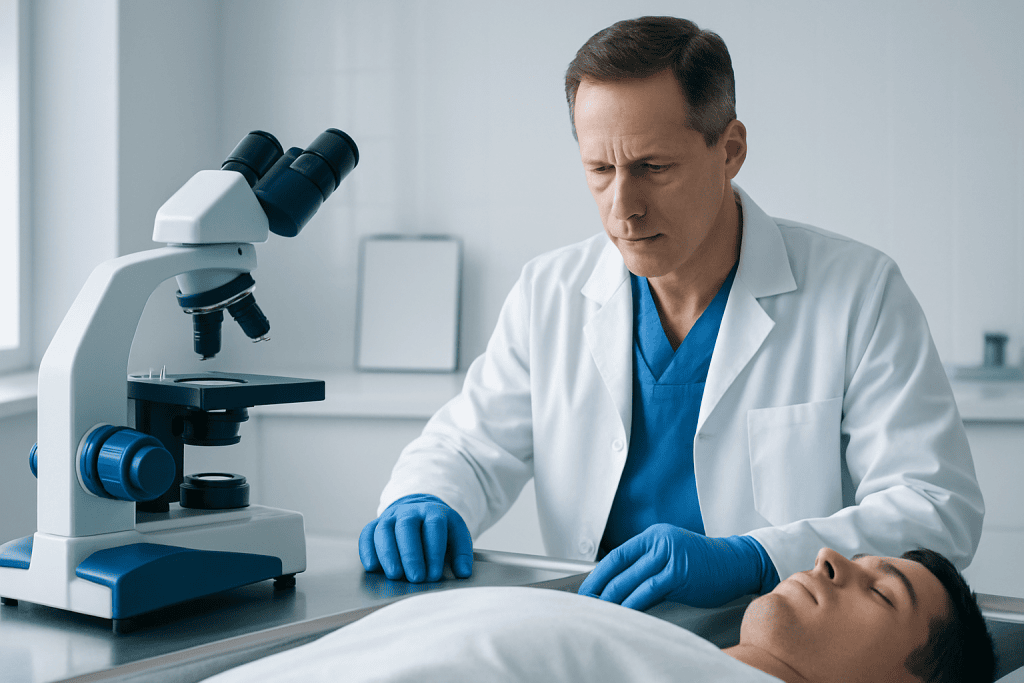
The core task of a forensic pathologist is to determine the cause of death, meaning the specific disease or injury that led to death, and the manner of death, meaning the broader category in which the death occurred. To do this, they bring together multiple sources of information rather than relying on one finding alone. Their work is methodical and evidence-based.
A forensic evaluation may include an external examination, a full autopsy, tissue sampling, toxicology testing, microscopic review of organs, and review of medical records. The doctor may also evaluate the circumstances of death, such as where the person was found, witness statements, medications present at the scene, and known medical history. In some cases, imaging studies may be used to support the examination, especially when injury patterns need clarification.
Common responsibilities include:
- Performing autopsies and documenting findings carefully
- Assessing injuries, disease processes, and signs of natural illness
- Ordering and interpreting toxicology and laboratory tests
- Reviewing hospital records, prescriptions, and prior diagnoses
- Identifying whether an infection, overdose, heart condition, or trauma played a role
- Writing formal reports and, when needed, giving expert testimony in court
In addition to legal investigations, their findings can also support public health. For example, a forensic pathologist may detect trends in overdose deaths, workplace injuries, hidden infections, or inherited heart disorders that could matter to surviving relatives. This makes the specialty important not only for justice, but also for prevention and family awareness.
Training and How This Specialty Differs From Other Pathology Fields
Becoming a forensic pathologist requires full medical training. The physician first completes medical school, then residency training in pathology, usually anatomic pathology or combined anatomic and clinical pathology. After that, they complete a fellowship in forensic pathology, where they gain supervised experience in autopsies, injury interpretation, toxicology, and medicolegal investigation.
This background differs from that of many other pathology specialists. Surgical pathologists usually examine tissue samples taken from living patients to diagnose disease such as inflammation or cancer. Clinical pathologists focus more on laboratory medicine, including blood tests and microbiology. A forensic pathologist, by contrast, specializes in investigating deaths and explaining findings in a medicolegal context.
The field also differs from clinical specialties such as emergency medicine, surgery, or cardiology. Those doctors diagnose and treat illness in living patients. A forensic pathologist does not usually provide ongoing patient care, but the conclusions they reach may still guide healthcare decisions for a family. For example, an autopsy may uncover severe coronary artery disease, an inherited rhythm disorder, or an infectious condition that prompts relatives to seek evaluation for heart disease or other medical concerns.
When a Forensic Pathologist Becomes Involved
Not every death requires forensic pathology review. In many expected deaths, the treating physician can complete the medical certificate based on known illness. A forensic pathologist is more likely to become involved when the death is sudden, unexpected, unexplained, traumatic, suspicious, or occurs without a doctor able to certify the cause.
Examples include deaths related to injuries, possible overdoses, accidents, suspected violence, deaths in custody, workplace incidents, or deaths that occur very soon after a person seemed well. They may also review deaths where an underlying disease is suspected but not documented. In infants and children, unexpected deaths are often examined especially carefully to look for infection, congenital conditions, trauma, or metabolic disease.
An autopsy is not performed automatically in every case. The decision depends on local laws, available clinical information, the circumstances of death, and whether the findings are likely to answer important unanswered questions. Sometimes an external examination, medical record review, toxicology, or imaging is enough. In other situations, a full autopsy is the most reliable way to establish the diagnosis.
How Cause of Death Is Determined
Determining cause of death is a step-by-step medical process. The forensic pathologist starts with the available history and scene information, then examines the body externally for injuries, medical devices, skin changes, or signs of illness. If an autopsy is performed, the internal organs are examined to identify disease, bleeding, blockages, infection, or other abnormalities.
Laboratory support is often essential. Toxicology can help detect alcohol, medications, opioids, stimulants, or other substances. Microscopic examination can reveal inflammation, infection, heart muscle disease, liver injury, or early changes that are not obvious to the naked eye. Additional studies may include microbiology, genetic testing in select cases, or radiologic imaging when fractures or internal trauma need further assessment.
For example, a person who dies suddenly may have no visible external injury, yet the heart may show severe artery narrowing or a structural abnormality. In another case, a person with trauma may also have intoxication or an underlying medical condition that contributed. The forensic pathologist weighs all of these findings together rather than focusing on one clue in isolation.
Because some conditions overlap, answers are not always immediate. Final reports may take time if specialized tests are pending. This can be difficult for families, but careful review improves accuracy. When the findings suggest a condition that may matter to surviving relatives, clinicians may recommend follow-up such as cardiology evaluation or genetic counseling through appropriate medical services.
Why Forensic Pathology Matters for Families and Public Health
For families, one of the most important roles of a forensic pathologist is providing a medically grounded explanation for an unexpected death. Even when the answer is painful, a clear explanation can reduce uncertainty and support practical next steps such as legal documentation, family screening, and counseling. It may also clarify whether a death was due to disease, injury, substance exposure, or a combination of factors.
In some situations, autopsy findings identify conditions that have implications for close relatives. Examples include inherited heart disorders, aneurysm-related diseases, certain metabolic conditions, or infections. A family doctor may then recommend follow-up testing, such as check-up and screening, blood tests, or specialist referral. If a stroke-related vascular problem or brain hemorrhage is suspected in a family pattern, clinicians may advise assessment through services such as neurology or other targeted specialties.
At the population level, forensic pathology supports public health surveillance. It can help identify outbreaks, environmental hazards, drug trends, unsafe products, and patterns of violence or injury. These insights may guide prevention efforts, workplace safety changes, infectious disease responses, and education around medication safety and substance use.
Near the end of the care pathway for families who need follow-up, Acibadem International’s multidisciplinary specialists and JCI-accredited hospitals diagnose and treat related medical conditions for international patients when further evaluation is needed after autopsy findings.
When to Seek Medical Care
A forensic pathologist does not replace a personal doctor, and families should not wait for legal or autopsy processes if they have active health concerns. Medical care should be sought promptly for symptoms such as chest pain, fainting, unexplained shortness of breath, severe headache, new weakness, seizures, high fever, or signs of overdose. These symptoms need urgent assessment in a clinical setting.
Families should also arrange medical follow-up if an autopsy report suggests a condition that may run in the family, such as sudden cardiac death, inherited rhythm problems, aneurysm disorders, or certain infections. A primary care doctor can review the report and guide referrals. Depending on the findings, referral may be made to cardiology, neurology, infectious diseases, or genetics.
If the report mentions cancer, chronic organ disease, or another serious diagnosis that was previously unknown, relatives may have questions about whether they should be screened. A qualified physician can explain what is relevant to family members and what is not. This is especially important because not every autopsy finding indicates inherited risk.
Common Misunderstandings About Forensic Pathologists
One common misunderstanding is that a forensic pathologist only works on homicide cases. In reality, much of the work involves natural deaths that were sudden or unexplained, accidental deaths, overdoses, and deaths where the circumstances are unclear. Their role is to follow the medical evidence, not to assume a particular conclusion.
Another misconception is that autopsy always provides every answer. Although autopsy is a powerful diagnostic tool, some conditions leave limited physical signs, and some results depend on toxicology, microscopy, or genetic testing that take time. In a small number of cases, the manner or cause of death may remain undetermined even after a thorough investigation.
People also sometimes believe that forensic pathology is mainly dramatic courtroom work. Court testimony can be part of the job, but most of the work is careful medical examination, documentation, and collaboration with laboratories and investigators. Accuracy, objectivity, and attention to detail are more important than dramatic conclusions.
Finally, families may worry that an autopsy is only useful for legal reasons. In fact, it can also reveal treatable or preventable conditions that matter to surviving relatives, such as advanced vascular disease, infection, or disorders related to stroke risk. When questions remain after a report is issued, discussing the findings with a doctor is often the best next step.
Frequently asked questions
What is a forensic pathologist in simple terms?
A forensic pathologist is a medical doctor who investigates deaths to determine the medical cause and the manner of death. They use autopsies, laboratory testing, medical records, and scene information to reach an evidence-based conclusion.
Is a forensic pathologist the same as a coroner?
Not always. A forensic pathologist is a physician with specialist training in pathology and death investigation, while a coroner may or may not be a doctor depending on local law. In some systems, a coroner oversees the case and a forensic pathologist performs the medical examination.
Do all unexpected deaths require an autopsy?
No. Some cases can be clarified through an external examination, review of records, toxicology, or imaging without a full autopsy. The decision depends on the circumstances, legal requirements, and whether an autopsy is likely to answer important questions.
How long does it take to get final results from a forensic pathologist?
Initial findings may be available sooner, but final reports often take longer because toxicology, microscopy, and other specialized tests need time. The exact timeline varies by case complexity and local laboratory processes.
Can autopsy findings help living family members?
Yes. Sometimes an autopsy identifies an inherited heart problem, a vascular disorder, or an infection that may be relevant to relatives. In that situation, family members may be advised to speak with a doctor about screening or specialist evaluation.
Does a forensic pathologist decide whether someone committed a crime?
No. A forensic pathologist provides medical opinions about injuries, disease, cause of death, and manner of death. Legal responsibility is determined by investigators and the justice system, using medical findings along with other evidence.
References
- Centers for Disease Control and Prevention
- National Institutes of Health
- College of American Pathologists
- National Association of Medical Examiners
- World Health Organization
This article is for general information only and is not a substitute for professional medical advice. Please consult a qualified doctor about your individual situation.
Explore treatments in Turkey — costs, top hospitals & a free quote
JCI-accredited · board-certified surgeons · reply within 24h
Add us as a Preferred Source to see more of our trusted health content across Google Search, AI Overviews and Discover.

More from the Health Library
Burn Marks: A Complete Medical Overview
Dopamine Detox: What Patients Need to Know
Navel: A Complete Medical Overview
Calculus Bridge: An Evidence-Based Guide for Patients
Homemade Remedy for Spider Bites: An Evidence-Based Guide for Patients