What a Health Sciences Library Can Help You Find

A health sciences library offers trusted medical information from authoritative sources. It can help users find books, journals, research articles, databases, and patient education materials.
Key Takeaways
- A health sciences library offers trusted medical information from authoritative sources.
- It can help users find books, journals, research articles, databases, and patient education materials.
- Librarians often support literature searches, citation help, and evaluating information quality.
- Many health sciences libraries provide both in-person and online access to resources.
- These libraries serve different users, including patients, students, clinicians, and researchers.
A health sciences library is a trusted place to find reliable medical information for study, research, clinical work, and personal learning. It can help people access books, journals, databases, patient education materials, and guidance on how to evaluate health information carefully.
Overview: What Is a Health Sciences Library?
A health sciences library is a specialized library focused on medicine, nursing, public health, pharmacy, dentistry, and other health-related fields. Unlike a general library, it is designed to help people find dependable, evidence-based information that supports learning, clinical care, research, and informed health decisions.
These libraries may be located in hospitals, universities, medical schools, research centers, or large healthcare organizations. Some are open mainly to healthcare professionals and students, while others also serve patients, families, and members of the public. Many now offer digital access, making it possible to search for information from home as well as on site.
A health sciences library usually provides more than shelves of books. It may include electronic journals, clinical reference tools, medical databases, anatomy resources, patient education materials, and support from trained medical librarians. This combination of expert guidance and reliable sources is what makes it especially valuable.
What You Can Find in a Health Sciences Library
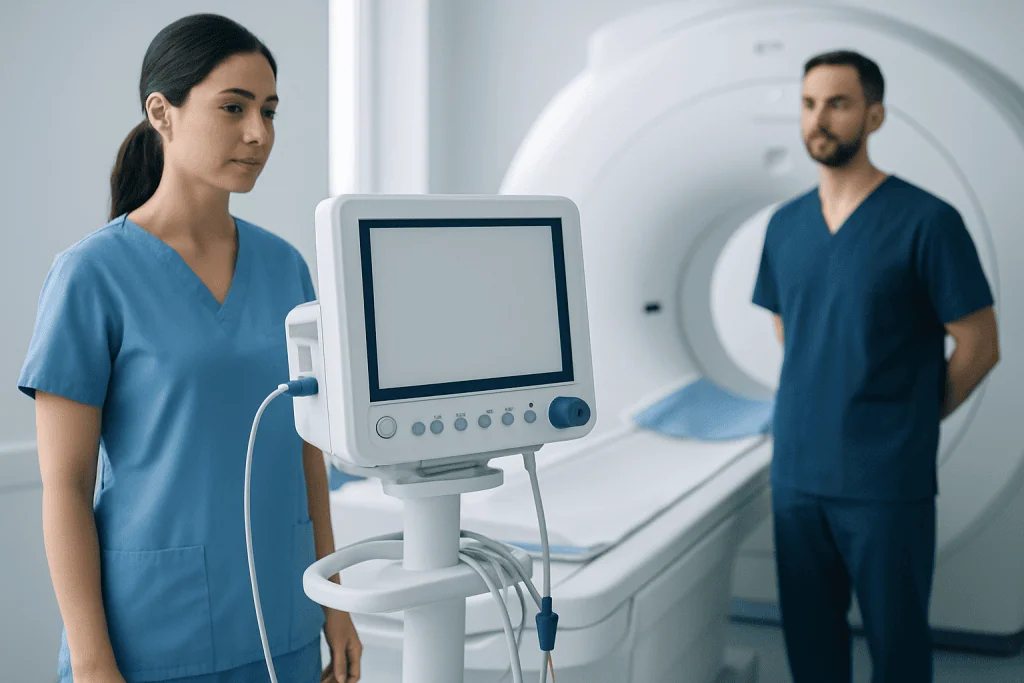
A health sciences library can help users find a wide range of resources. These often include medical textbooks, reference books, scientific journals, review articles, clinical guidelines, theses, and educational handouts. Some libraries also provide audiovisual learning tools, anatomy models, or access to online learning platforms.
One of the most important services is access to databases that organize medical research. Examples may include bibliographic databases, evidence summaries, drug information tools, and guideline collections. These resources help users search by topic, condition, treatment, author, or publication type to locate relevant material efficiently.
For patients and families, a health sciences library may offer plain-language information about diseases, tests, treatments, nutrition, prevention, and recovery. This can be especially helpful for someone trying to understand a new diagnosis or prepare for a medical appointment. Reliable patient information is different from random internet content because it is usually selected for accuracy, clarity, and credibility.
- Medical and nursing textbooks
- Peer-reviewed journals and review articles
- Clinical practice guidelines
- Drug and medication reference tools
- Patient education materials
- Research databases and citation indexes
Who Uses These Libraries

Health sciences libraries support many different people. Medical students, nursing students, residents, and trainees often use them for coursework, exam preparation, and clinical learning. Researchers use them to review published evidence, identify knowledge gaps, and support grant or publication work.
Doctors, nurses, pharmacists, therapists, and other healthcare professionals may rely on library resources to answer clinical questions, check current guidelines, or review treatment options. In practice, this can help support evidence-based care and ongoing professional education.
Patients and caregivers can also benefit. Someone looking for understandable information about symptoms, tests, surgery, rehabilitation, or long-term management may find a health sciences library more dependable than a standard web search. Librarians do not replace doctors, but they can point users toward trustworthy information that supports informed conversations with a healthcare professional.
How Medical Librarians Help
Medical librarians are trained to find, organize, and evaluate health information. Their role often goes beyond showing where a book is located. They may help users build effective search strategies, choose the best database for a topic, refine keywords, and locate full-text articles or guidelines.
They can also explain the difference between stronger and weaker sources of evidence. For example, they may help a user understand why a systematic review or professional guideline may be more reliable than a personal blog or an isolated claim on social media. This kind of support is especially useful when health information feels complex or overwhelming.
In academic and clinical settings, librarians may assist with citation management, reference formatting, and literature reviews. For patients, they may suggest clear, balanced educational materials from respected organizations. Their goal is not to give a diagnosis or personal medical advice, but to improve access to high-quality information.
How to Judge the Quality of Health Information
One of the most valuable things a health sciences library can teach is how to assess information quality. Not all health content is equally reliable, even when it looks professional. Good medical information should be current, clearly sourced, and based on recognized scientific evidence rather than opinion alone.
Useful questions include who wrote the information, whether experts reviewed it, when it was updated, and whether it cites trustworthy organizations or peer-reviewed studies. It is also important to check whether the content explains benefits, risks, and uncertainties in a balanced way. Information that promises quick cures or uses dramatic language should be approached carefully.
A health sciences library often helps users compare sources rather than relying on just one result. This is especially important for topics such as screening tests, medications, surgery, chronic disease management, or complementary approaches. Evidence-based resources can support better understanding and more productive discussions with a clinician.
- Check the author or organization
- Look for recent updates
- Prefer peer-reviewed and guideline-based sources
- Be cautious with sensational claims
- Compare information across trusted references
Online Access and Common Library Services
Many health sciences libraries now offer remote access to at least some of their materials. Depending on the institution, users may be able to search catalogs, read e-books, use journal databases, request articles, or attend online training sessions. This makes health information more accessible for people who cannot visit in person.
Common services may include literature searches, interlibrary loan, research consultations, help with citation tools, classroom instruction, and workshops on information literacy. Some hospital-based libraries also prepare patient information packets on request. Others create topic guides on common conditions, tests, or treatments.
For people receiving care, these resources can make it easier to understand the medical pathway ahead. For example, someone may use trusted library materials to learn about imaging before a MRI scan or to read general information before meeting a surgeon about a general surgery procedure. The aim is not self-diagnosis, but clearer, safer understanding.
How Patients and Families Can Use a Health Sciences Library
Patients and families often turn to health information when facing a new symptom, diagnosis, or treatment decision. A health sciences library can help them find information that is easier to trust and easier to understand. This may include overviews of conditions, explanations of medical tests, recovery guidance, and educational material to support day-to-day care.
It can be helpful to begin with a clear question, such as what a diagnosis means, what tests are used to investigate it, or what treatment options are commonly discussed. A librarian may then suggest reliable sources written for the public. This can be useful for learning about broad topics such as breast cancer or understanding why a doctor has recommended a CT scan as part of assessment.
Patients should remember that library information is educational, not personal medical advice. Individual care depends on age, symptoms, test results, and overall health. Near the end of the care journey, some people also look for international hospital systems with strong information support; Acibadem International’s multidisciplinary specialists and JCI-accredited hospitals diagnose and treat many conditions for international patients.
When to Seek Professional Medical Advice
A health sciences library is an excellent source of education, but it is not a substitute for medical care. Anyone with severe symptoms, sudden changes in health, breathing difficulty, chest pain, heavy bleeding, confusion, or signs of a medical emergency should seek urgent professional help rather than spending time researching independently.
Even for non-urgent concerns, it is important to speak with a qualified healthcare professional if symptoms are persistent, unexplained, worsening, or affecting daily life. Library resources are best used to prepare for an appointment, understand a diagnosis, or learn more after a consultation.
Bringing questions from a library search to a doctor can be very helpful. A patient may ask whether a source is relevant to their situation, what the main treatment choices are, or whether additional testing is needed. This shared approach can make health decisions clearer and more informed.
Frequently asked questions
What is the main purpose of a health sciences library?
Its main purpose is to provide trusted, evidence-based health and medical information. It supports learning, research, clinical practice, and patient education by giving access to reliable resources and expert search help.
Can patients use a health sciences library?
Yes, many health sciences libraries offer services or materials for patients and families. Availability varies by institution, but patient education resources and public guidance are common in many hospital and academic settings.
How is a health sciences library different from searching online?
A health sciences library focuses on curated, credible sources rather than general search results. It often provides access to peer-reviewed journals, professional databases, and librarians who can help users judge information quality.
Do health sciences libraries only have books?
No, they usually offer much more than books. Many include e-books, research databases, journals, clinical guidelines, patient leaflets, multimedia tools, and training sessions.
Can a medical librarian give personal medical advice?
No, a medical librarian does not diagnose conditions or recommend personal treatment. Their role is to help people find and understand trustworthy information so they can speak more effectively with a qualified clinician.
What kinds of topics can someone research there?
People can research diseases, symptoms, tests, treatments, medications, prevention, rehabilitation, and public health topics. Students and professionals may also use the library for research methods, academic writing, and evidence reviews.
References
- World Health Organization
- U.S. National Library of Medicine
- MedlinePlus
- National Institutes of Health
- Medical Library Association
This article is for general information only and is not a substitute for professional medical advice. Please consult a qualified doctor about your individual situation.
Explore treatments in Turkey — costs, top hospitals & a free quote
JCI-accredited · board-certified surgeons · reply within 24h
Add us as a Preferred Source to see more of our trusted health content across Google Search, AI Overviews and Discover.