What are gyno? A Doctor-Reviewed Answer

“Gyno” is a common informal term for gynecomastia, or enlargement of male breast gland tissue. Gynecomastia is different from chest fat caused by weight gain alone.
Key Takeaways
- “Gyno” is a common informal term for gynecomastia, or enlargement of male breast gland tissue.
- Gynecomastia is different from chest fat caused by weight gain alone.
- Hormone changes, medications, medical conditions, and some substances can contribute to gyno.
- A medical evaluation may include an exam, blood tests, and sometimes imaging to find the cause.
- Treatment depends on the cause and may include observation, medication review, weight management, or surgery in selected cases.
“Gyno” usually refers to gynecomastia, a common condition where glandular breast tissue enlarges in males. It can happen during infancy, puberty, or older age, and while it is often benign, a doctor can help identify whether hormones, medicines, weight gain, or another health issue is involved.
What does “gyno” mean?
When people ask, “what are gyno,” they are usually referring to gynecomastia. This is the enlargement of glandular breast tissue in males. It can affect one side or both sides and may appear as a firm or rubbery mound under the nipple area.
Gynecomastia is not the same as simple fat accumulation in the chest. Extra fatty tissue related to weight gain is often called pseudogynecomastia, while true gynecomastia involves growth of breast gland tissue. The two can also occur together, which is why a physical examination is useful.
In many cases, gyno is linked to shifts in the balance between estrogen and testosterone. These hormone changes are common at certain stages of life, especially in newborns, adolescents, and older adults. Although the condition is often harmless, persistent or new symptoms should be assessed by a qualified doctor.
How gynecomastia can look and feel
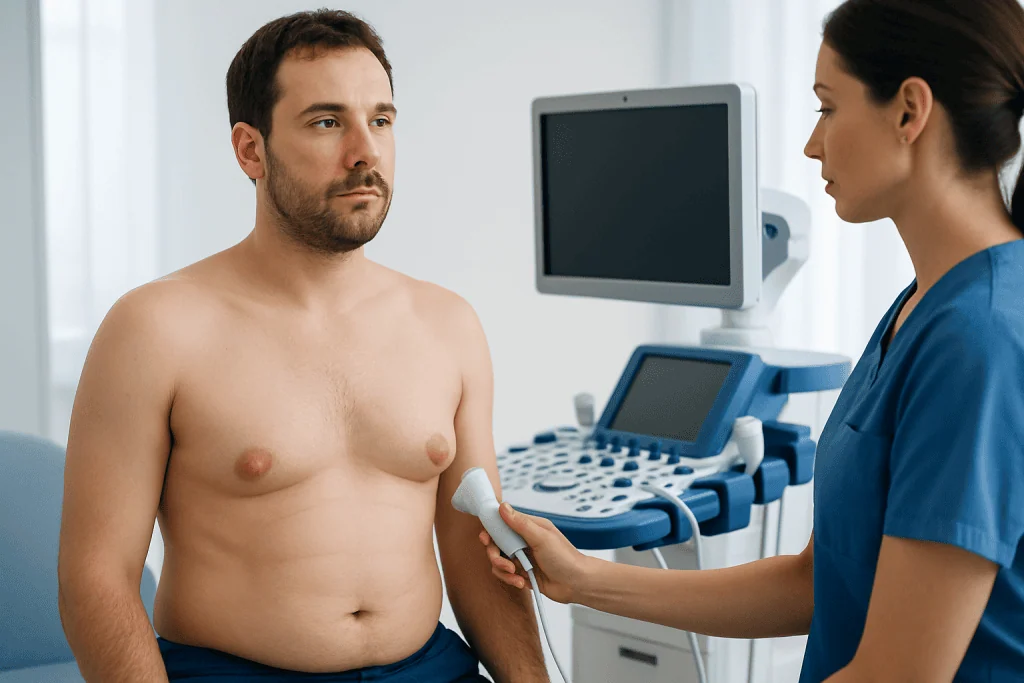
Gynecomastia may be noticed as a swollen, rounded, or raised area beneath the nipple. Some people describe tenderness, sensitivity, or a feeling of fullness in the chest. The tissue can feel firmer than surrounding fat.
The appearance can vary widely. In some people, it is mild and only visible in fitted clothing. In others, enlargement is more obvious and may affect body image or confidence. One breast may be larger than the other, which can still be consistent with gynecomastia.
Symptoms that deserve closer attention include rapid growth, significant pain, nipple discharge, skin changes, or a hard, fixed lump that is off-center from the nipple. These features do not automatically mean something serious, but they should prompt timely medical review to rule out other causes, including breast cancer.
Common causes and risk factors

The most common reason for gynecomastia is a change in hormone balance. Estrogen encourages breast tissue growth, while testosterone counteracts it. If estrogen effects become relatively stronger, breast gland tissue may enlarge. This can happen naturally in newborns, during puberty, and later in life as testosterone levels decline.
Medications are another important cause. Certain drugs used for heart disease, stomach acid, mental health conditions, prostate disorders, or hormone-related treatment may contribute. Some anabolic steroids, testosterone products, alcohol, marijuana, and other recreational substances have also been linked with gynecomastia.
Underlying health conditions can play a role as well. These include liver disease, kidney disease, thyroid disorders, testicular problems, obesity, and some tumors that affect hormones. When gyno appears suddenly, is progressive, or occurs with other symptoms such as weight loss, reduced libido, or infertility, doctors may investigate for endocrine causes such as hormone disorders.
- Puberty-related hormone changes
- Older age and lower testosterone levels
- Overweight or obesity
- Prescription medicines and supplements
- Alcohol, marijuana, or anabolic steroid use
- Thyroid, liver, kidney, or testicular disorders
How doctors diagnose gyno
Diagnosis starts with a medical history and physical examination. A doctor will ask when the breast enlargement started, whether it is painful, whether one or both sides are affected, and what medications or supplements are being used. They may also ask about alcohol or substance use, puberty timing, sexual health, and any symptoms suggesting hormone imbalance.
On examination, the clinician tries to determine whether the enlargement is mostly gland tissue, mostly fat, or a combination. The doctor also checks for tenderness, skin changes, nipple changes, testicular abnormalities, or enlarged lymph nodes. This step often provides important clues about the likely cause.
Depending on age, symptoms, and exam findings, testing may include blood work to evaluate hormone levels, liver function, kidney function, and thyroid function. Some people may need imaging such as ultrasound or mammography if the lump is unusual or suspicious. In selected cases, doctors may recommend further assessment through breast ultrasound or broader endocrinology evaluation to clarify the cause.
Treatment options for gynecomastia
Treatment depends on the cause, the person’s age, how long the condition has been present, and how bothersome it is. If gynecomastia appears during puberty, doctors often recommend observation because it frequently improves on its own over time. If a medicine or substance is contributing, adjusting or stopping it under medical guidance may help.
When an underlying medical problem is found, treating that condition is the main step. For example, managing thyroid disease, liver disease, or low testosterone may reduce ongoing breast tissue stimulation. Weight management may also improve chest appearance when excess fatty tissue is part of the problem, although it may not remove glandular tissue completely.
If gyno is persistent, painful, or causing significant distress, specialist treatment may be considered. In selected cases, this can include medication prescribed by a doctor or surgery to remove excess gland tissue and improve chest contour. Surgical care may involve techniques related to gynecomastia surgery or, when excess fat is a major component, liposuction. Any procedure should follow a clear diagnosis and discussion of benefits, limitations, and recovery.
Self-care, prevention, and what not to do
Not every case of gynecomastia can be prevented, especially when it is related to normal life-stage hormone changes. Still, some practical steps may reduce risk or help limit progression. Maintaining a healthy weight, reviewing medications with a doctor, and avoiding non-prescribed anabolic steroids or hormone products are sensible measures.
Limiting alcohol and avoiding recreational drugs such as marijuana may also be helpful in some people. If chest enlargement begins after starting a new medication or supplement, it is best not to stop treatment abruptly without medical advice. A doctor can assess whether a safer alternative is appropriate.
Home remedies, online “testosterone boosters,” and unregulated supplements are not reliable treatments for gyno and may sometimes worsen hormone balance. Supportive clothing can improve comfort and confidence, but it does not treat the underlying tissue change. A proper medical assessment is the safest way to understand the cause and choose the right next step.
When to seek medical care
It is reasonable to seek medical advice if breast enlargement is new, persistent, painful, or emotionally distressing. An evaluation is also important if only one side is affected, if the lump feels hard or fixed, or if there are nipple or skin changes. These signs often turn out to be benign, but they should not be ignored.
Prompt assessment is especially important if gyno develops rapidly, follows use of anabolic steroids or hormonal products, or occurs with symptoms such as testicular swelling, infertility, low sex drive, unexplained weight loss, or general illness. These clues can point to a hormone-related or systemic cause that needs treatment.
For people seeking specialist assessment, Acibadem International’s multidisciplinary teams in JCI-accredited hospitals diagnose and treat gynecomastia and related endocrine or breast concerns for international patients. The goal is a careful evaluation that identifies the cause first and then matches treatment to the individual.
Frequently asked questions
Is gyno the same as chest fat?
Not exactly. “Gyno” usually refers to gynecomastia, which is enlargement of breast gland tissue, while chest fat alone is usually related to weight gain. A doctor can often tell the difference with an examination, though some people have both.
Can gynecomastia go away on its own?
Yes, sometimes it can. Puberty-related gynecomastia often improves over months to a few years without treatment. If it persists, grows, or causes discomfort, a medical review is a good idea.
What causes gyno in adults?
Adult gynecomastia can be caused by hormone changes, certain medicines, alcohol or drug use, obesity, and medical conditions affecting the liver, kidneys, thyroid, or testes. In some cases, no single cause is found. A doctor may recommend tests based on symptoms and examination findings.
Is gynecomastia dangerous?
Most cases are not dangerous and are benign. However, new or one-sided breast enlargement, nipple discharge, skin changes, or a hard lump should be assessed to rule out less common but important causes. This is why proper diagnosis matters.
How is gyno treated without surgery?
Non-surgical treatment focuses on the cause. It may include observation, changing a contributing medication under medical supervision, treating an underlying condition, and addressing weight if excess fat is part of the chest enlargement. Surgery is usually considered only when symptoms persist or significantly affect quality of life.
Does exercise fix gynecomastia?
Exercise can help reduce body fat and improve chest appearance, especially if excess fat is part of the problem. But exercise does not remove enlarged glandular breast tissue itself. If the chest remains enlarged despite fitness efforts, a doctor can help determine whether true gynecomastia is present.
References
- National Institute of Diabetes and Digestive and Kidney Diseases
- Mayo Clinic
- Merck Manual Consumer Version
- American Society of Plastic Surgeons
- Endocrine Society
This article is for general information only and is not a substitute for professional medical advice. Please consult a qualified doctor about your individual situation.
Medical weight-loss options in Turkey — costs & eligibility
JCI-accredited · board-certified surgeons · reply within 24h
Add us as a Preferred Source to see more of our trusted health content across Google Search, AI Overviews and Discover.