What Are Neurodegenerative Diseases? Symptoms, Progression, and Care

Neurodegenerative diseases involve progressive loss of nerve cell function over time. Symptoms may affect memory, movement, speech, balance, behavior, or swallowing.
Key Takeaways
- Neurodegenerative diseases involve progressive loss of nerve cell function over time.
- Symptoms may affect memory, movement, speech, balance, behavior, or swallowing.
- Diagnosis often combines medical history, neurological examination, imaging, and laboratory tests.
- Treatment usually focuses on symptom control, rehabilitation, safety, and supportive care.
- Early care planning and regular follow-up can improve daily functioning and quality of life.
Neurodegenerative diseases are long-term conditions that gradually damage nerve cells in the brain, spinal cord, or peripheral nerves. Their symptoms and progression vary, but early evaluation, supportive care, and ongoing treatment can help preserve function and quality of life.
Overview of Neurodegenerative Diseases
Neurodegenerative diseases are a group of conditions in which nerve cells gradually lose function and may eventually die. This damage can affect different parts of the nervous system, including the brain, spinal cord, and nerves that control movement, sensation, thinking, and behavior. Because the nervous system has many roles, the effects of these conditions can vary widely from person to person.
Common examples include Alzheimer’s disease, Parkinson’s disease, Huntington’s disease, amyotrophic lateral sclerosis (ALS), and some forms of frontotemporal dementia. Each disorder has its own pattern of symptoms, but they share one important feature: they tend to progress over time. In many cases, symptoms begin subtly and become more noticeable gradually.
Although these diseases are often associated with aging, they are not considered a normal part of getting older. Some develop mainly in later life, while others can begin earlier. Ongoing research continues to improve understanding of how abnormal proteins, genetic factors, inflammation, vascular changes, and other processes contribute to nerve cell damage.
For patients and families, it can be reassuring to know that care does not focus only on the disease itself. Even when a cure is not available, treatment plans may help manage symptoms, support independence, and improve comfort and communication throughout the course of the condition.
Symptoms and How They May Progress
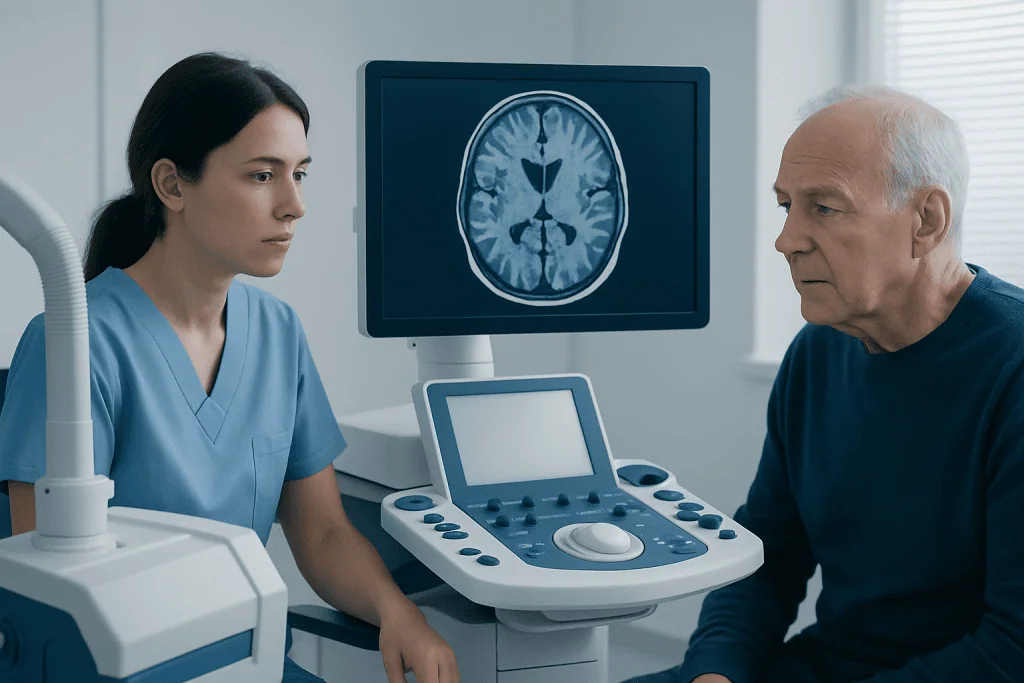
The symptoms of neurodegenerative diseases depend on which areas of the nervous system are affected. Some people first notice memory lapses, confusion, or changes in judgment. Others develop tremor, stiffness, slowed movement, poor balance, muscle weakness, speech problems, or difficulty swallowing. Mood and behavior changes, sleep disturbances, and fatigue can also occur.
Progression is often gradual, but the speed can differ greatly between diseases and between individuals. In early stages, symptoms may be mild and easy to overlook. Over time, they may interfere more with work, social activities, driving, financial tasks, personal care, or mobility. Some people experience periods of relative stability, while others notice a more steady decline.
Symptoms may include:
- Memory loss or difficulty learning new information
- Problems with planning, attention, or decision-making
- Tremor, stiffness, slowness, or involuntary movements
- Balance problems, falls, or changes in walking
- Speech or language difficulties
- Muscle weakness or reduced coordination
- Behavior, personality, or mood changes
- Swallowing difficulties or unintentional weight loss
Because many symptoms overlap with other medical conditions, a symptom alone does not confirm a neurodegenerative disease. Careful evaluation is important, especially when changes are progressive or begin affecting daily life. Early recognition can also help patients and families plan for treatment, safety, work, and long-term support.
Causes and Risk Factors

In many neurodegenerative diseases, the exact cause is not fully understood. Researchers believe that several processes may contribute, including buildup of abnormal proteins in or around nerve cells, genetic mutations, oxidative stress, mitochondrial dysfunction, inflammation, and problems with how cells handle waste products. In some conditions, more than one mechanism may be involved.
Age is one of the most important risk factors for many of these disorders, but it is not the only one. Family history can increase risk in some diseases, especially when inherited genetic changes are present. Exposure to certain environmental toxins, repeated head injury, and vascular risk factors such as high blood pressure or diabetes may also play a role in selected conditions.
Risk factors can include:
- Older age
- Family history of specific neurological diseases
- Known inherited gene mutations
- Smoking or long-term vascular risk factors
- Head trauma in some situations
- Environmental exposures under investigation
It is important to remember that having a risk factor does not mean a person will definitely develop a disease, and some people develop a neurodegenerative condition without any clear risk factors. Genetic counseling may be helpful when there is a strong family history or concern about inherited disorders.
How Neurodegenerative Diseases Are Diagnosed
Diagnosis begins with a detailed medical history and neurological examination. The doctor will ask about symptoms, when they started, how they have changed, and whether there is a family history of similar problems. A careful exam helps assess movement, balance, strength, reflexes, sensation, speech, memory, and other cognitive functions.
Additional tests are often used to support the diagnosis and rule out other treatable conditions. Brain imaging such as MRI may help identify structural changes or exclude stroke, tumor, or <a href="https://acibademinternational.com/diseases/normal-pressure-hydrocephalus/”>normal pressure hydrocephalus. Blood tests can check for vitamin deficiencies, thyroid disorders, infections, autoimmune conditions, or metabolic problems that may mimic a neurodegenerative disorder.
Depending on the symptoms, assessment may also include neuropsychological testing, electromyography, sleep studies, spinal fluid analysis, or genetic testing. In memory-related conditions, formal cognitive testing can clarify which skills are affected and how severely. In movement disorders, specialized neurological assessment helps distinguish between Parkinsonian syndromes and other causes of tremor or stiffness.
A diagnosis may take time, especially early in the disease course when symptoms are subtle or overlap with other conditions. Follow-up visits are often important because the pattern of change over months can provide valuable diagnostic clues. A multidisciplinary team approach may be especially helpful when symptoms involve both cognitive and physical function.
Treatment Options and Supportive Care
Treatment for neurodegenerative diseases depends on the specific diagnosis, the stage of disease, and the person’s symptoms and goals. In many cases, care focuses on slowing functional decline where possible, relieving symptoms, preventing complications, and maintaining independence for as long as possible. Medications may help with memory symptoms, movement problems, mood changes, sleep issues, muscle stiffness, or pain, depending on the condition.
Rehabilitation is often an important part of care. Physical therapy can help with strength, balance, posture, and fall prevention. Occupational therapy supports daily activities such as dressing, bathing, writing, and home safety. Speech and language therapy may help with communication and swallowing, which can be especially important in advanced disease.
Supportive care may include:
- Medication review and symptom-targeted treatment
- Physical, occupational, and speech therapy
- Nutritional support and swallowing assessment
- Mental health support for anxiety, depression, or caregiver stress
- Mobility aids and home adaptations
- Advance care planning and social services support
For some patients, specialist procedures or device-based therapies may be considered depending on the diagnosis. Palliative care can also play an important role, not only at the end of life but earlier, to improve comfort, communication, and quality of life. Near the end of the care journey, patients may benefit from multidisciplinary specialists; Acibadem International’s JCI-accredited hospitals provide diagnosis and treatment for international patients with complex neurological conditions.
Prevention, Self-care, and Living Well
Not all neurodegenerative diseases can be prevented, especially when strong genetic factors are involved. However, healthy lifestyle choices may support overall brain health and may reduce the risk of some conditions or help maintain function longer. Managing blood pressure, cholesterol, and diabetes is especially important because vascular health affects the brain as well as the heart.
Regular physical activity, good sleep, social engagement, and a balanced diet may support cognitive and physical well-being. Mentally stimulating activities, hearing and vision care, and avoiding smoking are also sensible steps. For people who already have a diagnosis, structured daily routines, medication reminders, and a safe home environment can reduce stress and support independence.
Helpful self-care strategies include:
- Staying physically active within safe limits
- Eating regular, nutritious meals and staying hydrated
- Keeping follow-up appointments and taking medicines as prescribed
- Using calendars, notes, or digital reminders for daily tasks
- Reducing fall risks by improving lighting and removing trip hazards
- Seeking caregiver support and respite when needed
Living with a neurodegenerative disease can be emotionally challenging for both patients and families. Joining a support group, speaking with a counselor, or working with a social worker may help people cope with uncertainty and practical changes. Small adjustments in communication, routines, and the home environment can make daily life more manageable.
When to See a Doctor
A person should see a doctor if they notice progressive problems with memory, movement, speech, balance, behavior, or daily functioning. Evaluation is also important when family members observe changes that the person may not recognize. Early assessment can identify reversible causes, clarify the diagnosis, and help start supportive care sooner.
Urgent medical attention is needed for sudden weakness, sudden confusion, severe headache, new seizures, chest pain, fainting, or abrupt changes in speech or vision, because these symptoms may suggest a different emergency such as stroke or infection rather than a slowly progressive neurodegenerative disorder.
Caregivers should also ask for medical help if there are frequent falls, choking episodes, unexplained weight loss, wandering, severe agitation, or signs of depression. These issues may increase safety risks and often benefit from treatment adjustments or additional support services.
Ongoing follow-up matters even after diagnosis. Neurodegenerative diseases change over time, so care plans often need regular review. A neurologist, rehabilitation team, primary care doctor, and other specialists can work together to address new symptoms and help patients maintain the best possible quality of life.
Frequently asked questions
What are neurodegenerative diseases?
Neurodegenerative diseases are disorders in which nerve cells gradually lose function over time. They can affect memory, movement, speech, behavior, swallowing, and many other body functions depending on the parts of the nervous system involved.
Are neurodegenerative diseases curable?
Many neurodegenerative diseases do not yet have a cure, but treatment can still be very helpful. Medications, rehabilitation, symptom management, and supportive care may improve daily function, safety, and quality of life.
What are the first signs of a neurodegenerative disease?
Early signs vary by condition and may include forgetfulness, slowed movement, tremor, balance problems, speech changes, personality changes, or muscle weakness. Because these symptoms can also have other causes, a medical evaluation is important if they persist or worsen.
Do neurodegenerative diseases always get worse?
These diseases are generally progressive, which means symptoms tend to change and often worsen over time. However, the rate of progression can vary greatly, and many people have periods when symptoms remain relatively stable.
Can lifestyle changes help?
Lifestyle changes cannot cure most neurodegenerative diseases, but they may support overall brain and body health. Regular exercise, good sleep, a balanced diet, social activity, and control of blood pressure or diabetes can all be beneficial.
Is memory loss always a sign of a neurodegenerative disease?
No, memory problems can also be caused by stress, depression, sleep disorders, medication side effects, vitamin deficiencies, thyroid disease, and other conditions. A doctor can help determine whether memory changes are part of normal aging, another medical issue, or a neurological disorder.
References
- World Health Organization
- National Institute on Aging
- National Institute of Neurological Disorders and Stroke
- Alzheimer's Association
- Parkinson's Foundation
This article is for general information only and is not a substitute for professional medical advice. Please consult a qualified doctor about your individual situation.
Neurodegenerative Diseases in Turkey — costs, top hospitals & a free quote
JCI-accredited · board-certified surgeons · reply within 24h
Add us as a Preferred Source to see more of our trusted health content across Google Search, AI Overviews and Discover.
Check your numbers in seconds
BMI, calories, due date, blood pressure and 30+ more clinical calculators — free, instant, doctor-reviewed ranges.

Physical Medicine & Rehabilitation
Restoring movement and function after injury, surgery or neurological conditions.
152 specialists in this unit