

What Causes Cold Hands? A Doctor-Reviewed Answer

Cold hands are often caused by normal temperature response and are not always a sign of disease. Common medical causes include Raynaud’s phenomenon, circulation problems, anemia, hypothyroidism, and nerve disorders.
Key Takeaways
- Cold hands are often caused by normal temperature response and are not always a sign of disease.
- Common medical causes include Raynaud’s phenomenon, circulation problems, anemia, hypothyroidism, and nerve disorders.
- Warning signs include pain, color changes, numbness, sores, one-sided symptoms, or cold hands together with chest pain or shortness of breath.
- Doctors usually diagnose the cause through medical history, physical examination, and targeted blood flow or blood tests.
- Simple measures such as keeping the body warm, stopping smoking, and managing stress can help reduce episodes.
Cold hands are very common and are often harmless, especially after exposure to cool temperatures, stress, or low body weight. Sometimes, though, persistently cold hands can point to an underlying issue such as blood vessel spasm, reduced circulation, anemia, thyroid disease, or nerve-related conditions.
Overview: why cold hands happen
For many people, the answer to what causes cold hands is simple: the body is trying to conserve heat. When a person is in a cool environment, under stress, or naturally has a smaller body frame, the blood vessels in the hands can narrow. This reduces heat loss and helps protect the body’s core temperature, but it can make the fingers and hands feel noticeably cold.
In many cases, cold hands are harmless and temporary. They often improve with warming up, moving around, or putting on gloves. Some people also seem more sensitive to cold than others, so their hands may feel chilly even when others are comfortable.
However, cold hands can sometimes be a clue that blood flow is reduced more than expected, or that another health issue is affecting circulation, metabolism, or nerve function. Examples include Raynaud’s phenomenon, anemia, thyroid problems, diabetes-related nerve damage, and disorders that affect the arteries.
The key is not just the sensation of cold, but the pattern. Doctors pay attention to how long symptoms last, whether both hands are affected, whether the skin changes color, and whether there is pain, numbness, weakness, or skin injury. These details help distinguish a normal body response from a condition that deserves medical review.
Common symptoms that can come with cold hands
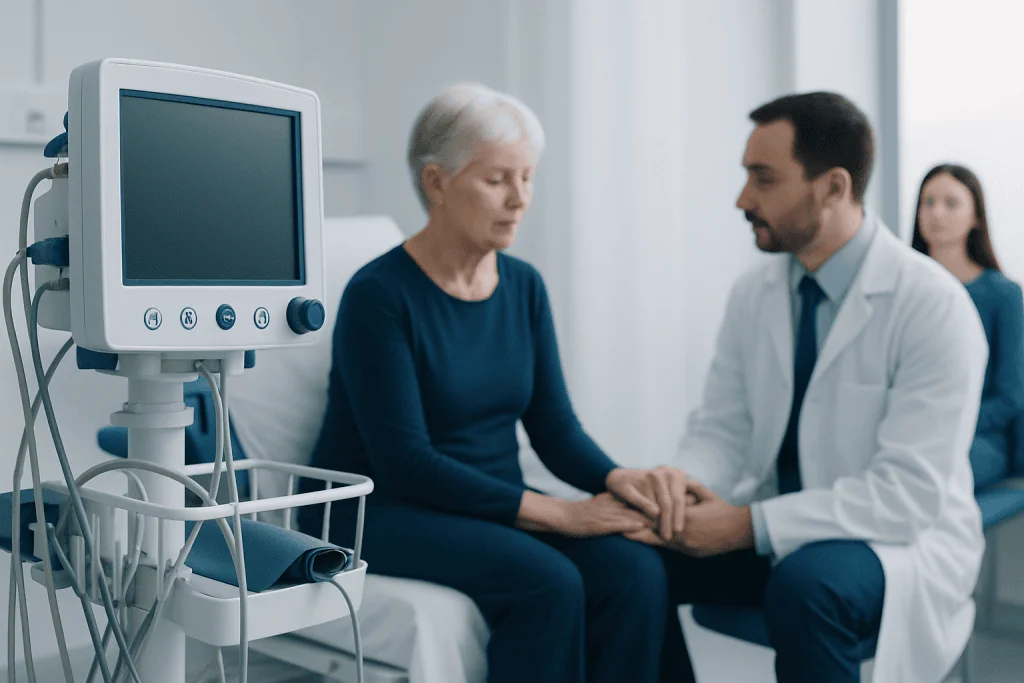
Cold hands may occur on their own or with other symptoms. Some people simply notice chilly fingers, while others have clear color changes. Hands may look pale, bluish, or reddish, especially after being exposed to cold or after emotional stress. Tingling, numbness, stiffness, or aching can also happen as blood vessels narrow and then reopen.
Episodes are often more noticeable in the fingertips. In Raynaud’s phenomenon, for example, the fingers may turn white first, then blue, and later red as circulation returns. This can feel uncomfortable but usually improves with gradual warming.
Other associated symptoms can point to a specific cause. Fatigue and shortness of breath may suggest anemia. Dry skin, constipation, and low energy may raise concern for low thyroid function. Burning, weakness, or altered sensation can suggest a nerve-related problem such as peripheral neuropathy.
- Cold fingers more than the palms
- Pale, blue, or red color changes
- Numbness, tingling, or pins-and-needles sensations
- Pain or throbbing as the hands warm up
- Weak grip or clumsiness in some cases
- Skin sores or slow healing in more serious circulation problems
What causes cold hands: the most likely explanations

The most common cause is environmental cold. Even mild cooling can trigger the body to tighten small blood vessels in the skin. Stress and anxiety can do something similar because stress hormones briefly change circulation patterns. This is why some people notice cold hands during emotional stress even without being in a cold room.
Another common explanation is Raynaud’s phenomenon. In this condition, the small arteries in the fingers overreact to cold or stress and go into spasm. This reduces blood flow for a short time and can cause striking color changes. Raynaud’s may occur on its own or alongside autoimmune conditions.
Reduced circulation is another important possibility. Problems affecting the arteries can limit blood flow to the hands. Less commonly, heart and blood vessel conditions may contribute when the body is not delivering blood efficiently. In selected cases, evaluation may include vascular assessment or angiography if a doctor suspects a significant blood flow problem.
Metabolic and blood-related causes also matter. Anemia can reduce oxygen delivery and make people feel cold in the hands and feet. Hypothyroidism slows metabolism and can increase cold sensitivity. Diabetes, vitamin deficiencies, and nerve compression or neuropathy may also change how the hands feel, making them seem cold even when skin temperature is normal.
Risk factors and conditions linked to persistently cold hands
Several factors make cold hands more likely. Living in a cold climate, low body weight, smoking, and frequent stress are common contributors. Nicotine narrows blood vessels, so smoking can worsen hand coldness and increase the chance of circulation problems over time.
Sex and age may also play a role. Raynaud’s is more often recognized in women and may start in younger adulthood, while artery-related circulation problems become more common with age and with risk factors such as high blood pressure, high cholesterol, and diabetes. Repetitive hand vibration from certain tools may also irritate blood vessels and trigger symptoms.
Autoimmune and connective tissue diseases are another consideration when cold hands are severe or accompanied by skin changes, joint symptoms, or ulcers. Doctors may look for underlying causes if symptoms begin later in life, become progressively worse, or involve tissue injury.
Occasionally, cold hands are part of a broader vascular picture. If a doctor suspects narrowing or blockage in blood vessels, they may consider tests used in cardiology or vascular medicine to understand circulation more fully. The exact workup depends on the person’s age, medical history, and physical findings.
How doctors find the cause
A doctor usually starts by asking detailed questions. They may ask when the hands feel cold, whether both hands are involved, what triggers episodes, and whether there are color changes, pain, numbness, fatigue, or symptoms elsewhere in the body. Family history, smoking, medication use, and autoimmune symptoms can also provide important clues.
The physical examination focuses on circulation, skin, nails, and nerve function. A doctor may check pulses in the wrists, compare skin temperature and color, look for sores or delayed capillary refill, and assess strength and sensation. These steps help determine whether the issue seems related to blood flow, nerves, or whole-body causes.
Testing is guided by the suspected cause. Blood tests may check for anemia, thyroid function, blood sugar problems, inflammation, or autoimmune markers. In some cases, noninvasive studies such as Doppler ultrasound are used to examine blood flow. If numbness or weakness is prominent, nerve testing or referral to specialists may be recommended.
This targeted approach is important because cold hands are a symptom, not a diagnosis. Many people do not need extensive testing, especially if symptoms are mild, predictable, and improve with warmth. When symptoms are persistent or concerning, evaluation helps rule out treatable conditions and guides appropriate care.
Treatment and practical ways to warm the hands
Treatment depends on the cause. If cold hands are mainly due to temperature sensitivity, the focus is on keeping the whole body warm rather than only the hands. Dressing in layers, wearing insulated gloves, avoiding sudden cold exposure, and warming the core with a hat or extra clothing can reduce episodes. Gentle hand movement can also help bring blood flow back.
If Raynaud’s phenomenon is present, avoiding triggers is a major part of care. Stress management, smoking cessation, and limiting caffeine for some individuals may help. Doctors sometimes prescribe medication when attacks are frequent, painful, or affecting daily life, but treatment is individualized.
When an underlying condition is found, managing that condition often improves symptoms. Treating anemia, controlling thyroid disease, improving diabetes management, or addressing vascular disease can make a meaningful difference. If circulation is significantly reduced, referral to specialists in vascular surgery or internal medicine may be appropriate.
Self-care is helpful, but it should not replace medical advice if symptoms are worsening. A sudden attempt to rewarm very cold hands with extremely hot water or direct heat should be avoided, because numb skin may burn more easily. Gradual warming is safer and more comfortable.
When to seek medical care
Medical review is a good idea if cold hands happen often without clear cold exposure, are getting worse, or interfere with daily activities. It is also important to seek care if the hands change color repeatedly, especially if episodes are painful or last a long time.
Prompt medical attention is needed if cold hands occur with sores, skin breakdown, marked swelling, weakness, or one hand becoming much colder than the other. These features can suggest a more significant circulation problem. Numbness that does not go away, severe pain, or new loss of hand function also deserve urgent assessment.
Cold hands should also be evaluated when they come with symptoms such as unusual fatigue, dizziness, unexplained weight change, chest pain, or shortness of breath. These may point to anemia, thyroid disease, heart-related issues, or other conditions that need proper diagnosis.
For international patients who need evaluation, Acibadem International’s multidisciplinary specialists in JCI-accredited hospitals assess symptoms such as cold hands by looking at circulation, blood health, hormonal causes, and nerve-related conditions in a coordinated way.
Prevention and day-to-day self-care
Preventing cold hands starts with reducing common triggers. Keeping the body warm, especially in air-conditioned spaces or winter weather, is often the simplest and most effective step. Gloves, warm socks, and layered clothing help because the body protects its core first and may reduce blood flow to the hands when the rest of the body is cold.
Lifestyle habits matter too. Stopping smoking is one of the most important changes for people with frequent cold hands because nicotine narrows blood vessels. Regular physical activity supports circulation, and balanced meals help maintain energy, iron status, and overall metabolic health.
Stress management can also be useful. Slow breathing, relaxation techniques, and avoiding abrupt transitions from warm to cold environments may reduce attacks in people who are prone to vessel spasm. For those who work with vibrating tools, protective strategies and occupational guidance may help reduce symptoms.
Anyone with ongoing symptoms should avoid self-diagnosing based on one possible cause alone. Because cold hands can come from several different mechanisms, the best long-term strategy is to notice patterns, track triggers, and discuss persistent symptoms with a qualified doctor.
Frequently asked questions
Are cold hands usually a sign of poor circulation?
Not always. Cold hands are often a normal response to cool temperatures or stress. Poor circulation is one possible cause, but doctors also consider Raynaud’s phenomenon, anemia, thyroid problems, and nerve conditions.
Why are my hands cold even when the room feels warm?
Some people are more sensitive to temperature changes or have stronger blood vessel responses to stress. Cold hands in a warm room can also happen with Raynaud’s phenomenon, low thyroid function, anemia, or smoking-related vessel narrowing. If it happens often or comes with color changes or numbness, a medical review is sensible.
Can anxiety or stress cause cold hands?
Yes. Stress can trigger the release of hormones that narrow blood vessels in the skin, which may make the hands feel cold. This effect is usually temporary, but frequent episodes may be more noticeable in people who are already sensitive to cold.
What deficiency can cause cold hands?
Iron deficiency is a common concern because it can lead to anemia, which may make a person feel cold more easily. Other nutritional issues, such as low vitamin B12 in some cases, can contribute indirectly by affecting blood health or nerve function. A doctor can decide whether blood tests are needed.
When are cold hands a medical emergency?
Urgent care is important if one hand suddenly becomes much colder, painful, pale, or blue, or if there is severe numbness, weakness, or skin damage. Cold hands with chest pain, shortness of breath, or fainting also need prompt medical attention.
How can someone warm cold hands safely?
The safest approach is gradual warming. Moving the hands, putting on gloves, holding a warm drink, and warming the whole body with extra layers usually help. Very hot water or direct heat should be avoided because numb skin can burn more easily.
References
- American Heart Association
- National Heart, Lung, and Blood Institute
- National Institute of Diabetes and Digestive and Kidney Diseases
- Mayo Clinic
- Cleveland Clinic
This article is for general information only and is not a substitute for professional medical advice. Please consult a qualified doctor about your individual situation.
Explore treatments in Turkey — costs, top hospitals & a free quote
JCI-accredited · board-certified surgeons · reply within 24h
Add us as a Preferred Source to see more of our trusted health content across Google Search, AI Overviews and Discover.
Check your numbers in seconds
BMI, calories, due date, blood pressure and 30+ more clinical calculators — free, instant, doctor-reviewed ranges.

More from the Health Library


Related Specialists
Pdg. Onur Baş
Podiatry & Foot Health
Dr. Atilla Özer
General Surgery
Alperen Mustafa Oğuz
Physical Medicine & Rehabilitation
Prof. Dr. Javad Parvizi
Orthopedic Surgery & Traumatology