What Causes Colon Cancer? Risk Factors, Polyps, and Family History

Most colon cancers start from abnormal growths called polyps in the lining of the colon. Family history and inherited syndromes can significantly increase colon cancer risk.
Key Takeaways
- Most colon cancers start from abnormal growths called polyps in the lining of the colon.
- Family history and inherited syndromes can significantly increase colon cancer risk.
- Not all risk factors can be changed, but screening and healthy lifestyle habits can lower overall risk.
- Symptoms may be absent at first, which is why routine screening is important.
- People with persistent bowel changes, rectal bleeding, or unexplained weight loss should seek medical advice.
Colon cancer usually develops over time from changes in the cells lining the colon, often beginning in polyps. Risk is influenced by age, family history, inherited conditions, certain bowel diseases, and lifestyle factors, but regular screening can help find problems early.
Overview
Colon cancer is a type of cancer that begins in the large intestine, most often in the colon. It develops when cells in the lining of the colon grow abnormally and begin to multiply out of control. In many people, this process is slow and may take years, which is one reason screening is so valuable.
A common starting point is a polyp, which is a growth on the inner lining of the colon. Many polyps are harmless, but some types can change over time and become cancerous. This does not mean every polyp will turn into cancer, but it does explain why doctors often recommend removing certain polyps when they are found.
When people ask about colon cancer causes, the answer is usually not a single cause. Instead, colon cancer tends to result from a combination of genetic changes, age-related risk, medical history, family background, and lifestyle influences. Understanding these factors can help people take practical steps toward prevention and early detection.
How Colon Cancer Develops
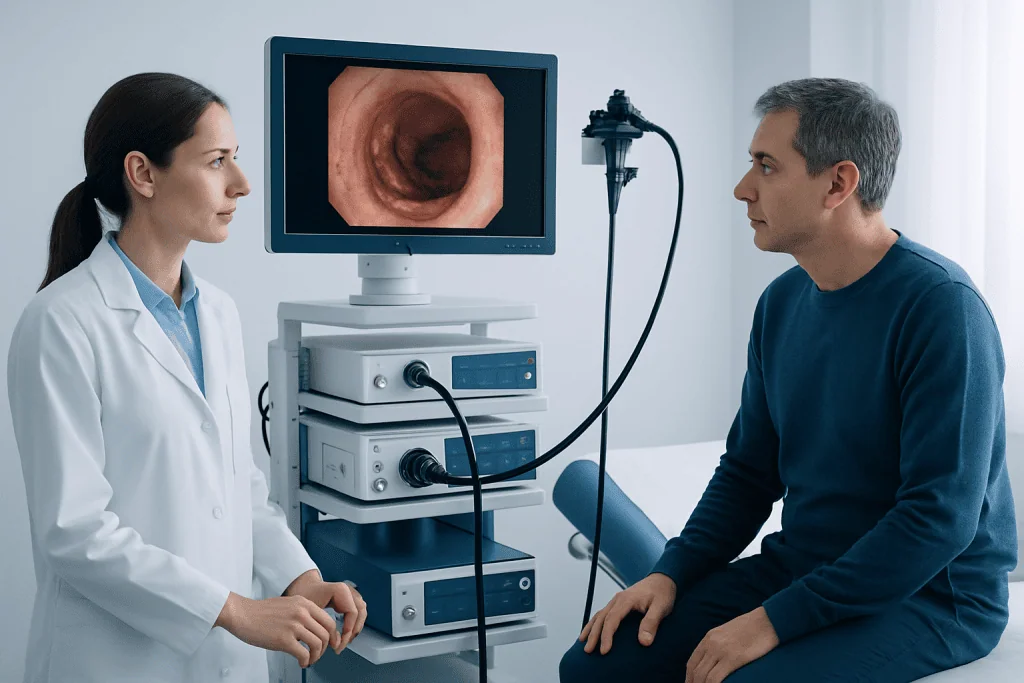
Colon cancer often begins with changes in the DNA of colon cells. DNA acts like an instruction manual for how cells grow, divide, and die. When these instructions become altered, cells may continue growing when they should stop, eventually forming a polyp or tumor.
There are different kinds of colon polyps. Adenomatous polyps, also called adenomas, are considered precancerous because some may develop into cancer over time. Serrated polyps can also carry a risk, especially when they are large or located in certain parts of the colon. Other polyps may be less concerning, but they still need expert evaluation.
Not everyone with polyps will develop colon cancer. The risk depends on the size, number, type, and microscopic features of the polyp. Removing polyps during screening can interrupt this progression before cancer forms, which is why procedures such as colonoscopy screening and polyp removal are central to prevention.
It is also helpful to distinguish colon cancer from rectal cancer. Both are often grouped under colorectal cancer, but they affect different parts of the large intestine and may have somewhat different treatment planning. The risk factors, however, overlap in many important ways.
Main Risk Factors
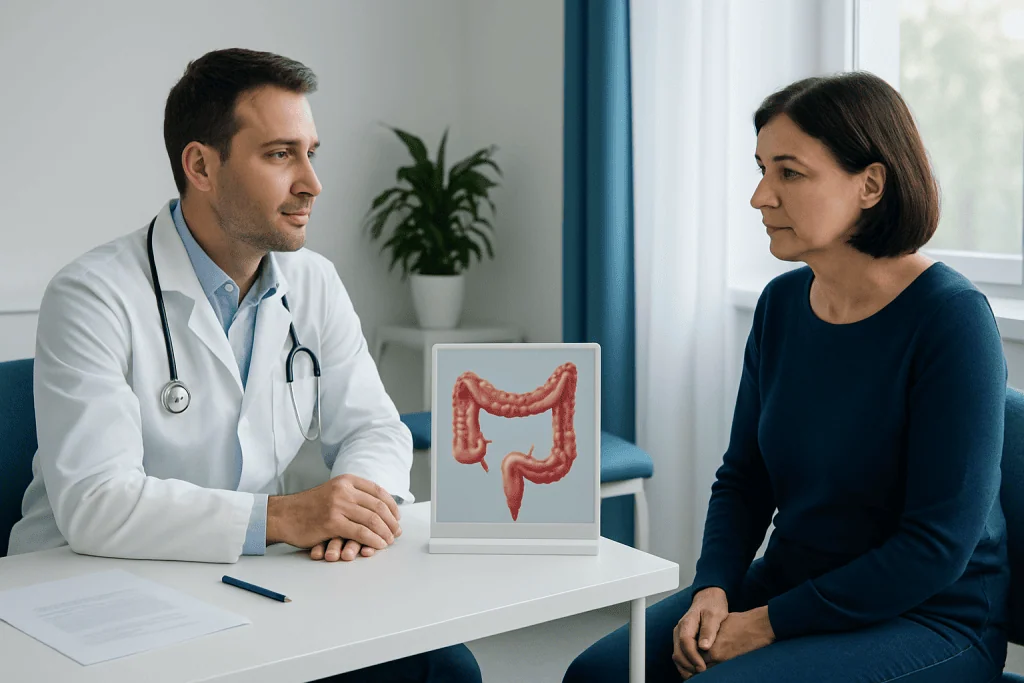
Several factors are known to raise the chance of developing colon cancer. Age is one of the strongest. Risk increases as people get older, although colon cancer can also occur in younger adults. A personal history of colon polyps or previous colon cancer also increases future risk.
Family history matters as well. A person may be more likely to develop colon cancer if a parent, sibling, or child has had the disease, especially if the diagnosis happened at a younger age or if more than one close relative is affected. This may reflect shared genes, shared lifestyle factors, or both.
Certain medical conditions can contribute to risk. Long-standing inflammatory bowel diseases, especially ulcerative colitis and Crohn’s disease affecting the colon, can increase the likelihood of cancer over time. Type 2 diabetes and obesity are also associated with a higher risk in many patients.
Lifestyle factors may play a role too. These can include:
- Low physical activity
- A diet high in processed meat or red meat
- Excess body weight
- Smoking
- Heavy alcohol use
Having one or more risk factors does not mean a person will definitely get colon cancer. It means screening and individualized medical advice become even more important.
Polyps and Family History
Polyps are one of the clearest links between early colon changes and cancer risk. Because many polyps do not cause symptoms, a person may not know they have them unless they are found during screening. Doctors assess the type and size of polyps to estimate the risk of future cancer and to decide how often follow-up testing is needed.
Family history deserves special attention. If colon cancer or advanced polyps run in a family, doctors may recommend screening earlier than average or at shorter intervals. Family history of related cancers, such as certain uterine or ovarian cancers, may also suggest an inherited cancer syndrome in some families.
Inherited syndromes are less common than sporadic colon cancer, but they are very important to recognize. Conditions such as Lynch syndrome and familial adenomatous polyposis can sharply increase lifetime risk. In these situations, genetic counseling and a more tailored screening plan may be recommended.
People who know of relatives with colon cancer should share as much detail as possible with their doctor, including the relative’s age at diagnosis and whether there were multiple cancers in the family. This information helps guide screening and risk assessment in a more accurate way.
Symptoms and Warning Signs
Early colon cancer may not cause symptoms at all. This is why many cases are found through screening rather than because a person feels unwell. As cancer grows, however, symptoms may appear and should not be ignored.
Possible symptoms include a lasting change in bowel habits, such as diarrhea, constipation, or a feeling that the bowel does not empty completely. Some people notice blood in the stool, rectal bleeding, unexplained abdominal discomfort, or a new pattern of bloating or cramping.
Other warning signs can include unusual tiredness, weakness, or unexplained weight loss. These symptoms do not automatically mean colon cancer, since many noncancerous digestive conditions can cause similar problems. Still, persistent or unexplained symptoms deserve prompt medical evaluation.
It can be reassuring to remember that symptoms alone cannot confirm the cause. Proper diagnosis depends on a medical history, examination, and appropriate testing. The earlier a concerning change is assessed, the more options there may be for treatment if needed.
Diagnosis and Screening
Doctors diagnose colon cancer using a combination of screening tests, imaging, laboratory studies, and tissue analysis. Screening aims to find polyps or cancer before symptoms begin. The best-known screening test is colonoscopy, which allows the doctor to examine the inside of the colon and remove suspicious polyps at the same time.
Other screening tools may include stool-based tests that look for hidden blood or abnormal DNA changes. If a stool test is positive, colonoscopy is usually needed to investigate further. Depending on the situation, doctors may also use CT scans, blood tests, or additional imaging to understand the extent of disease.
If a suspicious lesion is found, a biopsy is needed to confirm whether cancer is present. Once colon cancer is diagnosed, the next step is staging, which shows how far it has spread. This information helps guide treatment planning and whether surgery, medical oncology treatment, or other approaches may be most appropriate.
For people with a strong family history or features suggesting inherited risk, genetic counseling may also be part of the evaluation. Personalized screening schedules are especially important in these cases, since the standard recommendations for average-risk adults may not be enough.
Prevention and Self-care
Although colon cancer cannot always be prevented, several steps may help reduce risk. The most important is staying up to date with recommended screening. Screening can detect precancerous polyps before they become dangerous, making it one of the most effective prevention strategies available.
Healthy daily habits also matter. Many doctors advise a balanced diet rich in vegetables, fruits, whole grains, and fiber, along with regular physical activity. Limiting processed meats, avoiding smoking, reducing alcohol intake, and maintaining a healthy weight may support lower overall risk.
People with inflammatory bowel disease, prior polyps, or a strong family history should follow a more individualized prevention plan. This may include earlier screening, more frequent follow-up, or genetic evaluation. Care plans should always be based on a doctor’s assessment rather than self-diagnosis.
If colon cancer is diagnosed, treatment may involve surgery and, in some cases, additional therapies such as colon cancer treatment or chemotherapy. Near the end of the care journey, some patients also seek evaluation at centers such as Acibadem International, where multidisciplinary specialists in JCI-accredited hospitals diagnose and treat colon cancer for international patients.
When to See a Doctor
A person should speak with a doctor if they notice rectal bleeding, blood in the stool, ongoing constipation or diarrhea, unexplained abdominal pain, or unintentional weight loss. Even when symptoms turn out to have a noncancerous cause, it is still important to have them properly assessed.
Medical advice is also important for anyone with a personal history of colon polyps, inflammatory bowel disease, or a close relative with colon cancer. In these cases, the right time to start screening may be earlier than usual, and follow-up may need to happen more often.
Urgent evaluation may be needed if symptoms are severe, such as significant bleeding, signs of bowel obstruction, or worsening weakness. A healthcare professional can decide which tests are appropriate and how quickly they should be done.
Regular preventive care should not wait for symptoms to appear. Because colon cancer often develops silently at first, discussing risk factors and screening with a qualified doctor is one of the most practical ways to protect long-term health.
Frequently asked questions
What is the main cause of colon cancer?
There is usually no single main cause of colon cancer. It most often develops from a combination of abnormal cell changes, colon polyps, aging, family history, medical conditions, and lifestyle factors. In many cases, cancer begins slowly over time in the lining of the colon.
Do all colon polyps become cancer?
No, most colon polyps do not become cancer. However, some types, especially certain adenomatous and serrated polyps, can turn into cancer over time. That is why doctors often remove suspicious polyps during screening and recommend follow-up checks.
How important is family history in colon cancer?
Family history can be very important, especially if a close relative had colon cancer or advanced polyps at a younger age. It may increase a person's risk and affect when screening should start. In some families, inherited syndromes may also be involved.
Can colon cancer happen without symptoms?
Yes, colon cancer can develop without noticeable symptoms, particularly in its early stages. This is one reason routine screening is so valuable. Screening may detect polyps or cancer before a person feels any different.
Can lifestyle changes lower colon cancer risk?
Healthy habits may help lower overall risk, although they cannot prevent every case. Regular exercise, a balanced diet, avoiding smoking, limiting alcohol, and maintaining a healthy weight are commonly recommended. Screening remains important even for people with healthy lifestyles.
Who should talk to a doctor about earlier screening?
People with a strong family history, previous colon polyps, inflammatory bowel disease, or known inherited cancer syndromes should ask about earlier screening. A doctor can review personal and family history to recommend the most appropriate testing schedule. Earlier evaluation may also be needed if symptoms are present.
References
- World Health Organization
- American Cancer Society
- National Cancer Institute
- Centers for Disease Control and Prevention
- National Comprehensive Cancer Network
This article is for general information only and is not a substitute for professional medical advice. Please consult a qualified doctor about your individual situation.
Colon Cancer in Turkey — costs, top hospitals & a free quote
JCI-accredited · board-certified surgeons · reply within 24h
Add us as a Preferred Source to see more of our trusted health content across Google Search, AI Overviews and Discover.

Medical Oncology Department
Medical treatment of cancer with chemotherapy, immunotherapy and targeted therapies under a multidisciplinary tumor board.
60 specialists in this unit