What Causes Kidney Stones? Risk Factors, Symptoms, and Prevention

Kidney stones form when minerals in urine become concentrated and crystallize. Common risk factors include dehydration, certain diets, family history, obesity, and some medical conditions.
Key Takeaways
- Kidney stones form when minerals in urine become concentrated and crystallize.
- Common risk factors include dehydration, certain diets, family history, obesity, and some medical conditions.
- Symptoms often include severe side or back pain, nausea, and blood in the urine.
- Treatment depends on the stone’s size, location, and whether it is causing blockage or infection.
- Prevention usually focuses on drinking enough fluids and addressing the stone’s specific cause.
Kidney stones are hard deposits made from minerals and salts that form in the kidneys and may travel through the urinary tract. They can cause sudden pain and urinary symptoms, but many stones can be treated effectively and some may be prevented with lifestyle changes and medical guidance.
Overview
Kidney stones are small, hard deposits that form when minerals and salts in the urine stick together and crystallize. They usually begin in the kidneys, but they can move into the ureters, bladder, or urethra. Some stones are tiny and pass without causing major problems, while others become large enough to trigger significant pain or block urine flow.
There are several types of kidney stones. Calcium stones are the most common and often contain calcium oxalate or calcium phosphate. Other types include uric acid stones, struvite stones linked to urinary infections, and cystine stones, which are related to an inherited condition. Knowing the stone type can help guide treatment and prevention.
Kidney stones are common and can affect adults of any age, though risk often rises in people with a family history, dehydration, or certain health conditions. While the pain can be intense, kidney stones are treatable, and many people recover fully. Careful follow-up is important because some people develop stones more than once.
Symptoms
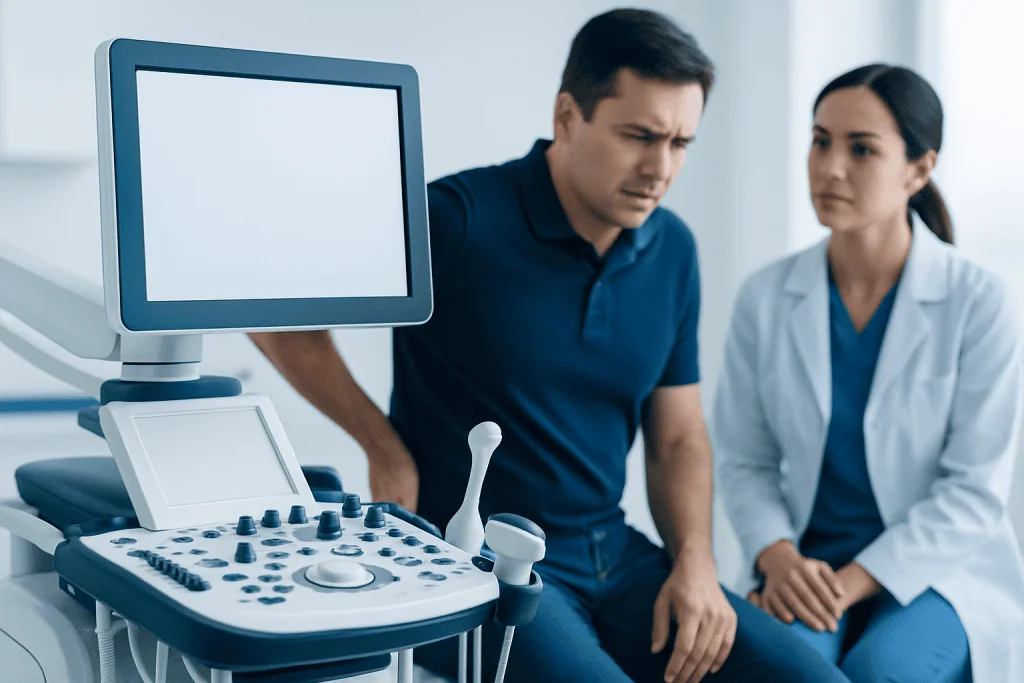
Kidney stones do not always cause symptoms right away. A stone may remain in the kidney without being noticed. Symptoms often begin when the stone moves into the ureter, the narrow tube that carries urine from the kidney to the bladder. At that point, the stone can irritate the lining of the urinary tract or partly block the flow of urine.
The classic symptom is sudden, severe pain in the side, back, lower abdomen, or groin. The pain may come in waves and change location as the stone moves. Many people also feel nauseated or vomit because the pain can be so intense.
Other possible symptoms include:
- Blood in the urine, which may make urine pink, red, or brown
- Pain or burning during urination
- A frequent urge to urinate
- Passing only small amounts of urine
- Cloudy or foul-smelling urine
If a stone is associated with infection, there may also be fever and chills. This combination needs prompt medical attention because a blocked and infected urinary tract can become a serious emergency.
Causes and Risk Factors

Kidney stones form when the urine contains more crystal-forming substances than it can dilute. These substances may include calcium, oxalate, uric acid, or cystine. At the same time, urine may lack enough protective compounds, such as citrate, that normally help prevent crystals from sticking together. Over time, crystals can grow into stones.
One of the most important risk factors is dehydration. When a person does not drink enough fluids, the urine becomes more concentrated, making crystal formation more likely. Hot climates, heavy sweating, intense exercise without enough fluid replacement, and some work environments can all increase this risk.
Diet can also play a role. High sodium intake may raise calcium levels in the urine. Diets high in animal protein can increase uric acid and reduce urinary citrate. Foods rich in oxalate may contribute in some people, especially when fluid intake is low. However, prevention is individualized, and not everyone needs the same dietary restrictions.
Other risk factors include a personal or family history of stones, obesity, digestive diseases, repeated urinary tract infections, gout, hyperparathyroidism, and certain medications or supplements. Some people have an inherited tendency to form stones, while others develop them as part of another condition affecting metabolism or the urinary tract.
Diagnosis
Diagnosis usually begins with a medical history and physical examination. A doctor will ask about the pattern of pain, urinary symptoms, fluid intake, past stones, family history, and any conditions that raise stone risk. Urgent evaluation is especially important if there is fever, uncontrolled pain, vomiting, or signs of reduced kidney function.
Urine tests can look for blood, infection, crystals, and other clues. Blood tests may help assess kidney function and measure substances linked to stone formation, such as calcium or uric acid. If the stone passes, analyzing its composition can provide valuable information for prevention.
Imaging tests are often used to confirm the diagnosis and show the size and location of the stone. Ultrasound is commonly used and avoids radiation. In some situations, doctors may recommend a CT scan for a more detailed view. These tests also help identify blockage, swelling of the kidney, or another cause of pain.
For people with recurrent stones or higher risk, a more detailed metabolic workup may be advised. This can include special urine collections over 24 hours to measure total volume and levels of minerals, salts, and stone-inhibiting substances. The goal is not only to treat the current stone but also to understand why stones are forming.
Treatment Options
Treatment depends on the stone’s size, location, type, and whether it is causing obstruction, infection, or persistent symptoms. Small stones may pass on their own with time, fluids, pain control, and close follow-up. Doctors sometimes prescribe medications that help relax the ureter so the stone can pass more easily.
If a stone is too large to pass, causes severe pain, blocks urine flow, or is linked to infection or kidney problems, a procedure may be needed. One common option is shock wave lithotripsy, which uses sound waves to break certain stones into smaller pieces. Another option is ureteroscopy, in which a thin instrument is passed through the urinary tract to remove or break the stone.
For larger or more complex stones, doctors may recommend percutaneous nephrolithotomy, a procedure that removes the stone through a small opening in the back. In urgent situations, such as a blocked kidney with infection, immediate drainage may be necessary before definitive stone treatment. This helps protect the kidney and control the infection safely.
After treatment, follow-up remains important. A doctor may review the stone analysis, repeat imaging, and discuss whether the person has related issues such as hydronephrosis or repeated urinary infections. Long-term care focuses on preventing new stones and preserving kidney health.
Prevention and Self-care
Prevention begins with adequate hydration. For many people, the most effective first step is to drink enough fluids throughout the day so the urine stays light in color. The exact amount varies by climate, activity level, and medical history, so it is best tailored with a healthcare professional, especially for people with heart or kidney conditions.
Dietary changes may help, depending on the stone type. Reducing excess salt is often recommended because high sodium intake can increase calcium in the urine. Some people may benefit from limiting large amounts of animal protein or high-oxalate foods. At the same time, normal dietary calcium is usually still important, and cutting calcium too much can sometimes increase stone risk rather than reduce it.
Helpful self-care strategies may include:
- Drinking fluids regularly across the day
- Limiting salt in processed and restaurant foods
- Maintaining a healthy body weight
- Following medical advice for gout, bowel disease, or recurrent urinary infections
- Taking prescribed preventive medications if recommended after stone analysis
People who form stones more than once should not rely on general advice alone. Prevention works best when it is based on the actual stone composition and urine chemistry. A personalized plan can reduce the chance of recurrence and help protect long-term kidney function.
When to See a Doctor
A person should seek medical care for severe side or back pain, pain that does not improve, or urinary symptoms that suggest a stone. Prompt evaluation is also important if there is visible blood in the urine, repeated vomiting, or difficulty passing urine. These symptoms do not always mean a dangerous problem, but they should be assessed by a qualified doctor.
Emergency care is needed if kidney stone symptoms occur with fever, chills, confusion, or inability to pass urine. These signs may point to infection or significant blockage, both of which can require urgent treatment. People who have only one kidney, are pregnant, or have known kidney disease should also be evaluated without delay if stone symptoms appear.
Follow-up matters even after the pain settles, because symptoms may improve before the stone has fully passed. A doctor can confirm whether the stone is gone and whether the kidney is draining normally. In some cases, untreated blockage can quietly damage kidney function over time.
For patients who need specialist evaluation, Acibadem International’s multidisciplinary specialists in JCI-accredited hospitals diagnose and treat kidney stones for international patients, with care plans tailored to the individual’s stone type, symptoms, and overall health.
Frequently asked questions
What is the main cause of kidney stones?
Kidney stones usually form when urine becomes too concentrated, allowing minerals and salts to crystallize. Dehydration is one of the most common contributors, but diet, genetics, medications, and certain health conditions can also play a role.
How do kidney stone symptoms feel?
Many people describe kidney stone pain as sudden, severe, and wave-like, often starting in the side or back and moving toward the lower abdomen or groin. There may also be nausea, blood in the urine, burning with urination, or a frequent urge to urinate.
Can kidney stones go away on their own?
Yes, many small kidney stones can pass naturally, especially with fluids, pain relief, and medical follow-up. Larger stones or stones causing blockage, infection, or severe symptoms may require a procedure.
Can drinking water help prevent kidney stones?
Yes, staying well hydrated is one of the most effective ways to lower the risk of many kidney stones. Drinking enough fluids helps dilute urine and reduces the chance that crystals will form and grow.
Are all kidney stones made of calcium?
No, although calcium stones are the most common type, other stones can be made of uric acid, struvite, or cystine. Identifying the stone type is helpful because prevention strategies may differ.
When is a kidney stone an emergency?
A kidney stone may be an emergency if it causes fever, chills, inability to pass urine, severe dehydration from vomiting, or signs of infection. These symptoms can indicate a blocked urinary tract or another urgent complication and should be assessed immediately.
References
- National Institute of Diabetes and Digestive and Kidney Diseases
- American Urological Association
- European Association of Urology
- National Kidney Foundation
- Mayo Clinic
This article is for general information only and is not a substitute for professional medical advice. Please consult a qualified doctor about your individual situation.
Explore treatments in Turkey — costs, top hospitals & a free quote
JCI-accredited · board-certified surgeons · reply within 24h
Add us as a Preferred Source to see more of our trusted health content across Google Search, AI Overviews and Discover.