What Causes Low Blood Sugar Without Diabetes? Here Is What the Evidence Says

Low blood sugar without diabetes is often temporary and can happen after fasting, heavy exercise, alcohol use, or illness. Symptoms may include shakiness, sweating, hunger, weakness, confusion, or blurred vision.
Key Takeaways
- Low blood sugar without diabetes is often temporary and can happen after fasting, heavy exercise, alcohol use, or illness.
- Symptoms may include shakiness, sweating, hunger, weakness, confusion, or blurred vision.
- Doctors usually confirm true hypoglycemia by matching symptoms with a low glucose reading and symptom relief after glucose is raised.
- Certain medicines, hormone disorders, liver or kidney disease, and rare insulin-producing tumors can also cause non-diabetic hypoglycemia.
- Repeated, unexplained, nighttime, or severe episodes should be assessed by a qualified doctor.
What causes low blood sugar without diabetes? In many people, a one-time low blood sugar episode is related to not eating enough, strenuous exercise, alcohol, or a temporary illness rather than a serious disease. Recurrent symptoms, severe episodes, or readings confirmed to be low deserve medical review to find the cause and guide treatment.
Overview: why low blood sugar can happen without diabetes
Low blood sugar, also called hypoglycemia, is not limited to people with diabetes. In someone who does not have diabetes, it can happen when the body uses glucose faster than it is replaced, when too much insulin is released, or when an illness affects how glucose is stored or produced. Many isolated episodes are harmless and are triggered by everyday factors such as skipping meals, vigorous exercise, drinking alcohol without eating, or recovering from a stomach illness.
That said, not every shaky or lightheaded feeling is caused by low blood sugar. Doctors look for a clear pattern: symptoms that occur at the same time as a documented low glucose level and improve once glucose is raised. This matters because anxiety, dehydration, some heart rhythm problems, and other conditions can feel similar.
When symptoms are frequent, severe, or difficult to explain, medical review is important. A clinician can determine whether this is true hypoglycemia, identify any underlying cause, and advise on practical steps to reduce future episodes. This article explains the evidence-based causes, the warning signs to take seriously, and how diagnosis is usually approached.
Symptoms and warning signs
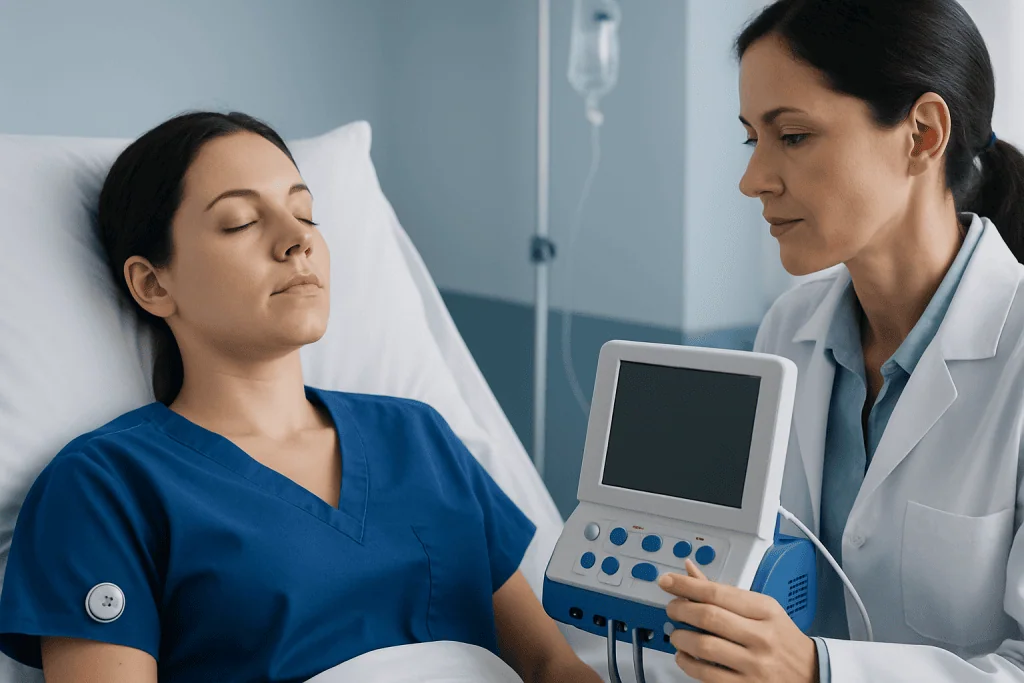
Symptoms of low blood sugar often start because the body releases stress hormones to raise glucose. Early signs can include shakiness, sweating, a pounding heart, hunger, tingling around the lips, anxiety, and weakness. Some people also notice headache, nausea, dizziness, or difficulty concentrating.
If glucose falls further, the brain may not get enough fuel. This can cause blurred vision, confusion, unusual behavior, clumsiness, slurred speech, or extreme tiredness. In severe cases, a person may faint or have a seizure. These symptoms need urgent medical attention, especially if they happen suddenly or do not improve quickly after eating or drinking a fast-acting carbohydrate.
Not everyone experiences symptoms in the same way. Some people have mild symptoms at glucose levels that would not affect others, while others may have few warning signs. Keeping a note of the time, food intake, activity, alcohol use, symptoms, and any glucose reading can help a doctor understand what is happening.
- Common early symptoms: shakiness, sweating, hunger, fast heartbeat
- Brain-related symptoms: confusion, blurred vision, trouble speaking, unusual behavior
- Emergency red flags: seizure, loss of consciousness, severe confusion, inability to swallow safely
Common causes of low blood sugar without diabetes

The most common causes are not usually dangerous. Long gaps between meals, low calorie intake, or intense exercise can lower glucose, especially in smaller adults, older adults, and people who are already under stress from illness. Alcohol can also reduce the liver’s ability to release glucose, particularly when it is consumed without food.
Some episodes happen after eating rather than during fasting. This is sometimes called reactive or postprandial hypoglycemia. It may occur when the body releases insulin in a way that does not match the meal, leading to symptoms a few hours later. It can be seen after certain stomach surgeries, in people with insulin resistance, or sometimes without a clear structural disease. Related metabolic conditions such as diabetes and prediabetes can affect the way the body handles glucose, although they more commonly cause high rather than low blood sugar.
Temporary illnesses can also play a role. Vomiting, diarrhea, fever, poor food intake, and infections may reduce energy stores and make a person more likely to feel low. In children, brief hypoglycemia can occur more easily during viral illnesses because their energy reserves are smaller than those of adults.
Another practical cause is medication exposure. Even without diabetes, some drugs can lower glucose directly or make symptoms more likely. Examples include some antibiotics, quinine-related medications, salicylates in high amounts, and accidental or intentional use of diabetes medicines such as insulin or sulfonylureas. A careful medication and supplement review is often one of the first steps in evaluation.
Less common medical causes doctors consider
If episodes are recurrent, happen during fasting, or are severe, doctors think beyond lifestyle triggers. Hormone deficiencies are one possibility. Low cortisol from adrenal insufficiency and, less commonly, problems affecting growth hormone can impair the body’s ability to maintain normal glucose. Thyroid disease does not usually cause hypoglycemia on its own, but broader endocrine evaluation may be considered when symptoms suggest a hormone imbalance.
Problems in the liver, kidneys, or heart can also contribute. The liver stores glycogen and makes new glucose between meals, so significant liver disease can disrupt this process. Kidney disease can change how the body clears insulin and handles glucose. Severe infection or critical illness may also lead to low blood sugar because metabolism is under strain.
A rare but important cause is an insulin-producing tumor called an insulinoma. These tumors release insulin even when glucose is low, leading to repeated episodes, often during fasting or overnight. While uncommon, they are part of the reason doctors take persistent unexplained hypoglycemia seriously. Depending on the situation, evaluation may involve imaging and specialist endocrine care, and treatment can include pancreas surgery when a pancreatic cause is confirmed.
Some people who have had bariatric or upper digestive tract surgery can develop hypoglycemia after meals due to rapid nutrient delivery and an exaggerated insulin response. In selected cases, specialists may investigate whether prior surgery has changed digestive anatomy or hormone signaling, sometimes alongside evaluation by teams experienced in bariatric surgery or gastroenterology care.
How doctors diagnose true hypoglycemia
The diagnosis starts with confirming that true hypoglycemia is actually present. Doctors often use what is known as Whipple’s triad: symptoms consistent with hypoglycemia, a low measured blood glucose at the time symptoms occur, and relief of symptoms when glucose is corrected. This helps separate true low blood sugar from other conditions that can feel similar.
A clinician will ask about the timing of symptoms, relation to meals, exercise, alcohol, sleep, illness, and medications. They may review over-the-counter products, supplements, and any access to diabetes medicines in the home. Blood tests are usually chosen based on whether symptoms occur while fasting or after meals and whether an episode can be captured at the time it happens.
Depending on the pattern, testing may include glucose, insulin, C-peptide, proinsulin, liver and kidney function, cortisol, and screening for medications that can lower glucose. For suspected fasting hypoglycemia, a supervised fasting test may sometimes be used. For symptoms that appear after meals, mixed-meal testing may be more helpful than a simple glucose drink. If an insulin-producing tumor is suspected, imaging may be arranged after biochemical confirmation, sometimes with help from endocrinology specialists.
Home glucose meters can be useful, but they are not perfect at lower ranges. Continuous glucose monitoring may provide additional context in selected patients, though it is not always enough to diagnose the cause by itself. The goal is not just to document a number, but to understand why it is happening.
Treatment and daily management
Treatment depends on the cause. For an occasional mild episode, the immediate approach is to raise glucose with a fast-acting carbohydrate if the person is awake and able to swallow safely. Once symptoms improve, a balanced snack or meal with protein, fiber, and complex carbohydrate may help prevent the glucose from dropping again.
For people with recurrent but non-severe symptoms related to meal timing, practical changes can make a significant difference. These may include eating regular meals, avoiding long fasting periods, limiting alcohol on an empty stomach, pairing carbohydrates with protein or healthy fats, and planning snacks around prolonged exercise. If symptoms tend to follow sugary meals, reducing highly refined carbohydrates may help.
When an underlying illness is found, treatment focuses on that condition. Medication-related hypoglycemia may improve after a prescribing review. Hormone disorders, liver disease, kidney disease, or post-surgical causes are managed in a targeted way. Rare causes such as insulinoma need specialist evaluation and may require surgery or other interventions.
People who are prone to significant episodes may be advised to carry a source of fast-acting carbohydrate and to tell close family or coworkers what symptoms to watch for. If there has been severe confusion, fainting, or a seizure, driving and safety-sensitive activities should be discussed with a doctor until the cause is clarified.
Prevention and self-care
Prevention starts with understanding personal triggers. Many people notice a pattern linked to skipped meals, hard exercise, alcohol, or high-sugar foods eaten alone. Keeping a simple symptom diary can reveal whether episodes happen after long stretches without food, during recovery from illness, or at a certain time of day.
Useful self-care steps include choosing regular meals, adding protein and fiber, staying hydrated, and eating before drinking alcohol. During exercise, some people benefit from adjusting the timing of meals or snacks. During stomach upsets or periods of poor intake, small frequent foods and fluids may help maintain energy until normal eating returns.
It is best not to self-diagnose persistent symptoms as hypoglycemia without proper evaluation. Frequent use of sugary foods without understanding the cause can sometimes worsen swings in symptoms. If a doctor confirms reactive hypoglycemia, a structured nutrition plan is often more helpful than simply eating sweets whenever symptoms appear.
Near the end of the care pathway, some patients may benefit from multidisciplinary assessment, especially if symptoms are recurring or linked to hormone or digestive issues. Acibadem International’s multidisciplinary specialists in JCI-accredited hospitals diagnose and treat complex causes of hypoglycemia for international patients when specialist input is needed.
When to seek medical care
Medical care is advisable if low blood sugar symptoms happen repeatedly, wake a person from sleep, occur during fasting, or happen without a clear trigger. It is also important to seek review if symptoms are accompanied by weight loss, persistent vomiting, severe fatigue, confusion, or if they begin after starting a new medicine.
Urgent care is needed for severe symptoms such as fainting, seizure, inability to think clearly, or inability to swallow safely. Anyone who is pregnant, elderly, frail, or has significant liver, kidney, or heart disease should be especially cautious, because low glucose may be harder to tolerate and the causes can be more complex.
Even when the cause turns out to be simple, a proper assessment can be reassuring. The main aim is to confirm whether symptoms truly represent hypoglycemia, identify any red flags, and help prevent future episodes with safe, individualized advice.
Frequently asked questions
Can a healthy person get low blood sugar without diabetes?
Yes. A healthy person can occasionally develop low blood sugar, especially after skipping meals, strenuous exercise, drinking alcohol without eating, or during a stomach illness. If it happens often or is severe, it should be assessed by a doctor.
What is the most common cause of low blood sugar without diabetes?
Common causes include not eating enough, long gaps between meals, heavy exercise, alcohol use, and temporary illness that reduces food intake. These are usually more likely than rare endocrine or tumor-related causes. A clinician helps decide whether further testing is needed.
How do doctors know if symptoms are really caused by low blood sugar?
Doctors look for symptoms happening at the same time as a measured low glucose level, followed by improvement when glucose is corrected. This is important because anxiety, dehydration, and other conditions can mimic hypoglycemia. Blood tests may be timed to an episode when possible.
What should someone eat during a mild low blood sugar episode?
If the person is awake and able to swallow safely, a quick source of carbohydrate can help raise glucose. After symptoms improve, a more balanced snack or meal may help prevent another drop. Anyone with severe confusion, fainting, or a seizure needs urgent medical help instead of routine self-care.
Is reactive hypoglycemia the same as diabetes?
No. Reactive hypoglycemia refers to low blood sugar symptoms that happen a few hours after eating, while diabetes is a disorder of glucose regulation usually associated with high blood sugar. However, doctors may sometimes check for insulin resistance or other metabolic issues if symptoms are recurrent.
Can stress or anxiety cause low blood sugar?
Stress and anxiety can cause symptoms that feel very similar to low blood sugar, such as shakiness, sweating, and a rapid heartbeat. They do not necessarily mean glucose is truly low. That is why documenting an actual glucose level during symptoms can be helpful.
References
- National Institute of Diabetes and Digestive and Kidney Diseases
- Endocrine Society
- Mayo Clinic
- Cleveland Clinic
- Merck Manual
This article is for general information only and is not a substitute for professional medical advice. Please consult a qualified doctor about your individual situation.
Explore treatments in Turkey — costs, top hospitals & a free quote
JCI-accredited · board-certified surgeons · reply within 24h
Add us as a Preferred Source to see more of our trusted health content across Google Search, AI Overviews and Discover.
Check your numbers in seconds
BMI, calories, due date, blood pressure and 30+ more clinical calculators — free, instant, doctor-reviewed ranges.