What Causes Lower Back Pain in Females? A Doctor-Reviewed Answer

Most lower back pain in females is not dangerous and often comes from muscles, joints, posture, or hormonal changes. Common female-specific causes include menstrual cramps, pregnancy-related strain, endometriosis, and some pelvic or urinary conditions.
Key Takeaways
- Most lower back pain in females is not dangerous and often comes from muscles, joints, posture, or hormonal changes.
- Common female-specific causes include menstrual cramps, pregnancy-related strain, endometriosis, and some pelvic or urinary conditions.
- Doctors look at the timing of pain, associated symptoms, physical exam findings, and sometimes imaging or lab tests to find the cause.
- Warning signs include fever, numbness, leg weakness, bladder or bowel changes, unexplained weight loss, or pain after trauma.
- Treatment depends on the cause and may include activity changes, physical therapy, pain relief, and treatment of gynecologic, urinary, or spine conditions.
What causes lower back pain in females? In many women, it is related to muscle strain, posture, menstrual changes, pregnancy, or age-related spine wear, and it often improves with time and self-care. Still, certain patterns such as severe pain, fever, weakness, urinary symptoms, or pain after an injury should be assessed by a doctor.
Overview: why lower back pain is common in females
Lower back pain is very common in females, and in many cases it is harmless and temporary. Everyday muscle strain, prolonged sitting, poor lifting technique, menstrual-related discomfort, and pregnancy-related body changes are among the most frequent reasons. Many episodes improve within days to weeks with sensible self-care and staying gently active.
That said, the lower back can also reflect pain coming from nearby structures such as the pelvis, kidneys, or reproductive organs. This is one reason the question of what causes lower back pain in females does not have just one answer. A doctor considers the whole picture, including age, menstrual history, pregnancy status, activity level, and any symptoms such as fever, urinary changes, or pain spreading into the leg.
A practical way to think about lower back pain in women is to group causes into three broad categories: musculoskeletal causes, hormone- or pelvis-related causes, and less common but important medical causes. This patient-friendly overview explains the most likely reasons, highlights the red flags that should not be ignored, and outlines what medical evaluation usually involves.
Common symptoms and how the pain may feel
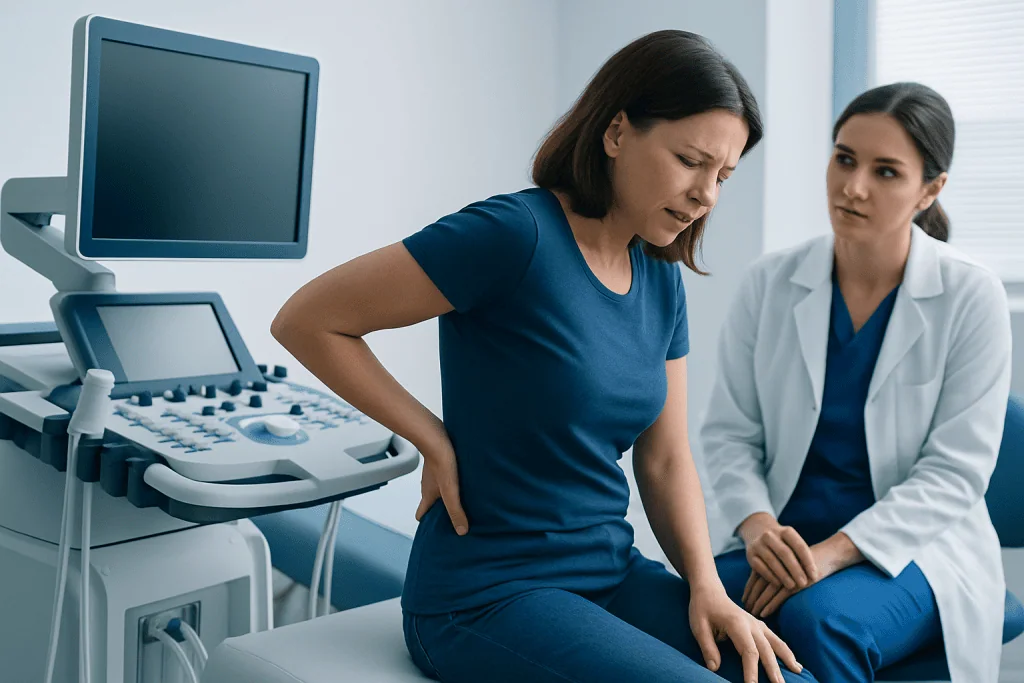
Lower back pain can feel dull, achy, tight, sharp, burning, or cramp-like. Some women notice pain mainly after exercise, lifting, long car rides, desk work, or standing for long periods. Others feel it before or during a menstrual period, during pregnancy, or along with pelvic discomfort.
The pattern of pain offers useful clues. Pain that worsens with bending, twisting, or certain positions often points to muscles, ligaments, or joints in the spine. Pain that radiates into the buttock or down the leg may suggest nerve irritation, including sciatica. Pain linked with urinary burning, blood in the urine, or flank pain can suggest a kidney or urinary tract problem.
Associated symptoms matter just as much as the pain itself. Doctors usually ask whether there is numbness, tingling, weakness, fever, nausea, abnormal vaginal bleeding, pain during sex, bowel or bladder changes, or unexplained weight loss. These details help separate common self-limited back pain from problems that need more urgent evaluation.
What causes lower back pain in females?
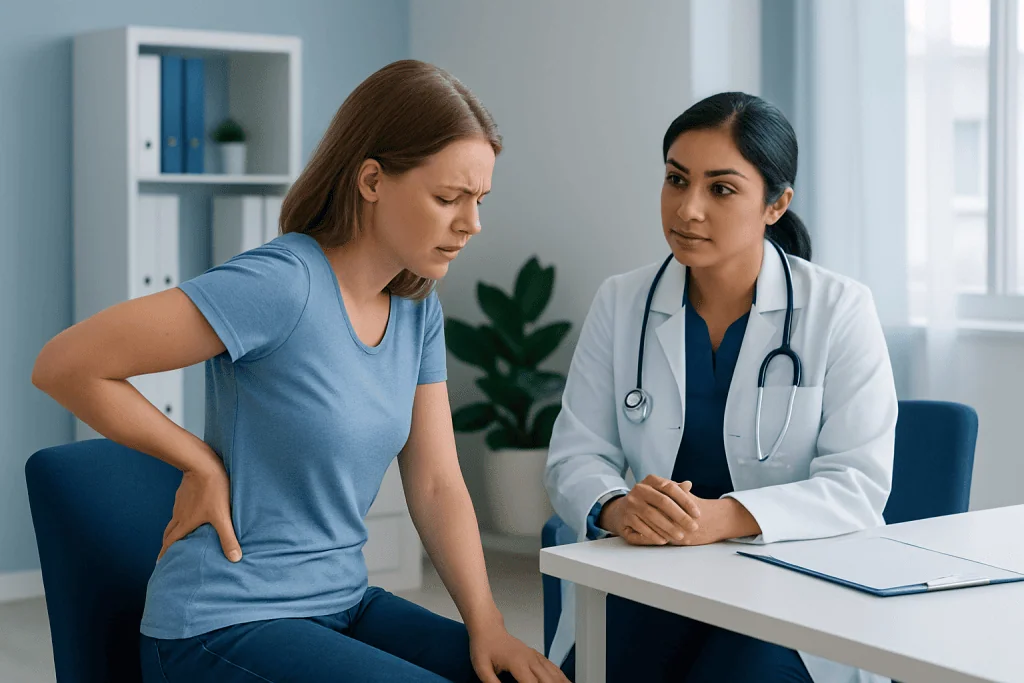
The most common answer is musculoskeletal strain. Muscles and ligaments in the back can become irritated after lifting, repetitive housework, sports, sudden twisting, or long periods of inactivity followed by activity. Poor posture, weak core muscles, and excess body weight can also increase stress on the lower spine.
Age-related changes in the spine are another frequent cause. Discs can lose hydration over time, joints can become inflamed, and nearby nerves may become irritated. Conditions such as a herniated disc or sciatica may cause lower back pain that travels into the hip or leg. Degenerative changes do not always cause symptoms, but when they do, pain often worsens with certain movements or prolonged sitting.
Female-specific causes are also important. Menstrual cramps can create a deep aching pain in the lower back because the uterus and surrounding pelvic structures share nerve pathways. Pregnancy can shift posture, loosen ligaments, and strain back and pelvic muscles as the baby grows. Gynecologic conditions such as endometriosis, uterine fibroids, ovarian cysts, or pelvic inflammatory disease may also cause lower back discomfort, especially when paired with pelvic pain, heavy periods, painful intercourse, or abnormal bleeding.
Sometimes the source is not the spine or reproductive system at all. Kidney stones, kidney infection, or urinary tract infection can cause pain in the lower back or side, often with urinary symptoms, fever, nausea, or worsening discomfort on one side. Less commonly, inflammatory arthritis, osteoporosis-related fractures, or serious illnesses such as cancer can cause back pain, particularly when symptoms are persistent, progressive, or associated with clear warning signs.
Risk factors and red flags
Several factors make lower back pain more likely. These include physically demanding work, frequent lifting, long hours of sitting, poor sleep, stress, deconditioning, obesity, smoking, previous back injury, and pregnancy. Hormonal changes across the menstrual cycle may also affect pain sensitivity and muscle tension in some women.
Some symptoms suggest a need for prompt medical attention rather than home care alone. These include pain after a fall or accident, fever, chills, night sweats, unexplained weight loss, severe or worsening pain, or pain that does not improve over time. Numbness around the groin, new trouble controlling the bladder or bowels, or noticeable leg weakness should be assessed urgently because they may point to significant nerve compression.
Women should also seek medical review if back pain occurs with missed periods, known pregnancy and severe cramping, abnormal vaginal bleeding, pain with urination, blood in the urine, or persistent pelvic symptoms. These signs do not always mean something serious, but they change the evaluation and should not be dismissed.
How doctors diagnose the cause
Doctors usually start by asking focused questions: when the pain began, where it is felt, whether it spreads, what makes it better or worse, and whether there are urinary, bowel, pelvic, menstrual, or pregnancy-related symptoms. They also ask about past back problems, injuries, medications, family history, and daily activities. The timing of pain in relation to periods or ovulation can be particularly helpful in females.
The physical examination often includes checking posture, spinal movement, tenderness, muscle spasm, leg strength, reflexes, sensation, and walking. Depending on the symptoms, the doctor may also examine the abdomen or pelvis. This step helps determine whether the pain is most likely mechanical back pain, nerve-related pain, or referred pain from another organ system.
Tests are not always needed right away, especially for uncomplicated short-term back pain. When red flags are present, or when symptoms persist, a doctor may recommend blood tests, urine tests, pregnancy testing, ultrasound, X-rays, or MRI. In cases where the history suggests a structural spine issue, MRI scanning may help show disc problems, nerve pressure, or other changes. If a pelvic cause is suspected, gynecologic evaluation may be the next step.
This step-by-step approach is important because not every woman with lower back pain needs imaging, antibiotics, or specialist treatment. The goal is to identify the likely source, rule out urgent problems, and match treatment to the real cause rather than treating all back pain the same way.
Treatment options based on the cause
For uncomplicated mechanical lower back pain, initial care often includes gentle activity, short-term rest from aggravating movements, heat, posture changes, and doctor-guided pain relief. Many people recover better by staying as active as they comfortably can rather than staying in bed for long periods. Guided stretching and strengthening can also help reduce recurrence.
If symptoms continue or keep returning, structured rehabilitation may be useful. Physical therapy and rehabilitation can improve core strength, flexibility, body mechanics, and confidence with movement. If a disc problem or nerve irritation is suspected, treatment may include targeted exercises and specialist follow-up. In more persistent cases, doctors may discuss options used in spine surgery pathways, though surgery is reserved for selected situations and is not needed for most back pain.
When the cause is female-specific, treatment focuses on that condition. Menstrual-related pain may improve with lifestyle measures and medical management. Pregnancy-related back pain often responds to posture adjustments, supportive exercise, sleep-position changes, and guidance from obstetric or rehabilitation teams. Endometriosis, fibroids, pelvic infection, or ovarian problems may require gynecologic treatment rather than back-focused care alone.
Urinary or kidney causes need their own treatment plan, which may involve antibiotics, pain control, hydration advice, or urologic care. Because lower back pain can come from several body systems, the best treatment is the one matched to the underlying diagnosis rather than a one-size-fits-all remedy.
Self-care and prevention
Many women can lower their risk of recurring back pain through small, steady habits. Regular walking, core and hip strengthening, stretching, and avoiding long periods in one position can support the spine. Using good lifting technique, adjusting workstation ergonomics, and wearing supportive footwear may also help.
During menstruation or pregnancy, self-care can be tailored to the situation. Heat packs, gentle movement, hydration, and rest breaks often help period-related discomfort. In pregnancy, a clinician may recommend pelvic support, side-sleeping with pillows, and safe exercises designed for each stage. Any new or severe pain during pregnancy should be reviewed by a healthcare professional.
Stress, poor sleep, and fear of movement can make back pain feel worse and last longer. Relaxation strategies, sleep hygiene, and gradual return to activity can support recovery. It is usually best to avoid repeated heavy lifting or intense exercise until symptoms begin to settle, but complete inactivity is rarely helpful for routine muscle-related pain.
If lower back pain is frequent, severe, or repeatedly linked with periods, urinary symptoms, or pelvic pain, keeping a symptom diary can be useful. Recording timing, triggers, and associated symptoms can help a doctor identify whether the pattern is spinal, gynecologic, urinary, or mixed.
When to seek medical care
Medical review is a good idea if lower back pain lasts more than a few weeks, keeps returning, interrupts sleep, or limits work, exercise, or daily tasks. It is also sensible to seek care if the pain repeatedly occurs with periods, pelvic symptoms, urinary complaints, or known pregnancy.
Urgent assessment is needed if there is severe weakness, new numbness in the saddle area, loss of bladder or bowel control, fever, unexplained weight loss, pain after trauma, or severe one-sided flank pain with vomiting or urinary symptoms. These features do not confirm a serious condition, but they do change how quickly a person should be evaluated.
For international patients who need evaluation, Acibadem International’s multidisciplinary specialists and JCI-accredited hospitals diagnose and treat back, pelvic, and urinary causes of lower back pain. Depending on the findings, patients may be referred for orthopedic assessment or other specialist care as part of a coordinated plan.
Frequently asked questions
Is lower back pain in females usually serious?
Usually not. In many women, lower back pain is related to muscles, posture, periods, or pregnancy-related strain and improves with time and conservative care. It becomes more concerning when it is severe, persistent, follows an injury, or comes with symptoms such as fever, weakness, or bladder changes.
Can periods cause lower back pain?
Yes. Menstrual cramps can cause aching in the lower back because the uterus and surrounding pelvic structures share nerve pathways. If period-related back pain is severe, worsening, or linked with heavy bleeding or pelvic pain, a doctor may evaluate for conditions such as endometriosis or fibroids.
What causes lower back pain in females during pregnancy?
Pregnancy can strain the lower back because of weight changes, posture shifts, stretching of abdominal muscles, and hormone-related ligament loosening. The pain is often mechanical and manageable, but severe pain, contractions, bleeding, or other concerning symptoms should be reviewed promptly.
How can someone tell if back pain is from the kidneys or the spine?
Kidney-related pain often feels deeper, may be more on one side, and can come with fever, nausea, urinary burning, blood in the urine, or an urgent need to urinate. Spine-related pain is more often affected by movement, posture, lifting, or sitting, and may spread into the buttock or leg.
When should imaging be done for lower back pain?
Imaging is not always necessary for short-term, uncomplicated back pain. Doctors usually consider X-rays, MRI, ultrasound, or other tests when pain persists, red flags are present, or the history suggests a structural, pelvic, or urinary cause that needs clarification.
What are the warning signs that need urgent care?
Urgent signs include new loss of bladder or bowel control, numbness around the groin, significant leg weakness, fever, unexplained weight loss, severe pain after trauma, or severe pain with pregnancy complications. These symptoms need prompt medical assessment to rule out nerve, infection, fracture, or organ-related problems.
References
- National Institute of Arthritis and Musculoskeletal and Skin Diseases
- American College of Obstetricians and Gynecologists
- National Institute of Neurological Disorders and Stroke
- National Institute of Diabetes and Digestive and Kidney Diseases
- World Health Organization
This article is for general information only and is not a substitute for professional medical advice. Please consult a qualified doctor about your individual situation.
Joint and spine care in Turkey — expert assessment & treatment
JCI-accredited · board-certified surgeons · reply within 24h
Add us as a Preferred Source to see more of our trusted health content across Google Search, AI Overviews and Discover.

More from the Health Library



Related Specialists

Dr. Türker Egesel
Gastroenterology
Prof. Dr. Hale Göksever Çelik
Gynecology & Obstetrics
Dr. Soysal Turhan
Cardiovascular Surgery
Assoc. Prof. Dr. Levent Aydemir
Otorhinolaryngology