What Causes Prostate Cancer?

There is no single cause of prostate cancer; it usually results from a combination of genetic and environmental influences. Older age is one of the strongest risk factors for prostate cancer.
Key Takeaways
- There is no single cause of prostate cancer; it usually results from a combination of genetic and environmental influences.
- Older age is one of the strongest risk factors for prostate cancer.
- A family history of prostate cancer can increase risk, especially when close relatives are affected.
- Many people with early prostate cancer have no symptoms, which is why screening discussions are important.
- Diagnosis and treatment depend on the cancer’s stage, grade, and the person’s overall health.
Prostate cancer develops when cells in the prostate begin to grow in an abnormal, uncontrolled way. While no single cause explains every case, age, inherited factors, hormones, and lifestyle-related influences can all play a role.
Overview
The prostate is a small gland found below the bladder in men. It helps produce fluid that is part of semen. Prostate cancer begins when cells in this gland develop changes in their DNA and start multiplying more than they should. Over time, these abnormal cells can form a tumor.
When people ask what causes prostate cancer, the most accurate answer is that there is not one single cause. Instead, prostate cancer usually develops through a combination of biological changes and risk factors. Some of these, such as age and inherited genes, cannot be changed. Others, including certain lifestyle factors, may influence overall risk but do not guarantee that cancer will occur.
Prostate cancer often grows slowly, especially in its early stages. In some people, it may remain limited to the prostate for years. In others, it can grow more quickly or spread beyond the gland. Understanding the causes and risk factors can help people make informed decisions about screening, healthy habits, and when to seek medical advice.
What Causes Prostate Cancer?
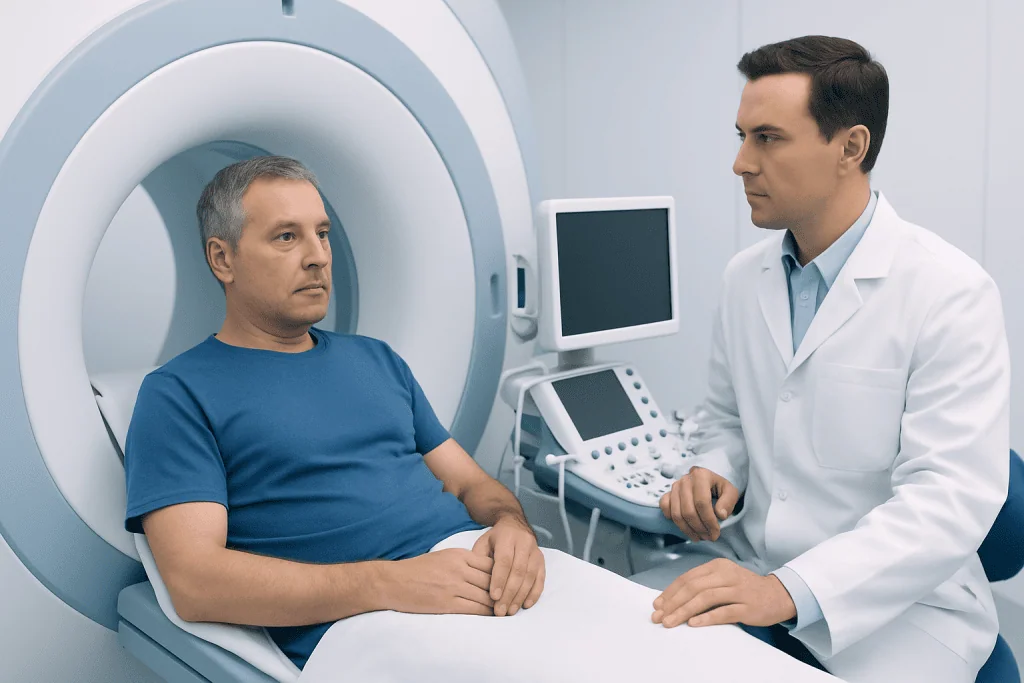
At the cellular level, prostate cancer is caused by genetic mutations that allow prostate cells to grow, survive, and divide abnormally. These mutations may happen over time as part of the aging process, or they may be linked to inherited genetic changes passed down through families. Doctors do not always know exactly why these mutations happen in one person and not another.
Hormones also appear to be involved. Male hormones called androgens, including testosterone, help the prostate grow and function. In some prostate cancers, these hormones may also support the growth of cancer cells. This is one reason hormone-based treatments can be useful in certain cases.
Researchers continue to study whether inflammation, diet, excess body weight, and environmental exposures may contribute to prostate cancer risk. These factors may affect the body’s hormonal balance, immune response, or cell repair mechanisms. However, they are best understood as possible influences rather than direct, proven causes in every individual case.
In simple terms, prostate cancer develops when a prostate cell’s normal growth controls stop working properly. The process is complex, and most cases likely result from several interacting factors rather than one clear trigger.
Risk Factors

Several factors are known to increase the chance of developing prostate cancer. The most important is age. Prostate cancer is much more common in older adults, and the risk rises steadily as people get older. It is less common in younger men, though it can still occur.
Family history is another major risk factor. A person may have a higher chance of prostate cancer if a father, brother, or multiple relatives have had it, especially if they were diagnosed at a younger age. Certain inherited gene changes, including BRCA-related mutations and other hereditary cancer syndromes, may also increase risk.
Race and ethnicity can influence risk patterns as well. In some populations, prostate cancer is diagnosed more often or may behave more aggressively. These differences are likely related to a mix of genetics, access to care, screening practices, and broader health factors.
Other possible risk factors include:
- Obesity or excess body weight
- A diet high in processed foods or saturated fats
- Low physical activity
- Smoking, which may be linked to worse outcomes
- Exposure to certain environmental or workplace chemicals
Having one or more risk factors does not mean a person will definitely develop cancer. Likewise, some people with prostate cancer have no obvious risk factors beyond age.
Symptoms of Prostate Cancer
Many people with early prostate cancer do not notice any symptoms. This is because the cancer may grow slowly and stay confined to the prostate for a long time. In these cases, it may first be suspected because of a screening test or a prostate exam.
When symptoms do occur, they can overlap with common noncancerous prostate conditions such as benign prostatic enlargement or prostatitis. Possible symptoms include:
- Frequent urination, especially at night
- Difficulty starting or stopping urination
- Weak urine flow
- Pain or burning during urination
- Blood in the urine or semen
- Discomfort in the pelvic area
If prostate cancer grows beyond the prostate, additional symptoms may develop. These can include bone pain, unexplained weight loss, fatigue, or weakness. These symptoms do not automatically mean cancer is present, but they should be assessed by a doctor.
Because symptoms can be absent or nonspecific, it is important for people with risk factors or concerns to discuss prostate health with a qualified healthcare professional.
How Prostate Cancer Is Diagnosed
Diagnosis usually starts with a medical history, a discussion of symptoms, and an assessment of personal and family risk factors. A doctor may perform a digital rectal examination to feel the prostate for irregular areas. A prostate-specific antigen, or PSA, blood test may also be used to look for signs that need further evaluation.
An abnormal PSA result does not by itself confirm cancer. PSA levels can also rise because of noncancerous enlargement, inflammation, infection, or recent procedures. For this reason, doctors interpret PSA results carefully and may repeat the test or combine it with other assessments.
If cancer is suspected, imaging and tissue sampling may be recommended. Modern evaluation can include prostate MRI fusion biopsy to help target suspicious areas more accurately. A standard prostate biopsy remains the test that confirms the diagnosis by examining cells under a microscope.
After diagnosis, doctors assess how aggressive the cancer appears and whether it has spread. This may involve imaging studies and laboratory tests, as well as grading systems that help guide treatment planning. Some patients may also need advanced scans such as PET-CT when spread is a concern or staging needs to be clarified.
Treatment Options
Treatment depends on several factors, including the stage of the cancer, how quickly it seems to be growing, symptoms, age, and overall health. In some people with small, slow-growing tumors, active surveillance may be the best first step. This approach involves careful monitoring with repeat PSA tests, exams, imaging, and sometimes repeat biopsy, rather than immediate treatment.
When treatment is needed, options can include surgery, radiation therapy, hormone therapy, chemotherapy, and newer targeted or systemic treatments. Surgery may involve removing the prostate gland, often with techniques such as robotic surgery in appropriate cases. Radiation can be used alone or alongside other treatments, while hormone therapy helps reduce the effect of androgens that may fuel cancer growth.
If the disease has spread or has a higher risk of progression, treatment may involve a combination of therapies. In selected situations, doctors may also consider immunotherapy or other specialized treatments based on the biology of the cancer. The right plan is individualized and should be discussed in detail with an experienced oncology and urology team.
Near the end of the care pathway, coordinated support also matters. Acibadem International’s multidisciplinary specialists in JCI-accredited hospitals diagnose and treat prostate cancer for international patients, with plans tailored to the individual’s medical needs.
Prevention and Self-care
There is no guaranteed way to prevent prostate cancer, especially when age or inherited risk is involved. Still, healthy daily habits may support overall prostate and general health. Doctors often encourage a balanced diet rich in vegetables, fruits, whole grains, and healthy fats, along with limiting highly processed foods.
Regular physical activity, weight management, and not smoking are also sensible steps. These habits may not completely prevent prostate cancer, but they are linked to better overall health and may help reduce the risk of more aggressive disease. Limiting alcohol and managing chronic conditions such as diabetes and high blood pressure are beneficial as well.
People with a strong family history may benefit from earlier or more personalized discussions about screening. Screening decisions are not the same for everyone, and they should take into account age, health status, and personal preferences. A doctor can explain the potential benefits, limitations, and follow-up steps related to PSA testing and other evaluations.
When to See a Doctor
A doctor should be consulted if there are urinary changes that do not go away, blood in the urine or semen, pelvic discomfort, or unexplained bone pain. These symptoms can be caused by many conditions, not only cancer, but they deserve proper medical assessment.
It is also wise to seek medical advice when there is a strong family history of prostate cancer, breast cancer, ovarian cancer, pancreatic cancer, or known hereditary cancer syndromes. In such situations, a doctor may recommend earlier screening or genetic counseling based on personal risk.
Routine discussions about prostate health become more important with age. Even without symptoms, adults at average or increased risk may wish to ask when screening should begin and how often follow-up is appropriate. Early evaluation can help identify problems sooner and broaden the range of treatment choices if cancer is found.
Frequently asked questions
Is the exact cause of prostate cancer known?
No. Doctors understand that prostate cancer starts with genetic changes in prostate cells, but in most people there is no single identifiable cause. It is usually linked to a combination of age, hormones, inherited factors, and other influences.
Who is most at risk for prostate cancer?
Risk increases with age, especially in older adults. A family history of prostate cancer and certain inherited gene changes can also raise risk. Some racial and ethnic groups may have higher rates or more aggressive disease patterns.
Can prostate cancer develop without symptoms?
Yes. Early prostate cancer often causes no symptoms at all. That is why screening discussions may be important, particularly for people with higher risk.
Does a high PSA level mean someone has prostate cancer?
Not necessarily. PSA can rise for several reasons, including prostate enlargement, inflammation, infection, or recent procedures. A high PSA result usually means more evaluation is needed, not that cancer is certain.
Can prostate cancer be prevented?
There is no guaranteed way to prevent it. However, maintaining a healthy weight, exercising regularly, eating a balanced diet, and avoiding smoking may support overall health and may help lower the risk of aggressive disease.
Is prostate cancer always treated right away?
No. Some slow-growing prostate cancers can be safely monitored with active surveillance instead of immediate treatment. The best approach depends on the cancer’s stage, grade, symptoms, and the person’s overall health.
References
- World Health Organization
- American Cancer Society
- National Cancer Institute
- European Association of Urology
- National Health Service
This article is for general information only and is not a substitute for professional medical advice. Please consult a qualified doctor about your individual situation.
Prostate Cancer in Turkey — costs, top hospitals & a free quote
JCI-accredited · board-certified surgeons · reply within 24h
Add us as a Preferred Source to see more of our trusted health content across Google Search, AI Overviews and Discover.

More from the Health Library



Related Specialists

Assoc. Prof. Dr. Mehmet Sürmeli
Otorhinolaryngology
Prof. Dr. Banu Atalar
Radiation Oncology
Assoc. Prof. Dr. Ahmet Arnaz
Cardiovascular Surgery
Dr. Firangiz Mirzazade
Gynecology & Obstetrics