What Do Kidney Stones Feel Like? Pain Patterns and Red Flag Symptoms

Kidney stone pain often starts suddenly and may come in waves as the urinary tract spasms. Pain may move from the back or side toward the lower abdomen or groin as the stone travels.
Key Takeaways
- Kidney stone pain often starts suddenly and may come in waves as the urinary tract spasms.
- Pain may move from the back or side toward the lower abdomen or groin as the stone travels.
- Blood in the urine, nausea, vomiting, and burning with urination can occur alongside pain.
- Fever, chills, inability to pass urine, or severe uncontrolled pain are red flag symptoms that need prompt medical care.
- Not all kidney stones cause symptoms; some are found only on imaging tests.
- Diagnosis usually combines symptoms, urine tests, blood tests, and imaging.
Kidney stones often cause sudden, intense pain in the side, back, lower abdomen, or groin, but symptoms can vary depending on the stone’s size and location. Knowing the typical pain patterns and warning signs can help a person decide when home care may be reasonable and when urgent medical attention is needed.
Overview: What Kidney Stones Usually Feel Like
Kidney stones are hard mineral deposits that form in the kidneys and can move into the urinary tract. Some stones are so small that they pass without being noticed. Others can cause very noticeable symptoms, especially if they block the flow of urine or irritate the lining of the urinary tract.
Many people describe kidney stone pain as sudden, sharp, and severe. The pain often begins in the side or back, just below the ribs, and may spread toward the lower abdomen or groin. A key feature is that the pain can come in waves rather than staying at one steady level, because the ureter may spasm as it tries to push the stone along.
Symptoms do not always match the stone’s size. A small stone can be very painful if it gets stuck in a narrow area, while a larger stone may cause mild or no symptoms if it remains in the kidney. This is one reason why a person’s symptoms, exam findings, and imaging results all matter when doctors assess possible kidney stones.
Pain Patterns and Common Symptoms
The classic symptom is intense pain in the flank, which is the area between the lower ribs and the hip on one side of the body. As the stone moves, the pain may shift downward into the lower abdomen, pelvis, or groin. Some people also feel pain in the testicle or labia because pain signals can travel along nearby nerves.
Kidney stone pain is often restless pain. Unlike some other causes of abdominal discomfort, a person may struggle to find a comfortable position and may pace, bend, or change position frequently. The pain can last for minutes to hours, ease temporarily, and then return as the stone changes position.
Other common symptoms can happen at the same time:
- Blood in the urine, which may make urine pink, red, or brown
- Nausea or vomiting
- Burning or discomfort with urination
- A frequent urge to urinate
- Passing only small amounts of urine
- Cloudy or foul-smelling urine
Not everyone has all of these symptoms. If the stone remains in the kidney, pain may be dull or absent. If it moves closer to the bladder, urinary urgency and discomfort may become more noticeable than back pain.
Why Symptoms Change: Stone Location, Size, and Blockage
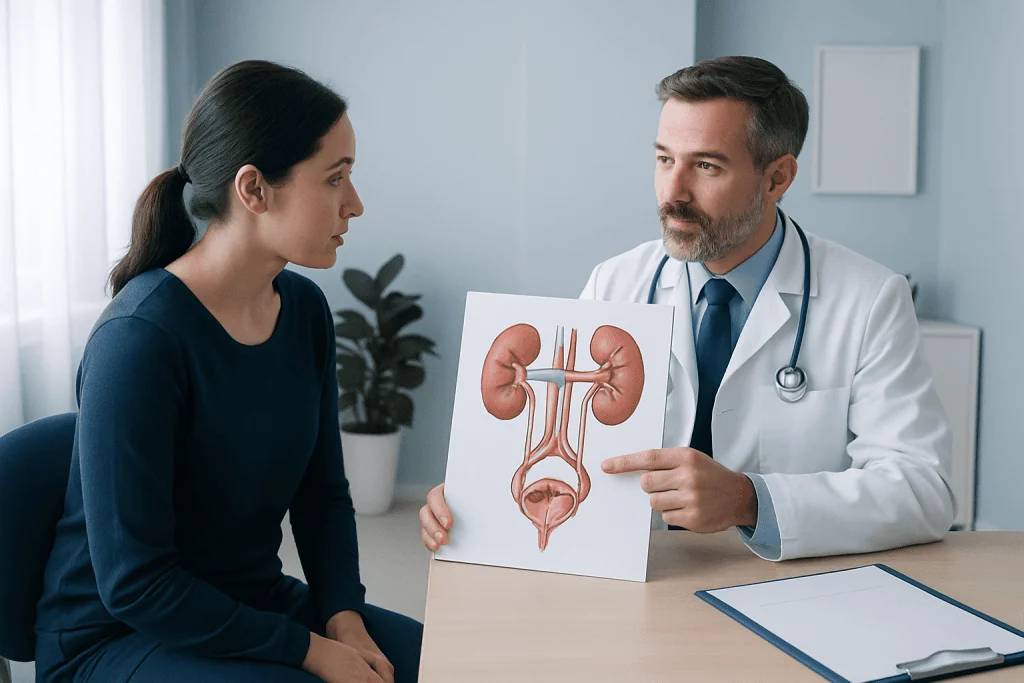
How a kidney stone feels depends largely on where it is. A stone sitting quietly in the kidney may cause no symptoms or only a vague ache. Once it enters the ureter, the narrow tube that drains urine from the kidney to the bladder, it is more likely to cause severe pain because it can partly or completely block urine flow.
When urine backs up behind a stone, pressure builds within the urinary system. This stretching and blockage can trigger the severe, cramping pain often linked to kidney stones. The urinary tract muscles may contract in waves, which explains why symptoms can rise and fall instead of staying constant.
Stone size matters, but not in a simple way. Very small stones may pass quickly with mild symptoms, while others can get caught and cause significant pain. Larger stones are less likely to pass on their own and may lead to longer-lasting symptoms or complications. The type of stone, body anatomy, and whether there is infection also affect how a person feels.
Red Flag Symptoms That Need Prompt Medical Attention
Some kidney stone symptoms suggest more than simple pain and should not be ignored. A fever, chills, or feeling generally unwell may point to a urinary tract infection that is happening at the same time as a blockage. This combination can become serious and usually needs urgent assessment and treatment.
Other important warning signs include severe pain that does not improve, repeated vomiting, fainting, dehydration, or an inability to urinate. A single kidney, known kidney disease, pregnancy, or a weakened immune system can also lower the threshold for seeking prompt care, because complications may develop faster in these situations.
A person should seek urgent medical help if any of the following occur:
- Fever or chills
- Urine that stops completely or very little urine output
- Severe pain that is uncontrolled
- Persistent vomiting or signs of dehydration
- Heavy bleeding in the urine or blood clots
- Confusion, weakness, or feeling faint
- Symptoms in someone who is pregnant, has one kidney, or has significant kidney disease
These symptoms do not always mean a dangerous complication is present, but they do require timely medical evaluation. Quick treatment can relieve pain, protect kidney function, and reduce the risk of infection-related problems.
How Doctors Diagnose Kidney Stones
Diagnosis usually starts with a medical history and physical examination. Doctors ask where the pain started, whether it moves, how severe it is, and whether there is nausea, vomiting, fever, or blood in the urine. They also ask about past stones, family history, fluid intake, diet, and conditions that raise stone risk.
Urine testing can show blood, signs of infection, or crystals that may hint at the stone type. Blood tests may be used to check kidney function, signs of infection, and levels of substances such as calcium or uric acid. These tests help doctors judge both the cause and any possible complications.
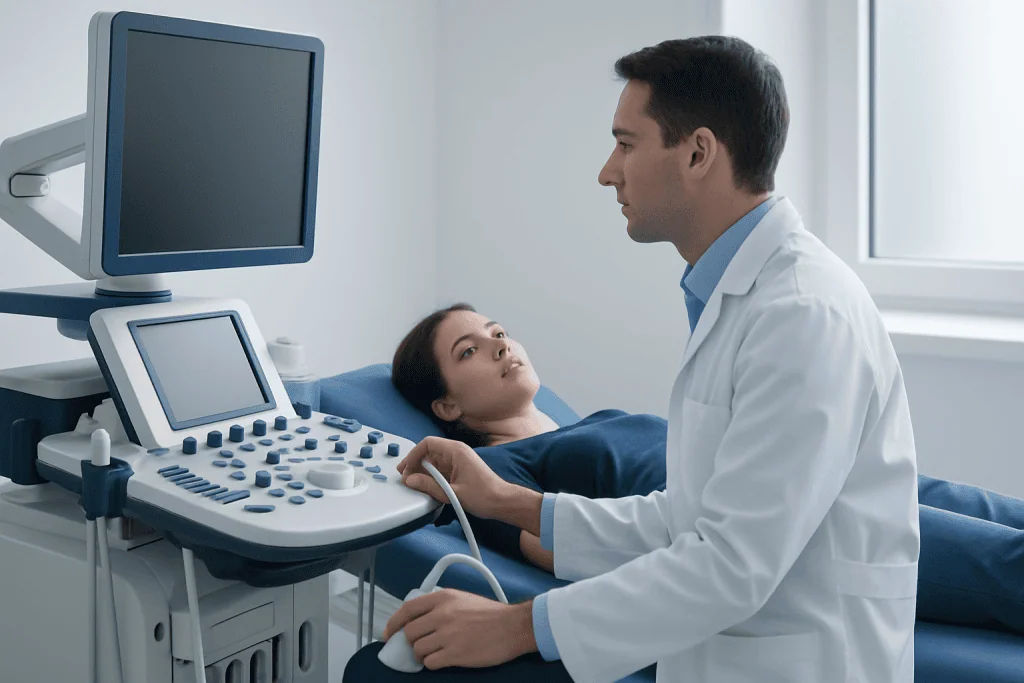
Imaging is often used to confirm the diagnosis and locate the stone. Depending on the situation, this may include ultrasound or a CT scan to show the stone’s size and position. In some cases, additional tests may be needed if symptoms could be caused by another condition, such as a urinary tract infection or another source of abdominal pain.
If a stone is passed, doctors may recommend saving it for analysis. Knowing the stone’s composition can guide prevention steps and help reduce the chance of future episodes.
Treatment Options and Pain Relief
Treatment depends on the stone’s size, location, symptoms, and whether there is infection or obstruction. Many small stones can pass on their own with time, fluids, pain relief, and close follow-up. Doctors may also prescribe medications that help the ureter relax, making passage easier in selected cases.
Pain control is an important part of treatment. This may include anti-inflammatory medicines or other pain-relieving medications recommended by a doctor. If nausea or vomiting is significant, treatment may also include medicine to settle the stomach and intravenous fluids if a person cannot drink enough.
When a stone is too large to pass, causes severe blockage, leads to infection, or keeps returning, a procedure may be needed. Depending on the case, options can include shock wave lithotripsy to break the stone into smaller pieces or ureteroscopy to remove or fragment a stone through the urinary tract. The right approach varies from person to person.
People with repeated stones may need a more detailed metabolic evaluation to identify why stones are forming. Long-term treatment can include diet changes and medication based on stone type, urine findings, and overall kidney health.
Prevention and Self-Care After a Stone
Prevention focuses on lowering the chance that new stones will form. For many people, the most important step is drinking enough fluid across the day so urine stays relatively dilute. This helps reduce the concentration of stone-forming substances in the urine. A doctor may give more specific advice based on climate, activity level, and medical history.
Diet can also matter. Depending on the stone type, a doctor may recommend moderating salt intake, balancing animal protein, and getting a healthy amount of dietary calcium rather than avoiding calcium completely. Some people may need to limit foods high in oxalate or manage uric acid levels, but these changes should ideally be guided by test results rather than guesswork.
General self-care steps include taking prescribed medication as directed, attending follow-up appointments, and watching for recurrent symptoms. If a person is told to strain the urine to catch a passed stone, doing so can provide valuable information for prevention planning.
Near the end of treatment planning, some patients benefit from specialist input if stones are recurrent or complicated. Acibadem International’s multidisciplinary specialists in JCI-accredited hospitals diagnose and treat kidney stones for international patients and can help coordinate evaluation, treatment, and follow-up when needed.
When to See a Doctor
A person should arrange medical evaluation for possible kidney stones if there is strong side or back pain, blood in the urine, pain that moves toward the groin, or ongoing urinary symptoms without a clear explanation. Even if the pain improves, a stone can still remain in the urinary tract and may need monitoring.
Prompt medical care is especially important when symptoms are new, very severe, or paired with fever, vomiting, or trouble passing urine. These situations can point to obstruction, dehydration, or infection, which may require more urgent treatment.
It is also sensible to see a doctor after passing a stone for guidance on prevention. Recurrent stones are common in some people, and a tailored plan can reduce future episodes and help protect long-term kidney health.
Frequently asked questions
Do kidney stones always cause severe pain?
No. Some kidney stones cause little or no discomfort, especially if they stay in the kidney and do not block urine flow. Pain usually becomes more noticeable when a stone moves into the ureter or causes irritation or obstruction.
Where is kidney stone pain usually felt?
Pain often starts in the side or back below the ribs. As the stone moves, the pain may spread to the lower abdomen, pelvis, or groin, and the exact location can change over time.
Can kidney stones cause urinary symptoms without back pain?
Yes. If a stone is lower in the urinary tract, a person may mainly notice burning with urination, urgency, frequent urination, or blood in the urine. Not every kidney stone presents with classic flank pain.
What symptoms suggest a kidney stone emergency?
Fever, chills, inability to pass urine, severe uncontrolled pain, persistent vomiting, and signs of dehydration all need prompt medical attention. These symptoms may suggest infection, significant blockage, or another complication.
How long does kidney stone pain last?
The timing varies widely depending on the size and location of the stone. Pain may come in waves over hours or days, and it can improve temporarily before returning as the stone moves.
Can a kidney stone feel like a urinary tract infection?
Yes, there can be overlap. Both can cause burning with urination, urinary urgency, and blood in the urine, which is why testing is often needed to tell them apart and to check whether both are present together.
References
- National Institute of Diabetes and Digestive and Kidney Diseases
- Urology Care Foundation
- European Association of Urology
- National Kidney Foundation
- Mayo Clinic
This article is for general information only and is not a substitute for professional medical advice. Please consult a qualified doctor about your individual situation.
Explore treatments in Turkey — costs, top hospitals & a free quote
JCI-accredited · board-certified surgeons · reply within 24h
Add us as a Preferred Source to see more of our trusted health content across Google Search, AI Overviews and Discover.