What Does an Orthopedic Doctor Do?

Orthopedic doctors care for the musculoskeletal system, including bones, joints, muscles, tendons, ligaments, and the spine. They treat both sudden injuries, such as fractures and sprains, and long-term conditions, such as arthritis and back pain.
Key Takeaways
- Orthopedic doctors care for the musculoskeletal system, including bones, joints, muscles, tendons, ligaments, and the spine.
- They treat both sudden injuries, such as fractures and sprains, and long-term conditions, such as arthritis and back pain.
- Treatment often begins with non-surgical options like rest, medication, physical therapy, braces, or injections.
- Some orthopedic doctors perform surgery when needed, including fracture repair, arthroscopy, and joint replacement.
- Persistent pain, swelling, stiffness, weakness, or limited movement are common reasons to see an orthopedic doctor.
An orthopedic doctor is a specialist who diagnoses, treats, and helps prevent problems affecting the bones, joints, muscles, ligaments, tendons, and spine. They may use physical exams, imaging, medication, rehabilitation, injections, or surgery depending on the condition and the person’s needs.
Overview
An orthopedic doctor, also called an orthopedist, is a physician who specializes in the musculoskeletal system. This system includes the bones, joints, muscles, ligaments, tendons, and spine. These structures work together to support the body, allow movement, and protect important organs.
Orthopedic doctors diagnose and treat a wide range of problems, from sports injuries and broken bones to arthritis, tendon disorders, and chronic back or neck pain. Some focus on general orthopedics, while others develop additional expertise in areas such as joint replacement, hand surgery, pediatric orthopedics, spine conditions, sports medicine, or trauma care.
Their work includes both non-surgical and surgical care. Many people are treated successfully without an operation through a combination of lifestyle changes, physical therapy, medications, splints or braces, and image-guided injections. If surgery is the best option, the orthopedic doctor explains the expected benefits, risks, recovery time, and rehabilitation process.
What Conditions Do Orthopedic Doctors Treat?
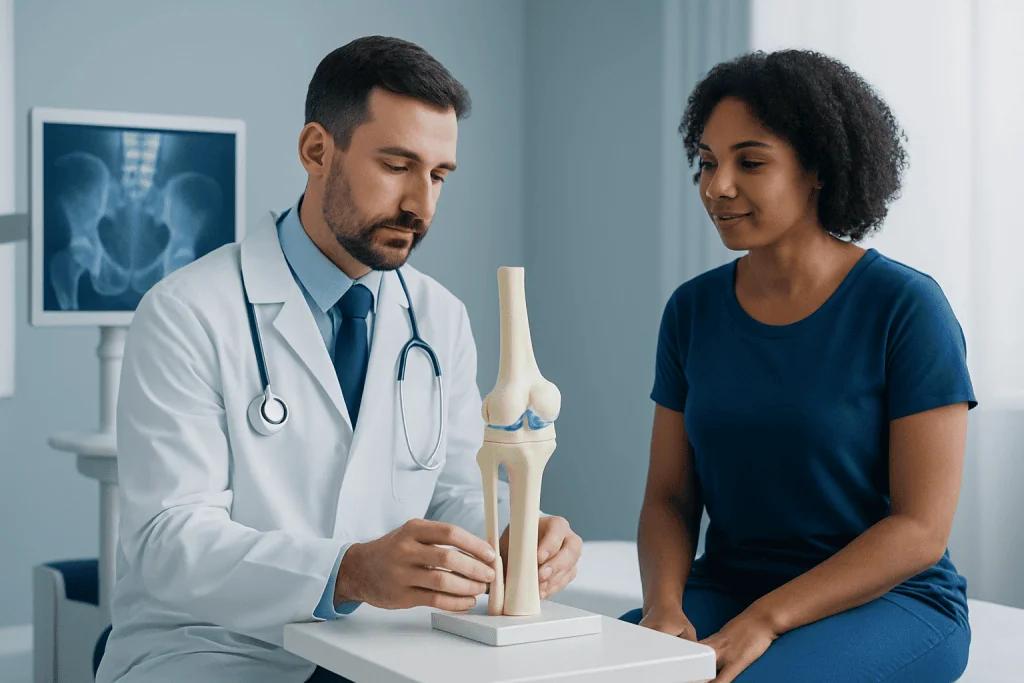
Orthopedic doctors evaluate many conditions that affect movement, stability, and daily comfort. Some problems happen suddenly after an injury, while others develop gradually from aging, overuse, or underlying disease. Symptoms may include pain, swelling, stiffness, weakness, numbness, instability, or reduced range of motion.
Common conditions treated by orthopedic doctors include:
- Fractures and dislocations
- Sprains, strains, and ligament injuries
- Tendonitis and tendon tears
- Arthritis, including osteoarthritis
- Back and neck pain related to the spine
- Shoulder problems such as rotator cuff injuries
- Knee injuries, including meniscus and ligament tears
- Hip pain and degenerative joint disease
- Carpal tunnel syndrome and hand injuries
- Foot and ankle conditions
- Sports injuries and overuse injuries
- Pediatric bone and joint conditions
In some cases, an orthopedic doctor works closely with other specialists, such as radiologists, rheumatologists, pain specialists, rehabilitation physicians, neurologists, or physiotherapists. This team approach can be especially helpful for complex conditions that affect function and quality of life.
How Orthopedic Doctors Evaluate Patients

An orthopedic assessment usually begins with a detailed medical history. The doctor asks when the symptoms began, what makes them better or worse, whether there was an injury, and how the problem affects walking, work, sleep, exercise, or daily tasks. Previous treatments, current medications, and other health conditions are also important.
The physical examination focuses on movement, alignment, strength, joint stability, tenderness, swelling, reflexes, and gait. The doctor may compare both sides of the body to look for differences in range of motion, balance, or muscle function. This hands-on assessment often provides important clues about the source of pain or limitation.
When needed, imaging or other tests help confirm the diagnosis. These may include X-rays for bones and joint alignment, MRI for soft tissues such as ligaments or cartilage, CT scans for more detailed bone images, ultrasound for certain tendon or muscle problems, or blood tests if inflammation or infection is suspected. The goal is to identify the exact problem and create an appropriate treatment plan.
Non-Surgical Treatments in Orthopedics
Many orthopedic conditions improve without surgery. In fact, non-surgical care is often the first step, especially for mild to moderate injuries, overuse problems, early arthritis, or back pain without serious nerve compression. Treatment is tailored to the person’s age, activity level, general health, and goals.
Common non-surgical treatments include rest, activity modification, ice or heat, anti-inflammatory medicines, pain relief medicines, supportive footwear, braces, casts, splints, and structured physical therapy. Exercise programs may focus on flexibility, balance, posture, strengthening, and joint protection. Weight management can also reduce stress on the hips, knees, ankles, and spine.
For some conditions, orthopedic doctors may recommend injections to reduce pain or inflammation in a joint or around a tendon. Rehabilitation plays an important role in recovery after both injury and surgery. Conditions such as osteoarthritis often benefit from long-term symptom management and regular follow-up rather than a single treatment alone.
When Surgery May Be Recommended
Surgery may be considered when non-surgical treatments do not provide enough relief, when there is severe structural damage, or when delaying treatment could worsen function. Not every patient with pain needs surgery, and orthopedic doctors usually weigh the expected benefits against possible risks and recovery demands.
Orthopedic operations vary widely. Some procedures repair fractures or torn tendons, while others reconstruct ligaments, remove damaged tissue, or replace a worn joint. Minimally invasive techniques may be possible in selected cases, depending on the condition and anatomy involved.
Examples of orthopedic procedures include knee replacement for advanced joint damage, hip replacement for severe hip arthritis, arthroscopic surgery for certain joint problems, and fracture fixation after trauma. After surgery, rehabilitation is often essential to restore strength, mobility, and confidence in movement.
When to See an Orthopedic Doctor
It may be time to see an orthopedic doctor if pain, swelling, or stiffness does not improve with basic self-care, or if symptoms keep returning. Ongoing discomfort that limits walking, climbing stairs, lifting, sports, sleep, or work deserves medical evaluation. Early assessment can sometimes prevent a small problem from becoming more serious.
Urgent medical attention is especially important after a significant injury, suspected fracture, visible deformity, sudden inability to bear weight, joint instability, or symptoms of nerve involvement such as new weakness or loss of bladder or bowel control. Fever with a hot, swollen joint also needs prompt medical review.
People with recurring shoulder, knee, hip, hand, or spine symptoms may benefit from seeing a specialist even if the problem seems manageable. For example, a doctor may evaluate persistent herniated disc symptoms or chronic scoliosis-related discomfort to determine whether imaging, rehabilitation, or another treatment approach is appropriate.
Prevention, Self-Care, and Long-Term Joint Health
Not every orthopedic problem can be prevented, but healthy habits can lower the risk of injury and support long-term mobility. Regular exercise helps maintain muscle strength, balance, coordination, and bone health. A balanced routine usually includes aerobic activity, strength training, and flexibility work.
Good posture, safe lifting techniques, supportive shoes, and gradual increases in sports intensity can help protect joints and soft tissues. Warming up before activity and allowing enough recovery time after exercise are also important. People who work at desks or perform repetitive tasks may benefit from ergonomic changes and scheduled movement breaks.
Maintaining a healthy body weight reduces pressure on load-bearing joints, especially the knees, hips, and lower back. Avoiding tobacco use and getting enough calcium, vitamin D, and overall balanced nutrition also support bone and tissue health. Near the end of the care journey, some patients may choose evaluation at centers such as Acibadem International, where multidisciplinary specialists in JCI-accredited hospitals diagnose and treat orthopedic conditions for international patients.
Frequently asked questions
What is the difference between an orthopedic doctor and a rheumatologist?
An orthopedic doctor focuses on the musculoskeletal system and commonly treats injuries, mechanical problems, fractures, and degenerative joint conditions. A rheumatologist treats autoimmune and inflammatory diseases such as rheumatoid arthritis, lupus, and gout. In some cases, both specialists may be involved in a person’s care.
Do orthopedic doctors always perform surgery?
No. Many orthopedic doctors use non-surgical treatments first, such as medication, physical therapy, braces, or injections. Surgery is usually considered only when conservative treatment is not enough or when the condition requires urgent repair.
Can an orthopedic doctor help with back pain?
Yes. Orthopedic doctors often evaluate back and neck pain related to muscles, joints, discs, nerves, or the spine itself. They may recommend exercises, rehabilitation, medication, imaging, injections, or surgery depending on the cause and severity.
Do I need a referral to see an orthopedic doctor?
This depends on the healthcare system, insurance plan, and country. Some people can book directly with a specialist, while others need a referral from a primary care doctor. It is usually helpful to bring previous test results and a summary of symptoms to the appointment.
What should someone expect at a first orthopedic appointment?
The first visit typically includes questions about symptoms, medical history, activity level, and prior treatments, followed by a focused physical examination. The doctor may order X-rays or other imaging if needed. After that, they usually explain the diagnosis and discuss treatment options.
When should joint pain be checked by a specialist?
Joint pain should be checked if it lasts more than a few days, keeps coming back, causes swelling or stiffness, or limits daily activities. Immediate care is important after serious injury, visible deformity, inability to bear weight, or signs of infection such as fever and redness.
References
- American Academy of Orthopaedic Surgeons
- National Institute of Arthritis and Musculoskeletal and Skin Diseases
- MedlinePlus
- National Health Service
- World Health Organization
This article is for general information only and is not a substitute for professional medical advice. Please consult a qualified doctor about your individual situation.
Joint and spine care in Turkey — expert assessment & treatment
JCI-accredited · board-certified surgeons · reply within 24h
Add us as a Preferred Source to see more of our trusted health content across Google Search, AI Overviews and Discover.

Orthopedics & Spine
Care for bones, joints and the musculoskeletal system, including joint replacement, sports injuries and trauma.
125 specialists in this unitMore from the Health Library



Related Specialists
Assoc. Prof. Dr. Mehmet Barburoğlu
Interventional Neuroradiology
Dr. Ulaankhuu Batgerel
Cardiology
Assoc. Prof. Dr. Umut Dişel
Internal Medicine
Prof. Dr. Nadiye Köroğlu
Gynecology & Obstetrics