What does your appendix do? A Doctor-Reviewed Answer

The appendix is a small tube-like pouch connected to the beginning of the large intestine. It is not considered a vital organ, so a person can live normally without an appendix.
Key Takeaways
- The appendix is a small tube-like pouch connected to the beginning of the large intestine.
- It is not considered a vital organ, so a person can live normally without an appendix.
- Researchers believe the appendix may help immune function and support healthy gut bacteria.
- The appendix is best known medically because it can become inflamed, causing appendicitis.
- Sudden worsening pain in the lower right abdomen, especially with fever or nausea, needs prompt medical attention.
What does your appendix do? The appendix is a small pouch attached to the large intestine that does not appear to be essential for survival, but it may help support the immune system and serve as a reservoir for beneficial gut bacteria. Most people live normal, healthy lives without it.
Overview: what does your appendix do?
The appendix is a small, finger-shaped pouch attached to the first part of the large intestine, near where the small intestine meets the colon. For many years, it was thought to have little or no purpose. Current research suggests it may play a supportive role in the body, particularly in immune activity and the balance of helpful bacteria in the gut.
In simple terms, the appendix is not essential for day-to-day survival, but it may still be useful. It contains lymphoid tissue, which is involved in immune defense, especially early in life. Some experts also believe the appendix may act as a sheltered place where beneficial gut microbes can persist and potentially help repopulate the intestines after infections such as severe diarrhea.
This means the appendix is better understood as a helpful but non-vital organ. Its possible functions are real enough to study, yet not so critical that removing it causes major long-term health problems in most people. That is why appendectomy, the surgical removal of the appendix, is generally well tolerated when needed.
Where the appendix is and what it looks like
The appendix sits in the lower right part of the abdomen in most people. It extends from the cecum, which is the first section of the large intestine. Although its classic position is in the right lower abdomen, the exact angle and location can vary slightly from person to person.
It is usually a narrow, closed-ended tube a few centimeters long. Because it is small and tucked near the intestines, a healthy appendix does not usually cause any sensation at all. Most people are unaware of it unless it becomes inflamed or is found during imaging or surgery for another reason.
Its location helps explain why appendicitis often causes pain that settles in the lower right abdomen. However, symptoms can vary depending on age, anatomy, and the stage of inflammation, which is one reason doctors consider the whole clinical picture rather than one symptom alone.
What scientists think the appendix may do

The appendix appears to have two main suspected roles. First, it may contribute to immune function. The lining of the appendix contains lymphoid tissue, which is part of the body’s immune system. This tissue helps the body recognize and respond to germs in the digestive tract.
Second, the appendix may support the gut microbiome, the community of bacteria and other microorganisms that live in the intestines. Some researchers describe it as a “safe house” for beneficial bacteria. After a gastrointestinal infection clears a large portion of the normal intestinal bacteria, the appendix may help restore a healthier balance.
These ideas fit with the appendix’s structure and location, but medicine is careful about overstating its role. The appendix is not the only place where immune activity occurs in the gut, and the body has many systems that support the microbiome. So while the appendix may be helpful, it is not considered indispensable.
Its possible function also helps explain why modern medicine no longer describes it simply as a useless organ. Instead, it is viewed as a small part of a larger digestive and immune network.
Can you live without an appendix?
Yes. A person can live a normal life without an appendix. When the appendix is removed because of inflammation, infection, or another surgical reason, most people recover fully and do not notice any long-term change in digestion or general health.
This is because the appendix does not control digestion in the way the stomach, liver, pancreas, or intestines do. The body still absorbs nutrients, processes food, and maintains immune defenses through many other organs and tissues.
People who have had an appendectomy may need short-term recovery time, especially after surgery, but the loss of the appendix itself is usually not harmful. If the appendix becomes infected, removing it can prevent serious complications such as rupture and abdominal infection. For more on inflammation of the appendix, see appendicitis.
Why the appendix matters medically
The appendix is most important in clinical practice because it can become blocked and inflamed. This condition, called appendicitis, can start when the inside of the appendix is obstructed by stool, swelling of lymph tissue, or less commonly another cause. Pressure builds up, bacteria multiply, and the tissue can become infected.
Appendicitis often begins with vague abdominal discomfort and later becomes more focused, commonly in the lower right side. It may happen together with nausea, vomiting, reduced appetite, fever, or pain that worsens with movement. Not everyone has the same symptom pattern, especially children, older adults, and pregnant patients.
If inflammation progresses, the appendix can rupture. This allows infected material to spread into the abdomen and can lead to a serious infection. Because of that risk, suspected appendicitis should be assessed promptly rather than watched at home for too long.
Treatment depends on the situation, but many patients need appendix removal surgery. In some cases, imaging and monitoring are used to confirm the diagnosis and guide the safest treatment plan.
How doctors evaluate appendix problems
When a person has symptoms that could involve the appendix, doctors begin with a medical history and physical examination. They ask where the pain started, whether it moved, how quickly it worsened, and whether there are symptoms such as fever, nausea, constipation, or diarrhea.
Blood tests may be used to look for signs of infection or inflammation. Urine tests can help rule out other causes of abdominal pain, such as urinary tract problems. In many patients, imaging plays an important role, especially when symptoms are not classic.
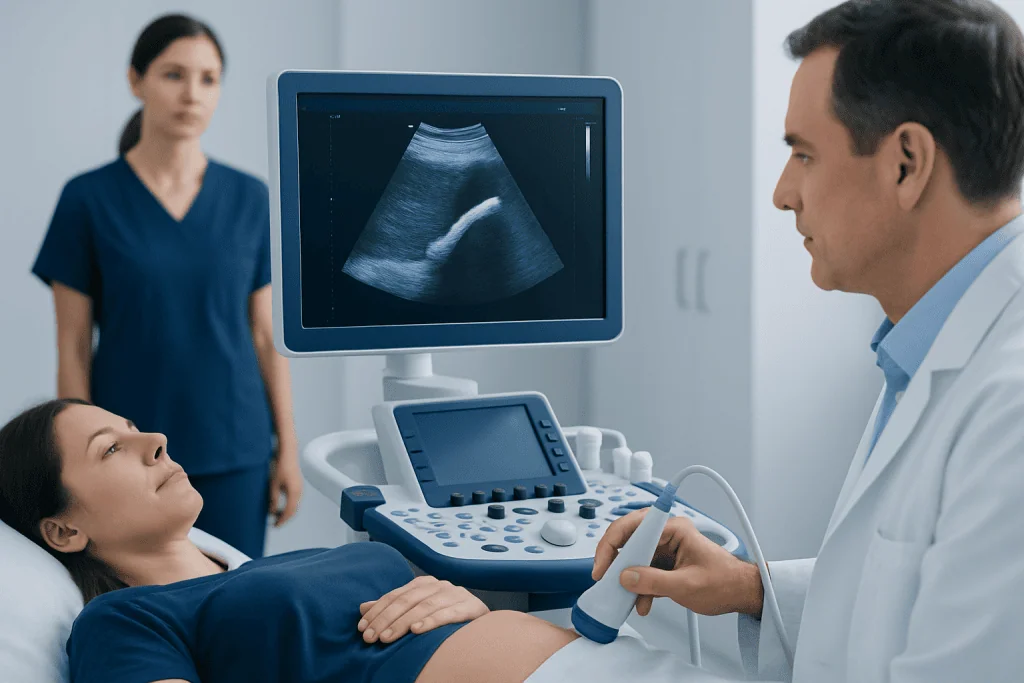
Ultrasound is often used in children and some adults because it avoids radiation. A targeted abdominal ultrasound may help visualize an enlarged or inflamed appendix. A CT scan can provide more detailed images when the diagnosis remains uncertain or complications are suspected.
Doctors also consider other conditions that can mimic appendicitis, including stomach infections, ovarian problems, kidney stones, inflammatory bowel disease, and other causes of abdominal pain. This careful approach helps reduce missed diagnoses and unnecessary surgery.
When to seek medical care
Medical care is advisable if abdominal pain is severe, steadily worsening, or associated with fever, vomiting, faintness, or a swollen abdomen. Pain in the lower right side that gets worse when walking, coughing, or being touched deserves prompt assessment.
It is especially important not to ignore symptoms that rapidly intensify over several hours. People should avoid self-treating significant abdominal pain with repeated pain medicine or laxatives before a doctor has evaluated the cause, because this can mask symptoms or worsen some conditions.
Children, older adults, and pregnant women may have less typical symptoms, so delayed evaluation can be more risky. If there is concern about appendicitis or another urgent abdominal condition, timely examination in an emergency or urgent care setting is the safest step.
Living well after appendix surgery and a note on specialist care
After appendectomy, recovery depends on whether surgery was straightforward or whether the appendix had ruptured. Many people who have minimally invasive surgery return to light daily activities relatively quickly, while more complicated cases may need a longer recovery and antibiotics.
General self-care after surgery usually includes rest, gradual return to activity, wound care as instructed, and follow-up with the surgical team. New fever, worsening pain, vomiting, or redness and drainage from the incision should be reported to a doctor.
There is no special lifelong diet required after appendix removal for most patients. Once healing is underway, people usually return to their normal eating pattern unless their doctor advises otherwise because of another digestive condition.
For international patients who need evaluation of abdominal pain or treatment for appendix disease, Acibadem International’s multidisciplinary specialists in JCI-accredited hospitals provide diagnosis and treatment using modern imaging, emergency assessment, and surgical care when appropriate.
Frequently asked questions
What does your appendix do in one sentence?
The appendix is a small pouch connected to the large intestine that may help support immune function and healthy gut bacteria, even though it is not essential for survival. Most people do not notice any change in health if it is removed.
Is the appendix a useless organ?
Not exactly. Older descriptions often called it useless, but newer research suggests it may have supportive immune and microbiome-related functions. Even so, it is still considered non-vital because the body functions well without it.
Can you live without an appendix?
Yes, people can live normal lives without an appendix. After an appendectomy, digestion and overall health are usually unaffected in the long term. The body has many other ways to support immunity and intestinal health.
Why does the appendix get inflamed?
The appendix usually becomes inflamed when its opening is blocked, which can allow pressure and bacteria to build up inside. This can lead to appendicitis, a condition that may require urgent treatment. Doctors evaluate symptoms quickly because untreated inflammation can worsen.
What are the early signs of appendicitis?
Early signs often include abdominal pain that may start near the belly button and later move to the lower right side. Nausea, vomiting, loss of appetite, mild fever, and pain that worsens with movement can also occur. Symptoms do not look exactly the same in every person.
Do you need surgery if you have appendicitis?
Many people with appendicitis do need surgery to remove the appendix, but treatment depends on the severity and whether there are complications. In selected cases, doctors may use antibiotics and close observation. The safest option is based on the examination, imaging results, and overall clinical picture.
References
- National Institute of Diabetes and Digestive and Kidney Diseases
- National Health Service
- Cleveland Clinic
- Merck Manual Consumer Version
- American College of Surgeons
This article is for general information only and is not a substitute for professional medical advice. Please consult a qualified doctor about your individual situation.
Persistent digestive symptoms? Get evaluated in Turkey
JCI-accredited · board-certified surgeons · reply within 24h
Add us as a Preferred Source to see more of our trusted health content across Google Search, AI Overviews and Discover.