What Happens after Bladder Removal: Procedure, Recovery and Results
Bladder removal, or cystectomy, is most often used to treat muscle-invasive bladder cancer and some high-risk non-muscle-invasive cancers. The surgeon creates a urinary diversion using part of the bowel, such as an ileal conduit, continent pouch or neobladder.
Key Takeaways
- Bladder removal, or cystectomy, is most often used to treat muscle-invasive bladder cancer and some high-risk non-muscle-invasive cancers.
- The surgeon creates a urinary diversion using part of the bowel, such as an ileal conduit, continent pouch or neobladder.
- Hospital recovery commonly takes several days, while fuller healing and adjustment often take weeks to months.
- Possible long-term changes include altered urinary routines, sexual-function concerns, bowel changes and the need for regular blood tests and cancer surveillance.
- Contact the care team promptly for fever, worsening pain, vomiting, inability to pass urine, heavy bleeding or signs of a wound or stoma problem.
After bladder removal, urine is redirected through a surgically created pathway called a urinary diversion. Most people need time to recover physically and adjust to new bladder-emptying or stoma-care routines, but specialist support, rehabilitation and follow-up help them return to many usual activities.
What happens after bladder removal?
After bladder removal, called a cystectomy, the body still produces urine through the kidneys, but urine needs a new route to leave the body. During the same operation, the surgical team creates a urinary diversion. This may drain urine continuously into a bag worn on the abdomen, store urine in an internal pouch, or create a new bladder-like reservoir from bowel tissue.
In the first days after surgery, care focuses on pain control, safe movement, breathing exercises, nutrition and monitoring bowel and kidney function. Tubes, drains and temporary stents may be present while tissues heal. Before discharge, patients and caregivers are taught the practical skills needed for their particular urinary diversion.
Recovery is individual. Energy, appetite, bowel habits and confidence with a new urinary routine usually improve gradually. Regular follow-up remains important because the operation can have long-term effects on kidney function, nutrition and sexual health, and because cancer surveillance may still be needed.
Why bladder removal is done and who may be a candidate
Radical cystectomy removes the bladder and nearby lymph nodes. It is most commonly recommended for muscle-invasive bladder cancer, for certain high-risk cancers that have not responded adequately to bladder-preserving treatment, or less commonly for severe non-cancerous bladder conditions. The exact organs removed can differ according to anatomy, cancer location and treatment goals.
Decisions are made by considering cancer stage and grade, imaging results, overall health, kidney function, previous treatments and a person’s preferences. Some patients may be candidates for bladder-preserving approaches, while others benefit most from surgery. Information about the underlying condition is available in bladder cancer.
Before surgery, assessment may include blood and urine tests, scans, heart and lung evaluation when appropriate, nutritional review and discussions about smoking cessation, mobility and support at home. The team also discusses urinary diversion options early, since each option involves different daily care and may not suit every person.
How the procedure works: from cystectomy to urinary diversion
Bladder removal may be performed through open surgery or, in selected patients, minimally invasive techniques such as laparoscopic or robotic-assisted surgery. The approach depends on the clinical situation and the surgeon’s assessment. The operation is carried out under general anaesthesia and can take several hours because urinary reconstruction is an essential part of the procedure.
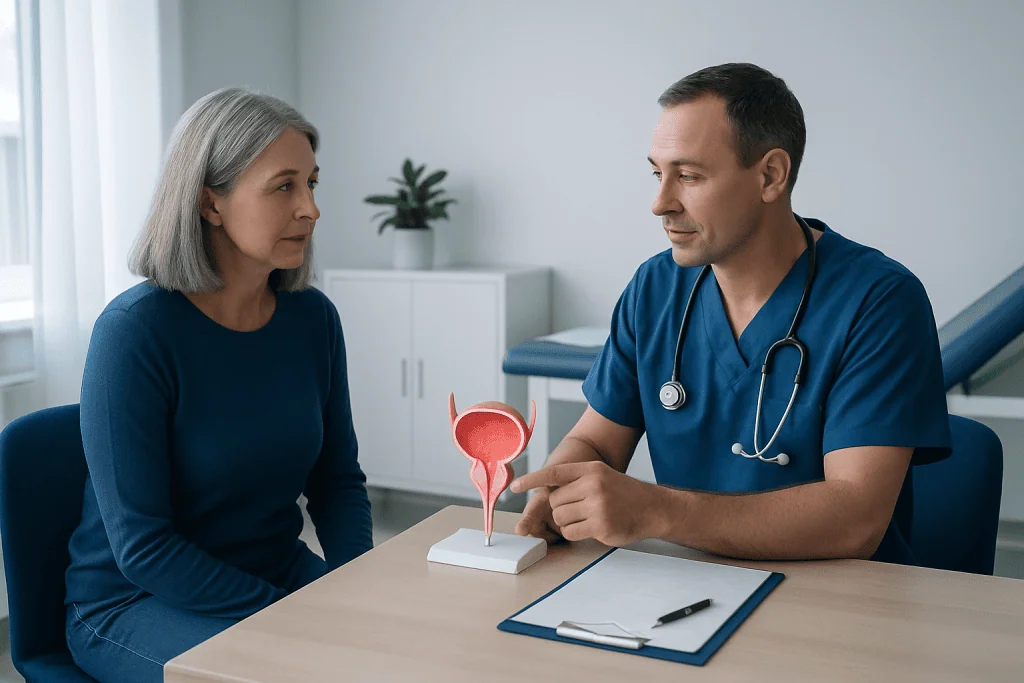
After removing the bladder, the surgeon uses a short segment of intestine to redirect urine. The main options are an ileal conduit, a continent cutaneous reservoir and an orthotopic neobladder. An ileal conduit brings urine to a small opening on the abdomen, called a stoma, where it drains into an external pouch. A continent reservoir is emptied through a small stoma using a catheter. A neobladder connects to the urethra, allowing some people to pass urine through the usual route, although timed emptying and sometimes catheterisation may be needed.
The best diversion is not the same for everyone. It is influenced by kidney and bowel health, prior radiation or surgery, cancer involvement of the urethra, hand function, ability to manage care, and personal priorities. Patients can discuss the role of bladder cancer treatment options with a urology and oncology team.
Recovery timeline: how long does it take to heal after bladder removal?
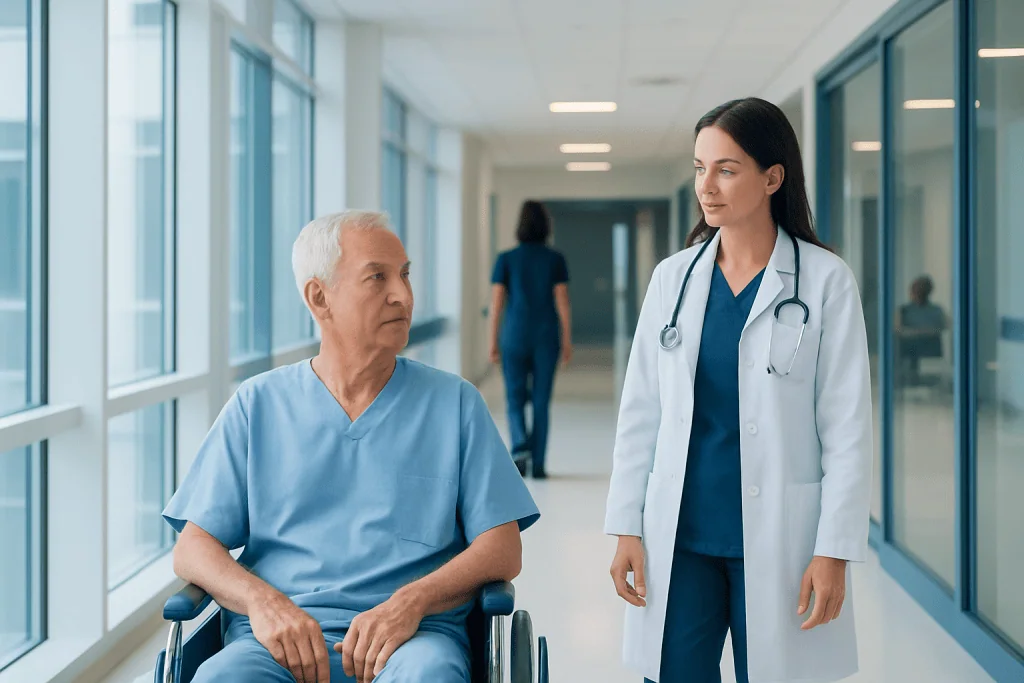
How long does it take to heal after bladder removal? Initial hospital recovery often lasts about one to two weeks, although this varies with the type of surgery, urinary diversion and any complications. During this time, the bowel needs to restart normal activity after surgery, and the team monitors fluid balance, wound healing, pain and safe mobility.
At home, many people need several weeks of reduced activity. Walking is encouraged in gradual amounts, but heavy lifting, strenuous exercise and driving may need to wait until the surgeon advises that they are safe. Fatigue is common, particularly if chemotherapy was given before surgery. A return to work may take several weeks or longer depending on the role and overall recovery.
Fuller physical recovery and adjustment to a urinary diversion commonly take two to three months and can take longer. Neobladder training, continence improvement and confidence in stoma or catheter care may continue for months. Follow-up appointments allow the team to check healing, review laboratory results and address practical concerns early.
- Follow discharge instructions on wound, stoma, catheter and drain care.
- Drink fluids as advised by the clinical team, unless another health condition requires restriction.
- Eat small, nourishing meals if appetite is reduced, and ask about dietitian support if needed.
- Attend scheduled reviews, including blood tests to assess kidney function and electrolyte balance.
What is life like after you have your bladder removed?
What is life like after you have your bladder removed? Life changes, but many people resume valued daily activities, travel, social events and exercise after recovery. The main difference is learning a new way to manage urine. With an ileal conduit, the pouch is emptied regularly and changed on a schedule. With a continent pouch or neobladder, a reliable emptying routine is essential.
Early concerns about body image, leaks, odour or managing supplies are understandable. Specialist stoma nurses and continence professionals can teach fitting techniques, skin care and practical planning for work or travel. Properly fitted systems are designed to be discreet, and people often become more comfortable as routines become familiar.
Sexual function and fertility may be affected by cystectomy, depending on the organs and nerves involved. Nerve-sparing approaches may be possible for some patients, but outcomes vary. Open discussion with the surgical team can lead to appropriate support, including sexual-health counselling, pelvic-floor rehabilitation or specialist treatment when indicated.
Long-term care also includes monitoring for vitamin and metabolic changes because bowel tissue is used in the diversion. Some people may need periodic vitamin B12 testing or other blood tests. These checks are a routine part of maintaining health after surgery.
Benefits, risks and the odds of cancer returning after bladder removal
The main potential benefit of radical cystectomy for appropriately selected bladder cancer is removal of the known cancer and reduction of the risk that it will progress locally. For some people, it can provide the best opportunity for long-term cancer control. The final pathology report, including the depth of cancer and lymph-node findings, helps the team plan surveillance and discuss whether additional treatment may be useful.
What are the odds of cancer returning after bladder removal? There is no single percentage that applies to every person. The chance of recurrence depends on factors such as cancer stage and grade, lymph-node involvement, surgical margins, response to pre-operative treatment and tumour biology. Cancer can recur locally, in lymph nodes, at distant sites or, less commonly, in remaining urinary tract tissues.
Regular surveillance is therefore important even after the bladder has been removed. Follow-up may include physical examinations, blood tests, imaging and selected urine or upper urinary tract assessments. Patients should ask their oncology team about their individual pathology results and surveillance plan rather than relying on average recurrence estimates.
Potential surgical risks include bleeding, infection, blood clots, bowel obstruction or leakage, urinary infection, narrowing at a connection site, changes in kidney function and electrolyte imbalance. Not everyone experiences these problems, and teams use preventive measures and close monitoring to reduce risk. Persistent or new symptoms should be assessed rather than managed alone.
Do you lose weight after bladder removal?
Do you lose weight after bladder removal? Some weight loss can occur in the weeks after surgery because appetite may be lower, the body is recovering from a major operation and eating patterns may temporarily change. This is not inevitable, and significant or continuing weight loss should be discussed with the care team.
Maintaining adequate calories, protein and fluids supports wound healing and strength. Small frequent meals can be easier during early recovery, especially while bowel function is settling. A dietitian can provide tailored advice for people who have lost weight, have diabetes, kidney concerns or treatment-related appetite changes.
Ongoing diarrhoea, poor appetite, vomiting, dehydration or unintended weight loss can signal a problem that needs review. Blood tests and nutritional assessment may identify correctable causes, including vitamin or electrolyte changes. It is better to seek guidance early than to wait until weakness or dehydration becomes more difficult to manage.
When to seek medical care
Patients should follow the discharge instructions from their own surgical team, as the expected appearance of wounds, stomas and urine can vary. It is appropriate to contact the team promptly for fever, chills, worsening abdominal or wound pain, repeated vomiting, increasing redness or drainage from an incision, or a sudden decline in general wellbeing.
Urgent advice is also needed for very little or no urine output, a catheter or stoma that stops draining, a new large amount of blood in the urine, severe diarrhoea, signs of dehydration, calf swelling or sudden shortness of breath. These symptoms do not always mean a serious complication, but they should be assessed without delay.
For international patients, Acibadem International’s multidisciplinary specialists and JCI-accredited hospitals provide assessment and treatment planning for bladder cancer and urinary reconstruction. Ongoing communication with the local doctor and surgical team is important after returning home.
Frequently asked questions
Can a person urinate normally after bladder removal?
Some people with an orthotopic neobladder may pass urine through the urethra, although they usually need to empty on a schedule and may have leakage at first. Others use an ileal conduit or continent reservoir, which requires a pouch or catheterisation. The appropriate option depends on anatomy, cancer factors and general health.
How is urine collected after the bladder is removed?
With an ileal conduit, urine drains continuously through a stoma into a collection pouch on the abdomen. A continent reservoir stores urine internally and is emptied with a catheter through a small stoma. A neobladder stores urine inside the body and is usually emptied through the urethra.
Is bladder removal a major operation?
Yes. Radical cystectomy with urinary diversion is a major operation involving removal of the bladder and reconstruction of the urinary pathway. It requires careful pre-operative assessment, inpatient recovery and long-term follow-up.
Can people travel after bladder removal?
Many people can travel once they have recovered and their surgical team agrees it is safe. People with a stoma or catheter-based diversion benefit from carrying extra supplies, packing them in hand luggage and knowing how to access medical care at their destination. Early travel after surgery should be discussed with the surgeon because of clotting risk and follow-up needs.
Will an ileal conduit smell or leak?
A well-fitted pouching system should contain urine and minimise odour. Leaks can occur, especially while the stoma changes shape during early healing, but a stoma nurse can help adjust the equipment and protect the surrounding skin. Persistent leaks, skin irritation or a sudden change in stoma appearance should be reviewed.
What follow-up is needed after cystectomy?
Follow-up commonly includes physical examinations, blood tests and imaging to monitor recovery, kidney function and possible cancer recurrence. The schedule is tailored to the pathology results, the urinary diversion and any additional cancer treatment. Lifelong monitoring may be recommended for certain metabolic, nutritional or urinary tract concerns.
References
- American Cancer Society
- European Association of Urology
- National Cancer Institute
- Urology Care Foundation
- Macmillan Cancer Support
This article is for general information only and is not a substitute for professional medical advice. Please consult a qualified doctor about your individual situation.
Persistent digestive symptoms? Get evaluated in Turkey
JCI-accredited · board-certified surgeons · reply within 24h
Add us as a Preferred Source to see more of our trusted health content across Google Search, AI Overviews and Discover.