What Happens If CAR T-Cell Therapy Fails?

CAR T-cell therapy can fail by not working fully at first or by stopping working after an initial response. Doctors usually recommend repeat testing to understand why the cancer persisted or returned.
Key Takeaways
- CAR T-cell therapy can fail by not working fully at first or by stopping working after an initial response.
- Doctors usually recommend repeat testing to understand why the cancer persisted or returned.
- Next steps may include chemotherapy, targeted therapy, stem cell transplant, radiation therapy, or clinical trials.
- The best plan depends on the cancer type, prior treatments, overall health, and how quickly the disease is progressing.
- Supportive care remains important to manage symptoms, treatment effects, and quality of life.
If CAR T-cell therapy fails, it usually means the cancer did not respond as hoped or came back after an initial response. Even then, patients may still have several next-step options, including more testing, other cancer treatments, clinical trials, and supportive care tailored to their condition.
Overview
CAR T-cell therapy is a type of immunotherapy that uses a patient’s own modified immune cells to recognize and attack cancer. It has helped some people with certain blood cancers, especially when standard treatments have not worked well. Even so, CAR T-cell therapy does not help every patient in the same way.
When CAR T-cell therapy fails, it usually means one of two things: the cancer did not shrink enough after treatment, or it initially improved and then returned later. This can be disappointing and emotionally difficult, but it does not automatically mean that all treatment options are exhausted. Many patients can still be evaluated for other therapies.
The next steps depend on several factors, including the exact cancer diagnosis, how the disease behaved after CAR T-cell therapy, previous treatments, and the patient’s general health. A specialist team will usually review scans, blood tests, bone marrow results, or biopsy findings to guide the safest and most suitable plan.
What Failure Can Mean After CAR T-Cell Therapy
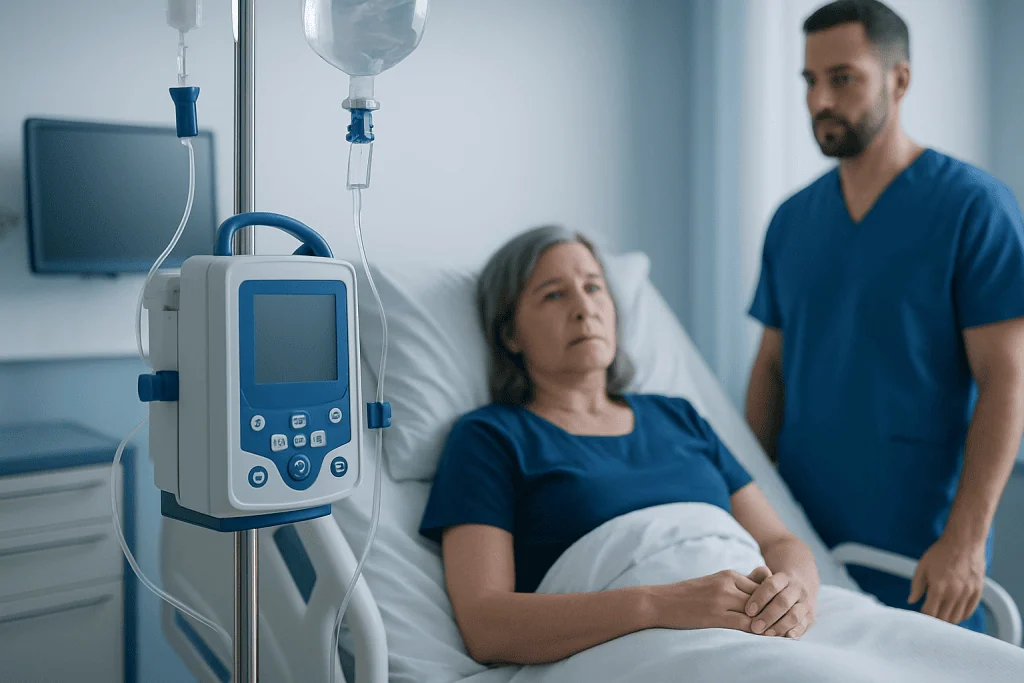
Doctors may use different terms to describe CAR T-cell therapy failure. Primary refractory disease means the cancer did not respond enough from the beginning. Relapse means the patient had a response, but the cancer came back later. These situations may look similar from the patient’s perspective, but they can suggest different biological reasons and treatment strategies.
In some cases, the CAR T cells do not expand or persist in the body as expected. In others, the cancer cells change in ways that help them escape immune recognition. For example, a cancer may lose or reduce the target that the CAR T cells were designed to find. Sometimes the tumor environment also becomes less favorable for an immune response.
Failure can happen early or months later. Some patients learn from follow-up scans or marrow tests that the cancer remains active, while others notice returning symptoms such as swollen lymph nodes, fatigue, fevers, weight loss, bruising, or infections. The meaning of these findings depends on the original diagnosis, such as lymphoma or leukemia, and how the disease has behaved over time.
Symptoms and Signs That May Suggest Relapse or Persistent Disease

Symptoms after CAR T-cell therapy can vary widely. Some people have no clear symptoms, and follow-up tests are what show that the disease is still present or has returned. Others notice signs that are similar to the symptoms they had before treatment.
Possible warning signs may include ongoing or worsening fatigue, enlarged lymph nodes, fevers, night sweats, unexplained weight loss, bone pain, frequent infections, easy bruising, or shortness of breath. These symptoms do not always mean CAR T-cell therapy has failed, because they can also be related to recovery, infections, or side effects from treatment.
Patients are usually advised to report new, persistent, or worsening symptoms promptly. Regular follow-up visits are important because cancer recurrence can sometimes be detected before symptoms become obvious. Early reassessment often helps the care team plan treatment more effectively.
- Persistent swollen glands or masses
- Return of fevers or drenching night sweats
- Increasing fatigue or weakness
- New bleeding, bruising, or repeated infections
- Changes seen on scheduled blood tests or imaging
Why CAR T-Cell Therapy May Not Work or May Stop Working
There is not one single reason why CAR T-cell therapy fails. In some patients, the infused CAR T cells do not multiply enough, do not remain active long enough, or become exhausted over time. This can reduce their ability to control cancer cells for a lasting period.
Another reason is that the cancer itself may change. Some cancer cells lose the surface marker that the CAR T cells were trained to recognize, making them harder to target. Others develop resistance through more complex biological mechanisms that are still being studied. The pace of the disease and overall tumor burden can also influence outcomes.
Previous treatments, the patient’s immune function, and the specific CAR T product used may also play a role. Because these factors are complex, doctors often recommend additional testing after relapse. This may include imaging, bone marrow examination, blood tests, and sometimes a new biopsy to understand the current biology of the disease before choosing the next treatment.
How Doctors Evaluate the Next Step
When CAR T-cell therapy fails, reassessment is an important first step. The medical team usually confirms whether the cancer is truly persistent or recurrent and checks how extensive it is. Depending on the cancer type, this may involve PET-CT or CT imaging, blood work, flow cytometry, bone marrow tests, or tissue biopsy.
Doctors also review how long the response lasted, what side effects occurred, and whether the patient remains fit for additional treatment. In some cases, molecular or genetic testing can provide clues about resistance and may help identify targeted options or trial eligibility.
This evaluation often involves a multidisciplinary team, including hematologists or oncologists, radiologists, pathologists, and transplant specialists. Their goal is to match treatment intensity to the patient’s condition while balancing potential benefits, risks, and quality of life.
Treatment Options After CAR T-Cell Therapy Failure
There is no single standard next step for every patient. Treatment depends on the type of blood cancer, how quickly it has returned, prior therapies, and the patient’s overall health. Some patients may receive additional systemic treatment to control the disease, while others may be considered for a more definitive strategy such as transplant or a clinical trial.
Possible options can include chemotherapy, targeted therapy, antibody-based treatment, radiation therapy for selected areas, or allogeneic stem cell transplantation in appropriate patients. For some blood cancers, doctors may discuss bone marrow transplantation if it is medically suitable. Others may benefit from chemotherapy or radiation therapy as part of salvage treatment.
Clinical trials are an important consideration. These may study newer CAR T-cell products, dual-target approaches, other forms of immunotherapy, or combinations designed to overcome resistance. Trial eligibility depends on the diagnosis, prior treatments, organ function, and timing since CAR T-cell therapy.
Supportive care is also a key part of treatment. This may include transfusions, infection prevention, pain relief, nutritional support, and help with fatigue or emotional distress. In some situations, palliative care can be added alongside cancer treatment to improve comfort and daily functioning.
Self-Care, Emotional Support, and Follow-Up
Learning that CAR T-cell therapy has not worked as hoped can be overwhelming. Patients often need time, clear explanations, and support from family, friends, and the healthcare team. Asking for a detailed review of the test results and treatment plan can help make the situation feel more manageable.
Good self-care remains valuable during this period. Patients are usually encouraged to attend all follow-up appointments, take medicines exactly as prescribed, report fever or signs of infection quickly, and maintain adequate hydration and nutrition as tolerated. Gentle physical activity, if approved by the doctor, may also support recovery and strength.
Emotional support can be just as important as medical treatment. Counseling, support groups, psycho-oncology services, and social work support may help patients and caregivers cope with uncertainty and practical challenges. Near the end of the care pathway discussion, some patients seek evaluation at experienced centers; Acibadem International’s multidisciplinary specialists and JCI-accredited hospitals diagnose and treat complex blood cancers for international patients.
When to See a Doctor Urgently
Patients should contact their medical team promptly if they notice symptoms that could suggest relapse, infection, or another complication. Not every new symptom means the cancer is back, but early medical review is important, especially after intensive cancer treatment.
Urgent assessment is usually needed for high fever, shaking chills, shortness of breath, chest pain, confusion, severe weakness, unusual bleeding, dehydration, or rapidly enlarging lymph nodes. New neurological symptoms, such as seizures, severe headache, or difficulty speaking, should also be evaluated without delay.
Even if symptoms seem mild, it is safer to check with the treating team rather than wait. Timely review can identify treatable problems, provide symptom relief, and help doctors decide whether further cancer evaluation is needed.
Frequently asked questions
Does CAR T-cell therapy failure mean there are no options left?
No. CAR T-cell therapy failure does not automatically mean treatment has ended. Many patients may still have options such as chemotherapy, targeted therapy, transplant, radiation therapy, supportive care, or enrollment in a clinical trial.
Can CAR T-cell therapy work at first and then stop working?
Yes. Some patients have an initial response, but the cancer later returns. This is called relapse, and doctors may recommend new testing to understand why it happened and what treatment may help next.
Why would cancer come back after CAR T-cell therapy?
Cancer can return for several reasons. The CAR T cells may not remain active long enough, or the cancer cells may change so they are harder for the immune system to recognize and attack.
What tests are done if CAR T-cell therapy fails?
Doctors often repeat blood tests, imaging scans, and sometimes bone marrow tests or a biopsy. These tests help confirm whether the disease is persistent or recurrent and guide the next treatment decision.
Can a patient have CAR T-cell therapy again?
In some cases, repeat or modified CAR T-cell approaches may be considered, often in a clinical trial setting. Whether this is possible depends on the cancer type, the prior response, the CAR T product used, and the patient’s overall health.
Is stem cell transplant considered after CAR T-cell therapy failure?
Yes, for some patients it may be an option. Doctors consider factors such as remission status, donor availability, age, organ function, and whether the expected benefits outweigh the risks.
References
- National Cancer Institute
- American Cancer Society
- Leukemia & Lymphoma Society
- American Society of Clinical Oncology
- National Comprehensive Cancer Network
This article is for general information only and is not a substitute for professional medical advice. Please consult a qualified doctor about your individual situation.
Oncology care in Turkey — second opinion and treatment plan
JCI-accredited · board-certified surgeons · reply within 24h
Add us as a Preferred Source to see more of our trusted health content across Google Search, AI Overviews and Discover.