What Is a Brain Aneurysm? Symptoms, Diagnosis, and Treatment Basics

A brain aneurysm is a bulge in a weakened blood vessel wall in the brain. Many brain aneurysms do not cause symptoms and are found incidentally on imaging tests.
Key Takeaways
- A brain aneurysm is a bulge in a weakened blood vessel wall in the brain.
- Many brain aneurysms do not cause symptoms and are found incidentally on imaging tests.
- A sudden, severe headache can be a warning sign of a leaking or ruptured aneurysm and needs emergency evaluation.
- Diagnosis often involves CT, MRI, and specialized blood vessel imaging such as cerebral angiography.
- Treatment may include monitoring, blood pressure control, surgical clipping, or endovascular procedures depending on the aneurysm.
A brain aneurysm is a weak area in a brain artery that balloons outward. Many aneurysms never cause problems, but some can leak or rupture and need urgent medical care.
Overview
A brain aneurysm, also called a cerebral aneurysm, is a weak spot in the wall of an artery in the brain. Over time, pressure from blood flow can cause that weak area to bulge outward, creating a small balloon-like pouch. Some aneurysms remain stable for years and never cause symptoms, while others may grow, leak, or rupture.
Most brain aneurysms are discovered either by chance during imaging for another reason or after symptoms lead to testing. The main concern is rupture, which can cause bleeding around the brain, known as a subarachnoid hemorrhage. This is a serious medical emergency that requires immediate treatment.
Not every aneurysm has the same level of risk. Doctors consider the aneurysm’s size, shape, location, and the person’s overall health when deciding how to manage it. Understanding the basics can help patients and families feel more prepared and informed when discussing care options.
Symptoms
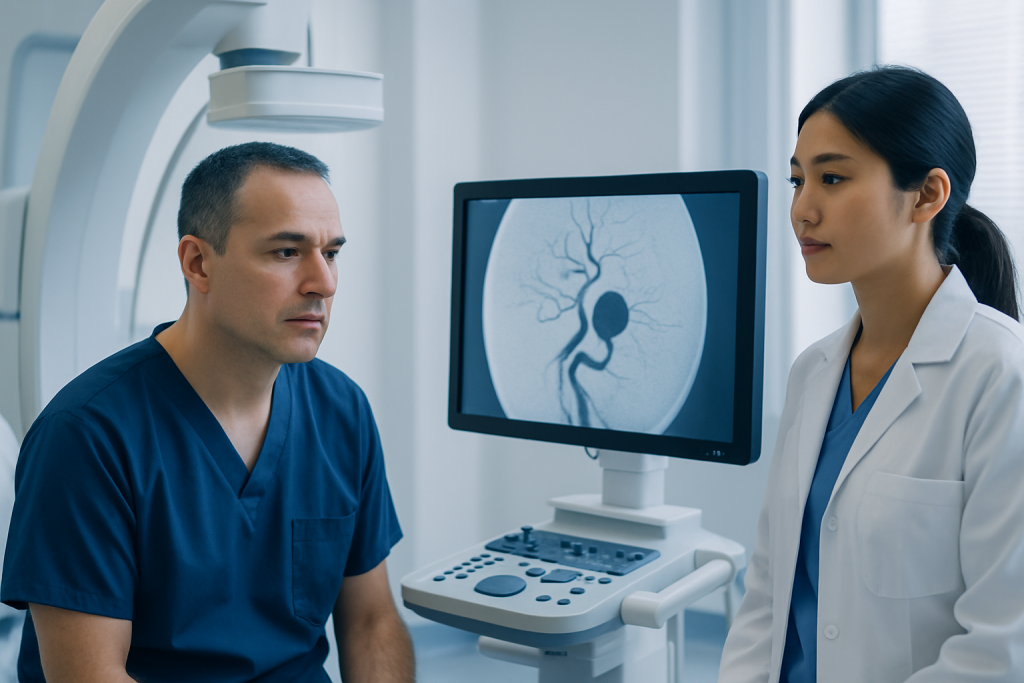
Many unruptured brain aneurysms cause no symptoms at all. When symptoms do happen, they may occur because the aneurysm is pressing on nearby nerves or brain structures. In these cases, symptoms can develop gradually rather than suddenly.
Possible symptoms of an unruptured aneurysm may include pain above or behind the eye, a drooping eyelid, changes in vision such as double vision, numbness on one side of the face, or headaches. These symptoms are not specific to aneurysms and can happen with other neurological conditions as well, which is why medical evaluation is important.
A leaking or ruptured aneurysm usually causes sudden symptoms. The classic warning sign is a severe, abrupt headache that people often describe as the worst headache of their life. Other symptoms may include nausea, vomiting, neck stiffness, sensitivity to light, confusion, loss of consciousness, seizures, or sudden weakness.
- Unruptured aneurysm: may cause no symptoms
- Pressure-related symptoms: eye pain, visual changes, drooping eyelid, facial numbness
- Rupture warning signs: sudden severe headache, vomiting, fainting, confusion, seizure
Causes and Risk Factors

Brain aneurysms develop when part of an artery wall becomes weakened. The exact reason is not always clear, but both inherited and acquired factors can play a role. Some people may be born with a tendency toward weaker blood vessel walls, while others develop aneurysms later in life due to changes in the arteries over time.
Several risk factors are associated with a higher chance of developing or rupturing an aneurysm. These include high blood pressure, smoking, older age, a family history of brain aneurysm, certain connective tissue disorders, and polycystic kidney disease. Previous aneurysm rupture and the presence of more than one aneurysm can also increase concern.
Lifestyle and vascular health matter as well. Smoking and poorly controlled blood pressure are among the most important modifiable risks. Certain aneurysm features, such as larger size or an irregular shape, may make rupture more likely. Doctors may also evaluate whether symptoms are related to bleeding conditions or other vascular problems such as arteriovenous malformation.
How Brain Aneurysms Are Diagnosed
Diagnosis starts with a medical history and neurological examination. If a doctor suspects a ruptured aneurysm, urgent imaging is needed right away. A non-contrast CT scan of the head is often the first test because it can quickly detect bleeding in or around the brain.
Additional imaging may be used to look directly at the blood vessels. CT angiography and MR angiography can show the aneurysm’s size, shape, and location. In some cases, a cerebral angiogram is recommended. This specialized test provides detailed images of brain arteries and is often used when planning treatment.
If imaging does not clearly show bleeding but suspicion remains high, a doctor may recommend a lumbar puncture to look for blood products in the cerebrospinal fluid. Once an aneurysm is found, the care team assesses whether it has ruptured, whether it is likely to rupture, and which treatment approach is safest and most effective.
Because symptoms such as severe headache can have several causes, doctors also consider conditions such as stroke or other forms of brain bleeding during evaluation.
Treatment Options
Treatment depends on whether the aneurysm has ruptured, how large it is, where it is located, and the person’s age and overall health. Small, unruptured aneurysms that appear low risk may be monitored with periodic imaging and careful control of blood pressure and other vascular risk factors. Observation is an active medical plan, not a lack of treatment.
When treatment is recommended, the goal is to prevent bleeding or stop further bleeding. Two main approaches are used. Surgical clipping involves placing a tiny clip across the base of the aneurysm during an operation so blood can no longer enter it. Endovascular treatment is performed from inside the blood vessels, most often through a catheter, and may involve coiling or other devices to seal the aneurysm.
These procedures are selected individually. In some cases, a person may benefit from brain aneurysm treatment using either clipping or endovascular techniques. Endovascular care may include embolization-based approaches, especially when a less invasive option is suitable.
If an aneurysm has ruptured, treatment also includes intensive hospital care to manage complications such as rebleeding, blood vessel spasm, fluid imbalance, and pressure changes in the brain. Rehabilitation may be needed after recovery, depending on the severity of the bleeding and any neurological effects.
Prevention and Self-care
There is no guaranteed way to prevent every brain aneurysm, but healthy vascular habits can reduce overall risk. Blood pressure control is especially important. Taking prescribed medications, limiting excess salt, exercising regularly if approved by a doctor, and attending routine checkups can all support artery health.
Not smoking is one of the most meaningful steps a person can take. Smoking damages blood vessel walls and increases the risk of aneurysm formation and rupture. Avoiding recreational drugs, especially stimulants, and moderating alcohol use may also be advised depending on individual health circumstances.
For people who already know they have an unruptured aneurysm, self-care includes following the monitoring plan closely and asking before starting activities or medicines that may affect blood pressure or bleeding risk. Families with a strong history of aneurysm may be advised to discuss screening with a neurologist or neurosurgeon.
- Control blood pressure consistently
- Stop smoking and avoid secondhand smoke when possible
- Keep follow-up imaging appointments
- Seek urgent care for a sudden severe headache or new neurological symptoms
When to See a Doctor
A person should seek emergency medical attention immediately for a sudden, very severe headache, especially if it is accompanied by vomiting, confusion, fainting, seizure, neck stiffness, weakness, or vision changes. These symptoms can suggest bleeding in the brain and should never be ignored.
Non-emergency symptoms also deserve medical assessment. Recurrent unusual headaches, double vision, drooping of an eyelid, facial numbness, or unexplained neurological changes should be discussed with a doctor promptly. Evaluation helps identify whether symptoms are caused by an aneurysm or another condition that needs treatment.
People with a strong family history of brain aneurysm, certain inherited disorders, or a past aneurysm may benefit from specialist advice even when they feel well. Near the end of the care journey, some international patients choose centers such as Acibadem International, where multidisciplinary specialists in JCI-accredited hospitals diagnose and treat complex neurological conditions, including aneurysms, with advanced imaging and procedural care.
Frequently asked questions
Is a brain aneurysm always dangerous?
Not always. Many brain aneurysms are small, do not cause symptoms, and may never rupture. The level of risk depends on factors such as size, shape, location, family history, smoking, and blood pressure.
What does a brain aneurysm headache feel like?
A ruptured or leaking aneurysm often causes a sudden, intense headache that reaches maximum severity very quickly. People may describe it as the worst headache of their life. Any sudden severe headache should be treated as a medical emergency until a doctor determines the cause.
Can a brain aneurysm be found before it ruptures?
Yes. Some aneurysms are discovered incidentally during CT or MRI scans done for other reasons. Others are found after symptoms such as visual changes or eye pain lead to vascular imaging.
How is a brain aneurysm treated without open surgery?
Some aneurysms can be treated with endovascular procedures performed through the blood vessels using a catheter. These may include coiling or other techniques designed to seal the aneurysm from the inside. The best approach depends on the aneurysm's anatomy and the patient's condition.
Can lifestyle changes help if someone has an unruptured aneurysm?
Yes, healthy habits are an important part of care. Controlling blood pressure, avoiding smoking, keeping follow-up appointments, and discussing medications with a doctor can help reduce risk. Lifestyle changes do not remove the aneurysm, but they can support safer long-term management.
Should family members be screened for brain aneurysm?
Sometimes. Screening may be considered when there is a strong family history, especially if more than one close relative has had a brain aneurysm or subarachnoid hemorrhage. A neurologist or neurosurgeon can advise whether screening is appropriate based on personal and family risk factors.
References
- American Heart Association
- National Institute of Neurological Disorders and Stroke
- NHS
- Mayo Clinic
- Brain Aneurysm Foundation
This article is for general information only and is not a substitute for professional medical advice. Please consult a qualified doctor about your individual situation.
Explore treatments in Turkey — costs, top hospitals & a free quote
JCI-accredited · board-certified surgeons · reply within 24h
Add us as a Preferred Source to see more of our trusted health content across Google Search, AI Overviews and Discover.
Check your numbers in seconds
BMI, calories, due date, blood pressure and 30+ more clinical calculators — free, instant, doctor-reviewed ranges.

More from the Health Library



Related Specialists

Dr. Zühre Esra Kıvanç
Inpatient Clinic Physicians Clinical Service
Prof. Dr. Hale Göksever Çelik
Gynecology & Obstetrics
Dr. Yakup Tire
Cardiovascular Surgery
Ody. Eren Yilmaz
Audiology