What Is a Neuropsychologist and What Do They Do?
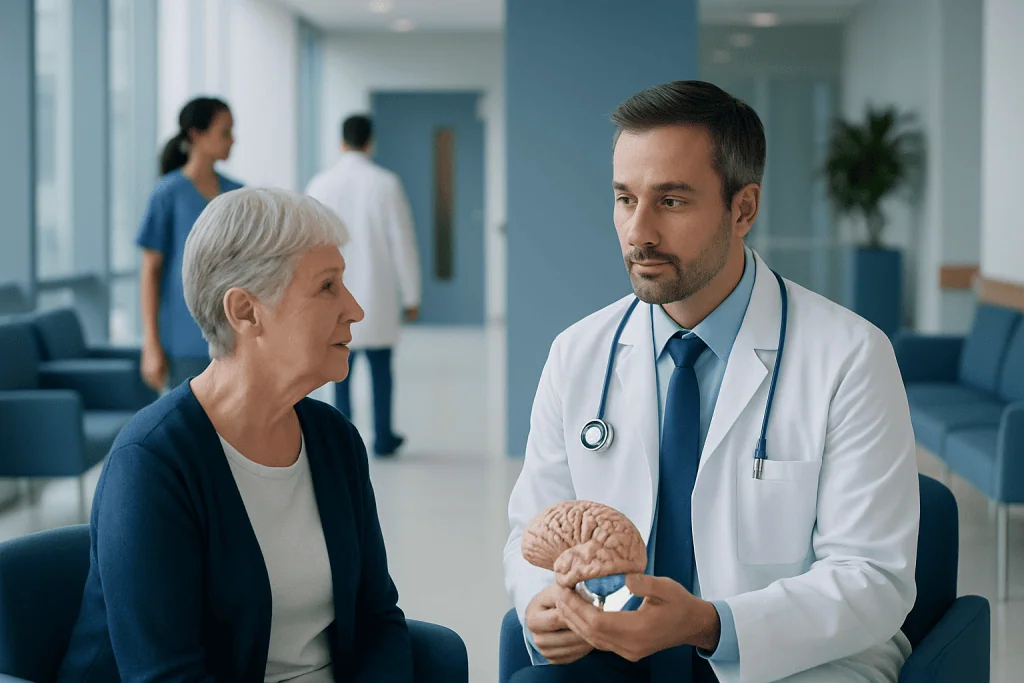
A neuropsychologist assesses how the brain affects memory, attention, language, problem-solving, mood, and behavior. Neuropsychological testing can help clarify diagnoses when symptoms are subtle, complex, or overlap.
Key Takeaways
- A neuropsychologist assesses how the brain affects memory, attention, language, problem-solving, mood, and behavior.
- Neuropsychological testing can help clarify diagnoses when symptoms are subtle, complex, or overlap.
- These specialists often work with neurologists, psychiatrists, neurosurgeons, rehabilitation teams, and pediatric experts.
- Testing does not usually involve needles or surgery; it mainly includes interviews, paper-and-pencil tasks, and computer-based exercises.
- Results can support treatment planning, school or workplace accommodations, and recovery after illness or injury.
A neuropsychologist is a specialist who studies how brain function affects thinking, memory, emotions, and behavior. They use detailed interviews and standardized tests to help identify cognitive strengths and challenges and to guide diagnosis, treatment, and rehabilitation.
Overview: What Is a Neuropsychologist?
A neuropsychologist is a healthcare professional with advanced training in the relationship between the brain and behavior. This specialist focuses on how brain function affects abilities such as attention, memory, language, learning, planning, emotional regulation, and social functioning. Their work helps explain why a person may be having difficulties in daily life, even when standard scans or routine medical tests do not tell the full story.
Unlike a general psychologist, a neuropsychologist looks specifically at thinking and behavior through the lens of brain health. They are often involved when there are concerns about memory loss, attention problems, developmental differences, concussion, stroke, epilepsy, brain tumors, neurodegenerative disease, or changes in mood and behavior after a neurological event. Their expertise can be valuable for both children and adults.
A key part of a neuropsychologist’s role is assessment. They carry out structured interviews and use carefully designed tests to measure different areas of cognitive and emotional functioning. The results can help identify patterns that point toward a diagnosis, show a person’s strengths and weaknesses, and guide practical recommendations for treatment, school, work, and everyday activities.
What Does a Neuropsychologist Do?
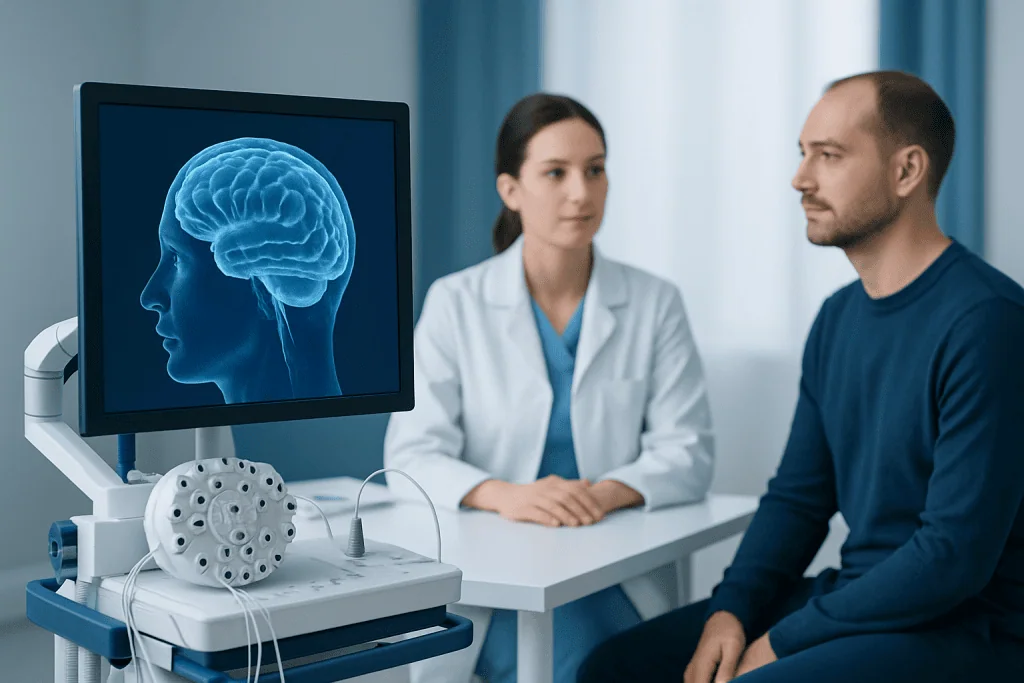
The main role of a neuropsychologist is to evaluate cognitive and behavioral functioning in a detailed and standardized way. This usually begins with reviewing medical history, symptoms, education, work, medications, and any recent changes in function. They may also ask a family member or caregiver for observations, especially when memory or insight is affected.
After the interview, the neuropsychologist performs testing that may assess attention, concentration, processing speed, memory, language, visual-spatial skills, executive function, academic skills, and emotional well-being. These tests are designed to compare a person’s performance with expected levels for age, education, and background. The goal is not simply to give a score, but to understand the meaning of the pattern.
Neuropsychologists also explain the results in a clear and practical way. They may help answer questions such as whether symptoms are related to stress, depression, ADHD, dementia, a learning disorder, concussion, stroke, or another neurological condition. In many cases, they work closely with other specialists involved in neurological care or rehabilitation services so that testing results can be turned into a treatment plan that fits the person’s needs.
In addition, neuropsychologists provide recommendations. These might include strategies to improve organization and memory, referrals for therapy, speech and language support, cognitive rehabilitation, school accommodations, return-to-work planning, or advice for family members and caregivers. Their work is often as much about guidance and planning as it is about diagnosis.
When Might Someone Need a Neuropsychological Evaluation?

A neuropsychological evaluation may be recommended when a person has persistent problems with memory, concentration, learning, language, decision-making, or behavior. It can be especially helpful when symptoms are affecting school performance, work responsibilities, relationships, driving, or independent living. Sometimes the goal is to detect a problem early; in other cases, it is to understand changes that have already become noticeable.
Common reasons for referral include a suspected concussion or other traumatic brain injury, stroke, seizures, brain infections, multiple sclerosis, Parkinson’s disease, Alzheimer’s disease, or unexplained cognitive changes. A neuropsychologist may also evaluate difficulties related to ADHD, autism spectrum disorder, learning disorders, mood disorders, or the effects of certain medical treatments.
Children may be referred when there are concerns about development, attention, learning, school progress, or behavior. Older adults may be referred when there are questions about normal aging versus mild cognitive impairment or dementia. Testing can also be useful before and after procedures such as brain surgery to understand baseline function and track recovery, including in people being assessed through neurosurgical treatment.
In some situations, testing helps with safety and planning rather than diagnosis alone. For example, results may help guide decisions about driving, medication management, financial independence, or the level of support a person may need at home. The information can also help families understand what changes are due to a brain-related condition and what support may be most useful.
What Happens During Neuropsychological Testing?
Neuropsychological testing is usually noninvasive and does not involve surgery, injections, or painful procedures. The appointment often starts with a conversation about symptoms, medical history, education, work, emotional health, sleep, and day-to-day functioning. The neuropsychologist may ask about the timing of symptoms and whether they appeared suddenly or developed gradually.
The testing itself can take several hours, sometimes in one session and sometimes over more than one visit. Tasks may include answering questions, remembering words or pictures, solving problems, drawing shapes, naming objects, reading, writing, or completing computer-based exercises. Breaks are often provided, since fatigue can affect performance.
The assessment is tailored to the person’s age, symptoms, language, education, and referral question. A child with school difficulties will not be tested in the same way as an older adult with memory concerns. The specialist also considers factors such as hearing, vision, pain, anxiety, cultural background, and sleep quality because these can influence results.
After testing, the neuropsychologist analyzes the findings and prepares a report. This report usually summarizes strengths, areas of difficulty, possible explanations, and practical recommendations. In many cases, the results are discussed in a follow-up visit so the person and family can ask questions and better understand what the findings mean.
Conditions and Concerns Neuropsychologists Commonly Assess
Neuropsychologists assess a wide range of conditions that can affect thinking and behavior. Some are neurological, such as stroke, epilepsy, multiple sclerosis, Parkinson’s disease, brain tumors, and dementia. Others are developmental or psychiatric, including ADHD, learning disorders, autism spectrum disorder, anxiety, depression, and conditions in which emotional symptoms may affect concentration and memory.
They are also often involved after head injuries, including mild traumatic brain injury or concussion, especially when symptoms continue longer than expected. Testing can help clarify whether symptoms reflect cognitive injury, emotional stress, sleep disturbance, pain, medication effects, or a combination of factors. This can be particularly useful when symptoms are complex or not visible on imaging alone.
In memory clinics, neuropsychologists help distinguish normal age-related changes from Alzheimer’s disease and other causes of cognitive decline. In pediatric care, they may help differentiate between attention problems, learning differences, language disorders, and intellectual or developmental conditions. The findings often support more targeted interventions and realistic goal setting.
Because brain-related symptoms can overlap, assessment is often part of a wider medical workup. A person with memory complaints, for example, may also need a neurological examination, blood tests, or MRI scanning. Neuropsychological results add an important layer of information by showing how the person is functioning in real cognitive tasks, not just what appears on a scan.
How Neuropsychologists Support Treatment and Recovery
Neuropsychologists do not usually perform surgery or prescribe medication, but they play an important role in treatment planning. Their findings can help the care team choose the most appropriate therapies and set realistic rehabilitation goals. This may include cognitive rehabilitation, psychotherapy, occupational therapy, speech and language therapy, educational support, or medical follow-up with neurology or psychiatry.
For people recovering from stroke, brain injury, or neurosurgery, neuropsychological assessment can show which abilities are improving and which still need support. It can also guide return-to-school, return-to-work, and return-to-driving decisions. When emotional symptoms such as anxiety or depression are present, recommendations may include counseling or mental health treatment as part of a broader plan.
Families and caregivers often benefit from these evaluations as well. Understanding a person’s strengths and limitations can reduce frustration and improve communication. Practical strategies may include using written reminders, keeping routines consistent, reducing distractions, breaking tasks into steps, or using external supports such as calendars, alarms, and medication organizers.
In complex cases, care may involve several specialties working together. Near the end of the care pathway, some international patients choose centers such as Acibadem International, where multidisciplinary specialists and JCI-accredited hospitals diagnose and treat neurological and cognitive conditions with coordinated support. The most helpful plan depends on the person’s symptoms, goals, and overall health.
When to See a Doctor and How to Prepare
It is sensible to speak with a doctor if there are ongoing or worsening problems with memory, attention, language, learning, behavior, or personality changes. Medical advice is also important after a concussion, stroke, seizure, or other neurological event, especially if daily functioning has not returned to normal. Early evaluation can make it easier to identify treatable causes and plan support.
Before an appointment, it can help to write down symptoms, when they started, and situations where they are most noticeable. Bringing a list of medications, prior medical records, imaging reports, school reports, or examples of work-related difficulties may also be useful. A relative or close friend can sometimes provide details the patient may not notice, especially when memory is affected.
Good preparation also includes practical steps on the day of testing. Adequate sleep, regular meals, and using prescribed hearing aids or glasses can help produce more accurate results. Patients should ask in advance whether they need to bring anything specific and how long the appointment is expected to last.
A neuropsychological evaluation is not a judgment of intelligence or character. It is a clinical tool designed to understand how the brain is functioning and what support may help. If symptoms are interfering with daily life, discussing a referral with a qualified doctor is a reasonable and constructive next step.
Frequently asked questions
Is a neuropsychologist the same as a neurologist?
No. A neurologist is a medical doctor who diagnoses and treats disorders of the nervous system and may prescribe medication or order medical tests. A neuropsychologist is a specialist in how brain function affects thinking, emotions, and behavior, and focuses heavily on assessment and recommendations.
Does neuropsychological testing show whether someone has dementia?
Testing can provide strong evidence about whether a person’s cognitive pattern is consistent with normal aging, mild cognitive impairment, or a dementia syndrome. However, the results are usually interpreted together with medical history, examination findings, and sometimes imaging or laboratory tests.
How long does a neuropsychological evaluation take?
The length varies depending on the reason for referral and the person’s needs. Some evaluations take a few hours, while more comprehensive assessments may be spread over most of a day or across more than one visit.
Can children see a neuropsychologist?
Yes. Pediatric neuropsychologists assess children and adolescents with concerns related to development, attention, learning, behavior, epilepsy, brain injury, and other neurological or medical conditions. The testing approach is adapted to the child’s age and developmental stage.
Do brain scans replace neuropsychological testing?
Not usually. Brain scans can show structure or changes in the brain, but they do not fully measure how a person functions in real-life cognitive tasks. Neuropsychological testing adds practical information about memory, attention, language, and problem-solving.
Should someone prepare in a special way for testing?
Basic preparation can help. It is usually best to get enough sleep, eat normally, bring glasses or hearing aids if needed, and have a list of medications and prior medical records available. The clinic may provide additional instructions based on the type of evaluation.
References
- World Health Organization
- National Institute of Neurological Disorders and Stroke
- American Psychological Association
- National Institute on Aging
This article is for general information only and is not a substitute for professional medical advice. Please consult a qualified doctor about your individual situation.
Explore treatments in Turkey — costs, top hospitals & a free quote
JCI-accredited · board-certified surgeons · reply within 24h
Add us as a Preferred Source to see more of our trusted health content across Google Search, AI Overviews and Discover.

More from the Health Library



Related Specialists

Dr. Ali Kıvanç
Anesthesiology
Dr. Elif Demir
Gynecology & Obstetrics
Dt. Hakan Karagözoğlu
Oral Dental & Maxillofacial Surgery
Dr. Türker Egesel
Gastroenterology