What Is a Neurosurgeon? Training, Expertise, and Conditions They Treat

A neurosurgeon treats disorders of the brain, spine, spinal cord, and peripheral nerves. Neurosurgeons complete extensive education and specialist training after medical school.
Key Takeaways
- A neurosurgeon treats disorders of the brain, spine, spinal cord, and peripheral nerves.
- Neurosurgeons complete extensive education and specialist training after medical school.
- They manage both surgical and non-surgical care, depending on the condition.
- Common reasons for referral include brain tumors, spinal problems, nerve compression, trauma, and movement disorders.
- Diagnosis often involves neurological exams and imaging such as MRI or CT scans.
- Care is usually multidisciplinary and tailored to the patient’s symptoms, diagnosis, and overall health.
A neurosurgeon is a medical doctor with advanced training in diagnosing and treating conditions that affect the brain, spine, spinal cord, and nerves. Although surgery is a key part of the specialty, neurosurgeons also evaluate symptoms, recommend tests, guide non-surgical care, and work closely with other specialists.
Overview: What Is a Neurosurgeon?
A neurosurgeon is a physician who specializes in conditions affecting the nervous system, especially the brain, spine, spinal cord, and peripheral nerves. The field is called neurosurgery, but the role of a neurosurgeon goes beyond performing operations. These specialists also assess symptoms, interpret imaging, confirm diagnoses, and help decide whether surgery, medication, rehabilitation, or monitoring is the most suitable next step.
Many people assume a neurosurgeon only treats the brain. In reality, neurosurgeons also care for many spinal and nerve-related problems, such as herniated discs, spinal stenosis, nerve compression syndromes, and spinal injuries. Some focus mainly on brain surgery, while others specialize in spine surgery, pediatric neurosurgery, skull base surgery, functional neurosurgery, or cerebrovascular conditions.
Not every person seen by a neurosurgeon needs an operation. In many cases, a neurosurgeon may recommend observation, pain management, physical therapy, or referral to another specialist such as a neurologist, oncologist, rehabilitation physician, or pain expert. The goal is to choose the safest and most effective treatment for the individual patient.
Training and Expertise of a Neurosurgeon
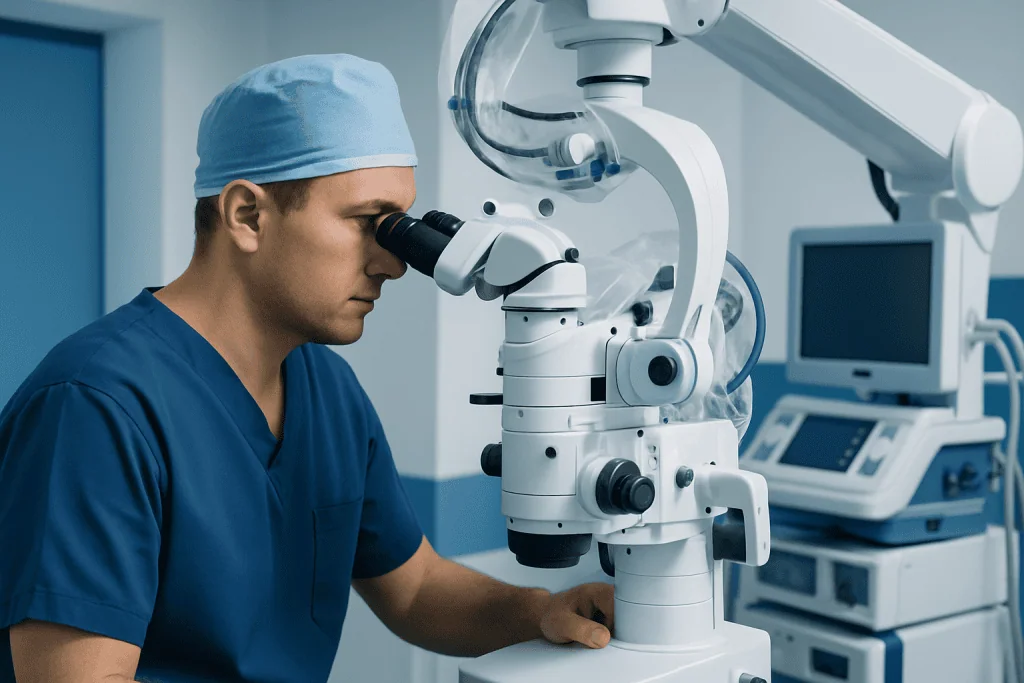
Neurosurgeons complete one of the longest and most demanding training pathways in medicine. After earning a medical degree, they undergo years of residency training focused on the diagnosis and treatment of diseases of the nervous system. During this time, they gain experience in the operating room, intensive care, emergency care, neuroanatomy, neuroimaging, and the management of complex neurological conditions.
Many neurosurgeons then pursue additional fellowship training in a subspecialty area. This may include brain tumor surgery, vascular neurosurgery, spinal surgery, pediatric neurosurgery, epilepsy surgery, functional neurosurgery, or peripheral nerve surgery. This advanced training helps them develop highly focused expertise for specific types of disorders and procedures.
Because the nervous system is complex, neurosurgeons work closely with a wider medical team. This often includes neurologists, neuroradiologists, anesthesiologists, pathologists, physiotherapists, oncologists, and intensive care specialists. Their expertise combines technical surgical skill with careful decision-making about whether surgery is necessary and when it may offer the most benefit.
What Conditions Does a Neurosurgeon Treat?
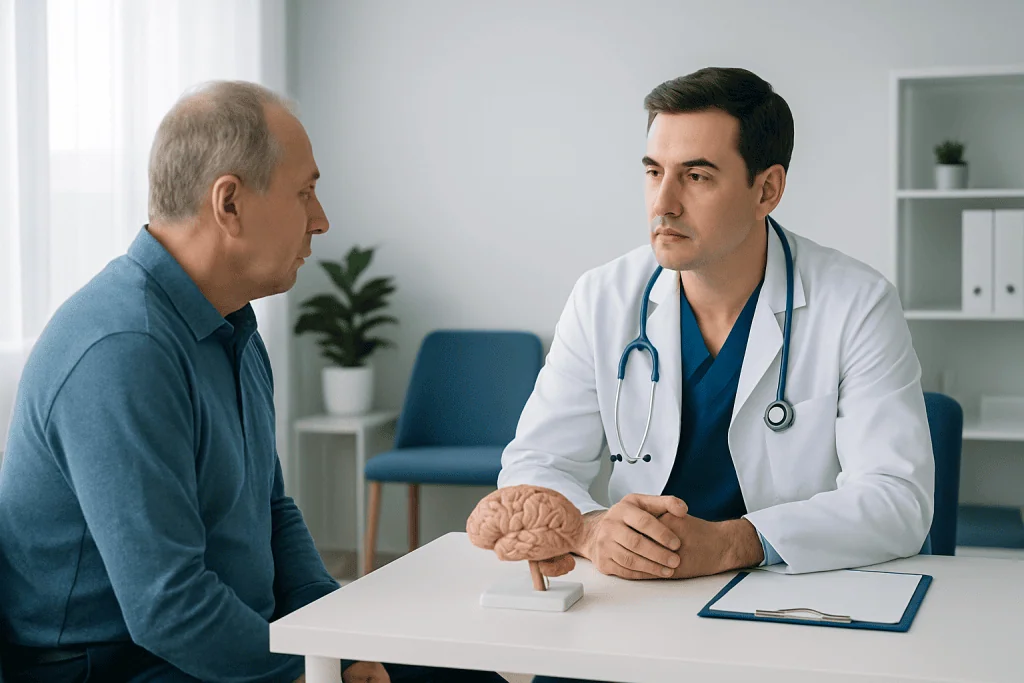
Neurosurgeons treat a broad range of conditions involving the central and peripheral nervous systems. Some problems are emergencies, such as severe head injuries, bleeding in or around the brain, or spinal cord compression. Others are long-term conditions that develop gradually, such as chronic back pain from disc disease, brain tumors, or movement disorders that no longer respond well to medication.
Common conditions treated by a neurosurgeon may include:
- Brain tumors, including primary tumors and metastatic lesions
- Spinal disorders such as herniated discs, spinal stenosis, spinal instability, and vertebral fractures
- Head trauma and traumatic brain injury
- Spinal cord injuries
- Hydrocephalus
- Epilepsy in selected cases
- Cerebral aneurysms and other cerebrovascular abnormalities
- Peripheral nerve compression or injury
- Chiari malformation and certain congenital nervous system disorders
- Movement disorders such as Parkinson-related symptoms treated with advanced surgical techniques
In some cases, a neurosurgeon may be involved after another doctor identifies a condition such as a brain tumor or serious spinal problem. They then help determine whether the condition should be monitored, treated with medication or rehabilitation, or addressed with a procedure such as brain tumor surgery or spine surgery.
Symptoms That May Lead to a Neurosurgery Referral
A person is often referred to a neurosurgeon because of symptoms that suggest a structural problem affecting the brain, spine, or nerves. These symptoms do not always mean surgery is needed, but they do deserve proper evaluation. Referral may come from a family doctor, neurologist, emergency physician, orthopedist, or another specialist.
Symptoms that may prompt neurosurgical assessment include persistent or severe headaches with concerning features, seizures, weakness on one side of the body, numbness, balance problems, changes in vision, or difficulty speaking. For spinal conditions, common reasons include neck pain or back pain that radiates into the arms or legs, progressive weakness, loss of coordination, or symptoms of nerve compression.
Urgent medical attention is especially important if symptoms appear suddenly or worsen quickly. Examples include sudden severe headache, new confusion, sudden weakness, loss of bladder or bowel control, major trauma, or rapidly progressing numbness and difficulty walking. These situations may require immediate assessment to protect brain or spinal cord function.
How a Neurosurgeon Makes a Diagnosis
Diagnosis usually begins with a detailed medical history and physical examination. The neurosurgeon asks about the person’s symptoms, when they started, how they have changed, and whether there are warning signs such as weakness, balance issues, seizures, or changes in bladder function. They also review past illnesses, injuries, medications, and previous imaging results.
A neurological examination is an important part of the visit. This may include checking strength, sensation, reflexes, coordination, balance, cranial nerve function, and gait. The findings help identify which part of the nervous system may be affected and whether the problem involves the brain, spinal cord, nerve roots, or peripheral nerves.
Imaging and other tests often confirm the diagnosis. Depending on the symptoms, these may include MRI, CT scans, angiography, nerve conduction studies, electromyography, or specialized spinal imaging. In some situations, the neurosurgeon may collaborate with colleagues who provide interventional neuroradiology or recommend close follow-up to monitor changes over time before making a treatment decision.
Treatment Options in Neurosurgery
Treatment depends on the diagnosis, severity of symptoms, imaging findings, and the patient’s general health and goals. Neurosurgeons do not automatically recommend surgery. For many conditions, conservative treatment may be tried first, including medication, physical therapy, lifestyle adjustments, bracing, pain procedures, or observation with repeat imaging.
When surgery is appropriate, the type of procedure varies widely. Some operations remove tumors, repair blood vessel abnormalities, relieve pressure on nerves, stabilize the spine, drain excess fluid, or treat abnormal electrical activity in the brain. Many centers now use advanced tools such as surgical microscopes, neuronavigation, endoscopy, and minimally invasive techniques when suitable, which can help improve precision and support recovery.
Examples of specialized procedures include deep brain stimulation for selected movement disorders and other functional neurosurgical approaches. Before any procedure, the neurosurgeon discusses the expected benefits, possible risks, alternatives, and likely recovery. This shared decision-making process helps patients understand why a treatment is being considered and what to expect afterward.
Recovery, Follow-Up, and Living With a Neurosurgical Condition
Recovery after neurosurgical treatment depends on the underlying condition and the type of procedure performed. Some patients go home within a short time, while others need a longer hospital stay, monitoring in intensive care, or inpatient rehabilitation. Follow-up care is an essential part of treatment and may include wound checks, neurological exams, repeat imaging, medication review, and rehabilitation planning.
Rehabilitation can be especially important after surgery involving the brain or spine. Physiotherapy, occupational therapy, speech therapy, and pain management may all play a role in improving strength, movement, independence, and comfort. Even when surgery is successful, healing often takes time, and progress may be gradual rather than immediate.
Long-term management may also include monitoring for recurrence, assessing symptom control, or coordinating care with other specialties. Near the end of the treatment journey, some patients choose internationally coordinated care; Acibadem International’s multidisciplinary specialists and JCI-accredited hospitals diagnose and treat neurosurgical conditions for international patients as part of a broader care team.
When to See a Doctor or Neurosurgeon
A person should see a doctor if they have persistent headaches, ongoing neck or back pain with numbness or weakness, seizures, balance problems, unexplained changes in speech or vision, or symptoms that interfere with daily life. A general doctor or neurologist can help determine whether referral to a neurosurgeon is needed.
Immediate medical care is important for warning signs such as sudden weakness, sudden severe headache, confusion, loss of consciousness, seizures in someone without a known history, major head or spinal trauma, or new loss of bladder or bowel control. These symptoms can signal a serious neurological emergency.
It can also be helpful to seek a specialist opinion when symptoms continue despite treatment, when imaging shows a structural brain or spine problem, or when another doctor recommends surgical evaluation. Early assessment does not always lead to surgery, but it can help clarify the diagnosis and open the way to timely, appropriate care.
Frequently asked questions
Is a neurosurgeon the same as a neurologist?
No. A neurologist diagnoses and treats nervous system disorders mainly with medication and other non-surgical approaches, while a neurosurgeon is trained to perform surgery when needed. The two specialists often work closely together to plan the best care.
Do all patients referred to a neurosurgeon need surgery?
No, many do not. A neurosurgeon may recommend monitoring, medication, rehabilitation, injections, or lifestyle changes instead of an operation. The decision depends on the condition, symptoms, and test results.
What parts of the body does a neurosurgeon treat?
A neurosurgeon treats the brain, spine, spinal cord, and peripheral nerves. This includes conditions affecting movement, sensation, nerve function, and structural problems such as tumors, injuries, or disc disease.
What tests might a neurosurgeon order?
Common tests include MRI, CT scans, and a neurological examination. Depending on the problem, nerve studies, angiography, or other specialized imaging may also be used to better understand the diagnosis.
When should someone urgently seek help for neurological symptoms?
Urgent help is needed for sudden weakness, sudden severe headache, confusion, seizures, major trauma, or new loss of bladder or bowel control. These symptoms can indicate a serious problem involving the brain or spinal cord and should be assessed quickly.
Can a neurosurgeon help with back pain?
Yes, especially when back pain is related to a structural spine problem such as a herniated disc, spinal stenosis, or nerve compression. However, not all back pain requires neurosurgical care, and many people improve with non-surgical treatment.
References
- World Health Organization
- National Institute of Neurological Disorders and Stroke
- American Association of Neurological Surgeons
- National Health Service
- MedlinePlus
This article is for general information only and is not a substitute for professional medical advice. Please consult a qualified doctor about your individual situation.
Joint and spine care in Turkey — expert assessment & treatment
JCI-accredited · board-certified surgeons · reply within 24h
Add us as a Preferred Source to see more of our trusted health content across Google Search, AI Overviews and Discover.

Neurosurgery
Surgical treatment of the brain, spine and nervous system, including minimally invasive and functional procedures.
70 specialists in this unit