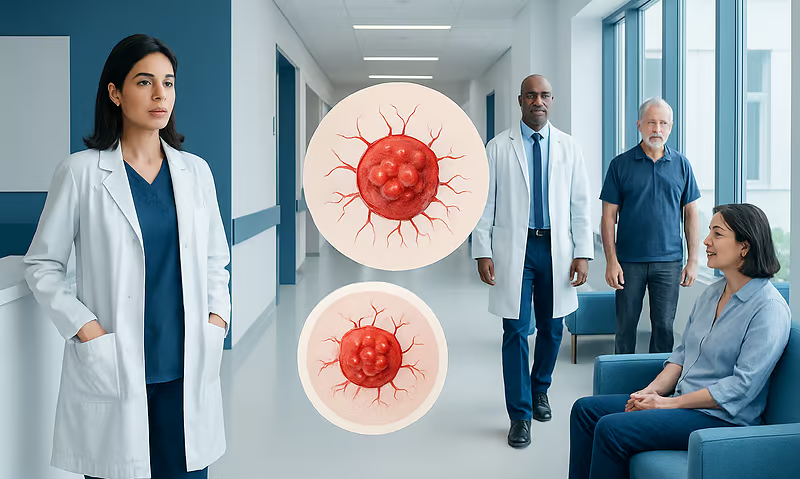
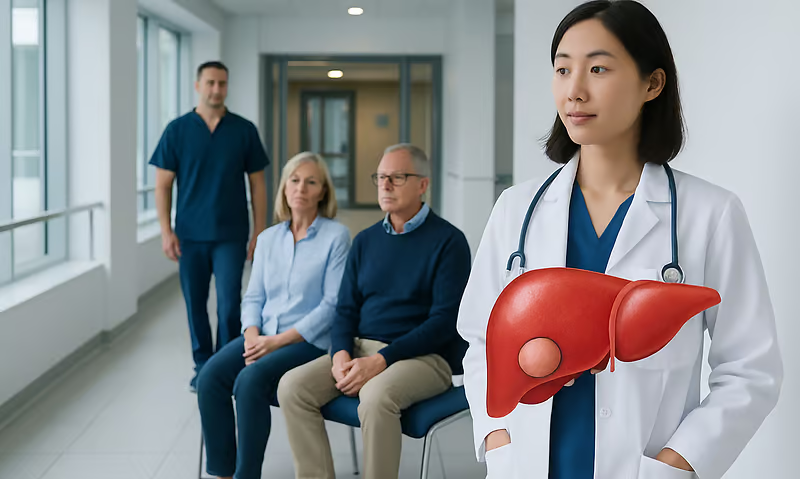
What Is an Oncologist and When Should You See One?

An oncologist is a cancer specialist who helps diagnose, stage, treat, and monitor cancer. There are different types of oncologists, including medical, surgical, and radiation oncologists.
Key Takeaways
- An oncologist is a cancer specialist who helps diagnose, stage, treat, and monitor cancer.
- There are different types of oncologists, including medical, surgical, and radiation oncologists.
- A referral to an oncologist may happen after an abnormal scan, biopsy, blood test, or ongoing concerning symptoms.
- Oncology care often involves a multidisciplinary team rather than one doctor working alone.
- Early evaluation can help clarify a diagnosis and support timely treatment planning.
An oncologist is a doctor who specializes in diagnosing, treating, and monitoring cancer. People may see an oncologist when cancer is suspected, confirmed, or when they need expert guidance about treatment options and follow-up care.
Overview: What Is an Oncologist?
An oncologist is a doctor who specializes in cancer care. This includes evaluating symptoms or test results that may suggest cancer, confirming a diagnosis, determining the stage of disease, recommending treatment, and providing follow-up after treatment. Oncologists also help patients understand their options and coordinate care across different specialties.
Not every person who sees an oncologist has cancer. Sometimes a primary care doctor or another specialist refers a patient because an imaging scan, blood test, physical finding, or biopsy result needs further evaluation. In these situations, the oncologist’s role is to review the evidence carefully and explain what additional testing, if any, is needed.
Cancer care is often delivered by a team. Depending on the type of cancer, this team may include a medical oncologist, surgical oncologist, radiation oncologist, pathologist, radiologist, oncology nurse, dietitian, psychologist, palliative care specialist, and other professionals. The goal is to build a treatment plan that fits the diagnosis, the patient’s overall health, and personal preferences.
Types of Oncologists and What They Do
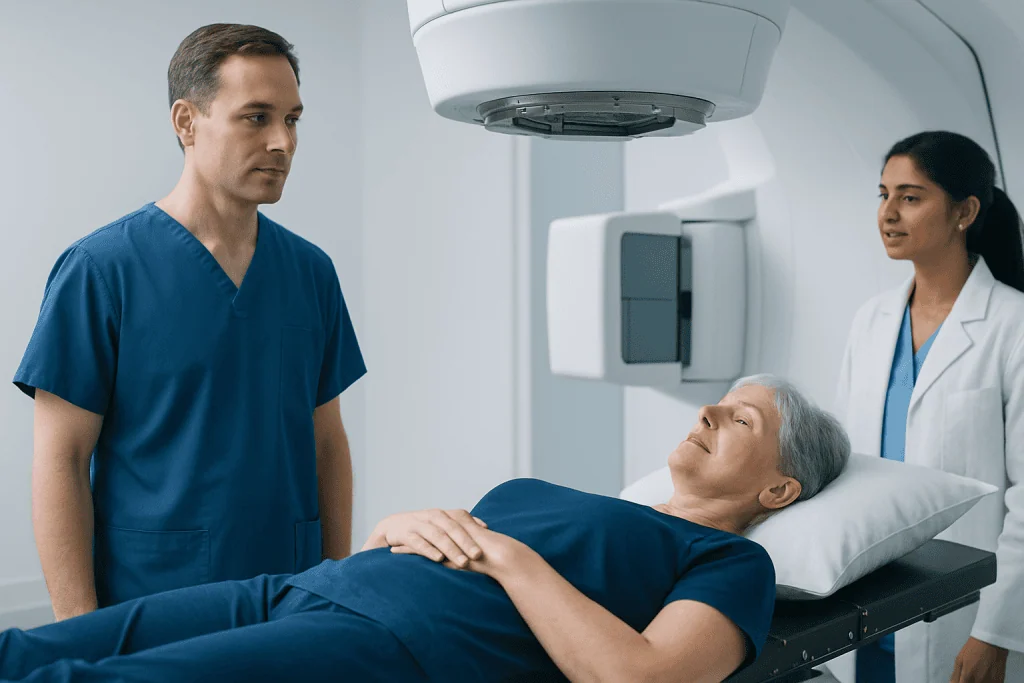
There is more than one kind of oncologist, and each has a different role in cancer care. A medical oncologist treats cancer using systemic therapies such as chemotherapy, hormone therapy, targeted therapy, immunotherapy, or other medicines. A surgical oncologist performs operations to diagnose or remove tumors. A radiation oncologist uses focused radiation to destroy cancer cells or shrink tumors.
Some oncologists focus on certain age groups or specific cancers. For example, pediatric oncologists treat cancers in children, while hematologist-oncologists care for blood cancers such as leukemia, lymphoma, and myeloma. Other specialists may focus on breast cancer, lung cancer, gastrointestinal cancers, gynecologic cancers, or other tumor types.
Because treatment can be complex, people may meet more than one oncologist. A patient with breast cancer, for example, may see a surgeon, a medical oncologist, and a radiation oncologist at different stages of care. In many hospitals, these specialists discuss cases together so that treatment recommendations are coordinated and based on the full picture.
- Medical oncologist: manages medicines used to treat cancer
- Surgical oncologist: performs cancer-related surgery and biopsies
- Radiation oncologist: plans and delivers radiation therapy
- Hematologist-oncologist: treats blood cancers and some blood disorders
- Pediatric oncologist: treats cancer in children and adolescents
When Should Someone See an Oncologist?

A person may need to see an oncologist when cancer is suspected or already diagnosed. Common reasons for referral include an abnormal biopsy, a suspicious lump, unexplained weight loss, persistent pain, abnormal bleeding, unusual findings on a scan, or blood test changes that need specialist review. In some cases, a strong family history of cancer may also lead to oncology consultation, especially when genetic counseling is being considered.
Many symptoms that raise concern do not turn out to be cancer. Even so, it is sensible to seek medical advice if symptoms are persistent, unexplained, or worsening. A referral to an oncologist does not automatically mean a serious diagnosis; it often means that expert assessment is the safest next step.
People also see oncologists after a cancer diagnosis to discuss treatment choices, possible side effects, expected benefits, and long-term follow-up. Some patients request a second opinion before starting treatment. This is a common and reasonable part of cancer care, especially when there is more than one possible approach.
How Oncologists Diagnose and Stage Cancer
Oncologists use several sources of information to diagnose cancer accurately. The process usually begins with a review of symptoms, past medical history, family history, medications, and physical examination findings. The oncologist also reviews prior test results, such as blood work or imaging scans, and may recommend additional testing if the picture is still unclear.
In many cases, a biopsy is needed to confirm whether abnormal cells are cancerous. A pathologist examines the tissue under a microscope and may perform special tests to identify the exact cancer type. Imaging such as CT, MRI, PET, mammography, ultrasound, or other studies can help show where the cancer is located and whether it has spread. Depending on the situation, doctors may also recommend endoscopy, bone marrow testing, or molecular testing to look for specific genetic changes in the tumor.
After diagnosis, the next step is staging. Staging describes how large the cancer is and whether it has spread to nearby lymph nodes or other organs. This information helps guide treatment and gives a clearer sense of prognosis. Because each cancer behaves differently, staging methods can vary by tumor type, including conditions such as breast cancer or lung cancer.
Treatment Options an Oncologist May Recommend
Cancer treatment depends on the type of cancer, its stage, the speed at which it is growing, the patient’s age, overall health, and individual treatment goals. Some cancers are treated mainly with surgery, while others respond best to medicines, radiation, or a combination of approaches. In many cases, treatment is planned in a sequence, such as surgery first followed by drug treatment or radiation.
Medical treatment may include chemotherapy, hormone therapy, targeted therapy, immunotherapy, or other medicines. These treatments work in different ways. Some attack rapidly dividing cells, some block hormones that fuel tumor growth, and some help the immune system recognize cancer cells. When surgery is appropriate, an oncologist may coordinate with a surgeon for cancer surgery. If radiation is part of care, the patient may be referred for radiation therapy planning.
Supportive care is also an important part of treatment. This may include medicines to control nausea or pain, nutritional support, psychological counseling, fertility preservation discussions, and rehabilitation. Some patients may be candidates for chemotherapy or newer medicine-based options, while others may be monitored closely if immediate treatment is not necessary. The best plan is individualized rather than one-size-fits-all.
For international patients, multidisciplinary specialists at Acibadem International and its JCI-accredited hospitals diagnose and treat cancer with coordinated care plans tailored to each case.
Preparing for the First Oncology Appointment
A first oncology appointment can feel overwhelming, but a little preparation can make it more manageable. Patients often benefit from bringing prior test results, imaging reports, pathology reports, a list of medications, details of allergies, and a summary of past medical history. If possible, bringing a trusted family member or friend can help with note-taking and emotional support.
It is helpful to prepare questions in advance. Many people want to know what type of cancer is suspected or confirmed, whether more tests are needed, what stage the cancer is, what treatment options exist, what side effects may occur, and how treatment may affect daily life. Asking about timelines, fertility, work, travel, and supportive care services can also be useful.
Patients should feel comfortable asking for explanations in plain language. Cancer terminology can be unfamiliar, and a good oncology consultation should leave the patient with a clear understanding of the next steps. If something is unclear, it is appropriate to ask the doctor to repeat or simplify the information.
Follow-Up Care, Prevention, and When to Seek Medical Advice
After treatment, oncologists continue to play a role in follow-up care. Follow-up visits may include physical examinations, blood tests, imaging, and discussions about symptoms, side effects, and recovery. These visits help monitor for recurrence, manage long-term effects of treatment, and support general health. In some cases, survivorship care is shared with a primary care doctor and other specialists.
While not all cancers can be prevented, healthy habits can lower risk for some types. These may include avoiding tobacco, limiting alcohol, maintaining a healthy weight, staying physically active, protecting the skin from excessive sun exposure, keeping up with recommended vaccines, and attending age-appropriate screening tests. Screening may help detect certain cancers earlier, before symptoms appear.
A person should seek medical advice if they have persistent or unexplained symptoms such as a new lump, ongoing fatigue, unexpected weight loss, changes in bowel or bladder habits, unusual bleeding, chronic cough, trouble swallowing, or pain that does not improve. These symptoms often have causes other than cancer, but they deserve proper evaluation. Early assessment can provide reassurance or, when needed, allow timely referral to an oncologist.
Frequently asked questions
Is an oncologist only for people who already have cancer?
No. Some people are referred to an oncologist because a test result or symptom needs expert evaluation. The visit may help rule out cancer, confirm a diagnosis, or determine what further testing is needed.
What is the difference between a medical oncologist and a surgical oncologist?
A medical oncologist treats cancer with medicines such as chemotherapy, hormone therapy, targeted therapy, or immunotherapy. A surgical oncologist performs procedures and operations to diagnose or remove tumors. Many patients need care from both specialists.
Do you need a referral to see an oncologist?
This depends on the healthcare system, insurance rules, and the hospital or clinic. Many people are referred by a primary care doctor, surgeon, or another specialist after abnormal findings. In some settings, patients may also arrange a second opinion directly.
What should someone bring to a first oncology appointment?
Helpful items include pathology reports, imaging reports, blood test results, a medication list, allergy information, and a summary of past medical history. Writing down questions beforehand can make the visit more productive and less stressful.
Will one oncologist manage all cancer treatment?
Sometimes, but often cancer care involves a team. A patient may see a medical oncologist, surgeon, radiation oncologist, and other specialists depending on the cancer type and treatment plan. This team-based approach helps coordinate care.
When should persistent symptoms be checked?
Any symptom that is unusual, persistent, unexplained, or getting worse should be discussed with a doctor. Many symptoms are caused by non-cancerous conditions, but timely evaluation is important. A doctor can decide whether referral to an oncologist is appropriate.
References
- World Health Organization
- National Cancer Institute
- American Society of Clinical Oncology
- Centers for Disease Control and Prevention
- European Society for Medical Oncology
This article is for general information only and is not a substitute for professional medical advice. Please consult a qualified doctor about your individual situation.
Oncology care in Turkey — second opinion and treatment plan
JCI-accredited · board-certified surgeons · reply within 24h
Add us as a Preferred Source to see more of our trusted health content across Google Search, AI Overviews and Discover.

Medical Oncology Department
Medical treatment of cancer with chemotherapy, immunotherapy and targeted therapies under a multidisciplinary tumor board.
60 specialists in this unit