

What Is Complementary Treatment: How It Works, Results and What to Expect

Complementary treatments are used alongside, not instead of, standard medical diagnosis and treatment. Evidence varies widely between therapies, conditions and desired outcomes.
Key Takeaways
- Complementary treatments are used alongside, not instead of, standard medical diagnosis and treatment.
- Evidence varies widely between therapies, conditions and desired outcomes.
- Mind-body approaches, exercise, nutrition support and some physical therapies may help selected symptoms.
- Natural does not always mean safe; supplements and herbs can interact with medicines or affect procedures.
- A qualified clinician should know about every complementary therapy, supplement and practitioner involved in care.
Complementary treatment refers to non-mainstream practices used together with conventional medical care, rather than in place of it. When selected carefully and coordinated with a healthcare team, it may help some people manage symptoms, stress, treatment side effects and overall wellbeing.
What does complementary treatment mean?
Complementary treatment means using a non-mainstream therapy together with conventional healthcare. Conventional care includes treatments provided by doctors and other licensed clinicians, such as medicines, surgery, rehabilitation, psychological therapies and medical monitoring. The goal of complementary care is usually to support comfort, function, coping or quality of life while standard treatment addresses the underlying condition.
The term is often used alongside integrative medicine. Integrative medicine is a coordinated approach that combines appropriate conventional care with selected complementary therapies that have a reasonable evidence base and fit the person’s health needs, preferences and safety considerations. It is not the same as alternative medicine, which is used instead of proven medical treatment.
Examples may include mindfulness, yoga adapted to ability, acupuncture, massage, music therapy, breathing techniques, nutrition counselling and certain forms of exercise. Whether a therapy is suitable depends on the person’s diagnosis, medications, symptoms, treatment plan and individual risks.
How complementary treatment works
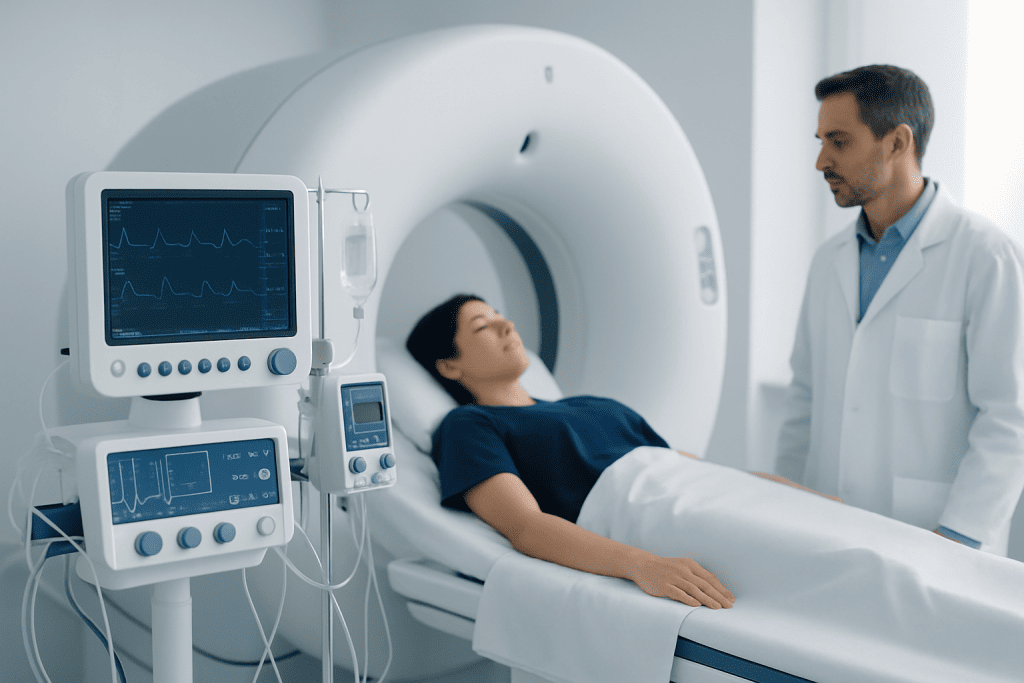
Complementary therapies do not all work in the same way. Some focus on the body, such as supervised exercise, physical activity, massage or acupuncture. Others focus on the mind-body connection, including relaxation training, meditation, guided imagery and cognitive or behavioural coping strategies. Nutrition support can also be part of an integrative plan when it is individualized and medically appropriate.
For many people, the potential value is symptom support rather than cure. A carefully selected therapy may help with stress, sleep difficulties, pain perception, fatigue, nausea, low mood or reduced physical function. Benefits can result from physiological effects, improved movement, relaxation, social support, regular routines and a greater sense of participation in care.
Complementary care should be coordinated rather than isolated. A clinician can assess whether symptoms require medical investigation, identify possible interactions, and ensure that a therapy does not delay urgent or effective treatment. This is particularly important for people with cancer, heart disease, diabetes, pregnancy, immune suppression or complex medication plans.
Do complementary therapies really work?

Some complementary therapies can be helpful for specific symptoms, but results depend on the therapy, the condition and the individual. Evidence is stronger for certain approaches than for others. For example, mindfulness-based programs, gentle movement practices and some forms of acupuncture or massage may support symptom management for selected people when delivered by qualified professionals.
A therapy that improves relaxation or wellbeing may still be worthwhile even if it does not treat the disease itself. However, claims that a complementary product or practice can cure serious illness, replace prescribed treatment, detoxify the body or work for everyone should be viewed cautiously. High-quality research, transparent safety information and clinical oversight matter.
People should consider complementary treatment as one part of a broader care plan. A healthcare professional can help set realistic goals, such as improving sleep, reducing treatment-related nausea or maintaining mobility, and can review whether the therapy is providing a meaningful benefit over time.
Can you give me an example of complementary therapy?
Acupuncture is one example of a complementary therapy. It involves inserting very fine, sterile needles at specific points on the body and is sometimes used alongside medical care to help manage certain types of pain, nausea or treatment-related symptoms. Its appropriateness depends on the diagnosis, bleeding risk, immune status and other individual factors.
Another example is mindfulness-based stress reduction. This structured approach teaches attention, breathing and relaxation practices that may help some people cope with stress, persistent symptoms, anxiety or sleep disruption. It does not replace mental health assessment or treatment when depression, severe anxiety or other mental health concerns need professional care.
Other examples include therapeutic massage, tai chi, yoga, art or music therapy, and dietitian-led nutrition guidance. A person should choose a therapy with a clear purpose and use a properly trained practitioner. It is important to share the plan with the treating clinician before beginning.
Candidacy and what to expect during complementary care
Complementary treatment may be considered by people who want additional support for symptoms, recovery, stress management or everyday wellbeing. It can be relevant across many medical specialties, but candidacy is individual. The first step should be a discussion with a doctor or qualified healthcare professional who understands the person’s current diagnosis, symptoms, treatments and health goals.
A typical process begins with an assessment. The practitioner may ask about medical history, current medicines and supplements, allergies, past procedures, sleep, activity level and emotional wellbeing. Together, the person and care team identify a specific goal, choose a suitable therapy and decide how progress and safety will be monitored.
The treatment session itself varies. A massage session may involve pressure and movement of soft tissues, while a meditation session may include guided breathing and attention exercises. Acupuncture typically includes assessment, sterile needle placement, a rest period and follow-up review. People should be told what the session involves, possible adverse effects, practitioner qualifications and when to stop or seek advice.
For people seeking coordinated supportive care, integrative medicine can bring conventional and complementary approaches into one medically informed plan. No complementary therapy should require a person to stop prescribed treatment without the advice of the clinician managing that treatment.
Benefits, risks and recovery timeline
Possible benefits include improved relaxation, better coping, relief of selected symptoms, support for physical activity and a greater sense of wellbeing. The expected result should be specific and realistic. For instance, a person may aim to improve sleep quality, reduce muscle tension or maintain movement during recovery rather than expect a complementary therapy to eliminate the underlying disease.
Recovery after most non-invasive complementary treatments is minimal. People may return to usual activity immediately after a relaxation, mindfulness or counselling-based session. After massage, acupuncture or an exercise-based session, mild temporary soreness, tiredness, lightheadedness or bruising may occur in some people. Symptoms that are severe, persistent or unexpected should be discussed with a clinician.
Risks differ by therapy. Manipulative treatments may not be suitable for people with fragile bones, recent surgery or certain spinal conditions. Acupuncture requires careful consideration in people with bleeding disorders, low blood counts or active infection. Herbal products and dietary supplements can interact with prescription medicines, affect blood clotting, alter blood sugar or interfere with anaesthesia and cancer treatments.
- Choose licensed or appropriately credentialed practitioners where regulation exists.
- Tell every healthcare provider about herbs, vitamins, teas, injections and supplements.
- Do not use a therapy to postpone diagnosis or evidence-based treatment.
- Stop and seek advice if symptoms worsen or a new reaction develops.
What conditions does integrative medicine treat?
Integrative medicine does not usually “treat” a condition as a replacement for disease-specific medical care. Instead, it may support people living with a wide range of conditions by helping manage symptoms and the effects of treatment. Common areas include persistent pain, stress-related symptoms, sleep problems, fatigue, anxiety, digestive discomfort, reduced mobility and recovery-related concerns.
In cancer care, selected supportive therapies may be used alongside oncology treatment to help address nausea, stress, pain, fatigue or sleep difficulties. They must be coordinated with the oncology team because herbs, supplements and some procedures may be unsafe during chemotherapy, radiotherapy, surgery or immunotherapy. People can learn more about medically supervised cancer care and supportive planning through their treating team.
People with chronic musculoskeletal conditions may use supervised movement, rehabilitation strategies or mind-body methods alongside standard care for pain and function. Similarly, those living with digestive conditions, neurological conditions or long-term stress may benefit from an individualized plan. The primary diagnosis should always be evaluated and managed by the relevant medical specialty.
When to seek medical care
Medical assessment is important for new, severe, worsening or unexplained symptoms. Seek urgent care for symptoms such as chest pain, trouble breathing, fainting, sudden weakness, confusion, severe allergic reactions, uncontrolled bleeding or thoughts of self-harm. Complementary treatment is not appropriate as first-line care for emergencies.
People should also contact their doctor before starting supplements, herbal remedies, fasting programs, intensive exercise, spinal manipulation or invasive complementary procedures. This is especially important before surgery, during pregnancy, while taking anticoagulants or immunosuppressive medicines, and during cancer treatment.
If a complementary approach is not helping after a reasonable trial, causes side effects or creates financial or emotional strain, it is reasonable to stop and reassess the plan. Acibadem International’s multidisciplinary specialists and JCI-accredited hospitals can assess health concerns and coordinate conventional and supportive care for international patients.
Frequently asked questions
What is complementary treatment?
Complementary treatment is a therapy used alongside standard medical care to support symptoms, function or wellbeing. It may include approaches such as mindfulness, exercise, acupuncture, massage or nutrition counselling. It should not replace diagnosis, prescribed medicines or disease-specific treatment.
What is the difference between complementary and alternative medicine?
Complementary medicine is used together with conventional medical care. Alternative medicine is used instead of conventional care. Replacing effective treatment with an unproven alternative can allow a condition to worsen or delay needed care.
Are herbal supplements considered complementary treatment?
Yes, herbs and dietary supplements are often considered complementary approaches. They can have real biological effects and may interact with medicines, affect blood clotting or be unsafe around surgery or cancer treatment. A doctor or pharmacist should review them before use.
How long does it take to see results from complementary therapy?
The timeline depends on the therapy and the goal. Relaxation techniques may provide short-term calming effects, while improvements in movement, sleep or coping may require regular practice over several weeks. A care team can help decide whether the approach is producing useful results.
Can complementary treatment be used during cancer treatment?
Some supportive therapies may be used during cancer treatment, but they must be discussed with the oncology team. Certain supplements, herbs and procedures can interfere with treatment or increase risks such as bleeding or infection. Coordinated care helps ensure symptom support remains safe.
Who should avoid complementary therapies?
No single answer applies to every therapy, but people with unstable medical conditions, serious new symptoms, bleeding risks, immune suppression or recent surgery need professional guidance. Children, pregnant people and those taking multiple medicines should also seek advice before starting a new approach. The specific therapy and practitioner qualifications are important considerations.
References
- National Center for Complementary and Integrative Health
- World Health Organization
- National Cancer Institute
- U.S. Food and Drug Administration
- National Institute for Health and Care Excellence
This article is for general information only and is not a substitute for professional medical advice. Please consult a qualified doctor about your individual situation.
Explore treatments in Turkey — costs, top hospitals & a free quote
JCI-accredited · board-certified surgeons · reply within 24h
Add us as a Preferred Source to see more of our trusted health content across Google Search, AI Overviews and Discover.

More from the Health Library



Related Specialists

Dr. Ebru Füsun Donat
Gynecology & Obstetrics
Dr. Lütfullah Çakır
Emergency Service
Dr. Meftun Zerbızade
Neurosurgery
Embriyolog Burcu Aksu Türan
Vitro Fertilization and Reproductive Medicine Center