What Is Geriatric Neurology? Care for Memory, Thinking, and Nerve Problems in Older Adults
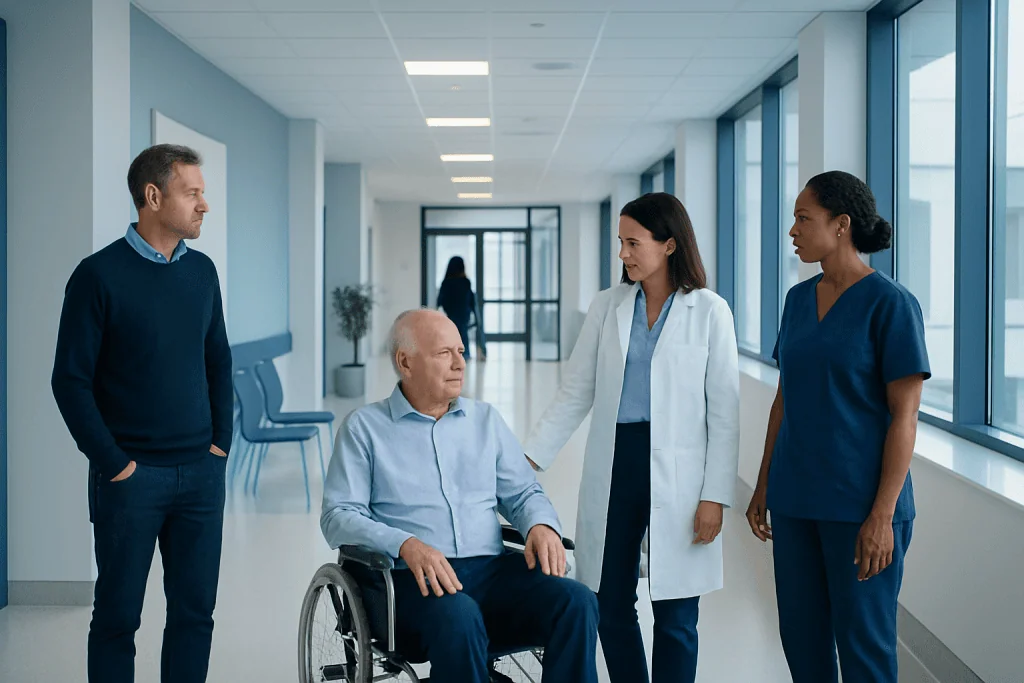
Geriatric neurology specializes in neurological care for older adults. It commonly addresses memory loss, dementia, stroke, Parkinson’s disease, neuropathy, tremor, and balance problems.
Key Takeaways
- Geriatric neurology specializes in neurological care for older adults.
- It commonly addresses memory loss, dementia, stroke, Parkinson’s disease, neuropathy, tremor, and balance problems.
- Assessment usually includes a detailed history, neurological examination, and targeted testing when needed.
- Treatment often combines medication review, rehabilitation, lifestyle support, and family or caregiver education.
- Early evaluation can help identify treatable causes and improve safety, independence, and quality of life.
Geriatric neurology is the branch of medicine that evaluates and treats brain, spinal cord, nerve, and muscle conditions in older adults. It focuses on common concerns such as memory loss, balance problems, stroke, tremor, neuropathy, and changes in thinking or movement, while taking age-related health needs into account.
Overview of Geriatric Neurology
Geriatric neurology is a medical specialty focused on disorders of the brain, spinal cord, nerves, and muscles in older adults. Aging can bring changes in memory, balance, sleep, walking, and reaction time, but not every change is a normal part of getting older. A geriatric neurologist helps distinguish expected age-related changes from conditions that need medical attention.
This field often overlaps with general neurology, geriatrics, psychiatry, rehabilitation, and internal medicine. Older adults may have several medical conditions at the same time, take multiple medications, and have different goals of care than younger patients. For that reason, geriatric neurology looks not only at the diagnosis itself, but also at day-to-day function, safety, independence, and quality of life.
Common reasons to seek geriatric neurology care include memory problems, confusion, tremor, weakness, numbness, falls, dizziness, stroke recovery, changes in walking, and sleep-related neurological symptoms. Specialists may also assess conditions such as Alzheimer’s disease, Parkinson’s disease, peripheral neuropathy, and seizure disorders that begin or continue later in life.
Symptoms and Concerns It Can Address
Neurological symptoms in older adults can appear gradually or suddenly. Some people notice increasing forgetfulness, difficulty finding words, poor concentration, or trouble managing familiar tasks such as medications, finances, or appointments. Others may develop shaking, stiffness, slower walking, balance problems, muscle weakness, or changes in sensation such as tingling or burning in the feet.
Symptoms can also include headaches, dizziness, fainting-like episodes, sleep disturbances, changes in mood or behavior, swallowing problems, or episodes that raise concern for stroke or seizures. In many cases, family members are the first to notice subtle changes, especially when the person affected is coping well or minimizing symptoms.
Warning signs that deserve prompt medical review include a sudden facial droop, weakness on one side, slurred speech, sudden confusion, a severe new headache, loss of vision, or a sudden inability to walk safely. These symptoms may point to urgent conditions such as stroke and should not be ignored.
- Memory loss that disrupts daily activities
- New confusion or personality changes
- Repeated falls or unsteady walking
- Tremor, stiffness, or slowed movement
- Numbness, pain, or weakness in the hands or feet
- Recovery needs after stroke or other neurological illness
Common Conditions in Older Adults

Geriatric neurologists frequently care for age-related cognitive disorders, movement disorders, and diseases affecting the nerves and blood vessels of the brain. Dementia is one of the best-known concerns, but there are several causes of cognitive decline. Some are progressive, while others may be partly reversible if recognized early, such as medication side effects, vitamin deficiencies, thyroid disorders, sleep problems, depression, or certain infections.
Stroke and transient ischemic attack are also common in later life and may lead to weakness, speech difficulty, vision changes, or trouble with memory and planning. Many older adults benefit from coordinated follow-up after stroke to reduce risk factors, regain function, and monitor for complications.
Movement disorders such as Parkinson’s disease can cause tremor, stiffness, slower movement, softer speech, constipation, sleep changes, and balance difficulties. Nerve disorders such as peripheral neuropathy may lead to burning pain, numbness, or reduced sensation in the feet, increasing the risk of falls. Other conditions include epilepsy in older age, <a href="https://acibademinternational.com/diseases/normal-pressure-hydrocephalus/”>normal pressure hydrocephalus, essential tremor, and disorders that affect muscle strength or coordination.
Causes and Risk Factors
Many neurological conditions become more common with age because blood vessels, brain tissue, and nerves change over time. However, aging alone does not automatically cause dementia, disabling tremor, or severe weakness. Often, neurological symptoms reflect a specific disease process influenced by genetics, vascular health, metabolism, immune factors, or past injury.
Risk factors depend on the condition. High blood pressure, diabetes, high cholesterol, smoking, heart rhythm problems, and obesity raise the risk of stroke and vascular cognitive impairment. Family history may play a role in dementia or Parkinson’s disease, although many people develop these conditions without a strong inherited pattern.
Other contributors include poor sleep, untreated hearing or vision loss, vitamin deficiency, alcohol misuse, chronic kidney or liver disease, infections, and medication effects. Polypharmacy, or taking many medicines at once, is especially important in older adults because certain drugs can worsen confusion, dizziness, or balance. A careful review of all prescription drugs, over-the-counter medicines, and supplements is often a key part of evaluation.
How Geriatric Neurology Evaluation Works
Assessment usually begins with a detailed conversation about symptoms, when they started, and how they affect daily life. The doctor may ask about falls, driving, sleep, mood, bladder symptoms, medication use, family history, and any recent infections or hospital stays. Input from a family member or caregiver can be very helpful, especially when memory or behavior changes are part of the concern.
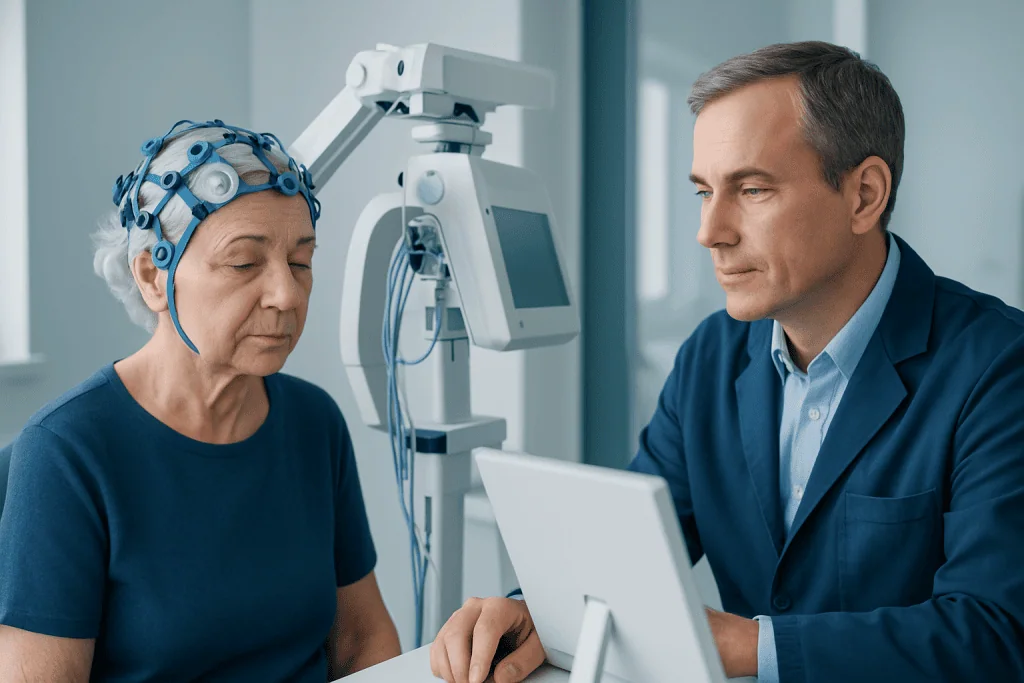
A neurological examination checks strength, reflexes, coordination, sensation, speech, eye movements, balance, and walking. Cognitive screening may be used to assess memory, attention, language, and problem-solving. Depending on the symptoms, the evaluation may also include blood tests, brain imaging such as MRI scan, vascular imaging, nerve conduction studies, or an EEG if seizure activity is suspected.
The aim is to identify whether symptoms are due to a degenerative neurological condition, a vascular event, a metabolic problem, medication effects, or another treatable cause. In some cases, more specialized assessments such as neuropsychological testing or a sleep evaluation are recommended. Because older adults often have more than one contributing factor, diagnosis may involve a step-by-step process rather than a single test.
Treatment Options and Supportive Care
Treatment depends on the diagnosis, symptom severity, and the person’s overall health and preferences. Some neurological disorders are treated with medications that improve symptoms, slow progression in selected conditions, reduce stroke risk, or manage pain, sleep problems, or mood changes. Just as important, doctors may stop or adjust medicines that worsen confusion, falls, or drowsiness.
Non-drug treatment plays a major role in geriatric neurology. Physical therapy can improve strength, balance, and walking. Occupational therapy may help with daily activities, home safety, and adaptive strategies. Speech and language therapy can support swallowing, voice, and communication when these are affected. For some people, structured rehabilitation after neurological illness is an essential part of recovery, including stroke rehabilitation.
Care often includes management of cardiovascular risk factors, sleep disorders, hearing and vision issues, nutrition, hydration, and mental health. Patients with cognitive decline may benefit from routines, reminder systems, simplified tasks, and caregiver education. Near the end of the care pathway, some families seek multidisciplinary support at centers such as Acibadem International, where JCI-accredited hospitals and specialists evaluate and treat neurological conditions in older international patients.
Prevention, Self-care, and When to See a Doctor
Not every neurological condition can be prevented, but many steps support brain and nerve health. Good control of blood pressure, blood sugar, and cholesterol helps protect the brain and blood vessels. Regular physical activity, a balanced diet, quality sleep, staying socially and mentally active, and avoiding smoking can all support healthier aging.
Self-care also includes practical safety measures. Older adults with numb feet, dizziness, or balance problems may benefit from supportive footwear, home fall-prevention changes, regular eye checks, and review of medications that cause sleepiness or low blood pressure. People with memory concerns may use calendars, pill organizers, written routines, and family support to maintain independence.
A medical review is important when symptoms are new, getting worse, or affecting daily function. Memory loss that changes finances or medication use, repeated falls, persistent tremor, worsening weakness, and changes in speech or walking should be evaluated. Urgent care is needed for sudden one-sided weakness, trouble speaking, sudden confusion, or severe abrupt neurological symptoms, as these may suggest a medical emergency.
Frequently asked questions
What does a geriatric neurologist do?
A geriatric neurologist evaluates and treats disorders of the brain, spinal cord, nerves, and muscles in older adults. This includes problems such as memory loss, stroke, tremor, neuropathy, balance difficulty, and movement disorders. Care also focuses on independence, safety, and overall health needs.
Is memory loss always a normal part of aging?
Mild slowing in recall can happen with age, but memory loss that interferes with daily life is not considered a normal part of aging. Difficulty managing medications, getting lost, repeating questions often, or major changes in judgment should be assessed by a doctor. Some causes are treatable, so early evaluation matters.
When should an older adult see a neurology specialist?
A neurology evaluation is helpful when there are persistent or progressive symptoms such as confusion, tremor, weakness, numbness, falls, or changes in walking. It is also important after a stroke, seizure, or unexplained episode of altered awareness. Sudden symptoms need urgent medical attention.
How is dementia different from normal forgetfulness?
Normal forgetfulness may involve occasionally misplacing items or needing reminders, while dementia affects daily functioning more clearly. A person may struggle with familiar tasks, language, judgment, orientation, or behavior. Dementia is a syndrome with different possible causes, so diagnosis should be made by a qualified clinician.
Can nerve pain and numbness in the feet be related to aging?
Aging itself does not fully explain ongoing nerve pain or numbness. These symptoms may be caused by peripheral neuropathy, diabetes, vitamin deficiency, spinal problems, medication effects, or other conditions. Because reduced sensation can increase fall risk, medical evaluation is recommended.
What tests might be used in geriatric neurology?
Testing depends on the symptoms and may include a neurological exam, memory screening, blood tests, brain imaging, and sometimes EEG or nerve studies. The goal is to identify the cause rather than order every test routinely. Doctors usually tailor testing to the individual’s symptoms, health status, and functional needs.
References
- World Health Organization
- National Institute on Aging
- American Academy of Neurology
- National Institute of Neurological Disorders and Stroke
This article is for general information only and is not a substitute for professional medical advice. Please consult a qualified doctor about your individual situation.
Geriatric Neurology in Turkey — costs, top hospitals & a free quote
JCI-accredited · board-certified surgeons · reply within 24h
Add us as a Preferred Source to see more of our trusted health content across Google Search, AI Overviews and Discover.

Neurology
Diagnosis and treatment of disorders of the brain, spinal cord, nerves and muscles.
51 specialists in this unitMore from the Health Library



Related Specialists

Assoc. Prof. Dr. Bedriye Koyuncu Sökmen
Gastrointestinal Oncology Unit Clinical Service
Dr. İzlem Kıran
Radiology
Dr. Levent Şener
Neurosurgery
Assoc. Prof. Dr. Savaş Karataş
Endocrinology