What Is Glossophobia? A Doctor-Reviewed Answer

Glossophobia means a strong fear of public speaking or performing in front of an audience. It can cause physical symptoms such as a racing heart, trembling, sweating, nausea, or a shaky voice.
Key Takeaways
- Glossophobia means a strong fear of public speaking or performing in front of an audience.
- It can cause physical symptoms such as a racing heart, trembling, sweating, nausea, or a shaky voice.
- Occasional presentation anxiety is common; glossophobia becomes more concerning when it leads to persistent avoidance or limits daily life.
- Doctors and mental health professionals can assess whether symptoms are related to a specific phobia, social anxiety disorder, or another health concern.
- Gradual practice, cognitive behavioral therapy, and selected medications in some cases can reduce symptoms.
Glossophobia is an intense fear of speaking in front of other people. Feeling nervous before a presentation is very common and often harmless, but professional support can help when fear causes major distress, avoidance, or disruption to work, school, or relationships.
Overview: What Is Glossophobia?
Glossophobia is an intense fear of public speaking. A person may feel very anxious when asked to give a presentation, speak in a meeting, answer questions in class, make a toast, or perform before an audience. For many people, mild nervousness in these situations is normal and does not require medical care.
The word comes from the Greek words for “tongue” and “fear.” Glossophobia is sometimes described as a specific fear of speaking in public, but it can also occur as part of broader social anxiety. The key difference from ordinary nerves is the degree of distress: the fear may feel overwhelming, lead someone to avoid important opportunities, or interfere with work, education, or relationships.
Glossophobia is not a sign of weakness, poor intelligence, or a lack of ability. Anxiety is a body-and-mind response to a perceived threat, even when the audience is supportive and there is no actual danger. With practical skills and, when needed, professional treatment, most people can become more comfortable speaking in front of others.
How Glossophobia Can Feel
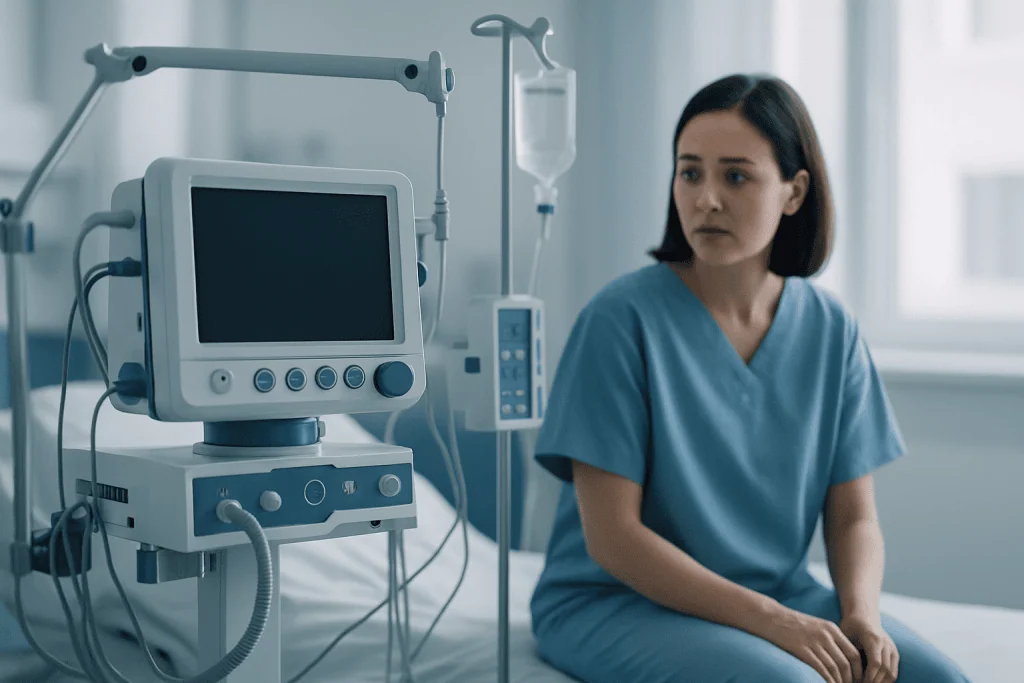
Symptoms often begin before the speaking event, sometimes days or weeks in advance. A person may repeatedly worry about making a mistake, forgetting what to say, being judged, blushing, or appearing anxious. As the event approaches, these thoughts can become difficult to set aside.
During public speaking, the body’s stress response may produce noticeable physical symptoms. These can be uncomfortable but are usually not dangerous in an otherwise healthy person. Common experiences include:
- Fast heartbeat, chest tightness, or rapid breathing
- Shaking hands, trembling legs, muscle tension, or a quivering voice
- Sweating, dry mouth, flushing, nausea, or a “butterflies” feeling
- Difficulty concentrating, feeling blank, or losing a train of thought
- An urge to leave, avoid eye contact, speak very quickly, or cancel the event
Afterward, some people replay the event in their minds and focus on perceived mistakes, even if others did not notice them. This can reinforce fear before the next speaking situation. Avoidance may bring short-term relief, but it can maintain anxiety over time by preventing a person from learning that they can cope.
Why It Happens and Who May Be at Risk

There is no single cause of glossophobia. It usually develops through a combination of temperament, experiences, learned beliefs, and stress. A difficult past experience, such as being embarrassed while speaking, receiving harsh criticism, or feeling unprepared for an important presentation, may contribute for some people. However, many people with glossophobia cannot identify one clear triggering event.
People who tend to be self-critical, fear negative evaluation, or place very high demands on their own performance may be more vulnerable. Limited experience with public speaking can also make it feel unfamiliar and threatening. Stress, poor sleep, excess caffeine, and major life changes can make anxiety symptoms stronger in the short term.
Glossophobia may occur on its own, or it may be part of social anxiety disorder, a condition involving marked fear of being watched, judged, embarrassed, or rejected in social or performance situations. It can also overlap with panic symptoms. A clinician can help distinguish these possibilities and consider whether a medical issue, medication effect, or substance use could be contributing to physical symptoms.
When to Seek Medical Care
Most public-speaking nerves can be managed with preparation and practice. Medical or mental health support is worth considering when fear is persistent, feels out of proportion to the situation, causes significant distress, or leads a person to avoid classes, job interviews, meetings, promotions, or social events that matter to them.
A doctor should also be consulted if anxiety symptoms occur unexpectedly outside speaking situations, are new or becoming more severe, or include symptoms that could have another medical cause. Chest pain, fainting, severe shortness of breath, or a new irregular heartbeat should be assessed urgently, particularly when symptoms are not clearly linked to anxiety.
Immediate help is important if anxiety is accompanied by thoughts of self-harm, hopelessness, or feeling unable to stay safe. Emergency services or a local crisis service can provide urgent support. Seeking care early is constructive: anxiety disorders are common, recognizable health conditions, and effective treatment options are available.
How a Doctor Assesses Glossophobia
There is no blood test or scan that diagnoses glossophobia. Diagnosis is based on a thoughtful conversation about symptoms, their timing, the situations that trigger them, how long they have been present, and their impact on daily life. A primary care doctor, psychologist, psychiatrist, or other qualified mental health professional may perform the assessment.
The clinician may ask about worries before speaking, physical symptoms during presentations, avoidance patterns, past experiences, sleep, mood, alcohol or stimulant use, and family history of anxiety. They may also ask whether fear extends to everyday conversations, eating in public, meeting unfamiliar people, or other social situations. This helps determine whether the concern is limited to public speaking or part of a broader anxiety condition.
A physical examination or selected tests may be appropriate when symptoms suggest another cause. For example, a clinician may consider thyroid problems, heart rhythm concerns, respiratory conditions, medication effects, or excessive caffeine intake. The aim is not to dismiss symptoms as “just nerves,” but to understand the full picture and develop a suitable care plan.
Treatment Options and Skills That Help
For many people, gradual, structured exposure to speaking situations is highly helpful. This may begin with practicing aloud alone, then speaking to a trusted person, a small group, and eventually a larger audience. Repeated experiences of coping can reduce the brain’s alarm response. Communication courses, supportive speaking groups, and rehearsal with constructive feedback may also build confidence.
Cognitive behavioral therapy (CBT) is a well-established treatment for anxiety. It helps people identify unhelpful predictions, such as assuming one small mistake will lead to humiliation, and replace them with more balanced, realistic thinking. CBT can also teach breathing, attention, and behavioral strategies that make it easier to stay engaged during a presentation. Some people may benefit from cognitive behavioral therapy with a trained mental health professional.
Medication is not necessary for everyone. In selected situations, a doctor may discuss medication for broader or severe anxiety, or for short-term physical performance symptoms. The choice depends on a person’s overall health, other medicines, pattern of anxiety, and treatment goals. Medication should only be used under qualified medical guidance and is often most effective when paired with psychological strategies.
Acibadem International’s multidisciplinary specialists and JCI-accredited hospitals can assess anxiety-related concerns and provide coordinated care for international patients when treatment is needed.
Preparation and Self-Care Before Speaking
Preparation does not need to mean memorizing every word. A clear outline, a few key messages, and practice under realistic conditions are often more useful than trying to deliver a perfect script. Knowing the room, technology, time limit, and likely questions can reduce uncertainty. Arriving early may also allow time to settle in.
In the hours before speaking, basic habits can support the body’s stress response. Regular meals, enough water, and adequate sleep are useful. It may help to limit caffeine, nicotine, alcohol, and other stimulants, especially if they worsen palpitations, shaking, or sleep. Slow breathing with a longer exhale can reduce physical arousal; for example, breathing gently rather than taking rapid, deep breaths.
During a talk, people can pause, sip water, and redirect attention toward communicating one helpful idea at a time rather than monitoring every bodily sensation. Small mistakes are a normal part of speaking and are often less noticeable to an audience than the speaker expects. If anxiety remains intense despite regular practice, professional support can provide a more tailored plan.
Frequently asked questions
Is glossophobia a real condition?
Yes. Glossophobia describes an intense fear of public speaking that can cause emotional, physical, and behavioral symptoms. It may be a focused performance fear or part of a broader anxiety condition, depending on the person’s symptoms and circumstances.
Is it normal to be afraid of public speaking?
Yes, mild anxiety before speaking to a group is very common. It becomes more concerning when it is persistent, overwhelming, or causes a person to avoid important activities or opportunities.
Can glossophobia cause panic attacks?
Some people experience panic-like symptoms when speaking, including a racing heart, shaking, breathlessness, dizziness, and a strong urge to escape. A clinician can assess whether these episodes are situational anxiety, panic attacks, or related to another medical concern.
How can someone calm down before a presentation?
Useful steps include preparing key points, practicing gradually, arriving early, limiting stimulants that worsen symptoms, and using slow, gentle breathing. Focusing on the message rather than delivering a flawless performance can also reduce pressure.
Can glossophobia be treated without medication?
Yes. Many people improve with gradual exposure, public-speaking practice, and cognitive behavioral therapy. Medication may be considered in selected cases, but it is not required for everyone and should be discussed with a qualified doctor.
Which doctor should someone see for glossophobia?
A primary care doctor can provide an initial assessment and rule out potential physical contributors to symptoms. They may refer the person to a psychologist, psychiatrist, or another mental health professional for further care when appropriate.
References
- American Psychiatric Association
- National Institute of Mental Health
- National Health Service
- Mayo Clinic
- Anxiety and Depression Association of America
This article is for general information only and is not a substitute for professional medical advice. Please consult a qualified doctor about your individual situation.
Explore treatments in Turkey — costs, top hospitals & a free quote
JCI-accredited · board-certified surgeons · reply within 24h
Add us as a Preferred Source to see more of our trusted health content across Google Search, AI Overviews and Discover.