What Is Havana Syndrome? Causes, Explanations, and Next Steps

Havana syndrome is a descriptive label for a reported symptom pattern, not a clearly defined single disease. Common reported symptoms include dizziness, headache, ear symptoms, balance problems, nausea, fatigue, and cognitive difficulties.
Key Takeaways
- Havana syndrome is a descriptive label for a reported symptom pattern, not a clearly defined single disease.
- Common reported symptoms include dizziness, headache, ear symptoms, balance problems, nausea, fatigue, and cognitive difficulties.
- Many symptoms overlap with migraine, concussion, inner ear disorders, stress-related conditions, and other neurological or medical problems.
- Doctors usually focus on ruling out urgent causes first, then assessing the nervous system, hearing, balance, and mental health.
- Seek prompt medical care for sudden severe headache, weakness, confusion, fainting, chest pain, or worsening neurological symptoms.
What is Havana syndrome? The term is used for a cluster of reported symptoms—such as dizziness, headache, ear pain, ringing in the ears, balance problems, and trouble concentrating—described by some diplomats, government personnel, and others after unusual sensory experiences, but no single confirmed medical cause has been established. In many people, similar symptoms turn out to be related to more common and treatable conditions, though new or severe symptoms should still be assessed by a doctor.
Overview: what the term means
What is havana syndrome? It is a non-technical term used to describe a group of symptoms reported by some people after unusual incidents, often involving a sudden sound, pressure sensation, or unexplained environmental experience. The symptoms described have included headache, dizziness, ear pain, ringing in the ears, nausea, trouble with balance, sensitivity to sound, fatigue, and difficulty with attention or memory.
Importantly, Havana syndrome is not a single confirmed diagnosis with one proven cause. Health agencies and researchers have explored several explanations, but no one mechanism has been established that explains every reported case. This is why many clinicians use a careful, symptom-based approach rather than assuming one answer from the start.
That uncertainty can feel unsettling, but it is also reassuring in one important way: symptoms like these are common in everyday medicine and often have more familiar explanations. Inner ear disorders, migraine, stress-related symptoms, sleep disruption, medication effects, viral illnesses, and head injury can all cause similar problems and may be treatable once identified.
Symptoms people have reported
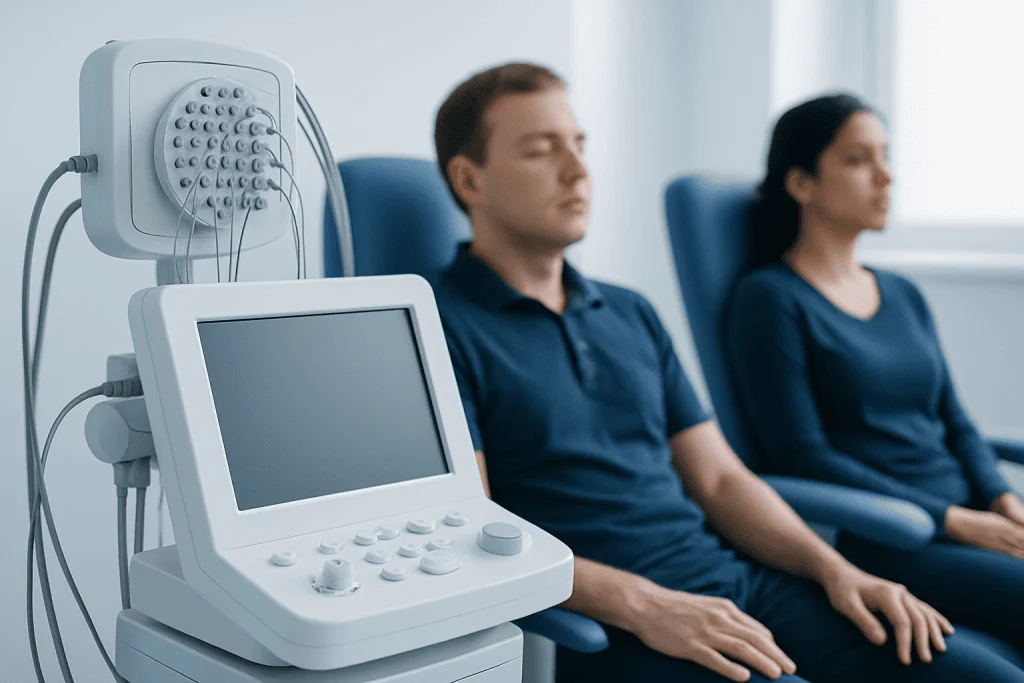
The symptom pattern linked with Havana syndrome can vary from person to person. Some people describe a sudden onset, while others notice symptoms that develop over hours or days. The most commonly reported features involve the head, ears, balance system, and concentration.
Reported symptoms may include:
- Headache or pressure in the head
- Dizziness or vertigo
- Nausea
- Ear pain or a feeling of fullness in the ear
- Ringing in the ears
- Hearing changes or sound sensitivity
- Unsteadiness or balance problems
- Trouble concentrating, remembering, or processing information
- Fatigue and sleep disturbance
- Anxiety or feeling mentally overwhelmed
These symptoms are real and deserve medical attention, even when the cause is not immediately clear. At the same time, they are not unique to Havana syndrome. For example, dizziness and ringing in the ears can occur with inner ear conditions, while headache and concentration changes can occur with migraine or a mild brain injury.
Because the symptoms can overlap across several body systems, doctors often look at the bigger picture: how symptoms started, whether they are improving or worsening, and whether there are any warning signs that suggest an urgent neurological or ear-related problem.
Possible explanations and overlapping conditions

There is no single accepted explanation for Havana syndrome. Over time, experts have considered a range of possibilities, including neurological illness, vestibular or inner ear disorders, migraine-related phenomena, stress responses, environmental exposure, and injury from sound or pressure. Different cases may also have different explanations, which is one reason the topic remains medically complex.
One practical way to understand the issue is to focus on conditions that can produce similar symptoms. These include vestibular migraine, concussion, tension-type headache, anxiety and stress-related disorders, sleep deprivation, medication side effects, viral infections, hearing problems, and disorders of the balance organs in the inner ear such as vertigo.
Researchers have also looked at whether some cases might involve functional neurological symptoms, where the nervous system is not working normally even without a structural injury visible on scans. This does not mean symptoms are imagined; it means the brain-body communication involved in balance, sensation, attention, or movement may be disrupted in ways that require careful assessment and supportive treatment.
Because no single theory explains every report, it is best to avoid self-diagnosis based on news coverage alone. A doctor can help determine whether symptoms fit a common treatable condition, whether further testing is needed, or whether specialist evaluation in neurology, ENT, audiology, or rehabilitation would be useful.
How doctors evaluate these symptoms
When someone presents with symptoms associated with Havana syndrome, doctors usually start by ruling out medical emergencies and common causes. The first step is a detailed history: what happened before symptoms began, whether there was a sudden sound or sensation, how quickly symptoms developed, and whether there are triggers such as movement, stress, sleep loss, or bright light.
A physical examination typically includes a neurological exam, blood pressure and heart rate checks, and an assessment of hearing, eye movements, balance, and coordination. Depending on the symptoms, a clinician may look for signs of inner ear disease, migraine, infection, concussion, medication effects, or another systemic illness.
Tests are chosen based on the person rather than the label. These may include hearing tests, vestibular or balance testing, blood tests, and imaging such as MRI scan if there are concerning neurological features. In selected situations, doctors may also use CT scan to assess for acute structural problems, especially after trauma or with sudden severe symptoms.
If symptoms involve prolonged dizziness, memory difficulty, or headaches, referral to neurology care or an ENT specialist may be appropriate. Some patients also benefit from neuropsychological assessment, vestibular rehabilitation, headache management, or hearing support, depending on the findings.
Treatment and recovery
There is no single standard treatment labeled specifically for Havana syndrome because there is no one confirmed cause. Treatment is usually directed at the symptoms and at any underlying condition identified during evaluation. This individualized approach is often the most effective and safest.
For example, a person with migraine-like symptoms may benefit from migraine management, while someone with balance dysfunction may improve with vestibular therapy and exercises. If hearing symptoms are present, formal ear and hearing evaluation can guide next steps. Sleep support, hydration, stress reduction, and a gradual return to normal activity can also be part of recovery when appropriate.
Some people recover over time with supportive care, while others need longer follow-up for persistent dizziness, headaches, concentration issues, or anxiety. Rehabilitation may include balance therapy, headache care, counseling, and strategies for pacing work or screen time. If symptoms suggest an ear disorder, targeted assessment may be useful through services such as ENT evaluation and treatment.
Near the end of the care pathway, coordination matters. In complex cases, multidisciplinary teams can help connect neurology, ENT, radiology, rehabilitation, and mental health support. Acibadem International’s multidisciplinary specialists and JCI-accredited hospitals diagnose and treat patients with complex neurological and balance-related symptoms when international evaluation is needed.
When to seek medical care
Many causes of headache, dizziness, and ear symptoms are not dangerous, but sudden or severe symptoms should not be ignored. Prompt medical review is especially important if symptoms begin abruptly, are getting worse, or interfere with walking, speaking, hearing, or thinking clearly.
Urgent medical attention is recommended for:
- Sudden severe headache unlike usual headaches
- Weakness, numbness, facial droop, or trouble speaking
- Confusion, fainting, seizure, or loss of consciousness
- New chest pain or shortness of breath
- Persistent vomiting or inability to keep fluids down
- Sudden hearing loss, severe spinning sensation, or repeated falls
- Symptoms after a head injury
If symptoms are milder but continue for days or weeks, a non-urgent medical appointment is still worthwhile. A clinician can review possible triggers, check for common conditions, and decide whether specialist testing is needed. Early assessment can also reduce anxiety by clarifying what is known, what is not known, and what can be done next.
Self-care and practical next steps
While waiting for medical evaluation, simple measures may help reduce symptoms. Rest, regular hydration, balanced meals, and consistent sleep are often useful, especially if dizziness or headache is worsened by fatigue or dehydration. It may also help to avoid alcohol and limit activities that strongly trigger symptoms, such as prolonged screen time, loud noise, or rapid head movements.
Keeping a symptom diary can make a medical visit more productive. Useful details include when symptoms started, whether there was a sound or event beforehand, how long each symptom lasts, what makes it better or worse, current medications, recent travel, stress levels, sleep patterns, and any previous migraine, concussion, or ear problems.
People should avoid jumping to one explanation based only on media reports. Because similar symptoms can come from many conditions, careful diagnosis is more helpful than labels. With a structured evaluation and symptom-focused treatment plan, many patients can identify manageable causes and make steady progress.
Frequently asked questions
Is Havana syndrome a real medical diagnosis?
The symptoms reported are real and deserve medical attention. However, Havana syndrome is better understood as a descriptive term for a symptom cluster rather than a single disease with one proven cause.
What symptoms are most commonly linked to Havana syndrome?
The most commonly reported symptoms include headache, dizziness, nausea, ear pain, ringing in the ears, sound sensitivity, balance problems, fatigue, and trouble concentrating. Not everyone has the same pattern, and symptoms can overlap with many other conditions.
Can stress or anxiety cause similar symptoms?
Yes. Stress, anxiety, poor sleep, and hypervigilance can contribute to headache, dizziness, concentration problems, and ear discomfort. This does not make symptoms any less real, but it does mean the evaluation should consider both physical and psychological factors.
Do brain scans always show a cause?
No. MRI or CT scans may be normal even when symptoms are significant. Imaging is mainly used to rule out structural problems or other urgent conditions when the history or examination suggests they might be present.
Could it actually be migraine or an inner ear disorder instead?
Yes, that is often part of the medical assessment. Vestibular migraine, benign inner ear disorders, hearing problems, concussion, and other neurological conditions can closely resemble the symptom pattern described in Havana syndrome.
When should someone get urgent medical help?
Urgent care is important for sudden severe headache, confusion, weakness, trouble speaking, fainting, chest pain, sudden hearing loss, or symptoms after head trauma. These features can point to conditions that need prompt treatment.
References
- World Health Organization
- Centers for Disease Control and Prevention
- National Institute of Neurological Disorders and Stroke
- National Institute on Deafness and Other Communication Disorders
- American Academy of Neurology
This article is for general information only and is not a substitute for professional medical advice. Please consult a qualified doctor about your individual situation.
Explore treatments in Turkey — costs, top hospitals & a free quote
JCI-accredited · board-certified surgeons · reply within 24h
Add us as a Preferred Source to see more of our trusted health content across Google Search, AI Overviews and Discover.

More from the Health Library



Related Specialists

Prof. Dr. Umut Akgün
Orthopedic Surgery & Traumatology
Prof. Dr. Asım Kaytaz
Otorhinolaryngology
Dr. Yasemin Dilek Soysal
Pediatric Gastroenterology
Prof. Dr. Hüsnü Cemal Kahraman
Cardiovascular Surgery