What is meningitis? A Doctor-Reviewed Answer

Meningitis is inflammation of the protective membranes around the brain and spinal cord. Common symptoms include fever, headache, neck stiffness, light sensitivity, nausea, confusion, and severe sleepiness.
Key Takeaways
- Meningitis is inflammation of the protective membranes around the brain and spinal cord.
- Common symptoms include fever, headache, neck stiffness, light sensitivity, nausea, confusion, and severe sleepiness.
- Bacterial meningitis is a medical emergency, while viral meningitis is often milder but still needs medical assessment.
- Diagnosis may involve a physical exam, blood tests, imaging, and a lumbar puncture.
- Vaccination, good hygiene, and early medical care can help reduce risk and complications.
What is meningitis? Meningitis is inflammation of the meninges, the protective layers around the brain and spinal cord. It can be caused by viruses, bacteria, fungi, or other conditions, and some forms need urgent treatment because symptoms can worsen quickly.
Overview: what meningitis means
What is meningitis? Meningitis is inflammation of the meninges, the thin protective membranes that cover the brain and spinal cord. This inflammation is most often caused by an infection, but it can also happen because of certain medicines, autoimmune conditions, cancer, or injury. The condition can affect people of any age, although babies, young children, teenagers, older adults, and people with weakened immune systems may be at higher risk.
Meningitis is not one single illness. Doctors usually classify it by its cause, such as viral meningitis, bacterial meningitis, fungal meningitis, or less commonly parasitic meningitis. The cause matters because it influences how serious the illness may be, how it spreads, and what treatment is needed. In general, bacterial meningitis tends to be the most urgent form because it can become life-threatening without prompt treatment.
The symptoms of meningitis can overlap with those of flu, severe viral infections, or other neurological conditions. That is one reason medical assessment is important, especially when headache, fever, neck stiffness, or changes in alertness happen together. In some cases, meningitis may occur alongside inflammation of the brain itself, called encephalitis, which can make symptoms more severe.
Symptoms and early warning signs
Meningitis symptoms can begin suddenly or develop over a day or two, depending on the cause. Typical symptoms in adults and older children include fever, severe headache, stiff neck, nausea, vomiting, sensitivity to light, confusion, drowsiness, and feeling generally very unwell. Some people may also have muscle aches, poor appetite, or difficulty concentrating.
A skin rash can occur in some cases of bacterial meningitis, especially meningococcal disease, but not everyone develops a rash. Its absence does not rule meningitis out. Seizures, marked sleepiness, or difficulty waking a person are especially concerning signs because they may suggest significant irritation of the nervous system.
Symptoms can look different in babies and very young children. Instead of clearly reporting headache or neck pain, an infant may be irritable, feed poorly, vomit, seem unusually sleepy, cry in a high-pitched way, or have a bulging soft spot on the head. Because symptoms in younger children can be less specific, caregivers should seek medical advice promptly if a child seems seriously ill.
- Fever with severe headache
- Neck stiffness or pain when bending the neck
- Light sensitivity
- Confusion or unusual behavior
- Severe drowsiness or difficulty waking
- Seizures or a new rash with fever
Causes and who is at higher risk

Viruses are a common cause of meningitis and often lead to milder illness than bacteria, although viral meningitis can still make someone quite unwell. Enteroviruses are frequent causes, and other viruses such as herpes viruses, mumps, or influenza can sometimes be responsible. Bacterial meningitis may be caused by germs such as Streptococcus pneumoniae, Neisseria meningitidis, or Haemophilus influenzae type b, depending on age, vaccination status, and other factors.
Fungal meningitis is less common and is more likely in people with weakened immune systems. Noninfectious meningitis can happen in relation to autoimmune disease, certain cancers, surgery, head injury, or medication reactions. Doctors consider all of these possibilities when symptoms and test results do not point clearly to a common infection.
Risk factors include very young or older age, close living settings such as dormitories or military housing, recent upper respiratory infections, a weakened immune system, certain chronic illnesses, and not being vaccinated against relevant bacteria and viruses. Some people may also develop meningitis as a complication of another infection, such as a severe sinus infection or an ear infection that spreads. Understanding the cause helps guide the right care and also whether close contacts may need preventive treatment.
How doctors diagnose meningitis
Diagnosing meningitis starts with a careful medical history and physical examination. Doctors look for fever, neck stiffness, changes in alertness, rash, dehydration, and signs of pressure or irritation involving the brain and spinal cord. Because symptoms can progress quickly, testing often begins right away if meningitis is suspected.
Blood tests may help look for infection and inflammation, and blood cultures can identify certain bacteria. Imaging such as a brain MRI or CT scan may be used in selected cases, especially if there are concerns about swelling, a mass, seizures, or other neurological complications. Imaging does not replace the key test for many patients, but it can help doctors plan safely.
A lumbar puncture, also called a spinal tap, is often the most important test for confirming meningitis. During this procedure, a small sample of cerebrospinal fluid is collected from the lower back and analyzed for cells, protein, glucose, and signs of bacteria, viruses, or fungi. The results help distinguish bacterial from viral causes and guide treatment decisions. If meningitis symptoms are accompanied by broader brain-related changes, the care team may also evaluate for encephalitis and other neurological conditions.
Treatment options and what recovery may involve
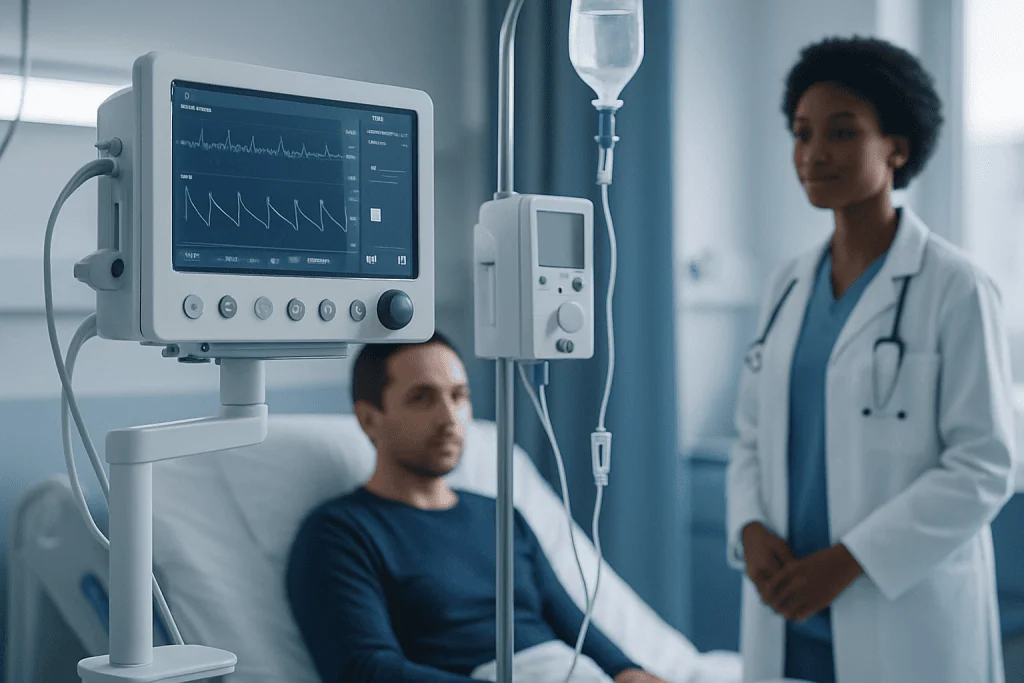
Treatment depends on the cause of meningitis and how sick the person is. Suspected bacterial meningitis is treated urgently with intravenous antibiotics, often before all test results are back, because early treatment is very important. Some patients may also receive corticosteroids to help reduce inflammation in specific situations. Supportive care, including fluids, pain relief, oxygen, and close monitoring, is also a key part of treatment.
Viral meningitis usually does not respond to antibiotics. Many people recover with rest, hydration, fever control, and observation, although antiviral medicines may be used for certain viruses such as herpes infections. Fungal meningitis requires antifungal treatment, and noninfectious meningitis is managed by treating the underlying cause and reducing inflammation when appropriate.
Hospital care is common when symptoms are severe, diagnosis is uncertain, or bacterial meningitis is possible. Some people recover fully, while others may need follow-up for hearing changes, headaches, fatigue, concentration difficulties, or other complications. In more complex cases, specialists in neurology, infectious diseases, intensive care, and imaging may work together, and tests such as EEG evaluation may be used if seizures or altered consciousness are a concern.
Prevention and self-care
Vaccination is one of the most effective ways to reduce the risk of certain kinds of meningitis. Depending on age and health status, recommended vaccines may include those against meningococcal disease, pneumococcal disease, Haemophilus influenzae type b, influenza, mumps, and other infections that can contribute to meningitis. A doctor can advise which vaccines are appropriate for a child, adolescent, adult, traveler, or someone with a medical condition affecting immunity.
Good hygiene also matters. Regular handwashing, covering coughs and sneezes, avoiding sharing drinks or utensils, and staying away from close contact when sick can help reduce the spread of infections. In some situations, close contacts of a person with certain bacterial forms of meningitis may be offered preventive antibiotics after public health assessment.
At home, self-care is appropriate only after a clinician has assessed the situation and ruled out the need for emergency treatment. Rest, fluids, and symptom relief may support recovery in milder viral cases, but worsening headache, fever, confusion, dehydration, or difficulty waking should never be managed without medical review. If questions remain about persistent symptoms or complications, doctors may also evaluate related nervous system problems such as seizures or post-infectious neurological issues.
When to seek medical care
Medical care should be sought urgently if someone has fever together with a severe headache, neck stiffness, confusion, fainting, a seizure, a new rash, trouble staying awake, or rapid worsening of symptoms. These signs do not always mean meningitis, but they need prompt assessment because meningitis can progress quickly, especially when bacteria are involved.
Babies and young children need particular caution. A very sleepy infant, a baby who is feeding poorly, persistent vomiting, unusual irritability, or a bulging soft spot on the head should be evaluated without delay. Caregivers do not need to wait for all classic symptoms to appear before seeking help.
If symptoms are milder but still concerning, such as ongoing fever with a severe headache or light sensitivity, a doctor should still be consulted as soon as possible. For international patients who need coordinated neurological and infectious disease assessment, Acibadem International’s multidisciplinary specialists in JCI-accredited hospitals diagnose and treat meningitis and related conditions using modern imaging, laboratory testing, and hospital-based care when needed.
Frequently asked questions
Is meningitis contagious?
Some types are contagious, especially meningitis caused by certain viruses or bacteria. Others, such as noninfectious meningitis, do not spread from person to person. Whether close contacts need testing or preventive medicine depends on the exact cause.
What is the difference between viral and bacterial meningitis?
Viral meningitis is often milder and may improve with supportive care, although some cases still require hospital evaluation. Bacterial meningitis is generally more serious and is treated as a medical emergency because it can worsen quickly without antibiotics.
Can meningitis go away on its own?
Some viral cases may improve with rest, fluids, and monitoring, but it is not safe to assume this without medical assessment. Symptoms of meningitis overlap with more dangerous conditions, and bacterial meningitis needs urgent treatment.
How is meningitis confirmed?
Doctors use symptoms, examination findings, blood tests, and often a lumbar puncture to examine cerebrospinal fluid. In some situations, brain imaging is also used to check for complications or to guide safe testing.
Can adults get meningitis, or is it mainly a childhood illness?
Adults can get meningitis, and some forms occur across all age groups. Risk may be higher in older adults, people living in close quarters, travelers to certain regions, and those with weakened immune systems.
Are there long-term effects after meningitis?
Many people recover fully, especially with timely diagnosis and appropriate treatment. However, some may experience hearing changes, headaches, tiredness, memory or concentration problems, or seizures, which is why follow-up care can be important.
References
- World Health Organization
- Centers for Disease Control and Prevention
- National Institute of Neurological Disorders and Stroke
- Mayo Clinic
- Merck Manual Professional Edition
This article is for general information only and is not a substitute for professional medical advice. Please consult a qualified doctor about your individual situation.
Meningitis in Turkey — costs, top hospitals & a free quote
JCI-accredited · board-certified surgeons · reply within 24h
Add us as a Preferred Source to see more of our trusted health content across Google Search, AI Overviews and Discover.