

What Is Neurophysiology? Meaning, Scope, and How It Supports Diagnosis
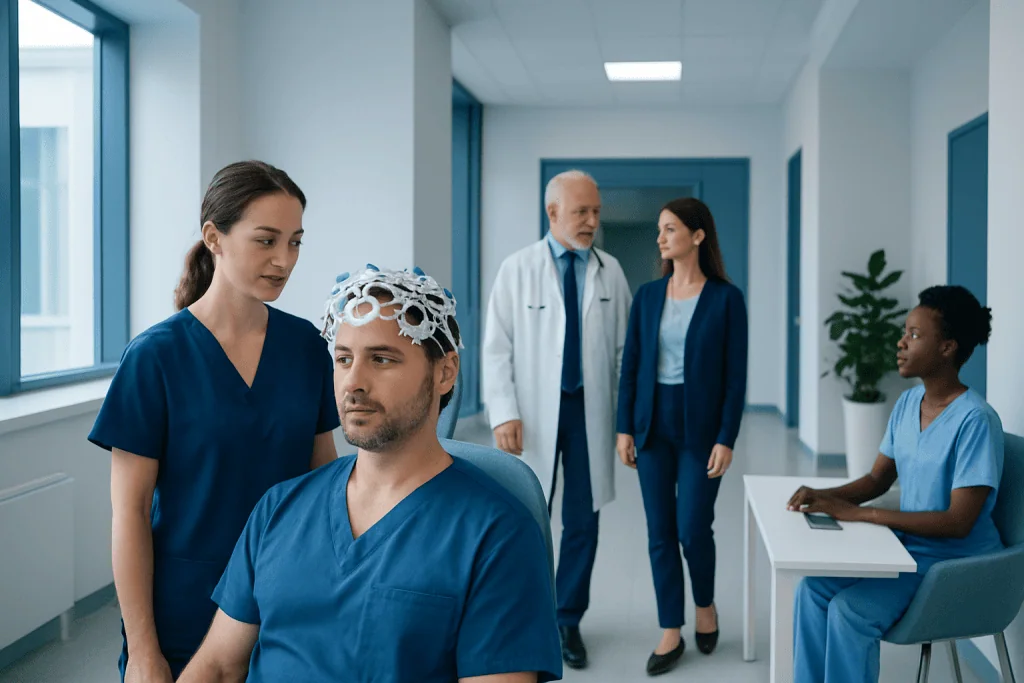
Neurophysiology examines how electrical signals travel through the brain, nerves, and muscles. It supports diagnosis through tests such as EEG, EMG, nerve conduction studies, and evoked potentials.
Key Takeaways
- Neurophysiology examines how electrical signals travel through the brain, nerves, and muscles.
- It supports diagnosis through tests such as EEG, EMG, nerve conduction studies, and evoked potentials.
- Neurophysiology does not usually diagnose by symptoms alone; it adds objective functional information.
- These tests help assess seizures, neuropathy, muscle disorders, sleep-related problems, and more.
- Most neurophysiology tests are safe, outpatient procedures with little preparation needed.
- Results are interpreted together with medical history, examination, and imaging when needed.
Neurophysiology is the medical field that studies how the nervous system works, including the brain, spinal cord, nerves, and muscles. It plays an important role in diagnosing conditions that affect movement, sensation, sleep, consciousness, and nerve function.
Overview of neurophysiology
Neurophysiology is the branch of medicine that studies how the nervous system functions. This includes the brain, spinal cord, peripheral nerves, and the muscles they control. Rather than focusing only on anatomy, neurophysiology looks at function—how nerve cells send signals, how muscles respond, and how different parts of the nervous system communicate with one another.
In clinical practice, neurophysiology helps doctors understand whether symptoms are related to abnormal electrical activity or impaired nerve signaling. This can be especially useful when a person has weakness, numbness, tingling, seizures, muscle twitching, blackouts, sleep-related symptoms, or unexplained changes in movement or sensation. Neurophysiological testing can provide objective information that is difficult to see during a routine physical examination alone.
Neurophysiology is closely linked with neurology, neurosurgery, rehabilitation medicine, and sleep medicine. A neurophysiologist may work with other specialists to evaluate conditions affecting the central nervous system and peripheral nervous system. The findings can help confirm a diagnosis, rule out certain disorders, measure severity, or guide treatment planning.
What neurophysiology includes
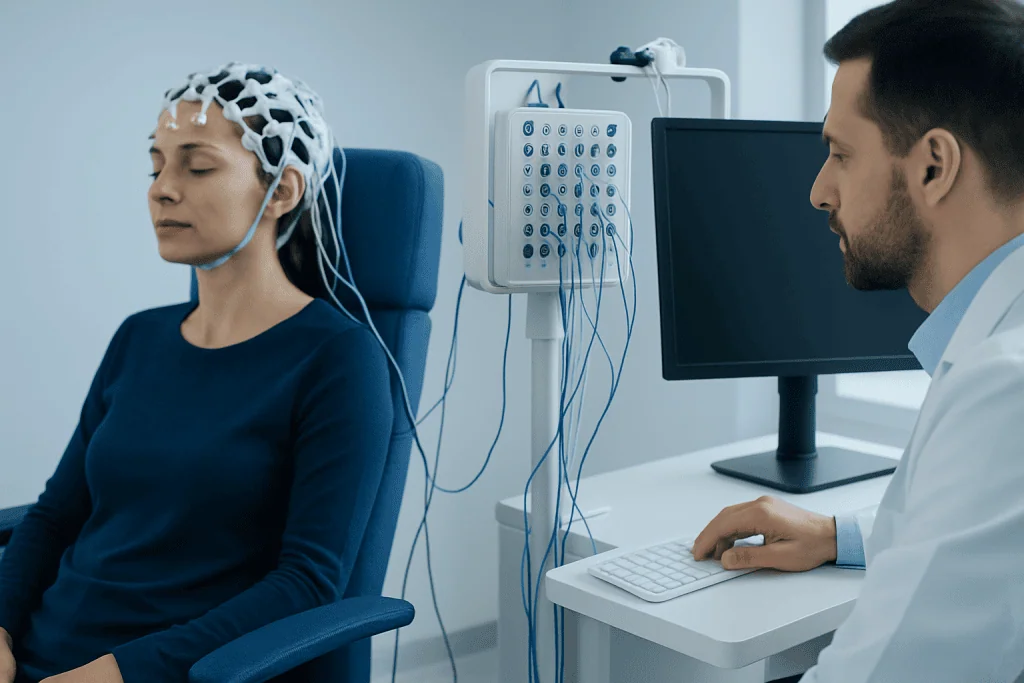
The scope of neurophysiology is broad. It includes the study of brain waves, nerve conduction, muscle activity, spinal pathways, and sensory responses. In a hospital or outpatient clinic, neurophysiology most often refers to specialized tests that record electrical signals from the nervous system in a safe and controlled way.
Common areas within neurophysiology include electroencephalography, electromyography, nerve conduction studies, evoked potentials, and sleep-related testing. Each test answers a different question. For example, one test may look for abnormal brain activity during seizures, while another may assess whether a nerve is damaged or whether a muscle problem is present.
Neurophysiology can be used for both adults and children. It may help assess a wide range of concerns, from suspected epilepsy and peripheral neuropathy to nerve compression syndromes, neuromuscular disorders, and sleep disturbances. In some cases, testing is also used during surgery to help monitor nervous system function in real time.
- Brain function: often assessed with EEG
- Peripheral nerve function: often assessed with nerve conduction studies
- Muscle activity: often assessed with EMG
- Sensory pathways: often assessed with evoked potentials
- Sleep-related brain and body activity: assessed with sleep studies when needed
How neurophysiology supports diagnosis

Many neurological symptoms can have more than one possible cause. For example, weakness may come from a nerve problem, a muscle disorder, a spinal condition, or a disorder affecting the brain. Neurophysiology helps narrow these possibilities by showing how signals move through the nervous system and where that process may be interrupted.
These tests are especially valuable because they measure function directly. Imaging tests such as MRI or CT scans show structure, but they do not always reveal how well nerves or the brain are working. A person may have symptoms even when imaging appears normal. In these situations, neurophysiology can add important information by identifying subtle abnormalities in electrical activity or nerve transmission.
Neurophysiological testing can also help localize a problem. It may show whether symptoms come from the brain, spinal cord, nerve root, peripheral nerve, neuromuscular junction, or muscle. This can make treatment decisions more precise and may help avoid unnecessary treatments. When appropriate, doctors may combine neurophysiology with neurological examination, laboratory tests, and imaging to build a clearer diagnosis.
Examples of conditions that may be evaluated with neurophysiology include suspected epilepsy, peripheral neuropathy, carpal tunnel syndrome, radiculopathy, myopathy, and some causes of fainting or altered awareness. It can also support assessment when symptoms overlap with other neurological disorders.
Common neurophysiology tests
An electroencephalogram, or EEG, records the brain’s electrical activity using small sensors placed on the scalp. It is commonly used when a person has seizures, episodes of altered awareness, unexplained blackouts, or certain sleep-related concerns. EEG does not deliver electricity into the body; it only records natural brain signals. In some situations, longer or repeated recordings are recommended to capture intermittent events.
Electromyography, or EMG, measures electrical activity in muscles, usually with a very fine needle electrode. It is often performed together with nerve conduction studies, which use gentle electrical stimulation on the skin to measure how quickly and effectively nerves carry signals. These tests can help identify peripheral nerve damage, nerve compression, muscle disease, or problems affecting communication between nerves and muscles. They are often used when symptoms include weakness, numbness, pain, or muscle wasting.
Evoked potential tests assess how the nervous system responds to visual, auditory, or sensory stimulation. They may help evaluate specific pathways between the eyes, ears, skin, spinal cord, and brain. Sleep-related neurophysiological testing may be advised if symptoms suggest abnormal sleep behavior, unusual movements during sleep, or possible seizures during sleep. Depending on the clinical question, a specialist may recommend electroencephalography, EMG, or a sleep study as part of the workup.
Each test has its own strengths and limitations. A normal result does not always exclude disease, and an abnormal result must be interpreted in context. That is why these investigations are reviewed together with the person’s history, symptoms, and examination findings.
When doctors may recommend neurophysiology
A doctor may request neurophysiological testing when symptoms suggest that the nervous system is not functioning normally. Common reasons include recurrent fainting-like episodes, suspected seizures, limb weakness, muscle twitching, tingling, numbness, balance problems, facial weakness, tremor, or persistent nerve pain. Testing may also be useful after injury, during recovery from certain neurological illnesses, or before planning treatment for nerve-related symptoms.
Neurophysiology is often recommended when the source of symptoms is not yet clear. For instance, tingling in the hands may be caused by nerve compression at the wrist, a neck-related nerve root problem, generalized neuropathy, or another disorder altogether. Testing can help separate these possibilities and estimate how severely function is affected.
It may also be used to monitor known conditions over time. Repeat testing can sometimes show whether a disorder is stable, improving, or progressing. In hospital settings, specialized neurophysiology may be used in intensive care, operating rooms, or epilepsy monitoring units to provide continuous or targeted assessment.
Although these tests are informative, they are selected carefully based on symptoms and examination. Not every neurological complaint requires neurophysiology, and the most suitable test depends on the clinical question being asked.
What to expect during testing
Most neurophysiology tests are performed as outpatient procedures and do not require a hospital stay. Preparation is usually simple. A patient may be asked to arrive with clean skin or hair, avoid applying lotions or oils, and continue or pause certain medicines only if their doctor specifically advises it. The care team explains the purpose of the test and what sensations to expect.
During an EEG, small electrodes are placed on the scalp with adhesive or a cap. The test is painless, though a person may be asked to breathe deeply, look at flashing lights, or rest quietly. During nerve conduction studies, mild electrical pulses are applied to the skin; this can feel unusual or briefly uncomfortable but is generally well tolerated. During EMG, a fine needle is inserted into selected muscles to record activity at rest and with movement.
After testing, most people can return to normal activities right away unless they were given sedation for a specific reason, which is uncommon. Results are not based only on the machine recording. A trained specialist interprets the findings and considers them alongside the broader clinical picture.
If results suggest a disorder, the next step may include treatment, additional laboratory work, imaging, or referral to another specialist. In complex cases, a center with multidisciplinary neurological services can coordinate evaluation. Acibadem International’s multidisciplinary specialists in JCI-accredited hospitals diagnose and treat neurological conditions for international patients when advanced assessment is needed.
Benefits, limits, and self-care after evaluation
The main benefit of neurophysiology is that it gives objective, functional information about the nervous system. This can support earlier diagnosis, clarify uncertain symptoms, and help guide treatment choices. It may also reduce guesswork by showing whether a problem is more likely to involve the brain, a nerve, the spinal cord, or a muscle.
At the same time, neurophysiology has limits. These tests do not replace a medical history, physical examination, or imaging when imaging is needed. Some conditions are intermittent and may not appear during a short recording. Others may produce symptoms before test changes become obvious. For this reason, a normal test result does not always mean that nothing is wrong.
After evaluation, self-care depends on the underlying cause of symptoms. It is helpful for patients to follow their doctor’s advice, take prescribed medicines correctly, and keep notes about when symptoms happen, what triggers them, and whether they are changing. Good sleep, avoiding alcohol excess, managing long-term conditions such as diabetes, and protecting the hands, feet, and back from repetitive strain may also support nervous system health.
Medical review should be arranged promptly if symptoms worsen, spread, or interfere with daily activities. Urgent care is important if there is sudden weakness, trouble speaking, severe confusion, new seizures, loss of consciousness, or a rapid change in sensation or balance.
Frequently asked questions
What is neurophysiology in simple terms?
Neurophysiology is the study of how the nervous system works. It looks at how the brain, spinal cord, nerves, and muscles send and receive electrical signals so doctors can better understand symptoms.
Is neurophysiology the same as neurology?
No. Neurology is the broader medical specialty that diagnoses and treats disorders of the nervous system, while neurophysiology focuses on how the nervous system functions and on tests that measure that function. The two fields work closely together.
What conditions can neurophysiology help diagnose?
Neurophysiology can help assess seizures, nerve compression, peripheral neuropathy, muscle disorders, some sleep-related conditions, and problems affecting movement or sensation. It is usually one part of a full neurological evaluation rather than a stand-alone diagnosis.
Are EEG and EMG painful?
EEG is painless because it only records brain activity from the scalp. EMG and nerve conduction studies can cause brief discomfort, but most people tolerate them well and the sensations stop when the test ends.
Do neurophysiology tests replace MRI or CT scans?
No. MRI and CT scans show the structure of the brain, spine, or other tissues, while neurophysiology tests show how the nervous system is functioning. Doctors often use them together because they answer different clinical questions.
How should someone prepare for a neurophysiology test?
Preparation depends on the test, but it is often simple. Patients may be asked to wash their hair, avoid lotions or oils on the skin, and follow specific instructions about medicines only if their doctor provides them.
References
- World Health Organization
- National Institute of Neurological Disorders and Stroke
- American Clinical Neurophysiology Society
- National Health Service
- Mayo Clinic
This article is for general information only and is not a substitute for professional medical advice. Please consult a qualified doctor about your individual situation.
Neurophysiology in Turkey — costs, top hospitals & a free quote
JCI-accredited · board-certified surgeons · reply within 24h
Add us as a Preferred Source to see more of our trusted health content across Google Search, AI Overviews and Discover.

More from the Health Library



Related Specialists

Assoc. Prof. Dr. Ceren Yıldız Eren
Gynecology & Obstetrics
Prof. Dr. Rana Karayalçın
Gynecology & Obstetrics
Dr. Şenay Olguner
Anesthesiology
Prof. Dr. Çetin Vural
Ear Nose & Throat