What Is Neuropsychology? How Brain-Behavior Assessment Helps Patients

Neuropsychology focuses on the relationship between the brain, thinking skills, emotions, and behavior. A neuropsychological evaluation uses interviews and standardized tests to assess memory, attention, language, problem-solving, and other abilities.
Key Takeaways
- Neuropsychology focuses on the relationship between the brain, thinking skills, emotions, and behavior.
- A neuropsychological evaluation uses interviews and standardized tests to assess memory, attention, language, problem-solving, and other abilities.
- Assessment can help after stroke, brain injury, epilepsy, dementia, tumors, infections, or unexplained changes in thinking and behavior.
- Results do not simply label a patient; they help doctors build a personalized care and rehabilitation plan.
- Preparation is usually simple and includes bringing medical history, medication information, and using usual glasses or hearing aids.
Neuropsychology is the field that studies how the brain affects thinking, emotions, and behavior. A neuropsychological assessment can help identify cognitive strengths and difficulties, clarify diagnosis, and guide treatment, rehabilitation, and daily support.
Overview: What neuropsychology means
Neuropsychology is a medical and psychological specialty that looks at how brain function influences thinking, memory, language, attention, emotions, and behavior. It helps explain why a person may notice changes in everyday abilities after an illness, injury, or neurological condition. Rather than focusing only on brain scans or lab tests, neuropsychology examines how the brain is working in real life.
A neuropsychologist uses structured interviews and standardized tests to understand a patient’s cognitive strengths and challenges. These may include areas such as concentration, learning, planning, processing speed, visual-spatial skills, and emotional adjustment. The aim is not only to identify what is difficult, but also to recognize abilities that remain strong and can support recovery.
This kind of assessment can be useful for children, adults, and older adults. It may be recommended after a stroke, traumatic brain injury, epilepsy, brain tumor, multiple sclerosis, Parkinson’s disease, dementia, or when there are concerns about unexplained changes in memory, behavior, or school and work performance.
How brain-behavior assessment helps patients
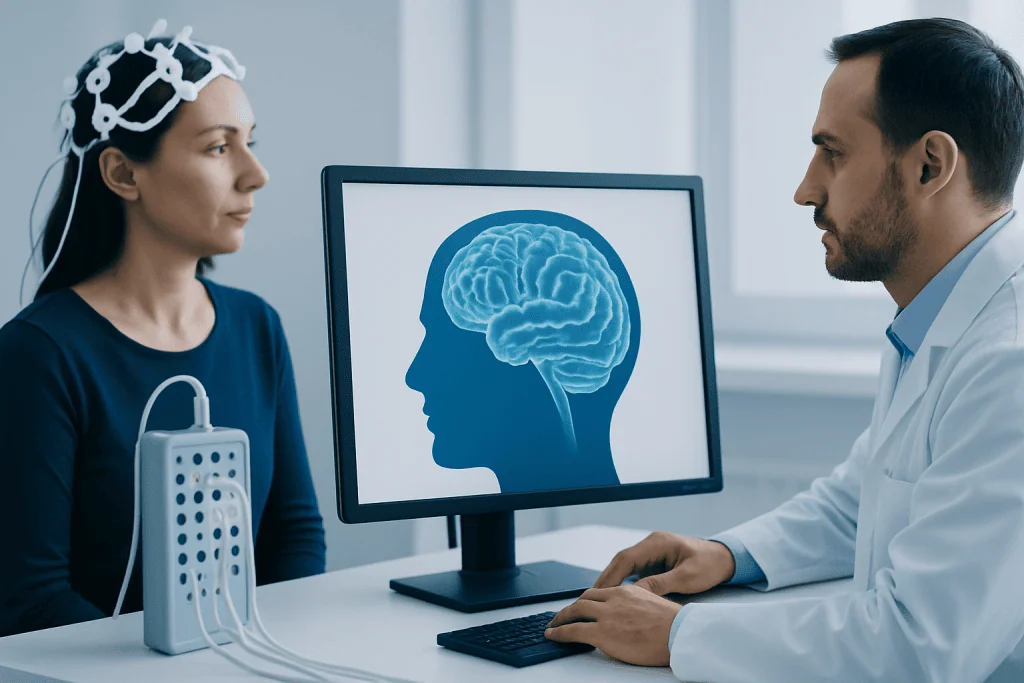
Brain-behavior assessment helps connect symptoms with possible changes in brain function. For example, two people may both say they have “memory problems,” but one may actually have difficulty with attention, while the other struggles with storing new information. Neuropsychological testing helps separate these patterns clearly, which can make treatment more accurate.
The findings often support diagnosis when symptoms overlap between different conditions. Trouble concentrating, mood changes, slowed thinking, and forgetfulness can occur in neurological illness, sleep problems, depression, anxiety, medication effects, or normal aging. A detailed evaluation helps the care team understand what is most likely contributing to the symptoms and what should be addressed first.
Assessment results also guide practical care. They can help with rehabilitation planning, return-to-work decisions, school support, driving recommendations, and family education. Many patients find it reassuring to receive a clear explanation of what is happening, why daily tasks may feel harder, and which strategies may improve functioning.
Who may need a neuropsychological evaluation

A doctor may suggest neuropsychology when there are concerns about memory, attention, language, decision-making, emotional regulation, or changes in personality and behavior. Sometimes the symptoms begin suddenly, such as after a head injury or stroke. In other cases, they develop gradually over time, as in neurodegenerative disorders or chronic neurological disease.
Common reasons for referral include suspected dementia, recovery after concussion or traumatic brain injury, epilepsy, learning or developmental concerns, and planning before or after brain surgery. Neuropsychology can also be helpful when imaging does not fully explain the patient’s symptoms, or when several possible causes need to be sorted out carefully.
Examples of conditions in which neuropsychology may play an important role include stroke, traumatic brain injury, epilepsy, and Alzheimer’s disease. It may also support care for people living with brain tumors, infections affecting the nervous system, autoimmune conditions, or long-term effects of medical treatment.
- New or worsening forgetfulness
- Difficulty focusing or multitasking
- Word-finding or communication problems
- Behavior or personality changes
- Concerns about work, school, or independent living
What happens during the assessment
A neuropsychological evaluation usually begins with a conversation about the patient’s medical history, symptoms, education, daily functioning, and emotional well-being. Family input may be helpful, especially if there have been noticeable changes over time. The clinician may also review brain imaging, neurological examinations, and other medical records to place the test findings in context.
The testing portion involves paper-and-pencil tasks, spoken questions, and sometimes computer-based measures. These tasks are designed to assess different brain functions, such as attention, memory, language, reasoning, visual-spatial skills, and executive function, which includes planning, organization, and self-monitoring. The tests are standardized, meaning the patient’s performance can be compared with expected ranges for age and background.
The process is not painful and is not the same as an intelligence test alone. Some tasks may feel easy, while others are more challenging by design. This is normal and helps the neuropsychologist build a detailed profile. Depending on the reason for referral, patients may also have related neurological work-up such as a neurology consultation or brain MRI to help complete the overall picture.
After testing, the neuropsychologist interprets the results and prepares a report. This report usually explains patterns of strengths and weaknesses, possible diagnoses or contributing factors, and recommendations for treatment, rehabilitation, school or workplace adjustments, and daily coping strategies.
How results are used in diagnosis and treatment planning
Neuropsychological results are most useful when combined with other parts of medical care. A patient’s symptoms, neurological exam, imaging, laboratory findings, and mental health history all matter. The assessment adds a functional view by showing how a condition affects real-world abilities such as remembering appointments, following instructions, organizing tasks, or managing finances.
In some situations, the results help detect a pattern that suggests a particular disorder. In others, they show that thinking difficulties may be related more to mood, sleep, fatigue, pain, or medication side effects than to progressive brain disease. This can help prevent unnecessary worry while still ensuring that concerns are taken seriously and followed appropriately.
The treatment plan may include cognitive rehabilitation, speech and language therapy, occupational therapy, medication review, psychotherapy, educational support, or regular follow-up testing. For selected patients, care may involve cognitive rehabilitation to strengthen daily functioning or compensation strategies. If surgery is being considered for conditions such as epilepsy or tumors, neuropsychological testing may also help with pre-operative planning and later recovery monitoring.
Preparing for an evaluation and supporting recovery
Preparation for neuropsychological testing is usually straightforward. Patients are often advised to get a good night’s sleep, eat as usual unless told otherwise, and take regular medications unless their doctor gives different instructions. Bringing glasses, hearing aids, medication lists, and previous medical records can make the visit smoother and improve the accuracy of testing.
It is helpful to remember that the goal is to understand a patient’s current functioning, not to “pass” or “fail.” Honest effort is important, but patients do not need to study beforehand. If there are issues such as anxiety, language needs, fatigue, pain, or limited vision or hearing, these should be mentioned so the team can adapt the session as much as possible.
After the assessment, recovery and support often focus on practical adjustments. These may include memory aids, written routines, reducing distractions, pacing tasks, taking rest breaks, or using family support for complex decisions. The most effective plan is usually individualized, based on both the patient’s challenges and their preserved strengths.
- Use calendars, reminders, and notebooks consistently
- Break complex tasks into smaller steps
- Maintain regular sleep, exercise, and social routines
- Review medications with a qualified doctor if thinking changes have appeared
- Attend follow-up appointments to monitor changes over time
When to seek medical advice
Medical advice should be sought if there are noticeable changes in memory, language, attention, judgment, personality, or daily functioning. This is especially important when symptoms are new, worsening, or affecting safety at home, school, work, or driving. Early assessment can help identify treatable causes and improve planning.
Urgent care is needed if cognitive or behavioral changes happen suddenly, especially with weakness, numbness, severe headache, confusion, seizures, or trouble speaking. These symptoms may signal a medical emergency and should not be explained away as stress or fatigue. Prompt evaluation can be critical.
For ongoing or complex symptoms, multidisciplinary assessment is often helpful. In experienced centers, neuropsychologists work alongside neurologists, psychiatrists, rehabilitation specialists, and imaging teams. Acibadem International’s multidisciplinary specialists and JCI-accredited hospitals evaluate and treat international patients who need comprehensive neuropsychological and neurological care, including support related to brain tumor treatment when appropriate.
Frequently asked questions
What is the difference between neurology and neuropsychology?
Neurology is a medical specialty that diagnoses and treats disorders of the brain, spinal cord, and nerves. Neuropsychology focuses on how these conditions affect thinking, memory, emotions, and behavior through detailed assessment and functional recommendations. The two fields often work closely together.
Does neuropsychological testing diagnose dementia?
Neuropsychological testing can provide important evidence that supports or argues against dementia, but it is usually only one part of the diagnosis. Doctors also consider history, physical and neurological examination, imaging, lab tests, and changes in daily function. The test results help show the pattern and severity of cognitive changes.
How long does a neuropsychological evaluation take?
The length varies depending on the reason for referral and the number of areas being assessed. Some evaluations take a few hours, while more detailed assessments may be spread across a longer session or more than one visit. The team will usually explain the expected timeline in advance.
Is a neuropsychological assessment painful or invasive?
No. The assessment typically involves interviews, question-based tasks, and structured paper, spoken, or computer tests. It does not involve surgery or painful procedures.
Can anxiety or depression affect the test results?
Yes, mood symptoms can influence attention, speed, motivation, and memory performance. That is one reason the evaluation includes questions about emotional health as well as thinking skills. A trained neuropsychologist interprets results in the context of the whole person, not the test score alone.
Should a family member come to the appointment?
In many cases, yes, especially if the patient has memory concerns or changes that others have noticed. A family member can help provide examples of daily difficulties and time course of symptoms. However, the specific arrangement depends on the patient’s wishes and the clinic’s process.
References
- World Health Organization
- American Psychological Association
- National Institute of Neurological Disorders and Stroke
- Alzheimer's Association
- Centers for Disease Control and Prevention
This article is for general information only and is not a substitute for professional medical advice. Please consult a qualified doctor about your individual situation.
Neuropsychology in Turkey — costs, top hospitals & a free quote
JCI-accredited · board-certified surgeons · reply within 24h
Add us as a Preferred Source to see more of our trusted health content across Google Search, AI Overviews and Discover.

More from the Health Library



Related Specialists

Assoc. Prof. Dr. Bahar Temur
Cardiovascular Surgery
Dr. Alper Tunga Özbek
Pediatrics
Dr. Mustafa Mutlu
Inpatient Clinic Physicians Clinical Service
Dr. Yalçin Ünlü
Internal Medicine