What Is Oncology? Cancer Care Roles, Types, and Treatment Planning
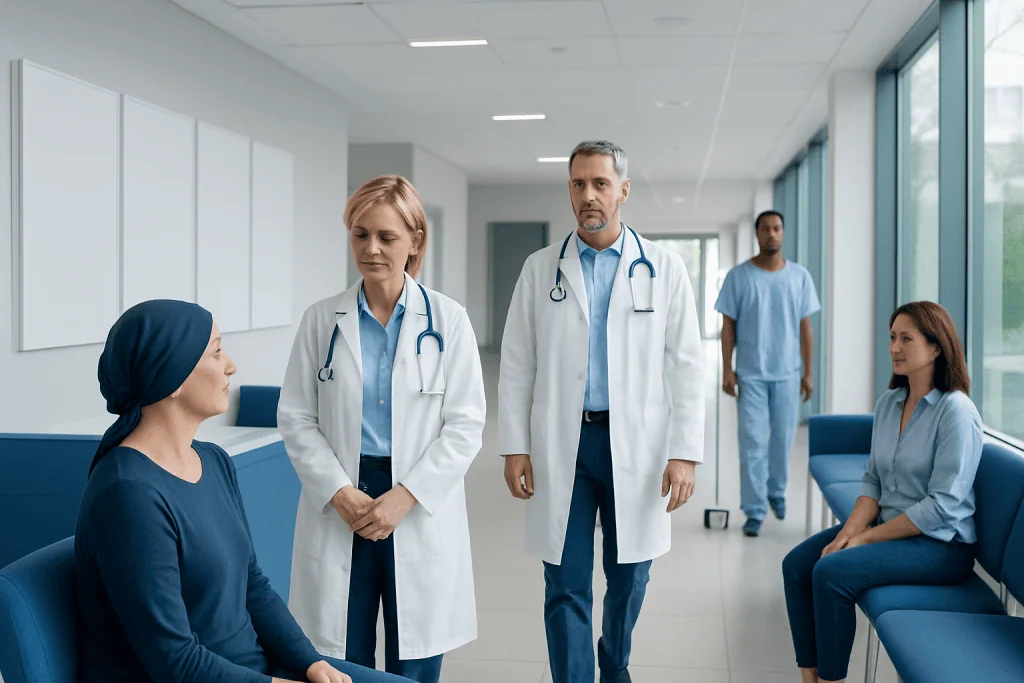
Oncology is the medical specialty focused on cancer care from diagnosis through follow-up. Cancer treatment is often planned by a multidisciplinary team that may include medical, surgical, and radiation oncologists.
Key Takeaways
- Oncology is the medical specialty focused on cancer care from diagnosis through follow-up.
- Cancer treatment is often planned by a multidisciplinary team that may include medical, surgical, and radiation oncologists.
- Treatment plans are personalized and may involve one or several approaches, such as surgery, medicines, and radiation therapy.
- Tests such as imaging, biopsy, and pathology reports help guide diagnosis and staging.
- Supportive care, symptom management, nutrition, and emotional support are important parts of oncology care.
- Early evaluation and regular follow-up can help improve coordination of treatment and recovery.
Oncology is the branch of medicine dedicated to preventing, diagnosing, treating, and monitoring cancer. It brings together different specialists who help patients understand their diagnosis and choose a treatment plan based on the type, stage, and goals of care.
Overview: what oncology means
Oncology is the area of medicine that focuses on cancer. It includes cancer prevention, screening, diagnosis, treatment, symptom management, rehabilitation, and long-term follow-up. In practice, oncology is not just about treating a tumor. It is also about understanding the patient’s overall health, explaining options clearly, and helping the person move through care in a structured and supported way.
Cancer can begin in almost any tissue in the body, so oncology covers many different diseases rather than one single condition. Some cancers grow slowly, while others need urgent treatment. Because of this, oncology care is highly individualized. Doctors consider the cancer type, where it started, whether it has spread, the patient’s age and general health, and the person’s treatment goals.
Modern oncology is usually team-based. Specialists review test results together and build a treatment plan that aims to control the disease, relieve symptoms, and maintain quality of life. For some people, treatment is intended to cure cancer. For others, the goal may be to shrink the cancer, slow its growth, reduce symptoms, or help the person live as fully and comfortably as possible.
Who works in oncology care?
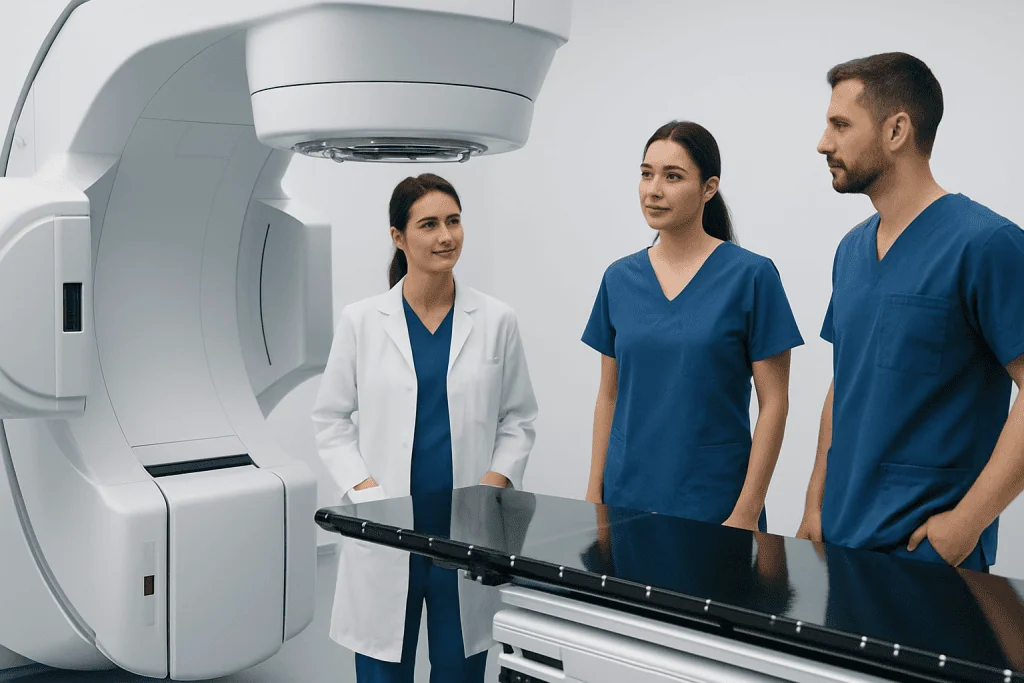
Oncology care often involves several healthcare professionals, each with a different role. The three main physician specialties are medical oncology, surgical oncology, and radiation oncology. A medical oncologist manages cancer medicines such as chemotherapy, immunotherapy, targeted therapy, hormone therapy, or other systemic treatments. A surgical oncologist performs operations to remove tumors or obtain tissue for diagnosis. A radiation oncologist plans and delivers radiation therapy to destroy cancer cells or relieve symptoms.
Many other specialists may also be part of care. Pathologists examine biopsy samples under a microscope and confirm the diagnosis. Radiologists interpret scans such as CT, MRI, mammography, ultrasound, or PET studies. Hematologists may help when cancers affect the blood, bone marrow, or lymphatic system, such as leukemia or lymphoma. Oncology nurses, pharmacists, nutrition specialists, psychologists, physiotherapists, palliative care clinicians, and social workers also play important roles.
Multidisciplinary meetings, sometimes called tumor boards, are common in oncology. During these discussions, specialists review imaging, pathology, stage, and treatment options together. This team approach helps make sure that decisions are well-informed and balanced, especially for cancers that may be treated in more than one way.
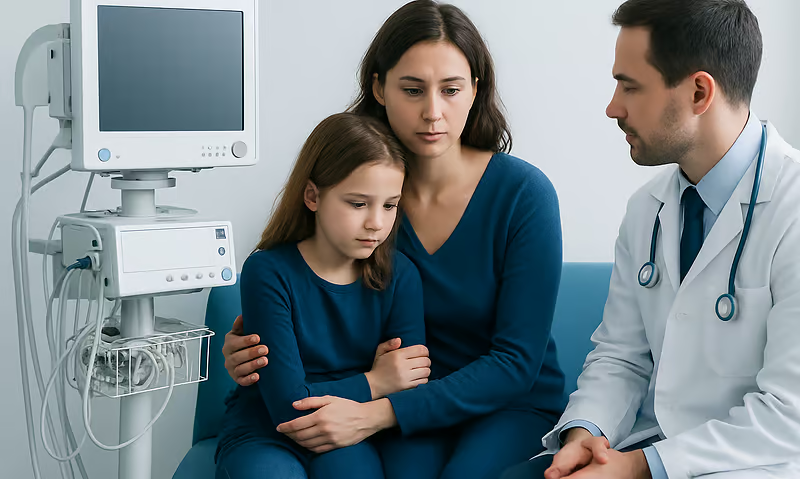
Patients and families are also central members of the care team. Shared decision-making is an important part of oncology. The care team explains the expected benefits, possible risks, and likely side effects of treatment so the patient can make choices that fit their values, daily life, and priorities.
Types of cancer and how oncology classifies them

Cancers are often classified by where they start in the body and by the type of cell they come from. Common broad groups include carcinomas, which arise from organs or glandular tissue; sarcomas, which begin in bone, muscle, fat, or connective tissue; leukemias, which affect blood-forming tissues; lymphomas, which involve the lymphatic system; and myelomas, which affect plasma cells. There are also cancers of the brain and nervous system and many site-specific cancers such as breast, lung, colon, prostate, and skin cancer.
Another important part of classification is staging. Stage describes how large the cancer is and whether it has spread to lymph nodes or other parts of the body. In many solid tumors, earlier stages are more localized, while advanced stages may involve spread beyond the original site. Grade is different from stage. It describes how abnormal the cancer cells look under the microscope and may provide clues about how quickly the cancer could grow.
Biology matters as much as location. Many cancers are now tested for biomarkers, receptors, or gene changes that can influence treatment selection. For example, some tumors respond to hormone-blocking treatment, while others may be candidates for targeted therapy or immunotherapy. This is one reason cancer care has become more personalized over time.
Even within the same organ, cancers can behave differently. For instance, breast cancer includes several subtypes with different treatment pathways. Understanding the exact diagnosis helps the oncology team choose the most appropriate sequence of treatment and follow-up.
How diagnosis and treatment planning work
The oncology process usually begins when symptoms, a screening test, or an imaging study suggests a possible cancer. Diagnosis often requires a biopsy, which means taking a sample of tissue or cells so a pathologist can examine it. Blood tests and imaging scans may also be used to understand the extent of disease. In some cases, additional molecular or genetic tests are requested to learn more about the tumor’s behavior.
Once cancer is confirmed, the team performs staging and reviews the pathology findings. Treatment planning is based on several factors, including the cancer type and stage, the expected pace of the disease, the patient’s current health, and the likely benefits and risks of each option. In many situations, more than one treatment is used, either at the same time or in sequence.
Treatment may be given before surgery to shrink a tumor, after surgery to lower the risk of recurrence, or as the main treatment if surgery is not the best option. Plans may include chemotherapy, radiotherapy, surgery, hormone therapy, targeted drugs, immunotherapy, or supportive treatments. Supportive care is not separate from cancer care; it is integrated throughout treatment to help manage pain, fatigue, nausea, appetite changes, sleep problems, and emotional stress.
Patients are encouraged to ask practical questions during planning. These may include what the main goal of treatment is, how treatment may affect everyday life, which side effects are common, how long treatment is expected to last, and what signs should prompt urgent medical advice. Clear communication can make a difficult period feel more manageable.
Main treatment approaches in oncology
Oncology treatment often combines local and systemic therapies. Local treatments act on a specific area of the body. Surgery removes a tumor and may also sample lymph nodes to check whether cancer has spread. Radiation therapy targets a defined area and can be used to cure some cancers, reduce the chance of recurrence after surgery, or ease symptoms such as pain or bleeding.
Systemic treatments travel through the body and may reach cancer cells beyond the original tumor. These include chemotherapy, hormone therapy, targeted therapy, immunotherapy, and some newer biological treatments. The choice depends on the cancer’s biology and stage. Some cancers respond very well to medicine alone, while others are best managed with a combination of treatments.
For certain cancers, advanced procedures may be used when clinically appropriate. These can include bone marrow transplant for selected blood cancers or complex surgery for tumors in specific organs. Clinical trials may also be an option for some patients, offering access to carefully studied treatments while contributing to medical knowledge.
Supportive and palliative care are valuable at every stage of oncology, not only at the end of life. They focus on symptom control, emotional wellbeing, nutrition, and daily functioning. Good symptom management can help patients tolerate treatment better and maintain quality of life during and after therapy.
Prevention, screening, and life after treatment
Not all cancers can be prevented, but some risks can be reduced. Avoiding tobacco, limiting alcohol, maintaining a healthy weight, staying physically active, protecting the skin from excessive sun exposure, and following vaccination recommendations can all support cancer prevention. Screening is also important because some cancers can be found early, before symptoms develop, when treatment may be simpler and more effective.
Recommended screening depends on age, sex, family history, and personal risk factors. Examples may include cervical screening, mammography, colon cancer screening, or other tests based on national guidance. A doctor can help decide which screening schedule is appropriate for the individual.
After treatment, follow-up care remains a key part of oncology. Follow-up appointments may include physical examinations, blood tests, imaging, or symptom review. The purpose is to monitor recovery, check for recurrence when appropriate, and address long-term or late effects such as fatigue, nerve symptoms, hormone changes, fertility concerns, or emotional distress.
Many people need time to regain strength after cancer treatment. A balanced diet, gentle physical activity as advised, rest, and gradual return to normal routines can all help recovery. If concerns about work, fertility, sexual health, mental wellbeing, or rehabilitation arise, the oncology team can guide patients to the right support services.
When to see a doctor and getting specialized care
A person should see a doctor if they have symptoms that are persistent, unexplained, or worsening. Depending on the situation, these may include an unusual lump, unexplained bleeding, a lasting cough, difficulty swallowing, ongoing change in bowel or bladder habits, significant unintentional weight loss, or unusual fatigue. These symptoms do not always mean cancer, but they should be assessed if they continue or cause concern.
Medical attention is also important when there is an abnormal screening result or a strong family history of cancer. Some people may benefit from genetic counseling or a more personalized screening plan. Prompt evaluation can help clarify the cause and, if needed, start the next steps without unnecessary delay.
Specialized oncology centers can be helpful when treatment is complex or when more than one specialty is involved. Acibadem International’s multidisciplinary specialists in JCI-accredited hospitals diagnose and treat cancer for international patients, with coordinated care across areas such as cancer treatment and supportive services.
Patients should feel comfortable asking for explanations, second opinions when needed, and clear guidance about the next step. Oncology can feel overwhelming at first, but a structured plan and a supportive team can help people move forward with better understanding and confidence.
Frequently asked questions
What does an oncologist do?
An oncologist is a doctor who specializes in cancer care. Depending on the specialty, they may treat cancer with medicines, surgery, or radiation, and they also help coordinate diagnosis, follow-up, and symptom management.
What are the main types of oncology?
The three main types are medical oncology, surgical oncology, and radiation oncology. Medical oncology focuses on cancer medicines, surgical oncology on operations, and radiation oncology on radiation treatment.
Is oncology only for people who already have cancer?
No. Oncology also includes cancer prevention, screening, risk assessment, genetic counseling in some cases, and follow-up after treatment. People may be referred to oncology because of an abnormal test, a suspicious scan, or a family history that needs further evaluation.
How is a cancer treatment plan decided?
A treatment plan is based on the cancer type, stage, pathology results, and the patient’s overall health and preferences. In many cases, a multidisciplinary team reviews the case so different specialists can agree on the most appropriate approach.
Can more than one cancer treatment be used together?
Yes. Many cancers are treated with a combination of therapies, such as surgery followed by chemotherapy or radiation. Some treatments are given before surgery to shrink a tumor, while others are used after treatment to reduce the chance of cancer returning.
What is the difference between cure, control, and palliative care in oncology?
Curative treatment aims to remove or eliminate the cancer completely when possible. Disease control aims to slow growth, shrink tumors, or keep cancer stable, while palliative care focuses on relieving symptoms and supporting quality of life at any stage of illness.
References
- World Health Organization
- National Cancer Institute
- American Society of Clinical Oncology
- National Comprehensive Cancer Network
- Centers for Disease Control and Prevention
This article is for general information only and is not a substitute for professional medical advice. Please consult a qualified doctor about your individual situation.
Oncology care in Turkey — second opinion and treatment plan
JCI-accredited · board-certified surgeons · reply within 24h
Add us as a Preferred Source to see more of our trusted health content across Google Search, AI Overviews and Discover.

Medical Oncology Department
Medical treatment of cancer with chemotherapy, immunotherapy and targeted therapies under a multidisciplinary tumor board.
60 specialists in this unit