What Is Pediatrics? A Parent-Friendly Guide

Pediatrics focuses on the physical, emotional, and developmental health of children from birth through adolescence. Pediatricians provide preventive care such as checkups, vaccinations, growth monitoring, and health guidance.
Key Takeaways
- Pediatrics focuses on the physical, emotional, and developmental health of children from birth through adolescence.
- Pediatricians provide preventive care such as checkups, vaccinations, growth monitoring, and health guidance.
- Children are not simply small adults; they have unique medical, developmental, and communication needs.
- Pediatric care may involve specialists when a child has complex, chronic, or age-specific health concerns.
- Regular pediatric visits can help detect problems early and support healthy development.
- Parents should seek medical advice when symptoms are severe, persistent, or unusual for the child.
Pediatrics is the area of medicine dedicated to the health and well-being of infants, children, and adolescents. It includes preventive care, monitoring growth and development, diagnosing illnesses, and supporting families through every stage of childhood.
Overview: What Pediatrics Means
Pediatrics is the branch of medicine that cares for infants, children, and adolescents. It focuses not only on treating illness, but also on helping children grow, develop, and stay healthy. Pediatric care begins at birth and usually continues through the teenage years, with the exact age range sometimes varying by healthcare system and individual needs.
A pediatrician is a doctor trained to understand how children’s bodies, minds, and behaviors change over time. This is important because children have different health needs from adults. Their immune systems are still developing, symptoms may appear differently, and treatment decisions often depend on age, size, developmental stage, and family circumstances.
Pediatrics includes routine checkups, vaccinations, treatment of common childhood illnesses, management of long-term conditions, and support for emotional and developmental well-being. It also involves educating parents and caregivers so they can make informed decisions about nutrition, sleep, safety, and everyday health concerns.
What Pediatricians Do
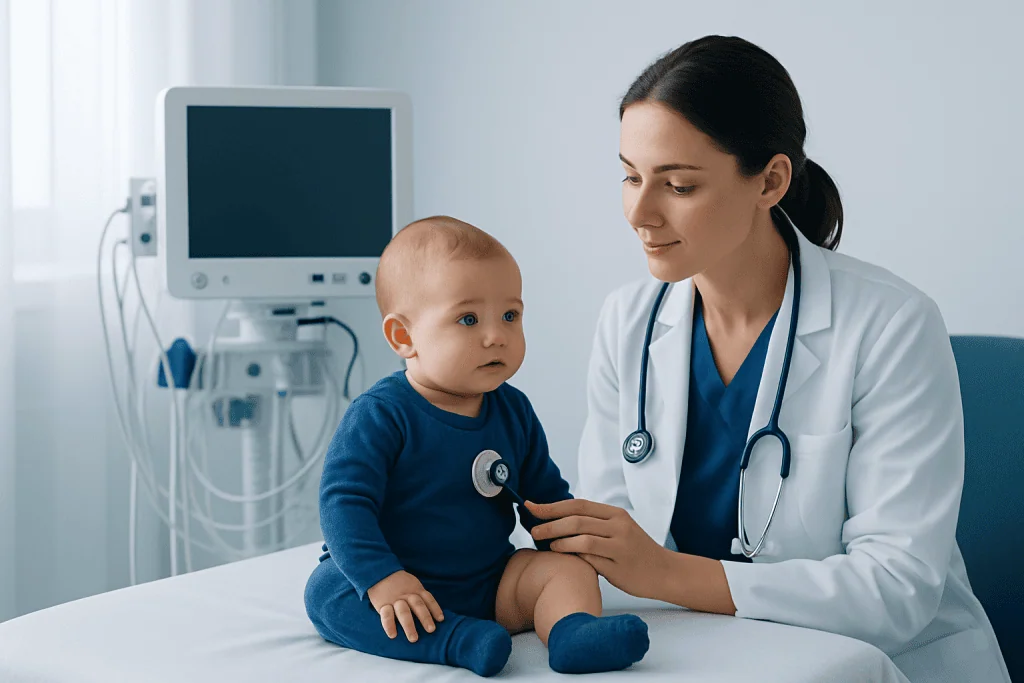
Pediatricians provide a wide range of care. One of their most important roles is preventive medicine, which means helping prevent disease before it starts. This includes scheduled well-child visits, screening tests, developmental assessments, and immunizations. During these visits, the doctor may also discuss feeding, sleep, toilet training, school readiness, physical activity, and safety at home.
When a child becomes unwell, a pediatrician evaluates symptoms, examines the child, and recommends treatment or further testing if needed. Common reasons for visits include fever, cough, ear pain, stomach complaints, rashes, minor injuries, and concerns about behavior or growth. Pediatricians also guide families on when symptoms can be monitored at home and when urgent care is necessary.
Pediatricians often help manage chronic conditions such as asthma, allergies, eczema, diabetes, and developmental disorders. If a child needs more specialized care, the pediatrician may coordinate with other experts, such as pediatric cardiologists, neurologists, surgeons, or mental health professionals. This team-based approach can be especially helpful for complex conditions like autism or ADHD.
Why Children Need Specialized Medical Care
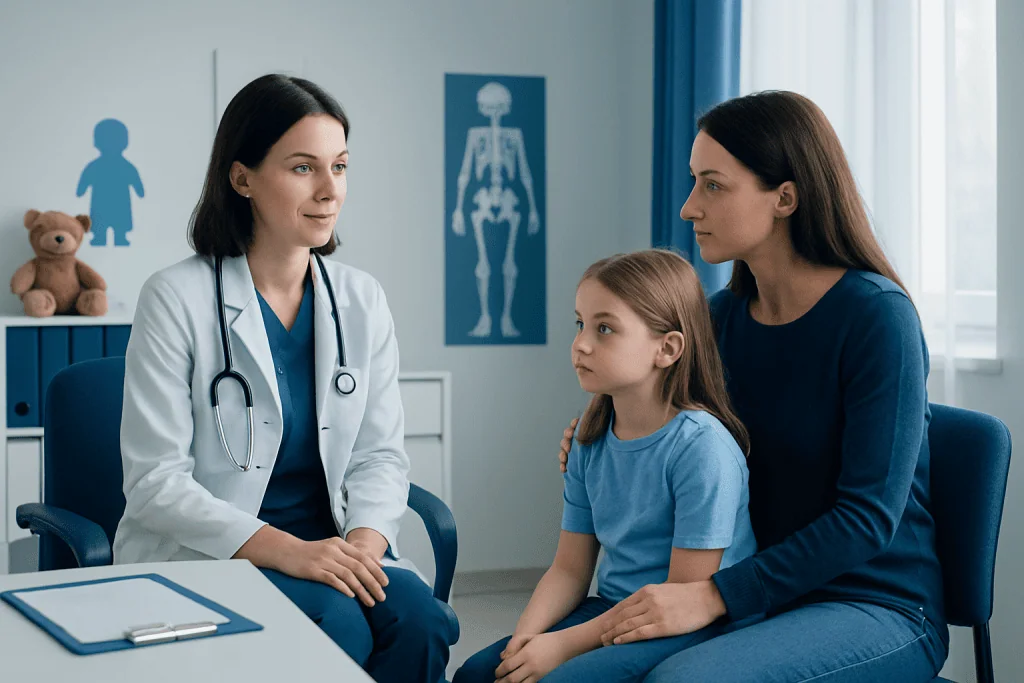
Children are constantly changing, and those changes affect their healthcare. A newborn, a school-age child, and a teenager can all have very different symptoms, communication styles, and treatment needs. Pediatric medicine is designed around these differences, allowing doctors to assess health concerns in a way that is age-appropriate and child-centered.
Another reason specialized care matters is that growth and development are central to a child’s health. A pediatrician looks beyond a single symptom and considers whether the child is reaching expected milestones in movement, language, learning, and social interaction. Early identification of delays or concerns can make support and treatment more effective.
Children may also have difficulty describing what they feel. Pediatricians are trained to observe behavior, ask developmentally appropriate questions, and work closely with caregivers. Their approach often includes reassurance, explanation, and gentle examination techniques that help children feel safer during medical visits.
In addition, some diseases and disorders are more common or appear differently in childhood. Conditions such as recurrent ear infections, congenital heart problems, childhood asthma, and certain infections require expertise in pediatric diagnosis and care. When needed, tests such as pediatric check-up assessments or allergy testing can help guide management.
Common Areas Within Pediatrics
Pediatrics is a broad field with many subspecialties. General pediatrics covers routine and everyday health needs, while pediatric subspecialists focus on particular body systems or conditions. Examples include pediatric cardiology, pediatric endocrinology, pediatric gastroenterology, pediatric neurology, pediatric pulmonology, and neonatology for newborns who need special care.
Developmental and behavioral pediatrics supports children with learning, attention, communication, or social challenges. Adolescent medicine addresses the physical and emotional health needs of teenagers, including puberty, mental health, nutrition, and lifestyle habits. Some children may also need pediatric surgery, pediatric rehabilitation, or genetics services.
Many families also meet pediatric professionals outside a doctor’s office, such as nurses, dietitians, psychologists, speech therapists, and physiotherapists. These professionals can work together to support a child’s overall well-being. For children who need more detailed assessment of growth or hormones, a doctor may consider pediatric endocrinology evaluation.
The goal across all these areas is the same: to provide care that fits the child’s age, development, symptoms, and long-term needs. Good pediatric care supports not only treatment, but also healthy transitions through infancy, childhood, and adolescence.
Routine Pediatric Visits and Screening
Regular pediatric visits are an important part of children’s healthcare, even when a child seems well. These appointments help track height, weight, head growth in infants, developmental progress, hearing, vision, and general health. They also create opportunities for parents to ask questions about feeding, sleep, behavior, school, or emotional changes.
Screening is used to look for health concerns before they become more noticeable. Depending on the child’s age and needs, this may include checks for anemia, hearing problems, vision changes, developmental delays, autism spectrum features, blood pressure issues, or obesity-related concerns. Early screening can help identify conditions that benefit from prompt support.
Vaccination is another major part of routine pediatric care. Immunization schedules are designed to protect children from serious infectious diseases at the times they are most vulnerable. Parents with concerns about timing, side effects, or missed vaccines should discuss them with a qualified pediatrician rather than relying on informal sources.
Routine visits also strengthen the relationship between families and the care team. This continuity can make it easier to recognize changes over time and can help children become more comfortable with healthcare settings. In some cases, additional tests such as genetic testing may be recommended if there is a family history or a developmental concern.
When a Child May Need Extra Attention
Many childhood illnesses are mild and improve with rest, fluids, and simple supportive care. However, some symptoms deserve closer medical attention. Parents should contact a healthcare professional if a child has trouble breathing, signs of dehydration, persistent high fever, unusual sleepiness, seizures, severe pain, repeated vomiting, a spreading rash, or symptoms that worsen instead of improving.
It is also wise to seek advice when there are concerns about growth, feeding, speech, motor skills, behavior, learning, or social interaction. These issues do not always mean something serious is wrong, but they can benefit from assessment. Early support may improve outcomes and reduce stress for both the child and family.
For children with chronic conditions, follow-up care is especially important. Regular monitoring can help adjust treatment plans, prevent complications, and support everyday activities such as school, sports, and sleep. Pediatric care often involves close communication with parents, teachers, and specialists when needed.
If a child needs advanced evaluation or multidisciplinary treatment, experienced pediatric centers can coordinate care across specialties. Acibadem International’s multidisciplinary specialists and JCI-accredited hospitals diagnose and treat pediatric conditions for international patients, with care tailored to each child’s age and needs.
How Parents Can Support Children’s Health
Parents and caregivers play a central role in pediatric health. Everyday habits such as balanced nutrition, regular physical activity, enough sleep, good hygiene, and routine medical visits can strongly influence a child’s well-being. Creating a safe, supportive home environment also helps children thrive physically and emotionally.
It can be helpful for families to keep a simple record of vaccinations, allergies, medications, major illnesses, and any questions for future appointments. This makes doctor visits more productive and can improve continuity of care. Honest communication about symptoms, routines, and concerns gives the pediatrician a clearer picture of the child’s health.
Parents should also trust their instincts. If a child seems very different from usual, or if a concern keeps returning, it is reasonable to ask for medical advice. Pediatric care works best when families and healthcare professionals work together with a shared focus on the child’s long-term health and development.
Just as importantly, children benefit when healthcare experiences feel calm and supportive. Explaining appointments in simple language, bringing comfort items, and praising cooperation can reduce fear and build confidence over time.
Frequently asked questions
What age group does pediatrics cover?
Pediatrics generally covers care from birth through adolescence. In some settings, pediatricians may continue seeing young adults for certain ongoing conditions, but the main focus is infants, children, and teenagers.
What is the difference between a pediatrician and a family doctor?
A pediatrician specializes in the health of children and adolescents, including growth, development, and childhood diseases. A family doctor cares for patients of all ages, from children to older adults, and may provide broader general care for the whole family.
How often should a child see a pediatrician?
Children usually need regular well-child visits that are more frequent in infancy and early childhood, then continue at routine intervals as they grow. Extra visits may be needed if the child is ill, has a chronic condition, or has developmental or behavioral concerns.
Why are routine pediatric checkups important if a child seems healthy?
Routine visits help monitor growth, development, hearing, vision, and overall well-being. They also allow for vaccinations, screening tests, and early identification of problems that may not yet be obvious at home.
When should parents worry about a fever?
A fever is common in children and often happens with minor infections, but the child’s age, symptoms, and overall condition matter. Parents should seek medical advice for very young infants with fever, breathing difficulty, dehydration, unusual drowsiness, seizures, or symptoms that are severe or getting worse.
Can a pediatrician help with behavior, learning, or emotional concerns?
Yes. Pediatricians often assess concerns related to sleep, attention, school performance, behavior, mood, and development. They may provide guidance directly or refer the child to specialists such as psychologists, developmental pediatricians, or speech and occupational therapists.
References
- American Academy of Pediatrics
- World Health Organization
- Centers for Disease Control and Prevention
- UNICEF
- National Institute of Child Health and Human Development
This article is for general information only and is not a substitute for professional medical advice. Please consult a qualified doctor about your individual situation.
Explore treatments in Turkey — costs, top hospitals & a free quote
JCI-accredited · board-certified surgeons · reply within 24h
Add us as a Preferred Source to see more of our trusted health content across Google Search, AI Overviews and Discover.

Pediatrics
Complete healthcare for infants, children and adolescents across all sub-specialties.
232 specialists in this unit