What Is Tapping Therapy: How It Works, Results and What to Expect

Tapping therapy is a self-regulation technique that pairs focused attention, spoken phrases and light tapping on specific body points. It is commonly used to support stress management, anxiety symptoms and emotional coping, although research quality and results are mixed.
Key Takeaways
- Tapping therapy is a self-regulation technique that pairs focused attention, spoken phrases and light tapping on specific body points.
- It is commonly used to support stress management, anxiety symptoms and emotional coping, although research quality and results are mixed.
- A session usually involves identifying a concern, rating its intensity, using a setup statement, tapping through points and reassessing feelings.
- There is no single correct frequency; brief, regular practice may suit some people, while persistent symptoms need clinical support.
- Tapping is generally low risk, but it can bring up difficult emotions and is not a substitute for emergency or evidence-based mental health treatment.
Tapping therapy, often called Emotional Freedom Techniques (EFT), combines gentle fingertip tapping on selected points of the face and upper body with attention to a stressful feeling or thought. Some people find it calming and useful alongside established mental health care, but the strength of evidence varies by condition and it should not replace professional assessment or treatment.
What Is Tapping Therapy?
Tapping therapy is a mind-body practice in which a person lightly taps with their fingertips on selected points on the face, head and upper body while focusing on an emotion, memory, physical sensation or stressful thought. The best-known form is Emotional Freedom Techniques (EFT), often called EFT tapping. It combines elements of exposure-based psychological approaches, such as bringing a specific concern to mind, with calming attention and repeated tapping.
People may use tapping to manage everyday stress, worry, upsetting thoughts, cravings or emotional discomfort. It is sometimes described as an acupressure-based technique because the tapping points overlap with points used in traditional acupuncture, but tapping does not use needles. Proposed explanations include relaxation, focused attention, self-compassion, and gradual reduction in emotional reactivity; proposed energy-based explanations have not been established by conventional medical research.
Tapping may be a helpful complementary coping tool for some people. However, it should not be viewed as a stand-alone cure for anxiety disorders, depression, trauma-related conditions, chronic pain or other health concerns. A qualified clinician can help determine whether symptoms need structured psychological therapy, medical care or both.
How Tapping Therapy Works
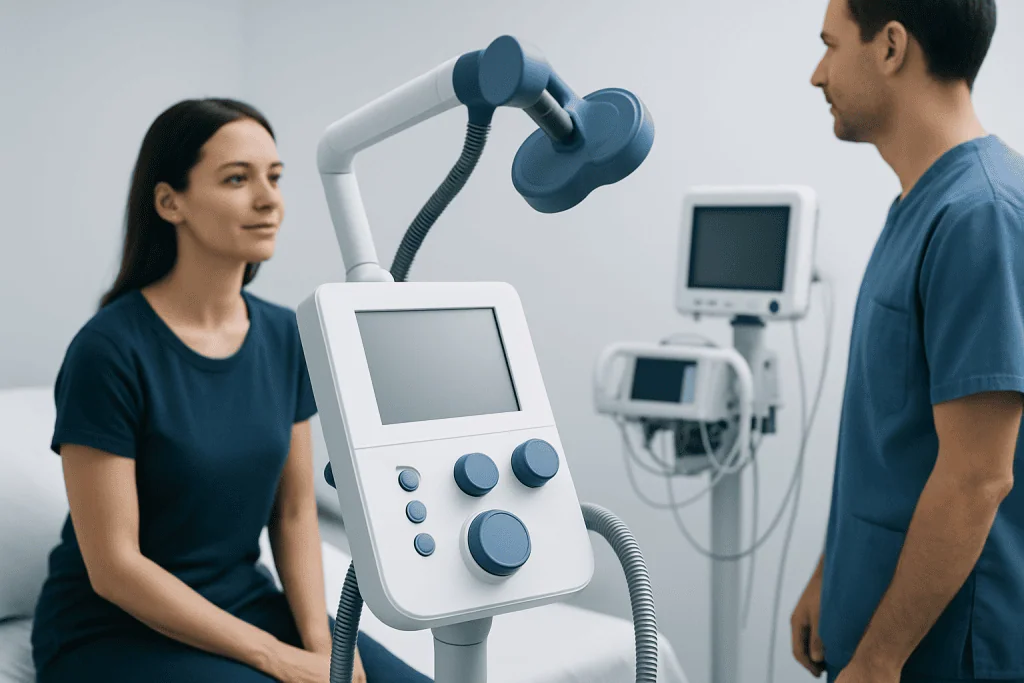
During tapping, a person identifies one manageable issue and notices how strongly it feels in the moment. They then repeat a short, accepting statement while tapping the side of the hand, followed by a sequence of points such as the eyebrow, side of the eye, under the eye, under the nose, chin, collarbone and under the arm. The person continues to bring attention back to the concern while using supportive words.
From a psychological perspective, this structure may help people approach rather than avoid a distressing feeling, while the repetitive movement and slower breathing can support a sense of calm. Naming an emotion can also make it easier to understand and discuss. These potential mechanisms are still being studied, and not everyone experiences the same response.
Research on EFT has reported possible short-term improvements in self-reported anxiety, stress and some trauma-related symptoms in certain settings. At the same time, studies differ in quality, participant groups and comparison treatments. Established therapies, including cognitive behavioral therapy and trauma-focused therapy where appropriate, remain important evidence-based options for clinically significant symptoms.
Who May Consider Tapping Therapy

Tapping can be considered by adults or adolescents who would like a simple, non-drug technique to complement healthy stress-management habits. It may be useful before a stressful event, during a period of mild worry, or as part of a regular routine that also includes sleep, movement, social support and relaxation practices. It can be practiced independently after learning the basics, or with a trained mental health professional.
It is particularly important to seek professional guidance before using tapping to work with traumatic memories, grief, severe panic, obsessive thoughts, eating difficulties, substance use or long-standing emotional distress. Directing attention toward a painful experience can intensify emotions temporarily. A therapist can pace the work safely and provide appropriate support.
Tapping is not a replacement for evaluation of new physical symptoms. For example, chest pain, severe breathlessness, fainting, sudden weakness or thoughts of self-harm require urgent medical assessment rather than self-help techniques. People receiving mental health treatment should discuss complementary approaches openly with their clinician.
What Are the 5 Steps to Tapping?
There are several EFT formats, but a simple five-step approach can provide a practical introduction. First, identify one specific issue, such as “the tension I feel before my presentation,” rather than a broad problem such as “my whole life.” Second, rate the current intensity of the feeling on a personal scale from 0 to 10. This can help a person notice changes without expecting a particular result.
Third, create a brief setup statement that acknowledges the experience and offers self-acceptance. One example is: “Even though I feel tense about this presentation, I am open to feeling a little calmer.” While saying it, the person gently taps the fleshy outer edge of one hand. Fourth, tap each point in a sequence while repeating a short reminder phrase, such as “this presentation tension.”
Fifth, pause, take a slow breath and rate the intensity again. If the feeling remains, the person can repeat a round using words that fit the current experience. They should stop if they feel overwhelmed, numb, dissociated or significantly more distressed, and seek support from a qualified mental health professional when needed.
- Use gentle pressure; tapping should not cause pain or skin irritation.
- Keep the focus narrow and present-centered, especially when practicing alone.
- Choose realistic language rather than forcing positive statements that do not feel believable.
How Long Does It Take to See Results From Tapping?
Some people notice a temporary sense of calm after one short round of tapping, particularly when they are dealing with everyday stress. Others notice no immediate change, or find that results vary depending on sleep, stress level, the topic being addressed and the setting. A quick reduction in discomfort does not necessarily mean that an underlying condition has been resolved.
When tapping is used as part of ongoing support for anxiety or other emotional symptoms, it may take repeated practice over days or weeks to learn whether it is personally helpful. Meaningful progress is usually measured more broadly: improved daily functioning, less avoidance, more restful sleep and an increased ability to use healthy coping skills.
Persistent, worsening or disabling symptoms should not be managed by waiting for tapping to work. A doctor or mental health professional can assess possible contributing medical, psychological and social factors and discuss suitable treatment options.
How Many Times a Day Should You Do Tapping?
There is no medically established number of times a day that everyone should do tapping. For mild, everyday stress, some people choose one or two brief sessions or use it before a predictable challenge. Others use a single round when they notice tension building. More frequent practice is not automatically more effective.
A helpful approach is to keep sessions short, focused and responsive to how the person feels. If tapping becomes a way to avoid important conversations, daily tasks or professional treatment, it may not be serving its intended purpose. It should support coping, not become a source of pressure or a ritual that feels compulsory.
People working with a therapist should follow the agreed plan. A clinician may recommend additional skills, such as grounding exercises, breathing techniques, behavioral strategies or evidence-based psychotherapy, depending on the person’s symptoms and goals.
Does Tapping Therapy Really Work? Benefits, Limits and Risks
Tapping therapy may help some people feel calmer and more able to cope with mild stress or anxiety symptoms. Its advantages include being accessible, brief, noninvasive and easy to combine with other healthy routines. The repeated structure may also encourage people to pause, identify emotions and respond with greater self-awareness.
However, “works” can mean different things. Current research suggests potential benefits for some self-reported emotional symptoms, but evidence is not equally strong for every condition, and more rigorous studies are needed. Tapping should not be presented as proven to cure mental health disorders, trauma, pain conditions or medical illnesses.
The physical risks are usually low when tapping is gentle. The main concern is emotional discomfort, particularly if a person focuses on traumatic or highly distressing memories without support. It may also delay appropriate care if it is used instead of assessment, medication when indicated, or psychotherapy. A balanced care plan can include self-help practices while prioritizing treatments supported by a clinician.
When to Seek Medical Care
Medical or mental health care is appropriate when anxiety, low mood, panic, sleep problems or distressing thoughts persist, worsen, interfere with work, relationships or self-care, or lead to avoidance of normal activities. Professional support is especially important after trauma, during major life changes, or when symptoms occur alongside alcohol or drug misuse.
Urgent help is needed for thoughts of self-harm or suicide, a plan to harm oneself or someone else, severe confusion, hallucinations, inability to stay safe, or a sudden major change in behavior. In an emergency, the person should contact local emergency services or a crisis service immediately and avoid being alone if possible.
For patients seeking coordinated assessment, Acibadem International’s multidisciplinary specialists and JCI-accredited hospitals support international patients with mental and physical health needs. Tapping can be discussed as a complementary coping practice, while clinicians help develop an individualized, evidence-based care plan.
Frequently asked questions
Is tapping therapy the same as acupuncture?
No. Acupuncture involves inserting very thin needles into selected points and is provided by trained practitioners. Tapping uses fingertips to apply light pressure or repeated taps to points on the face and upper body, with no needles involved.
Can tapping therapy help with anxiety?
Some people report reduced feelings of stress or anxiety after tapping, and some research suggests possible benefits for self-reported symptoms. It is best considered a complementary coping strategy rather than a replacement for professional assessment or evidence-based treatment when anxiety is persistent or disruptive.
Can a person do tapping therapy alone?
Many people learn a simple tapping sequence and use it independently for mild, present-day stress. It is safer to work with a qualified mental health professional when the focus involves trauma, severe anxiety, intense grief or other overwhelming emotions.
What should someone say while tapping?
The words can be simple and specific to the current concern. A person may acknowledge the difficulty, such as “I feel nervous about tomorrow,” and add a realistic, compassionate phrase, such as “I am open to taking this one step at a time.”
Does tapping therapy have side effects?
Tapping itself is generally physically low risk when done gently. However, focusing on difficult thoughts or memories can temporarily increase sadness, anxiety or emotional intensity, so it is important to pause and seek professional support if distress becomes hard to manage.
Can tapping replace therapy or medication?
No. Tapping should not replace psychotherapy, prescribed medication or medical care for a diagnosed condition. A person can discuss it with their doctor or therapist as one possible addition to a broader treatment plan.
References
- American Psychological Association
- National Institute of Mental Health
- National Center for Complementary and Integrative Health
- World Health Organization
This article is for general information only and is not a substitute for professional medical advice. Please consult a qualified doctor about your individual situation.
Explore treatments in Turkey — costs, top hospitals & a free quote
JCI-accredited · board-certified surgeons · reply within 24h
Add us as a Preferred Source to see more of our trusted health content across Google Search, AI Overviews and Discover.