What Is Technology? How Modern Tools Are Used in Patient Care
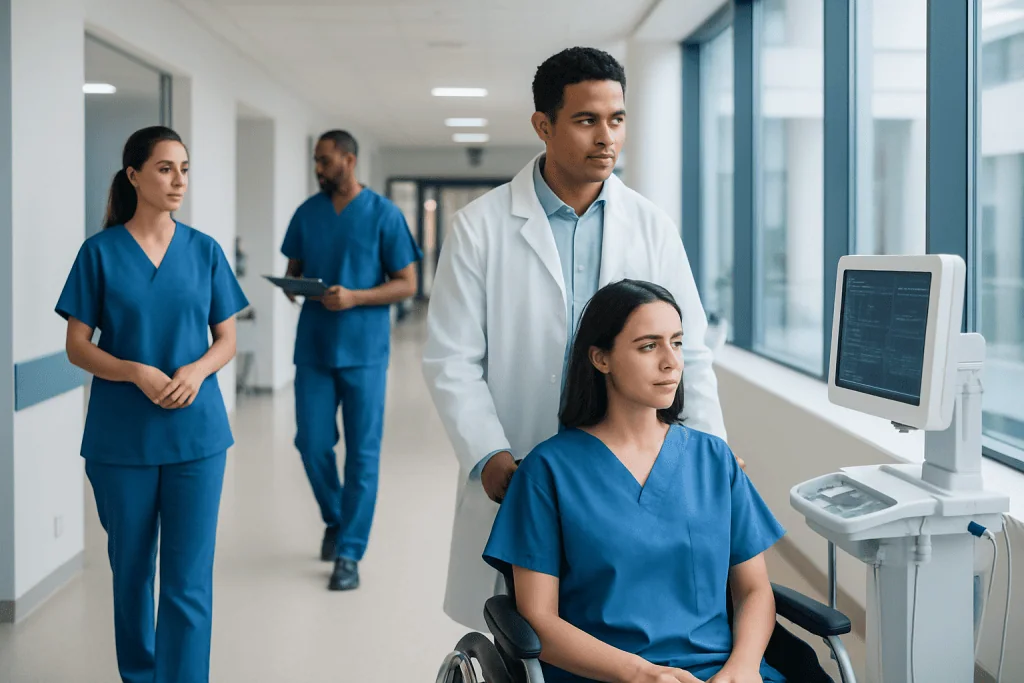
Technology in patient care includes imaging, electronic records, remote monitoring, surgical systems, and communication tools. Modern tools can improve diagnosis, treatment planning, safety, and follow-up when used alongside clinical expertise.
Key Takeaways
- Technology in patient care includes imaging, electronic records, remote monitoring, surgical systems, and communication tools.
- Modern tools can improve diagnosis, treatment planning, safety, and follow-up when used alongside clinical expertise.
- Not every patient needs the same technology; the best choice depends on the person’s condition, goals, and overall health.
- Privacy, data security, and equal access remain important parts of responsible healthcare technology use.
- Patients can benefit by asking how a tool works, why it is recommended, and what alternatives are available.
Technology in patient care refers to the tools, systems, and digital platforms that support diagnosis, treatment, monitoring, communication, and recovery. When used thoughtfully, modern medical technology can help make care more precise, coordinated, and convenient for patients and healthcare teams.
Overview: What Technology Means in Patient Care
In healthcare, technology means more than computers or machines. It includes a wide range of tools that help clinicians prevent, detect, diagnose, treat, and monitor health conditions. These tools may be physical devices, such as imaging scanners and infusion pumps, or digital systems, such as electronic health records, telemedicine platforms, and secure patient portals.
Modern medical technology is designed to support patient care at every stage. It can help a doctor identify a problem earlier, guide a surgeon during a procedure, track recovery at home, or allow a specialist to review results quickly from another location. In many cases, technology does not replace the healthcare professional. Instead, it helps the care team work with more information and greater precision.
Patients may notice technology during routine checkups, emergency care, planned surgery, rehabilitation, or long-term disease management. Examples include blood pressure monitors, ultrasound scans, wearable heart rhythm devices, laboratory automation, and video consultations. Even appointment reminders and online test results are part of the broader healthcare technology landscape.
The main goal is to improve care quality and patient experience. When the right tool is used for the right reason, technology can support safer decisions, better communication, and more personalized treatment planning.
How Modern Tools Are Used in Diagnosis
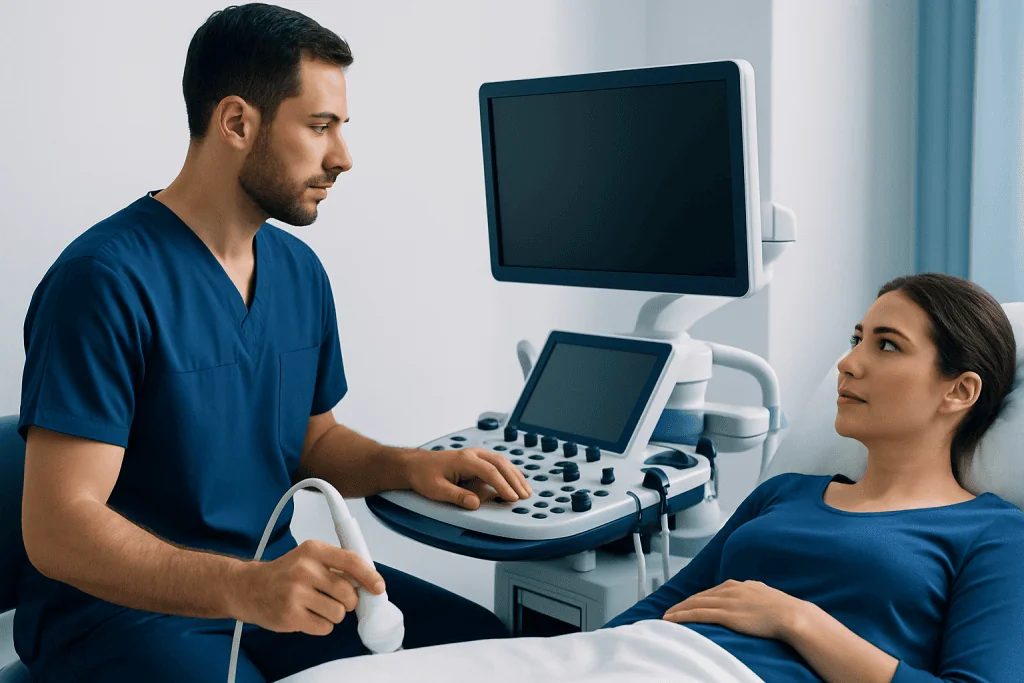
One of the clearest roles of technology in patient care is diagnosis. Diagnostic tools help clinicians understand what is happening inside the body, often with more speed and detail than a physical examination alone can provide. Imaging methods such as X-ray, ultrasound, computed tomography (CT), and magnetic resonance imaging (MRI) can reveal changes in bones, organs, blood vessels, and soft tissues.
Laboratory technology is also essential. Automated analyzers process blood, urine, and other samples to look for infection, inflammation, hormone changes, kidney function, blood sugar levels, and many other markers. In pathology, digital systems can support the examination of tissue samples and help specialists review findings accurately.
Monitoring technology can add another layer of information. Heart rhythm testing, sleep studies, oxygen measurement, and continuous glucose monitoring are examples of tools that detect patterns over time rather than at a single moment. This can be especially useful when symptoms come and go or are difficult to capture during a short clinic visit.
In some situations, advanced imaging or interventional techniques are used to guide diagnosis and treatment together. For example, a doctor may recommend MRI scanning to evaluate soft tissues in detail or CT imaging to assess internal structures quickly when prompt answers are needed.
Technology in Treatment and Procedures

Treatment technology includes devices and systems used to deliver care more precisely. In surgery, advanced cameras, navigation systems, and robotic-assisted platforms can give surgeons magnified views and refined instrument control. These tools may support certain minimally invasive procedures, which can be associated with smaller incisions and a different recovery experience for some patients.
Radiation therapy planning, targeted drug delivery systems, dialysis equipment, cardiac devices, and infusion technology are other examples of treatment-related tools. In rehabilitation, technology may include robotic movement training, balance systems, or computer-guided exercises that help patients regain strength and function.
Some technologies help guide treatment decisions rather than directly deliver treatment. For instance, digital planning systems may combine scan results, lab findings, and clinical information to help teams choose the most suitable option. This is particularly important when care involves multiple specialists.
Not every modern tool is appropriate for every person or condition. The choice depends on clinical need, expected benefit, possible risks, availability, and patient preference. A good healthcare team explains why a certain approach is recommended and whether other options exist, such as robotic surgery for selected procedures or more conventional techniques when they are equally appropriate.
Digital Health, Telemedicine, and Remote Monitoring
Digital health tools have expanded how patients connect with care. Telemedicine allows appointments to take place by video or phone when a physical examination is not essential or when follow-up can be managed remotely. This can be helpful for discussing symptoms, reviewing test results, adjusting long-term care plans, or deciding whether an in-person visit is needed.
Electronic health records help organize medical history, medications, allergies, imaging results, and clinician notes in one secure system. When used well, these records can improve continuity between departments and reduce repeated questions or duplicate tests. Patient portals may also allow people to view results, request appointments, and communicate with their care team more easily.
Remote monitoring is increasingly used for chronic conditions and recovery after treatment. Wearables and home devices can measure blood pressure, heart rate, oxygen levels, blood sugar, sleep patterns, or physical activity. This information may help clinicians spot changes earlier and guide timely adjustments in care. Some monitoring systems are used after cardiac treatment, surgery, or during the management of conditions such as diabetes.
These technologies can improve convenience, but they still require clinical judgment. A symptom reported through an app or a reading from a wearable may need confirmation, interpretation, and follow-up by a qualified professional.
Benefits for Patients and Healthcare Teams
When technology is chosen carefully, it can offer several practical benefits. For patients, modern tools may support earlier detection of problems, more precise treatment planning, better communication, and closer follow-up after discharge. In some cases, they can also reduce the need for repeated visits or make it easier to manage long-term conditions at home.
For healthcare teams, technology can improve coordination and access to information. A specialist reviewing images, a nurse checking medication records, and a surgeon planning a procedure all rely on accurate data. Digital systems can help reduce delays, flag important safety issues such as allergies, and support decisions based on the patient’s full clinical picture.
Technology may also help standardize parts of care. For example, reminders for screenings, medication checks, and follow-up tests can support consistent processes. In areas such as stroke, heart disease, and cancer, time-sensitive access to imaging and specialist review can be especially valuable. It may also support the evaluation of conditions like arrhythmia when symptoms are intermittent and need longer monitoring.
Still, the human side of healthcare remains central. Listening, examination, empathy, and shared decision-making cannot be replaced by a machine. The strongest results usually come from combining advanced tools with experienced clinical care.
Limitations, Safety, and Privacy Considerations
Although medical technology can be very helpful, it also has limits. A scan, algorithm, or wearable device does not provide a complete diagnosis on its own. Results must be interpreted in context, taking into account symptoms, medical history, physical examination, and professional expertise. False alarms, unclear findings, or technical problems can occur.
Privacy and data security are also important. Digital records, apps, and connected devices handle personal health information, so healthcare providers are expected to use secure systems and follow data protection standards. Patients may want to ask how their information is stored, who can access it, and how results are shared between departments or hospitals.
Another consideration is access. Not all patients have the same comfort level with digital tools, reliable internet access, or ability to use devices at home. Good care means matching technology to the patient rather than expecting every patient to adapt in the same way. Language needs, disability access, and health literacy should all be taken into account.
Safety also depends on training and maintenance. Devices and software should be used by qualified teams who understand both the benefits and the possible limitations. If a patient is unsure about a recommended tool or procedure, asking questions is appropriate and encouraged.
How Patients Can Make the Most of Healthcare Technology
Patients do not need technical expertise to benefit from modern medical tools. A helpful first step is to understand the purpose of the technology being recommended. Asking what the test, device, or system is meant to show can make care feel clearer and more collaborative.
It may also help to ask practical questions, such as whether preparation is needed, what the results might mean, how quickly answers are expected, and whether there are alternatives. For home monitoring devices, patients can ask how often readings should be taken, which changes should be reported, and what to do if the device gives an unusual result.
Keeping digital information organized can also support care. Using a patient portal, maintaining an updated medication list, and bringing prior reports to appointments can help clinicians see the full picture. If a patient uses wearable technology, it is useful to share the device data only when it is relevant and requested, since too much unfiltered information may not always be clinically useful.
Near the end of the care journey, some patients seek centers with broad technical capabilities and multidisciplinary teams. Acibadem International’s multidisciplinary specialists and JCI-accredited hospitals diagnose and treat a wide range of conditions for international patients, using modern diagnostic and treatment technologies where clinically appropriate.
When to Seek Medical Advice
Technology can support health decisions, but it should not replace medical evaluation when symptoms are new, severe, or worsening. Patients should seek professional advice if they have persistent pain, unexplained weight loss, fainting, shortness of breath, chest discomfort, severe headache, ongoing fever, or any symptom that causes concern.
Urgent help is especially important for warning signs such as sudden weakness, difficulty speaking, heavy bleeding, severe allergic reactions, confusion, or signs of a possible heart attack or stroke. A smartwatch alert or home reading may be useful information, but emergency symptoms still need prompt in-person assessment.
Patients should also contact a doctor if home monitoring results are repeatedly abnormal, if a medical device is not working properly, or if they are unsure how to interpret data from an app or wearable. It is always safer to confirm concerns with a qualified clinician than to rely on self-interpretation alone.
Used wisely, technology can be a valuable partner in care. The best approach combines reliable tools, secure systems, and experienced healthcare professionals who can translate information into safe, personalized treatment.
Frequently asked questions
What is technology in patient care?
Technology in patient care includes the devices, machines, software, and digital systems used to support diagnosis, treatment, monitoring, communication, and recovery. Examples include imaging scans, electronic health records, telemedicine, wearable monitors, and surgical systems.
Does medical technology replace doctors?
No. Medical technology is meant to support healthcare professionals, not replace them. Doctors and other clinicians interpret results, consider the full medical context, and help patients make informed decisions.
Is telemedicine as effective as an in-person visit?
Telemedicine can be very useful for many follow-up visits, medication reviews, symptom discussions, and long-term care management. However, some situations still require a physical examination, imaging, procedures, or urgent in-person assessment.
Are wearable health devices accurate?
Some wearable devices can provide helpful information about heart rate, activity, sleep, or other trends, but they are not perfect. Readings can sometimes be affected by device fit, movement, skin contact, or technical limits, so unusual results should be discussed with a healthcare professional.
How does technology improve diagnosis?
Technology improves diagnosis by giving clinicians more detailed and timely information. Imaging, lab automation, and continuous monitoring can reveal patterns or internal changes that may not be obvious during a routine examination alone.
Is patient data safe in digital systems?
Healthcare providers are expected to use secure systems and follow privacy rules to protect personal health information. Patients can ask how data is stored, who can access it, and how results are shared if they want to better understand privacy protections.
References
- World Health Organization
- U.S. Food and Drug Administration
- National Institutes of Health
- Centers for Disease Control and Prevention
- European Medicines Agency
This article is for general information only and is not a substitute for professional medical advice. Please consult a qualified doctor about your individual situation.
Explore treatments in Turkey — costs, top hospitals & a free quote
JCI-accredited · board-certified surgeons · reply within 24h
Add us as a Preferred Source to see more of our trusted health content across Google Search, AI Overviews and Discover.
Check your numbers in seconds
BMI, calories, due date, blood pressure and 30+ more clinical calculators — free, instant, doctor-reviewed ranges.