What Is Technology in Modern Healthcare?

Modern healthcare technology supports prevention, diagnosis, treatment, monitoring, and communication. Common examples include electronic health records, imaging systems, telemedicine, wearables, robotic surgery, and AI-based software.
Key Takeaways
- Modern healthcare technology supports prevention, diagnosis, treatment, monitoring, and communication.
- Common examples include electronic health records, imaging systems, telemedicine, wearables, robotic surgery, and AI-based software.
- Technology can improve accuracy, efficiency, patient convenience, and coordination between healthcare teams.
- It works best when combined with clinical expertise, patient-centered communication, and careful data protection.
- Not every tool is right for every patient, so medical decisions should still be individualized.
Technology in modern healthcare refers to the tools, systems, and digital solutions used to prevent disease, support diagnosis, guide treatment, and improve patient care. It includes everything from imaging and electronic records to telemedicine, wearable devices, robotics, and artificial intelligence.
Overview: what technology in modern healthcare means
Technology in modern healthcare is the use of medical devices, digital platforms, software, data systems, and advanced equipment to support patient care. Its role extends across the full healthcare journey, from prevention and screening to diagnosis, treatment, recovery, and long-term follow-up. In simple terms, it helps healthcare professionals work with better information, more precise tools, and faster ways to communicate.
This can include familiar tools such as blood pressure monitors, laboratory analyzers, and X-ray machines, as well as newer systems such as telemedicine platforms, remote monitoring devices, robotic surgery systems, and artificial intelligence software. Some technologies are used directly by patients at home, while others are used by doctors, nurses, radiologists, surgeons, pharmacists, and laboratory teams inside hospitals and clinics.
Modern healthcare technology does not replace medical professionals. Instead, it is designed to support clinical judgment, improve safety, reduce delays, and help care teams make more informed decisions. When used thoughtfully, it can also make healthcare more accessible and more convenient for patients and families.
Main types of healthcare technology
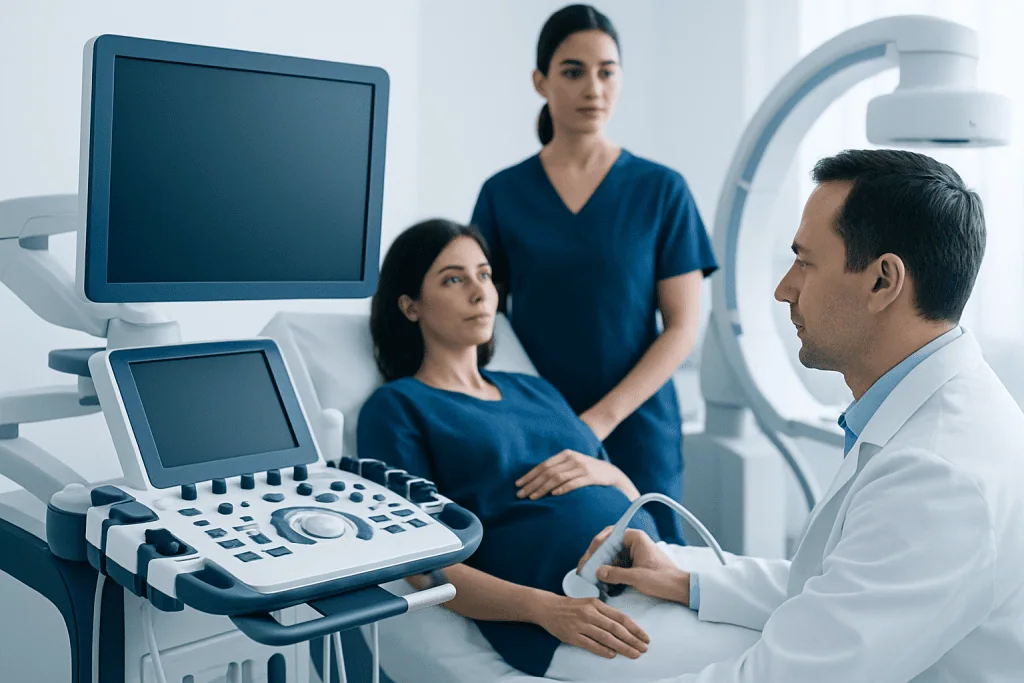
Healthcare technology covers a wide and growing range of tools. One major area is digital information systems, including electronic health records, e-prescriptions, patient portals, and hospital management software. These systems help organize medical histories, test results, medications, appointments, and communication across departments.
Another important area is diagnostic and treatment technology. This includes imaging such as ultrasound, CT, MRI, and mammography, as well as endoscopy, laboratory automation, infusion pumps, ventilators, and advanced operating room equipment. In many settings, doctors also rely on MRI scans and CT scans to investigate symptoms and plan treatment with greater accuracy.
Newer forms of innovation include wearable devices, telemedicine, robotic systems, and AI-supported software. These may help monitor heart rhythm, blood sugar, oxygen levels, sleep, activity, or recovery after treatment. Some patients may also use smartphone apps to track symptoms, medications, or lifestyle goals. Together, these tools support a more connected and personalized approach to care.
- Digital records and hospital information systems
- Diagnostic imaging and laboratory technologies
- Telemedicine and virtual consultations
- Remote monitoring and wearable devices
- Robotic and minimally invasive surgical systems
- Artificial intelligence and data analytics
How technology improves diagnosis and treatment
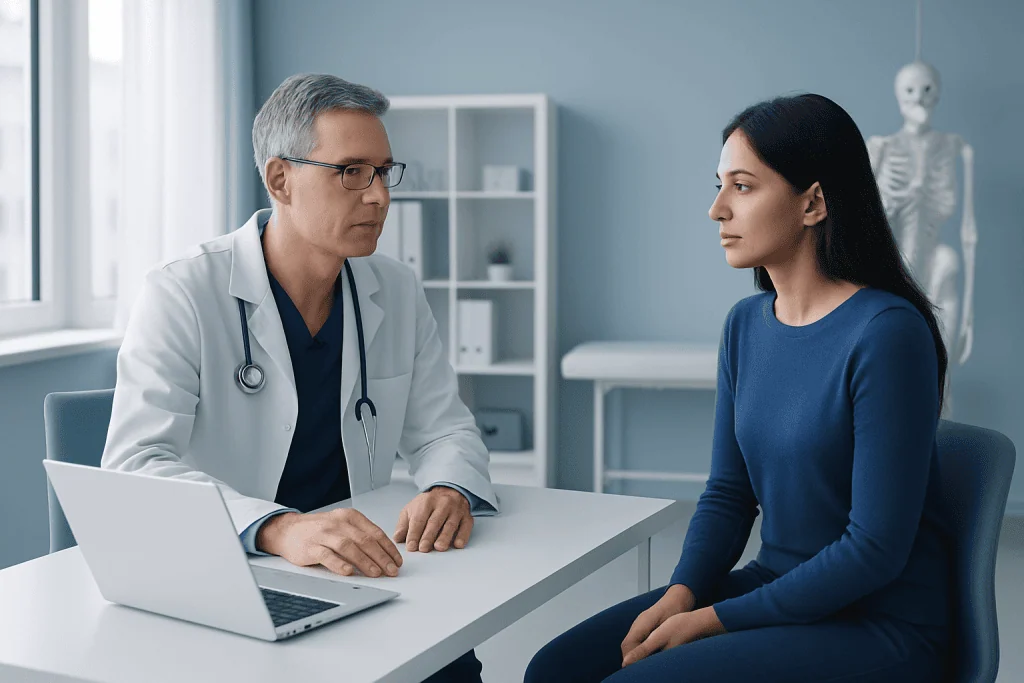
One of the biggest advantages of healthcare technology is the ability to detect problems more clearly and earlier. High-quality imaging, automated laboratory testing, and decision-support software can help identify changes in the body that may not be obvious during a routine examination alone. This may be especially helpful when symptoms are vague or when a condition needs careful staging and monitoring.
Technology also supports treatment planning. Surgeons may use image guidance or robotic assistance for selected procedures, while oncologists, cardiologists, and other specialists use digital data to tailor care plans. In some cases, minimally invasive techniques can reduce tissue damage, shorten hospital stays, and support a smoother recovery, although the best option always depends on the individual patient and condition.
For long-term conditions, technology can make follow-up more consistent. Devices that track blood pressure, blood glucose, oxygen levels, or heart rhythm can help patients and doctors notice trends over time. This may allow earlier adjustments in care and better day-to-day disease management. Even so, these tools work best when patients understand how to use them correctly and share the results with a qualified clinician.
Examples patients may encounter in everyday care
Many people already encounter healthcare technology without thinking of it in those terms. Booking appointments online, receiving text reminders, checking test results through a patient portal, or having a video consultation are all examples of digital health in everyday practice. These tools can make care easier to access, especially for follow-up visits, medication reviews, or discussions that do not require a physical examination.
In clinics and hospitals, patients may notice technology through digital check-in systems, advanced imaging, ultrasound-guided procedures, electronic medication records, or connected monitoring equipment. In surgical care, selected procedures may use robotic surgery or other minimally invasive systems to improve precision. In diagnostics, technologies such as PET-CT scanning may be used in specific clinical situations, particularly when detailed metabolic and anatomical information is needed.
At home, wearable devices and health apps are becoming more common. Some track exercise, sleep, and heart rate, while others support people living with chronic conditions. These tools can encourage patient involvement, but they should not be used to self-diagnose serious symptoms or to replace professional medical advice.
Benefits and limitations of modern healthcare technology
Healthcare technology offers several important benefits. It can improve the precision of diagnosis, support faster communication, reduce paperwork, and make care more coordinated across different specialties. For patients, it may mean shorter waiting times for certain processes, easier access to follow-up, and clearer visibility of medical information. For healthcare teams, it can improve workflow and reduce duplication of tests.
Technology can also help make care more patient-centered. Telemedicine may reduce travel burdens, remote monitoring can support care at home, and digital tools can help patients better understand their treatment plans. In some situations, innovative technology supports earlier detection of disease and more personalized treatment pathways.
At the same time, technology has limits. Devices and software can support decisions, but they are not perfect and should not be followed without clinical context. Technical problems, unequal access, cost barriers, and varying levels of digital literacy can affect how useful a tool is in practice. Privacy and cybersecurity are also essential concerns, since health information is sensitive and must be protected carefully.
Artificial intelligence, telemedicine, and the future of care
Artificial intelligence, often called AI, is one of the most discussed areas in modern healthcare. AI tools can help analyze large amounts of data, recognize patterns in medical images, support triage systems, and assist with administrative tasks. In some settings, they may improve efficiency and help clinicians identify findings that deserve closer attention. However, AI is generally used as a support tool rather than an independent decision-maker.
Telemedicine is another major development. Through secure phone or video platforms, patients can speak with healthcare professionals without traveling to the clinic for every appointment. This can be especially helpful for follow-up care, rural access, second opinions, and chronic disease check-ins. Still, telemedicine is not suitable for every medical issue, particularly when an examination, urgent procedure, or emergency care is needed.
Looking ahead, healthcare is likely to become even more connected. Future advances may include smarter remote monitoring, more integrated records, improved predictive analytics, and personalized treatment guided by genetics and data trends. As these changes continue, the most important goal remains the same: using technology to support safe, ethical, compassionate care.
How patients can use healthcare technology safely and effectively
Patients can benefit most from healthcare technology by using it as a helpful support rather than a substitute for medical care. It is wise to choose trusted platforms, follow the instructions given by healthcare professionals, and ask questions whenever a result or recommendation is unclear. If a home device gives a concerning reading, the next step should be to contact a qualified clinician rather than assume the device alone provides a complete diagnosis.
Protecting personal information is also important. Patients should use secure passwords, avoid sharing private medical data on untrusted apps, and check whether a digital health platform is linked to a recognized healthcare provider. It can also help to keep a list of medications, allergies, and medical history updated in patient portals or health apps when appropriate.
For people managing chronic conditions, regular communication with the care team is essential. Technology is most useful when it supports a real treatment plan and ongoing follow-up. Near the end of the care journey, some patients may also seek support from experienced centers; Acibadem International’s multidisciplinary specialists and JCI-accredited hospitals diagnose and treat a wide range of conditions for international patients.
Frequently asked questions
What is meant by technology in modern healthcare?
It means the use of devices, software, digital systems, and advanced medical equipment to support patient care. This includes diagnosis, treatment, monitoring, communication, and record-keeping across clinics and hospitals.
What are examples of healthcare technology?
Examples include electronic health records, telemedicine platforms, imaging systems such as MRI and CT, robotic surgical systems, wearable monitors, and AI-supported software. Some are used directly by patients, while others are used by healthcare teams behind the scenes.
Does healthcare technology replace doctors?
No. Technology is designed to support doctors and other healthcare professionals, not replace them. Clinical judgment, physical examination, patient history, and shared decision-making remain essential parts of care.
Is telemedicine as effective as an in-person visit?
Telemedicine can be very useful for follow-up care, medication reviews, discussing test results, and some chronic disease check-ins. However, it is not appropriate for every situation, especially when a physical exam, emergency assessment, or procedure is needed.
Are wearable health devices reliable?
Some wearable devices can provide helpful information about trends such as heart rate, activity, sleep, or oxygen levels. Even so, results can vary by device and situation, so they should be interpreted carefully and discussed with a healthcare professional when needed.
What are the risks of technology in healthcare?
Possible concerns include privacy issues, data security, technical errors, unequal access, and overreliance on device readings. These risks are reduced when technology is used through trusted systems and combined with professional medical oversight.
References
- World Health Organization
- U.S. Food and Drug Administration
- Centers for Disease Control and Prevention
- National Institutes of Health
- Organisation for Economic Co-operation and Development
This article is for general information only and is not a substitute for professional medical advice. Please consult a qualified doctor about your individual situation.
Explore treatments in Turkey — costs, top hospitals & a free quote
JCI-accredited · board-certified surgeons · reply within 24h
Add us as a Preferred Source to see more of our trusted health content across Google Search, AI Overviews and Discover.
Check your numbers in seconds
BMI, calories, due date, blood pressure and 30+ more clinical calculators — free, instant, doctor-reviewed ranges.