What Is the Best Laxative to Clean You Out? Here Is What the Evidence Says

There is no one best laxative for every situation; the right option depends on symptoms, timing, and overall health. Bulk-forming and osmotic laxatives are often preferred for short-term constipation because they are generally effective and gentler when used correctly.
Key Takeaways
- There is no one best laxative for every situation; the right option depends on symptoms, timing, and overall health.
- Bulk-forming and osmotic laxatives are often preferred for short-term constipation because they are generally effective and gentler when used correctly.
- Stimulant laxatives can work faster but may cause cramping and are usually better reserved for occasional short-term use.
- Red flags such as severe pain, vomiting, blood in the stool, or sudden constipation with weight loss need medical review rather than self-treatment.
- Hydration, fiber, movement, and regular toilet habits can help prevent constipation and reduce the need for laxatives.
For most people, occasional constipation is uncomfortable but not dangerous, and there is no single “best” laxative for everyone. The safest and most effective option depends on how quickly relief is needed, whether stool is hard or infrequent, and whether warning signs suggest a medical problem that needs evaluation.
Overview: what the evidence suggests
When people ask what is the best laxative to clean you out, the most accurate answer is that there is no single best product for every person. Occasional constipation is common and often harmless, but the most suitable laxative depends on the pattern of symptoms, how quickly relief is needed, and whether there are signs of a more serious problem.
In many cases, doctors consider bulk-forming or osmotic laxatives good first options for short-term constipation because they can be effective without strongly stimulating the bowel. Stool softeners may help in specific situations, such as when straining should be avoided, while stimulant laxatives are often used for occasional rapid relief but may cause more cramping.
The idea of needing to be fully “cleaned out” can be misleading. For routine constipation, the goal is usually to restore comfortable, regular bowel movements rather than to empty the bowel completely. More aggressive bowel-cleansing medicines are usually reserved for medical reasons, such as colonoscopy preparation, and should not be used casually without professional guidance.
How constipation feels and why it is often temporary
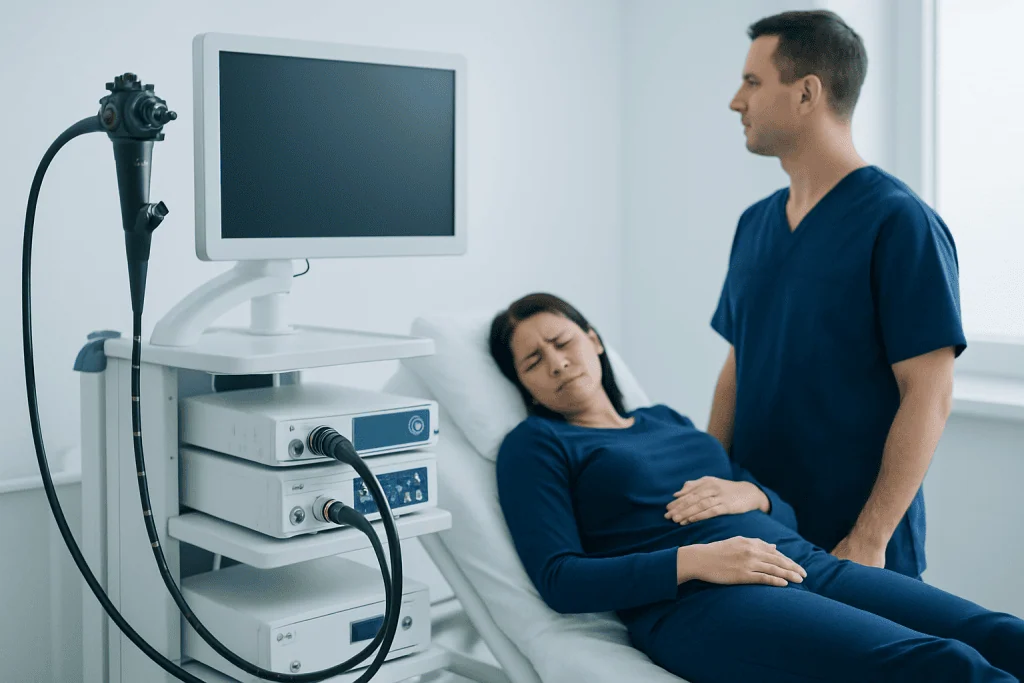
Constipation does not only mean going to the toilet less often. It can also mean hard, dry stools, straining, a feeling of incomplete emptying, bloating, or discomfort in the lower abdomen. Some people pass stool daily but still feel constipated because the stool is difficult to pass.
Short-term constipation often happens after travel, dehydration, dietary changes, reduced physical activity, illness, or certain medications. It may also occur during pregnancy or after surgery. In these situations, bowel habits often improve with fluids, fiber, movement, and short-term medication support when needed.
Doctors usually become more concerned when constipation is new, persistent, clearly worsening, or linked to other symptoms. Although constipation itself is common, it can sometimes be part of a broader digestive issue such as gastrointestinal illness recovery, medication side effects, pelvic floor dysfunction, thyroid problems, or bowel disease.
Which laxative types work best in different situations

Laxatives work in different ways, so the “best” choice depends on what the bowel needs. A person with hard stools and low fiber intake may benefit from a different approach than someone needing short-term relief after travel or pain medicine use. Reading labels carefully and following package directions is important, especially for people with kidney disease, heart disease, pregnancy, or multiple medications.
Common laxative types include:
- Bulk-forming laxatives: These add bulk to stool and help it hold water, making it easier to pass. They are often useful when diet is low in fiber, but they should be taken with enough fluid.
- Osmotic laxatives: These draw water into the bowel, which can soften stool and promote bowel movements. They are often used for short-term constipation and can be effective for people with hard or infrequent stools.
- Stool softeners: These help stool hold more water. They may be helpful when straining should be minimized, although they may be less effective than other options for established constipation.
- Stimulant laxatives: These trigger bowel muscle contractions and often work faster, but they can cause cramping. They are usually best for occasional use rather than frequent self-treatment.
- Lubricant or rectal products: Suppositories or enemas may be used when relief is needed more quickly or stool is impacted in the rectum, but repeated unsupervised use is not ideal.
For many adults with uncomplicated, short-term constipation, bulk-forming or osmotic products are often considered sensible first choices. Stimulant laxatives can be helpful when quicker results are needed, but they should not replace evaluation if constipation keeps returning. If constipation is frequent or severe, doctors may assess for conditions such as irritable bowel syndrome or other bowel disorders rather than relying on repeated laxative use alone.
What can affect the safest choice
The safest laxative depends not only on symptoms but also on age, medical history, and current medicines. Some laxatives may worsen dehydration, disturb electrolyte balance, or interact with other treatments. This matters especially for older adults, children, pregnant people, and anyone with kidney disease, bowel inflammation, swallowing difficulty, or heart problems.
Medicines that commonly contribute to constipation include opioid pain relievers, iron supplements, calcium supplements, some antacids, certain antidepressants, and some blood pressure medicines. In these situations, simply changing the laxative may not solve the problem if the underlying trigger remains in place.
Self-treatment is usually reasonable for mild, short-lived constipation without alarm symptoms. However, if a person feels unwell, has marked abdominal swelling, cannot pass gas, or develops nausea and vomiting, they should not keep trying stronger laxatives at home. Those symptoms can suggest a blockage or another condition that needs medical assessment.
Red flags and when to seek medical care
Most episodes of constipation improve without urgent treatment, but some symptoms should prompt medical advice rather than repeated attempts to “clean out” the bowel. A doctor can help decide whether the issue is simple constipation or something that needs further testing.
Medical review is important if constipation comes with severe or persistent abdominal pain, vomiting, blood in the stool, black stools, fever, unexplained weight loss, new anemia, or a sudden major change in bowel habits. It is also wise to seek care if symptoms last more than a few weeks, keep recurring, or do not improve with basic measures and careful short-term laxative use.
Urgent attention is needed if the abdomen becomes very swollen, stool and gas stop completely, or there is significant weakness, fainting, or dehydration. In children, older adults, and people with complex medical conditions, it is sensible to involve a clinician earlier because complications can develop more easily.
How doctors find the cause
If constipation is persistent or accompanied by warning signs, a doctor will usually begin with a detailed history. This includes how often bowel movements occur, stool consistency, diet, fluid intake, activity level, current medicines, and whether symptoms such as bleeding, pain, or weight loss are present.
A physical examination may include assessment of the abdomen and, when appropriate, a rectal exam to look for stool impaction, hemorrhoids, fissures, or pelvic floor problems. Depending on the situation, blood tests may be used to check for anemia, thyroid disease, diabetes, inflammation, or electrolyte problems.
Some people need further testing, especially if symptoms are new after age 50, unexplained, or resistant to treatment. This may include imaging, transit studies, or colonoscopy to examine the bowel lining and rule out structural causes. If a person has severe pain or signs of a complication, doctors may also use CT scanning to look for obstruction or other urgent problems.
Treatment and self-care that can help
Treatment depends on the cause and severity. For mild constipation, a doctor may suggest increasing fluid intake, gradually adding fiber-rich foods, staying active, and setting aside unhurried time for bowel movements, especially after meals. These measures may not work instantly, but they can improve bowel function over time.
If medication is needed, the choice is guided by symptom pattern. Bulk-forming agents may help if fiber intake is low and there is no blockage. Osmotic laxatives are commonly used when stools are hard or bowel movements are infrequent. Stimulant laxatives may be used occasionally for short-term relief, while suppositories or enemas can sometimes help when stool is stuck low in the rectum.
Persistent constipation may need more targeted care. This can include reviewing medicines, treating an underlying disease, pelvic floor therapy, or specialist evaluation by gastroenterology specialists. In selected cases, additional procedures or advanced testing may be recommended to identify why the bowel is not moving normally.
Near the end of the care pathway, some people benefit from coordinated assessment in centers that manage digestive disorders regularly. Acibadem International’s multidisciplinary specialists and JCI-accredited hospitals diagnose and treat constipation-related conditions for international patients when further evaluation is needed.
Prevention and safer habits for long-term bowel health
Preventing constipation often reduces the need for laxatives. A balanced eating pattern with fruits, vegetables, legumes, and whole grains can help many people, but fiber should usually be increased gradually to avoid excess gas and bloating. Drinking enough fluid supports stool softness, particularly when fiber intake rises.
Regular movement also matters. Walking and other physical activity can stimulate normal bowel function, and many people notice improvement when they respond to the urge to pass stool rather than delaying it. Establishing a routine, such as using the toilet after breakfast, can also support more predictable bowel habits.
Repeatedly using stronger laxatives without understanding the cause of constipation is not ideal. If bowel problems continue, it is better to seek advice than to escalate treatment alone. A clinician may recommend diet changes, medicine review, or specialized testing to create a plan that is safer and more effective over time.
Frequently asked questions
What is the best laxative to clean you out quickly?
There is no single best laxative for everyone. Stimulant laxatives and some rectal products may work faster, but they can cause more cramping and are not always the safest first choice. For many people with simple constipation, osmotic or bulk-forming laxatives are often preferred depending on stool pattern and timing.
Is it safe to use a laxative every day?
Regular laxative use should not become a long-term habit without medical advice. Some people do need ongoing treatment for chronic constipation, but the choice of medicine should be guided by a doctor. Daily symptoms can signal an underlying problem that needs evaluation.
How long should someone wait before seeing a doctor for constipation?
If constipation is mild and short-lived, it is often reasonable to try fluids, diet changes, activity, and short-term treatment. Medical review is sensible if symptoms last more than a few weeks, keep returning, or do not improve. Earlier assessment is important if there is severe pain, vomiting, bleeding, fever, or weight loss.
Can constipation be a sign of something serious?
Most constipation is not caused by a serious illness, especially when it is occasional and linked to diet, travel, or medication changes. However, sudden new constipation, especially with blood in the stool, anemia, weight loss, or severe abdominal symptoms, needs medical attention. A doctor can decide whether testing is necessary.
Do natural remedies work as well as laxatives?
For some people, increased fluids, fiber, exercise, and regular toilet habits are enough to improve constipation. These steps are often a useful foundation even when medicine is needed. However, natural measures may not be enough for more severe, persistent, or medically complicated constipation.
Should someone use a bowel cleanse for ordinary constipation?
A full bowel cleanse is usually not necessary for routine constipation. Strong bowel-cleansing regimens are typically used for medical reasons such as colonoscopy preparation and should not be used casually. For ordinary constipation, the goal is usually comfortable, regular bowel movements rather than complete emptying.
References
- National Institute of Diabetes and Digestive and Kidney Diseases
- American College of Gastroenterology
- National Health Service
- Mayo Clinic
- National Institute for Health and Care Excellence
This article is for general information only and is not a substitute for professional medical advice. Please consult a qualified doctor about your individual situation.
Persistent digestive symptoms? Get evaluated in Turkey
JCI-accredited · board-certified surgeons · reply within 24h
Add us as a Preferred Source to see more of our trusted health content across Google Search, AI Overviews and Discover.