What Is the Best Treatment for Enlarged Prostate? Comparing Options

There is no single best treatment for every enlarged prostate; the right choice depends on symptoms, prostate size, and personal preferences. Mild symptoms may be managed with monitoring and lifestyle changes.
Key Takeaways
- There is no single best treatment for every enlarged prostate; the right choice depends on symptoms, prostate size, and personal preferences.
- Mild symptoms may be managed with monitoring and lifestyle changes.
- Medications can improve urinary symptoms, while procedures and surgery are usually considered when symptoms are more troublesome or complications develop.
- A medical evaluation helps rule out other causes of urinary symptoms, including infection, stones, or prostate cancer.
- Prompt medical advice is important for urinary retention, blood in the urine, fever, or worsening bladder problems.
The best enlarged prostate treatment depends on how severe the symptoms are, how much they affect daily life, and the person’s overall health. Common options range from watchful waiting and medication to minimally invasive procedures and surgery, with treatment tailored to individual needs.
Overview: What enlarged prostate treatment aims to do
An enlarged prostate, also called benign prostatic hyperplasia (BPH), is a common non-cancerous increase in prostate size that can affect urination as men age. The prostate surrounds part of the urethra, so when it grows, it may narrow the urinary channel and make it harder for urine to pass normally. This can lead to symptoms such as a weak stream, frequent urination, urgency, or waking at night to urinate.
When people ask about the best enlarged prostate treatment, the answer is usually individualized rather than one-size-fits-all. Treatment choices depend on symptom severity, the size and shape of the prostate, age, general health, medications already being taken, and whether complications such as urinary retention or repeated urinary infections are present.
The main goals of treatment are to improve urinary flow, reduce bothersome symptoms, protect bladder and kidney health, and support quality of life. For some people, simple monitoring is enough. For others, medicines, minimally invasive treatments, or surgery may offer better and more lasting relief.
Symptoms that may lead to treatment
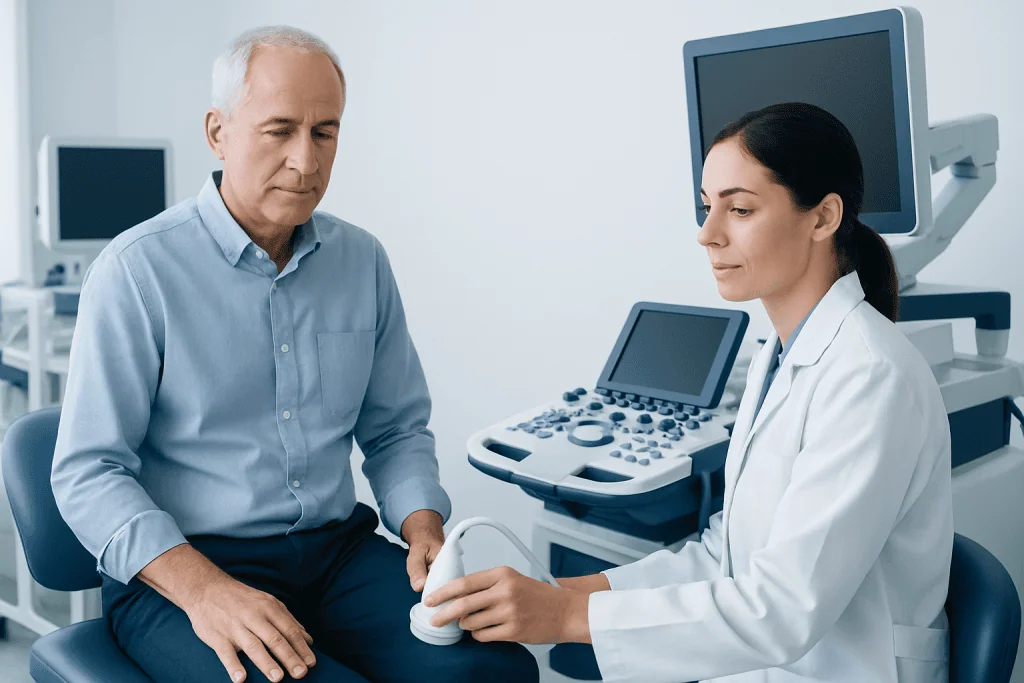
Enlarged prostate symptoms often develop gradually. Some people notice that it takes longer to start urinating, the urinary stream becomes weak, or the bladder never feels fully empty. Others may need to urinate more often, especially at night, or may feel a sudden urge that is difficult to delay.
Symptoms are often grouped into two types: voiding symptoms and storage symptoms. Voiding symptoms include hesitancy, straining, interrupted flow, and dribbling at the end of urination. Storage symptoms include frequency, urgency, and nighttime urination. The degree of bother is important, because even moderate symptoms may not require immediate intervention if they do not interfere with daily life.
Medical assessment is especially important if symptoms are accompanied by warning signs. These include blood in the urine, pain, burning during urination, fever, inability to urinate, or repeated urinary tract infections. Although BPH is common, similar symptoms can also occur with prostate cancer, bladder problems, nerve-related conditions, or urinary stones.
How doctors choose the best treatment option
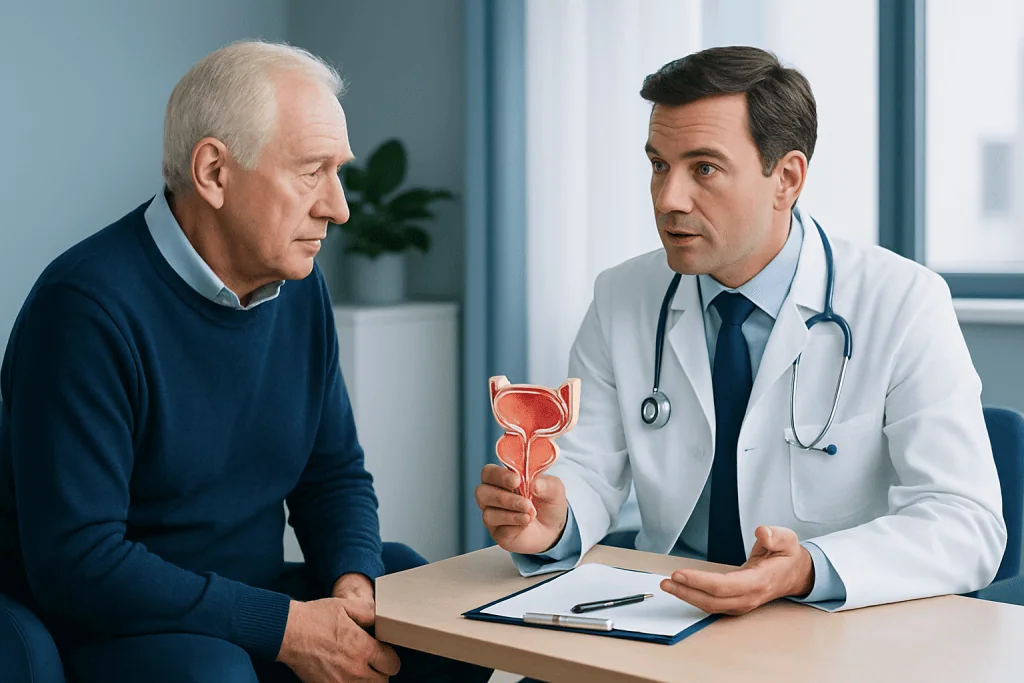
Choosing among BPH treatment options usually begins with a structured evaluation. A doctor will ask about urinary symptoms, how long they have been present, what medicines the person takes, and whether there is a history of urinary retention, infections, or kidney problems. A symptom questionnaire may be used to measure how much symptoms affect daily activities and sleep.
The physical exam may include a digital rectal examination to estimate prostate size and check for other concerns. Tests can include a urine test to look for infection or blood, blood tests such as kidney function and, when appropriate, prostate-specific antigen (PSA), and sometimes an ultrasound or bladder scan to see whether urine remains after urination. In selected cases, urine flow testing or cystoscopy may be recommended.
These findings help match the treatment to the person. Mild symptoms may be observed. A very large prostate may respond differently from a smaller one. If there is a risk of medication side effects, a procedure might be preferred. If complications such as bladder stones, repeated retention, or kidney strain are present, more active treatment is often advised.
Watchful waiting and lifestyle measures
For mild or only slightly bothersome symptoms, watchful waiting is often an appropriate first step. This means regular follow-up without immediate medication or surgery. Many people are reassured to learn that not all prostate enlargement requires active intervention right away.
Lifestyle measures can reduce symptoms and improve bladder habits. These may include limiting fluids in the evening, reducing caffeine and alcohol, urinating on a schedule, taking time to empty the bladder fully, and avoiding or reviewing medications that can worsen symptoms, such as some decongestants or antihistamines. Managing constipation may also help, since bowel fullness can add pressure to the urinary system.
Pelvic floor awareness and bladder training may support better control in selected cases. However, self-care should not replace evaluation if symptoms are progressing. Monitoring is most suitable when symptoms are stable and there are no complications such as urinary retention, recurrent infections, or kidney problems.
- Best suited for: mild symptoms
- Main benefit: avoids unnecessary treatment
- Main limitation: symptoms may gradually worsen over time
Medications for enlarged prostate
Medication is one of the most common enlarged prostate treatment approaches when symptoms are moderate or troublesome. Several drug types may be used. Alpha-blockers help relax the muscle in the prostate and bladder neck, which can improve urine flow relatively quickly. They do not shrink the prostate, but many people notice symptom relief within a short time.
Another option is 5-alpha reductase inhibitors, which can gradually reduce prostate size by affecting hormone-related growth signals. These medicines may be more helpful when the prostate is clearly enlarged and may take longer to show full benefit. In some cases, doctors prescribe both medicine types together, especially if symptoms are more significant or the prostate is larger.
Some people also have overactive bladder symptoms, such as urgency and frequency, and may benefit from additional medicines chosen carefully by a doctor. Medication can be effective, but it may not be ideal for everyone. Side effects, interactions with other drugs, and the need for long-term use are part of the decision. If medicines do not help enough or are not tolerated well, a minimally invasive approach or urology treatment plan may be considered.
Minimally invasive procedures and surgery
When symptoms are more severe, medicines are ineffective, or complications develop, procedures and surgery can provide stronger relief. Minimally invasive treatments aim to open the blocked urinary passage with less recovery time than traditional surgery. Depending on anatomy and local expertise, options may use heat, steam, implants, or other technologies to reduce pressure on the urethra.
For some patients, surgery remains the most effective choice, especially if the prostate is large or there is significant obstruction. A commonly used operation is transurethral resection of the prostate, in which excess prostate tissue is removed through the urethra. Laser-based procedures are another option and may be suitable in selected patients. The best approach depends on prostate size, bleeding risk, urinary retention, and the person’s priorities regarding recovery and preservation of sexual function.
Procedures and surgery can improve flow and reduce symptoms more substantially than medication in many cases, but they also involve planning, anesthesia considerations, and possible side effects. These may include temporary burning, urgency, bleeding, infection, ejaculation changes, or, less commonly, incontinence or erectile difficulties. A specialist may compare options in detail and discuss whether robotic surgery or other advanced techniques have a role in complex cases, though many prostate enlargement procedures are done through the urinary passage without external incisions.
People being evaluated for intervention may also undergo further imaging or bladder assessment, and in selected situations MRI may help clarify anatomy or rule out other conditions when symptoms are not straightforward.
How treatment decisions are personalized
The best treatment for enlarged prostate is the one that fits the individual’s symptoms, expectations, and medical profile. Someone with mild nighttime urination but little disruption to daily life may prefer monitoring. Another person with repeated urinary retention or severe urgency may benefit more from a procedure. Age alone does not decide treatment; overall health, bladder function, and personal treatment goals matter more.
Sexual side effects are an important part of shared decision-making. Some treatments may affect ejaculation more than others, and patients often appreciate discussing this early. Recovery time, the need for a catheter, ability to stop or avoid long-term medication, and the possibility of retreatment are also practical factors that influence choice.
A careful review can also identify problems that mimic BPH, such as kidney stones or infection. In more complicated urinary cases, a multidisciplinary team can be helpful. Near the end of the care pathway, some international patients choose centers such as Acibadem International, where multidisciplinary specialists in JCI-accredited hospitals diagnose and treat prostate enlargement with individualized plans.
When to seek medical advice
Anyone with new or persistent urinary symptoms should arrange a medical evaluation, especially if symptoms are worsening or affecting sleep, work, or daily comfort. Although many cases are due to benign enlargement, assessment is important to confirm the cause and choose the most suitable treatment.
Urgent medical attention is needed if a person cannot urinate at all, has fever with urinary symptoms, severe lower abdominal pain, heavy blood in the urine, or signs of dehydration. These symptoms may suggest urinary retention, infection, or another condition requiring prompt treatment.
Follow-up remains important even after treatment begins. Doctors may monitor symptom improvement, urine flow, residual urine in the bladder, and possible medication effects. Timely review helps ensure that treatment continues to match the patient’s needs over time.
Frequently asked questions
What is usually the best treatment for an enlarged prostate?
There is no single best treatment for everyone. Mild symptoms may only need monitoring and lifestyle changes, while more bothersome symptoms may improve with medication, minimally invasive procedures, or surgery. A urologist helps match the treatment to symptom severity, prostate size, and overall health.
Can an enlarged prostate go away on its own?
An enlarged prostate usually does not shrink on its own in a lasting way. However, some people have stable, mild symptoms that can be managed with watchful waiting and simple lifestyle changes. Regular review is still important because symptoms can gradually change over time.
Are medications enough to treat BPH?
For many people, yes. Medicines can improve urinary flow, reduce urgency, and lower symptom burden, especially in mild to moderate cases. If medications do not help enough or cause unwanted side effects, a procedure or surgery may be considered.
When is surgery recommended for enlarged prostate?
Surgery is usually considered when symptoms are severe, medications are not effective, or complications develop. These complications can include repeated urinary retention, recurrent infections, bladder stones, or effects on kidney function. The exact procedure depends on prostate size, anatomy, and personal preferences.
Does enlarged prostate mean prostate cancer?
No. Benign prostatic hyperplasia is not cancer, and having BPH does not automatically mean a person has prostate cancer. Still, both conditions can cause urinary symptoms, so proper medical assessment is important.
What lifestyle changes can help with enlarged prostate symptoms?
Helpful steps may include reducing evening fluids, limiting caffeine and alcohol, emptying the bladder regularly, and reviewing medicines that may worsen symptoms. Avoiding constipation can also help. These measures may not cure BPH, but they can reduce day-to-day discomfort.
References
- National Institute of Diabetes and Digestive and Kidney Diseases
- American Urological Association
- European Association of Urology
- National Health Service
- Mayo Clinic
This article is for general information only and is not a substitute for professional medical advice. Please consult a qualified doctor about your individual situation.
Explore treatments in Turkey — costs, top hospitals & a free quote
JCI-accredited · board-certified surgeons · reply within 24h
Add us as a Preferred Source to see more of our trusted health content across Google Search, AI Overviews and Discover.